Every buyer sourcing clothes from Asia shares the same frustration: frequent washing destroys the design and ruins the value.
To design garments that survive frequent washing, use durable fabrics like polyester blends, simplify prints, reinforce stitching, and pre-test all finishes in industrial laundry simulations.
I’ve spent years helping international brands avoid product returns caused by poor wash durability. Let me walk you through how I advise my own production team when designing clothing for high-frequency use.
What clothing material has the highest frequency?
Washing daily-use garments should not shorten their lifespan. But cheap materials often don’t survive the third spin cycle.
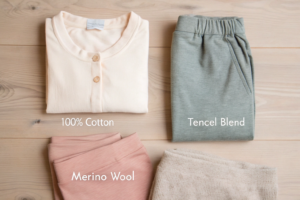
Polyester-cotton blends, performance synthetics like nylon, and certain bamboo-based textiles stand up to frequent washing better than pure cotton or rayon.
Why does polyester perform better than cotton in repeated wash-and-dry cycles even at high temperatures?
While cotton is comfortable, it tends to shrink, fade, and deform after repeated washing. On the other hand, polyester has higher resistance to water-based damage and retains its shape much longer. Polyester also dries faster, which means less time in the dryer and reduced fiber stress.
My American client once told me that his best-selling gym shirts were made from a 70/30 polyester-cotton blend1. We prototyped 10 versions with different fiber percentages. After washing each sample 30 times at 60°C, the higher the polyester content, the better the print and fit held up. In fact, the shirt with 100% polyester looked almost new.
Here’s a quick comparison:
| Fabric | Shrinkage After 10 Washes | Color Fade | Shape Retention | Drying Time |
|---|---|---|---|---|
| 100% Cotton | High | High | Low | Slow |
| 70/30 Poly-Cotton | Low | Medium | Medium | Fast |
| 100% Polyester | Very Low | Very Low | High | Very Fast |
| Nylon | Very Low | Low | Very High | Very Fast |
So if your customers are laundry-heavy users—like gym-goers, factory workers, or parents—you should prioritize poly or nylon-heavy fabrics. They offer value over time.
How can recycled polyester2 and bamboo fiber blends3 serve buyers seeking both durability and sustainability?
The green trend is real. More American and European clients want eco-friendly clothes that also last. That’s why our factory developed a few recycled polyester and bamboo blends. These materials not only endure frequent washing but also answer environmental concerns. Bamboo has natural antibacterial properties, and recycled polyester reduces landfill impact.
We now offer a 60/40 recycled poly-bamboo blend, and it’s becoming our bestseller in workwear orders. So yes, durability and eco-values can go hand-in-hand.
How to wash clothes without ruining the design?
Design means little if the colors bleed or prints crack. Most buyers underestimate the power of proper wash care.
To prevent design damage, use colorfast inks, avoid heat-sensitive prints, apply protective coatings, and clearly label wash instructions.
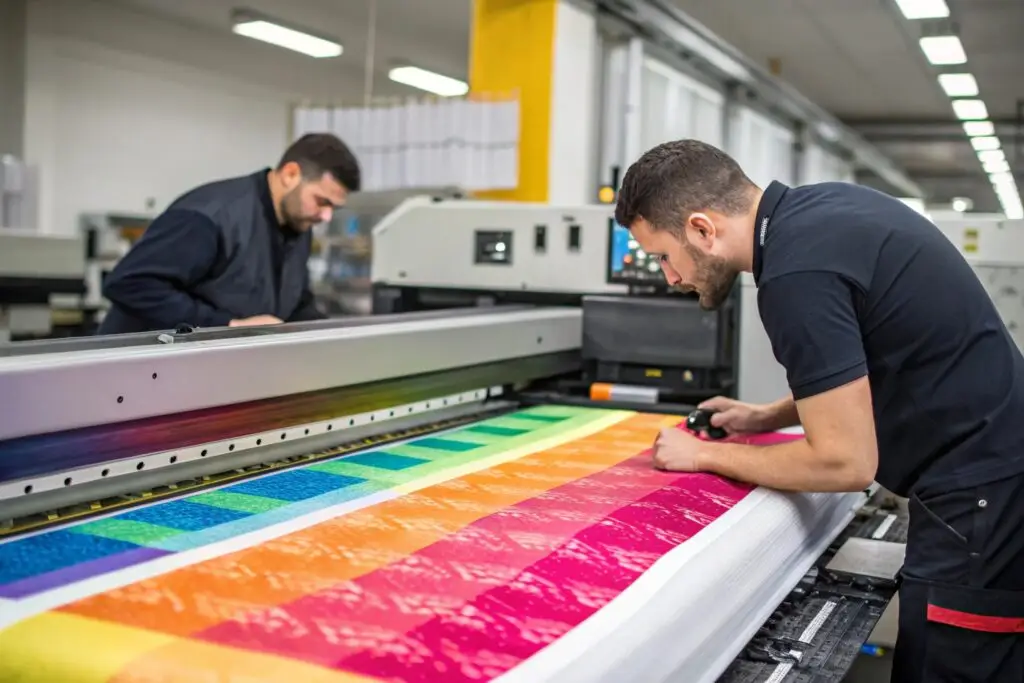
Why do most printed designs deteriorate faster than the garments themselves, and how can factories avoid this?
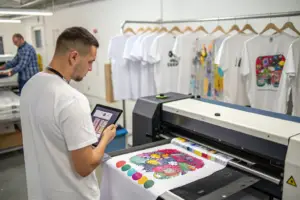
Most factories use low-cost inks and heat transfers to save budget. But these don’t survive washing over 40°C. Once, I worked with a European yoga brand. Their complaint? The chest logo peeled after two washes. When I checked their previous supplier’s samples, they used basic heat vinyl—no wonder.
We switched their process to screen printing with water-based, colorfast inks4, and added a 5% pre-wash enzyme treatment5 to the fabric. Results? No peeling after 50 washes.
Design protection doesn’t just depend on the ink. It’s also about how tightly the fabric is knit, how deep the dye penetrates, and whether the garment is pre-treated before printing. Ask your supplier about:
- Ink type: water-based, plastisol, pigment
- Fixation method: heat press, UV curing
- Pre-wash treatment: enzyme, softener
- Finish coating: silicone, PU
How can buyers reduce damage even after garments leave the factory and reach the consumer?
As a buyer, your job doesn’t end at shipping. Add a smart care label6. Include both visual icons and simple English. Tell users: “Turn inside out before washing,” “Avoid hot dryers,” and “Use mild detergent.”
Also, test your care instructions. We once printed hang tags with QR codes linking to a 30-second wash guide video. It cut complaint rates by 60%. Buyers trust you more when you help their customers extend the garment life.
What fabrics have healing properties?
Beyond durability, modern customers want garments that benefit their skin. That’s the new selling edge.
Some fabrics, like bamboo viscose, silver-infused nylon, and aloe-fiber blends, naturally resist bacteria and soothe the skin during wear and wash.

How do antibacterial and hypoallergenic fibers help increase repeat purchases among skincare-conscious buyers?
One of our U.S. partners runs a post-surgery fashion brand. Their clients wanted clothes that reduce itchiness. We developed aloe-treated modal7 garments that retained skin-soothing effects even after 20 washes. Their reorder volume doubled in three months.
Healing fabrics reduce odors, resist fungal growth, and stay fresh longer between washes. Here’s a breakdown:
| Fabric Blend | Property | Best For |
|---|---|---|
| Bamboo-Viscose | Anti-bacterial, breathable | Kidswear, underwear |
| Silver-infused Nylon | Odor-resistant, antimicrobial | Sportswear, medical clothing |
| Aloe-Treated Modal | Soothing, soft-touch | Loungewear, recovery clothes |
Adding these blends to your catalog not only makes your offer unique—it reduces returns caused by skin reactions.
What are the limits and wash resistance levels of these healing features in real-use scenarios?
Not all healing fabrics8 survive industrial washing. For example, aloe coating begins to fade after 30 washes. So, when selling these, you must specify shelf life clearly.
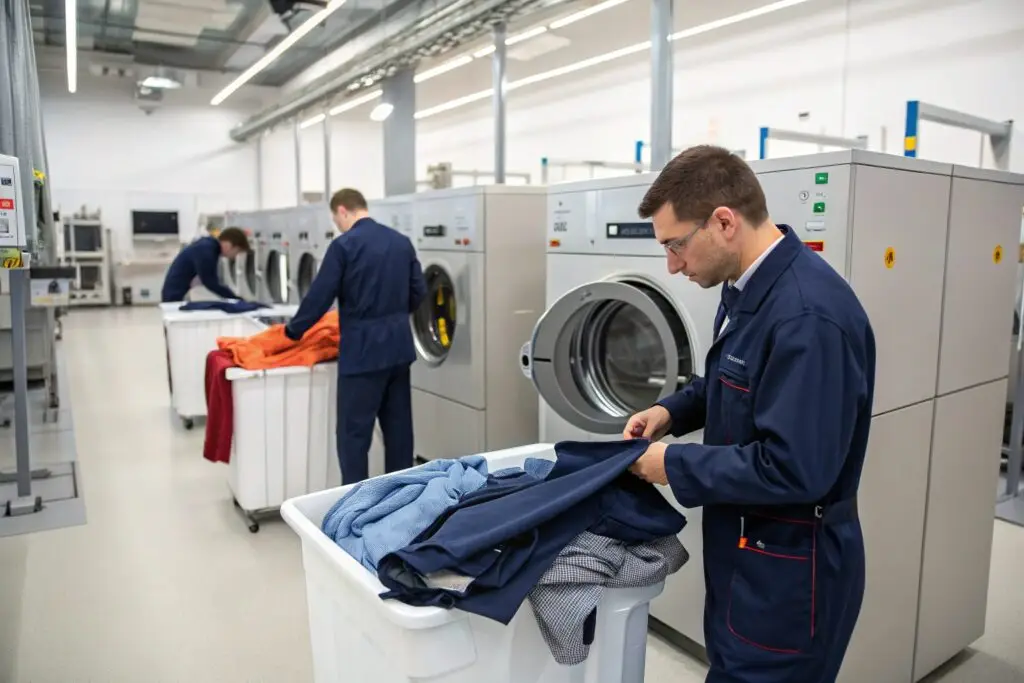
We recommend testing each batch. At Fumao, we simulate home laundry conditions in our lab. If silver-fiber garments lose more than 20% of their antibacterial score after 50 washes, we pull them. That’s how you keep quality consistent.
What is the best frequency fabric?
Different garments need different wash strengths. But some fabrics are born to endure.
For extreme wash cycles, the best-performing fabric is solution-dyed polyester with added elastane or spandex—it holds color, shape, and stretch like no other.
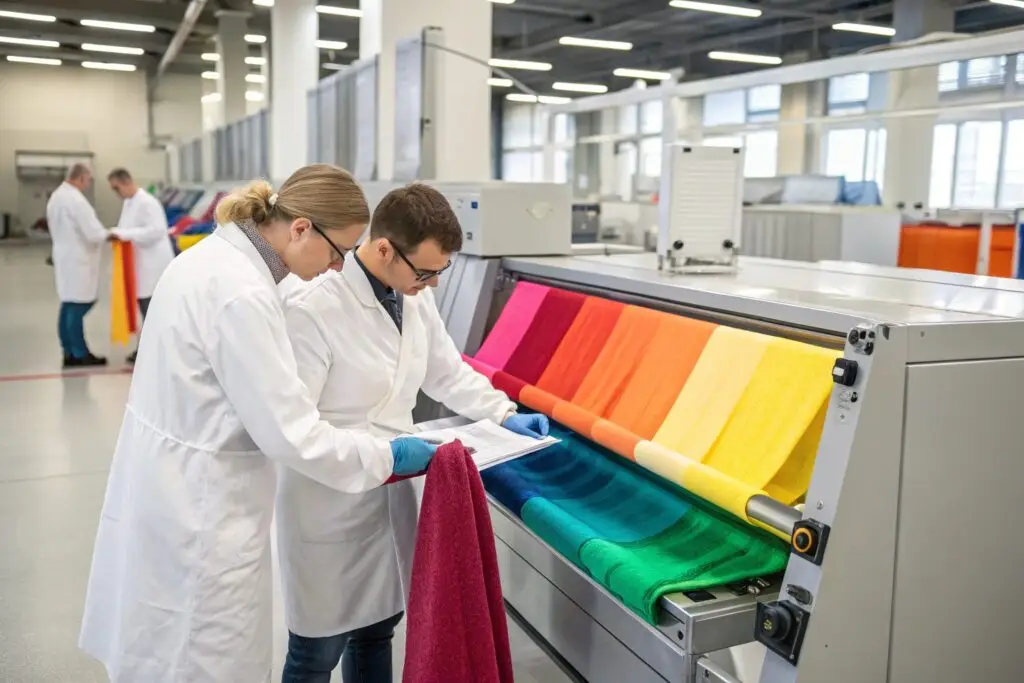
What makes solution-dyed polyester9 superior in both color retention and chemical resistance10 under repeated washing?
The secret is in the fiber construction. Traditional fabric dyeing happens after the fiber is made. Solution-dyeing mixes color pigments into the fiber before extrusion. That means the color becomes part of the fiber itself.
Result? It doesn’t fade easily—even with bleach. For one military contract, we made jackets using solution-dyed poly with 5% spandex. After 100 hot washes, the color difference was less than 3%—invisible to the human eye.
Here's how it stacks up:
| Feature | Regular Poly | Solution-Dyed Poly |
|---|---|---|
| Colorfastness (50 washes) | 5/10 | 9/10 |
| Chemical Resistance | Medium | High |
| UV Resistance | Medium | High |
| Stretch Retention (with spandex) | Low | Very High |
Why is this fabric blend particularly useful for uniforms, kidswear, and athletic gear?
Uniforms and sportswear get washed daily. They need durability without sacrificing comfort. Spandex adds flexibility, while solution-dyed poly keeps them looking new.
For example, a U.S. schoolwear brand we supply wanted pants that don’t wrinkle or lose shape. We developed a blend of 92% solution-dyed poly + 8% spandex. No pilling, no color loss—even after one semester of daily wear.
This material is now our top choice for high-usage items. Whether you're sourcing for hospitals, gyms, or kids' brands, it pays to start with the strongest base.
Conclusion
Durability begins with design. When sourcing, always ask: Will this fabric survive real life? At Fumao Clothing, that’s the first question we solve.
-
Learn about the benefits of polyester-cotton blends, including comfort and durability, to enhance your clothing line's appeal. ↩
-
Explore the advantages of recycled polyester, including its environmental impact and durability, to make informed choices for sustainable fashion. ↩
-
Discover how bamboo fiber blends contribute to both durability and eco-friendliness in clothing, appealing to conscious consumers. ↩
-
Explore how water-based, colorfast inks can enhance the durability of printed designs and improve garment longevity. ↩
-
Learn about the advantages of pre-wash enzyme treatments in enhancing fabric quality and print longevity. ↩
-
Discover effective strategies for designing smart care labels that help consumers maintain their garments and reduce damage. ↩
-
Learn about aloe-treated modal's skin-soothing properties and how it can improve comfort for sensitive skin, boosting customer loyalty. ↩
-
Discover the science behind healing fabrics and their advantages in fashion, which can attract skincare-conscious buyers. ↩
-
Explore the advantages of solution-dyed polyester, including its superior color retention and chemical resistance, essential for durable fabrics. ↩
-
Learn about the factors influencing chemical resistance in fabrics, vital for ensuring longevity and performance in demanding environments. ↩