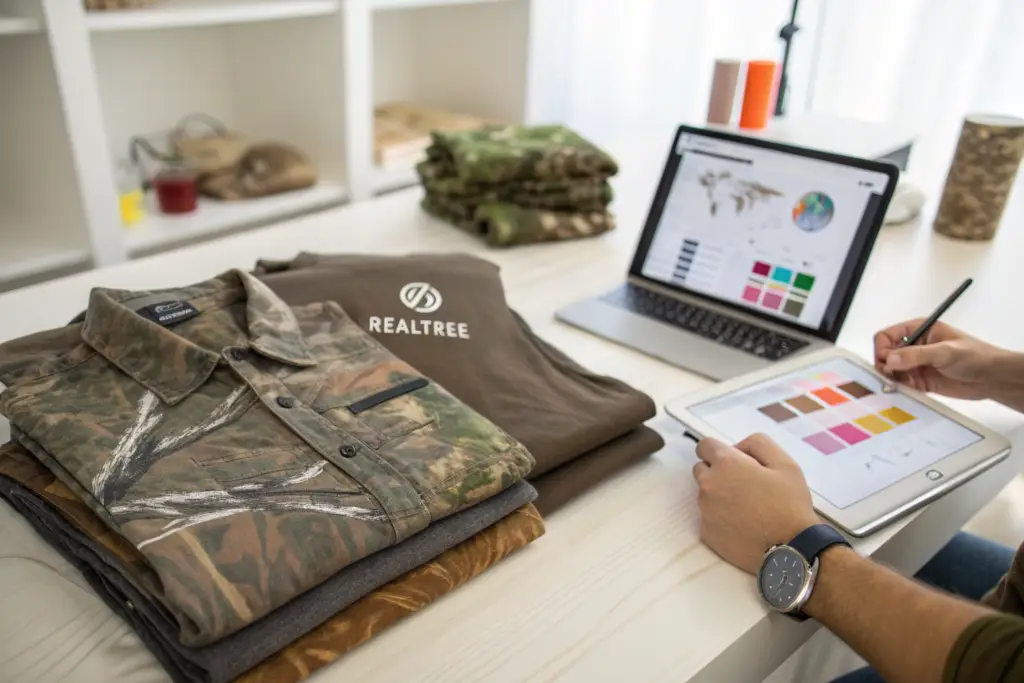
Navigating the world of licensed camouflage fabrics like Realtree can feel like a maze. You know it's a powerful draw for your customers, but the rules around licensing, design, and production seem complex. You might worry about making a costly mistake or delivering a product that doesn't meet the high standards of the brand and your customers. This process doesn't have to be a barrier. With the right partner and knowledge, it becomes a streamlined path to creating high-value, market-ready apparel.
Successfully designing custom logos on licensed Realtree fabric for wholesale requires a clear understanding of the licensing process, strategic logo placement that complements the camo pattern, and collaboration with a manufacturer experienced in handling branded fabrics. The key is to treat the Realtree pattern as an integral part of your design, not just a background, ensuring your logo enhances the garment's overall aesthetic without violating licensing agreements.
Many brands see the value in using recognized camouflage patterns to boost their product's appeal. However, the journey from a design idea to a box of finished, legally compliant wholesale garments involves specific steps. Let's break down this process to make it clear and actionable for your next order.
What are the legal steps to use Realtree fabric for custom apparel?
You cannot simply buy Realtree fabric and start printing your logos. The pattern is a trademarked property, and its use is strictly controlled. Skipping the proper licensing steps can lead to legal action, shipment seizures, and damage to your brand's reputation. The process is designed to protect the integrity of the Realtree brand.
The essential first step is to partner with a garment manufacturer, like us at Shanghai Fumao, who is an authorized licensee or has established partnerships with licensed fabric mills. We handle the compliance on the production side, but you, as the brand, must also obtain approval for your specific design application from the licensor (Realtree) or through our licensed channel. This dual-layer of approval ensures everyone in the chain is authorized.

Why can't I just source Realtree fabric myself?
While you might find rolls of fabric for sale, using them for commercial production without the proper licenses is illegal. Authentic licensed fabric is typically supplied through a controlled chain from mills to approved manufacturers. These mills have agreements with Realtree. When you work with an authorized factory, they source the genuine, licensed fabric and have the rights to cut and sew it. This system guarantees the fabric's quality and authenticity. For more on intellectual property in textiles, the International Trademark Association provides useful resources. A few years ago, a startup brand approached us with their own sourced "camouflage" fabric. After verification, we found it was an unlicensed imitation. Using it would have risked their entire business. We guided them through the proper channel, using authentic licensed material, which solidified their market credibility.
What does the design approval process involve?
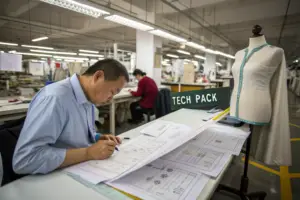
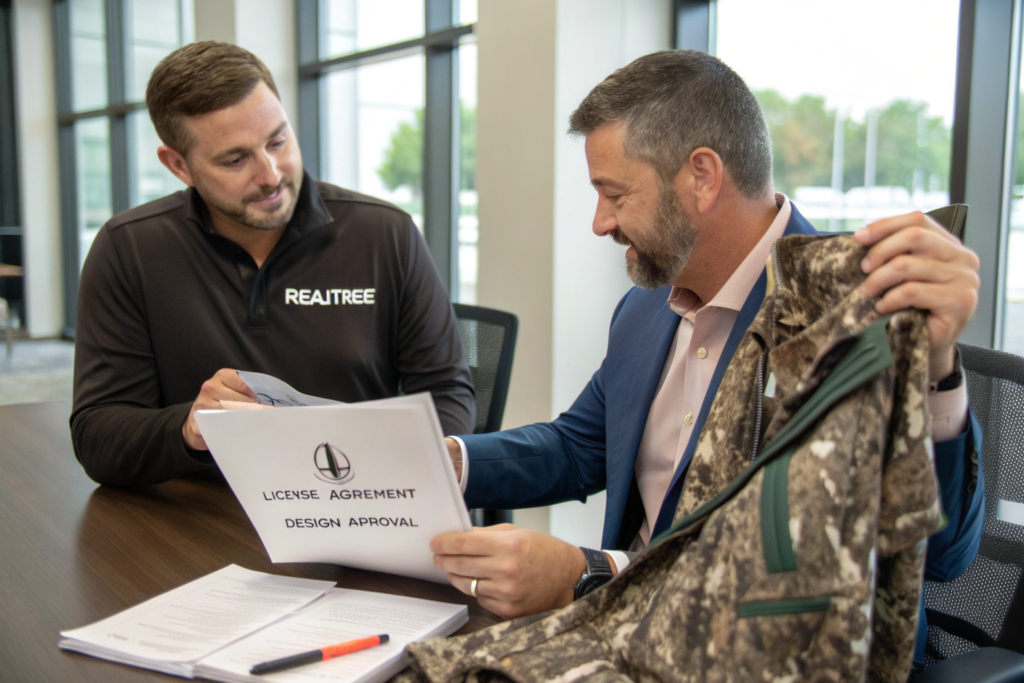
Once you have a manufacturing partner in place, you will need to submit your tech pack and design mock-ups for approval. This usually includes specifying exactly where and how your logo will be applied (e.g., embroidery on the left chest, screen print on the back). The licensor reviews this to ensure your logo and its application do not degrade or improperly alter the recognition of their camouflage pattern. They check for things like logo size, color contrast, and placement. Understanding brand compliance standards is crucial here. We streamline this for our clients by pre-submitting common application methods for pre-approval, which significantly speeds up the process for custom orders.
| Approval Step | Responsible Party | Typical Documentation Required | Purpose |
|---|---|---|---|
| Manufacturer License Verification | Brand (You) / Factory | Factory's license certificate or mill authorization letter. | Confirms legal right to produce garments using the fabric. |
| Design & Logo Application Submission | Brand (You) via Factory | Tech pack, detailed mock-ups, PMS colors, application method details. | Ensures the final product meets the licensor's aesthetic and brand guidelines. |
| Licensor Review & Approval | Licensor (Realtree) | Factory submits on behalf of the brand. | Grants final legal permission for the specific production run. |
How to design a logo that stands out on camouflage patterns?
Camouflage is designed to break up visual outlines, which is the opposite of what you want your logo to do. The challenge is to make your brand mark visible and legible without clashing with the busy pattern. A poorly designed logo can get lost or create visual confusion, diminishing the perceived value of your garment.
The most effective strategy is to create a logo with strong, clean shapes and utilize a solid backdrop or strategic placement. Common techniques include placing your logo on a solid fabric patch that is then applied to the camo, or using embroidery threads in solid, high-contrast colors that sit atop the pattern. The goal is readability from a reasonable distance.
What are the best logo application methods for Realtree?
Not all decoration methods work equally well on textured camouflage fabric. Here are the top choices:
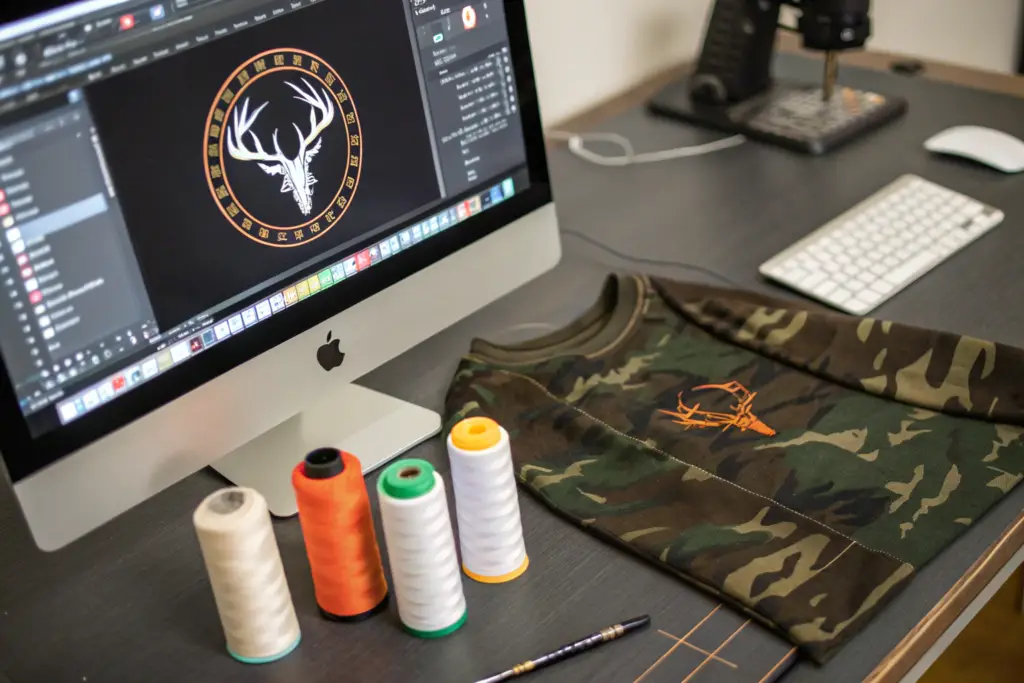
- Embroidery: This is the gold standard for durability and premium feel on outdoor apparel. Using dense, high-quality embroidery in a contrasting thread color (like white, bright orange, or black) makes the logo pop. The physical raised stitches sit above the printed pattern.
- Screen Printing with an Underbase: For larger graphics, a skilled printer will use a thick, solid white underbase layer first to block out the camo pattern beneath, then print your colored design on top. This ensures color vibrancy.
- PVC/Rubber Patches: These are sewn or heat-pressed onto the garment. They offer a modern, textured look and provide a completely solid canvas for your logo, ensuring maximum contrast. The key is expert garment construction to attach these patches securely for the life of the product.
How to choose logo colors and placement?
Color selection is critical. You must analyze the specific Realtree pattern you're using (e.g., Timber, Xtra, etc.) and pick a color that is not dominant in that pattern. For example, on a green-dominant Realtree, a bright orange or crisp white logo will stand out. Avoid using shades of green or brown that blend in. Placement is equally important. The most common and effective spot is the left chest. It's a standard, visible location that doesn't interfere with the main camo aesthetic of the garment. For a bolder statement, a centered back print can work if designed with a sufficient solid underbase. A client of Shanghai Fumao wanted a subtle yet recognizable logo on their hunting hoodies. We advised against their initial grey thread idea and proposed a specific bright orange PMS shade. The final embroidered logo was clearly visible in low-light conditions, which the end-users greatly appreciated, leading to a repeat order for three consecutive seasons.
What are the common production challenges with licensed fabrics?
Moving from an approved design to a bulk production run introduces practical hurdles. Licensed fabrics often have a higher cost and minimum order requirements (MOQs) from the mills. Furthermore, the complexity of working with a patterned fabric requires more careful planning in cutting and sewing to avoid waste and ensure pattern alignment.
The main production challenges include managing higher fabric costs and MOQs, ensuring pattern matching across garment panels (like at the seams of a shirt), and maintaining strict quality control to avoid flaws that would waste expensive material. An experienced manufacturer plans for these issues from the initial costing stage.
How does fabric planning differ from solid color garments?
With solid color garments, you can optimize fabric usage by nesting pattern pieces very tightly. With a directional camouflage pattern, you must also consider the pattern alignment. This means the pattern should flow visually across seams (e.g., from the front shirt panel to the sleeve). This "matching" requires extra fabric because pieces cannot be placed as freely. A good factory will have specialized cutting software and skilled operators to maximize yield while maintaining alignment. This expertise directly impacts your final cost per unit.
Why is in-line quality control absolutely critical?
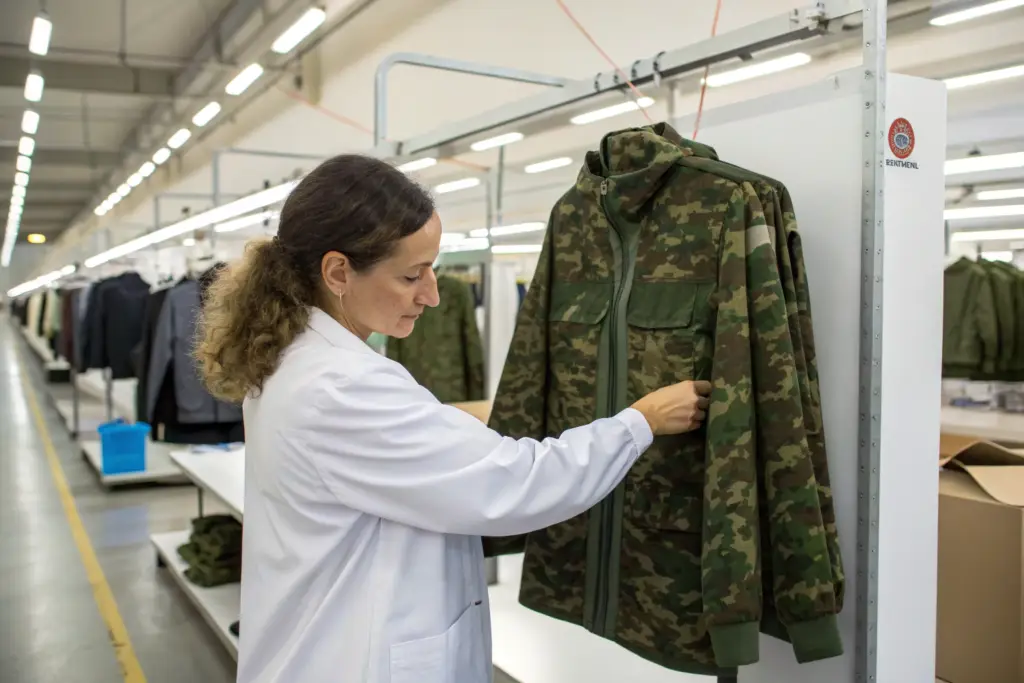
A flaw in a solid-color t-shirt might be minor. A flaw in the middle of a Realtree pattern—like a printing defect, dye spot, or misalignment at a major seam—renders the entire garment unsellable. The high cost of the fabric makes such waste very expensive. Therefore, rigorous quality control checks must happen at multiple stages: upon fabric arrival, after cutting, during sewing, and after logo application. We implement a checkpoint system where any garment with a noticeable pattern mismatch or logo imperfection is pulled for rework or marked as a second. This protects your profit margin. Last year, we produced a large order of Realtree jackets for a European distributor. Our QC team caught a slight but consistent misalignment in the sleeve pattern during the first production sample. We halted the line, adjusted the cutting markers, and absorbed the small cost of the initial fabric. This prevented a much larger loss and potential chargebacks from the client, strengthening our partnership.
How to find a reliable manufacturer for Realtree apparel?
Your choice of manufacturing partner is the single biggest factor in the success—or failure—of your licensed apparel project. The wrong factory can cause licensing headaches, quality disasters, and shipment delays that make you miss your selling season. You need a partner who is both technically proficient and administratively trustworthy.
Look for a manufacturer with verifiable experience producing garments with licensed fabrics like Realtree, Mossy Oak, or NFL/NBA brands. They should openly provide proof of their licensing agreements or authorized mill partnerships. They must also have a transparent process for design approval, sampling, and production. Direct communication and clear contracts are non-negotiable.
What questions should I ask a potential supplier?
Don't just ask about price and MOQ. Dig deeper with these questions:
- "Can you provide documentation of your authorization to use Realtree fabrics?" Ask for a copy of their license or a letter from their fabric mill.
- "What is your process for securing design approval from the licensor?" They should outline the steps and timeline.
- "Can you show me examples of previous Realtree projects you've completed?" Ask for photos or even contact references.
- "How do you handle fabric yield and pattern matching in your cost calculations?" This shows their expertise.
- "What is your quality control process specifically for patterned fabrics?" Listen for details about inspection points.
A trustworthy factory will answer these confidently. Be wary of any that are vague or refuse to provide documentation.
Why is full-package manufacturing with DDP crucial?
For international buyers, especially in the U.S., managing logistics, import duties, and freight can be a major pain point. A full-package manufacturer handles everything from sourcing the correct labels and hangtags to producing the garment and shipping it. Opting for DDP (Delivered Duty Paid) shipping terms means the factory takes responsibility for all costs and risks until the goods arrive at your designated warehouse. This is invaluable. You get a single, all-in price, and you don't have to deal with unexpected customs fees or logistics delays. At Shanghai Fumao, we specialize in this full-package, DDP model for our North American clients. It provides peace of mind and allows brand owners to focus on sales and marketing, not complex international trade logistics. This reliability has been key to our long-term partnerships with brands that value seamless operation.
Conclusion
Designing and producing custom apparel with licensed Realtree fabric is a detailed but highly rewarding process. It transforms standard garments into premium, sought-after products with built-in customer appeal. The journey hinges on respecting the legal framework, applying smart design principles to make your logo stand out, understanding the production nuances, and, most importantly, choosing a manufacturing partner who guides you through each step with expertise and integrity. By mastering these elements, you turn the complexity of licensed fabrics into a competitive advantage for your brand.
If you're looking to bring your vision for high-quality, custom-branded Realtree apparel to market without the typical hassles and risks, we should talk. Our team at Shanghai Fumao is equipped with the licenses, design insight, and production expertise to ensure your project is a success from concept to delivery. For a direct conversation about your next order, please reach out to our Business Director, Elaine. Her email is elaine@fumaoclothing.com. Let's create something great together.