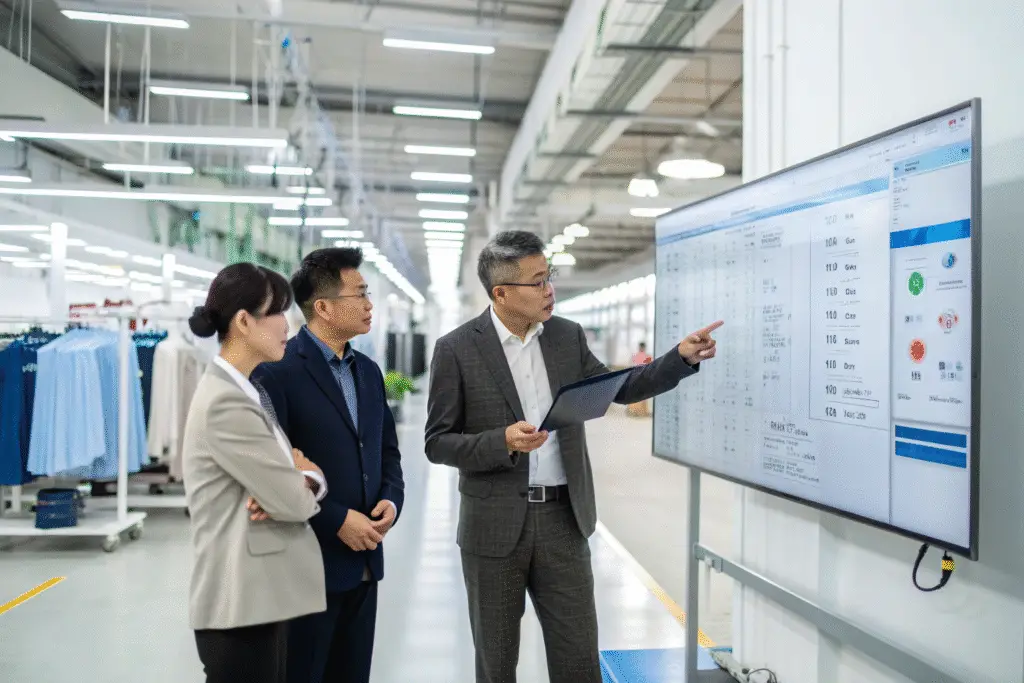
A reliable production schedule is the backbone of any successful apparel line. Without it, even the most brilliant designs can stumble, leading to missed deadlines and lost sales. Many brand owners struggle with unpredictable timelines. They face delays that hurt their business. This article provides a clear roadmap.
A foolproof production schedule acts as your strategic blueprint. It meticulously coordinates every step from initial design to final delivery. This ensures your products hit the market at the perfect time, maximizing your sales potential and protecting your brand's reputation for reliability.
Stick with us to discover the practical steps for building a timeline you can truly count on. We will guide you through a process that minimizes risks and sets your next collection up for success.
What Are The Key Stages In An Apparel Production Timeline?
Understanding the key stages of production is the first step to mastering your schedule. A clear timeline prevents costly mistakes and keeps your project on track. Let's break down the essential phases.
The core stages of an apparel production timeline are product development, pre-production, production, and shipping. This structured process transforms your initial concept into finished goods ready for sale. Each stage has specific tasks and milestones that must be completed before moving to the next.
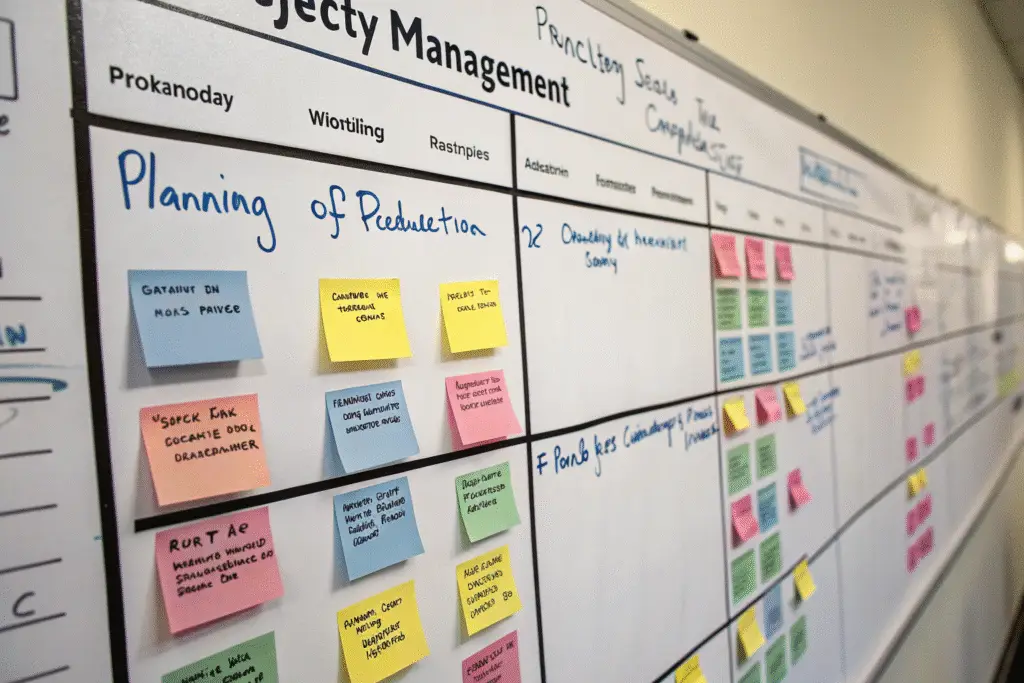
What Happens During The Product Development Phase?
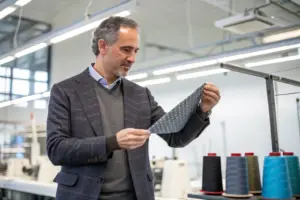
This phase is all about finalizing your design and sourcing materials. It begins with the tech pack creation. A detailed tech pack is crucial. It includes specifications, measurements, and fabric choices. We then move to fabric and trim sourcing. We work with trusted mills to secure the right materials. Sampling comes next. We create a prototype sample for your approval. This sample ensures the design, fit, and quality meet your vision. We make revisions until you are completely satisfied. Finally, we conduct lab tests for fabric quality and colorfastness. This step ensures the materials meet international standards.
How Does Pre-Production Secure A Smooth Process?
Pre-production locks in all the details before cutting begins. We finalize the graded spec sheet for all sizes. We also approve the pre-production sample. This sample is made with the actual production fabrics and trims. It is your final check before mass production. Another critical step is the production pattern making. A perfect pattern is the foundation of a well-fitting garment. We also plan the marker making to optimize fabric usage, which helps control your costs. Once everything is approved, we order all bulk fabrics, trims, and accessories. This phase is about eliminating surprises.
How To Set Realistic Timelines For Each Production Phase?
Setting realistic timelines is what separates a good schedule from a foolproof one. Unrealistic deadlines are a primary cause of failure. Accurate planning builds trust and ensures on-time delivery.
To set realistic timelines, you must account for each task's duration and include buffer time for approvals. Experience with different garment types is key. For instance, complex outerwear requires more time than basic knitwear. Clear communication with your manufacturer about their current capacity is also vital.
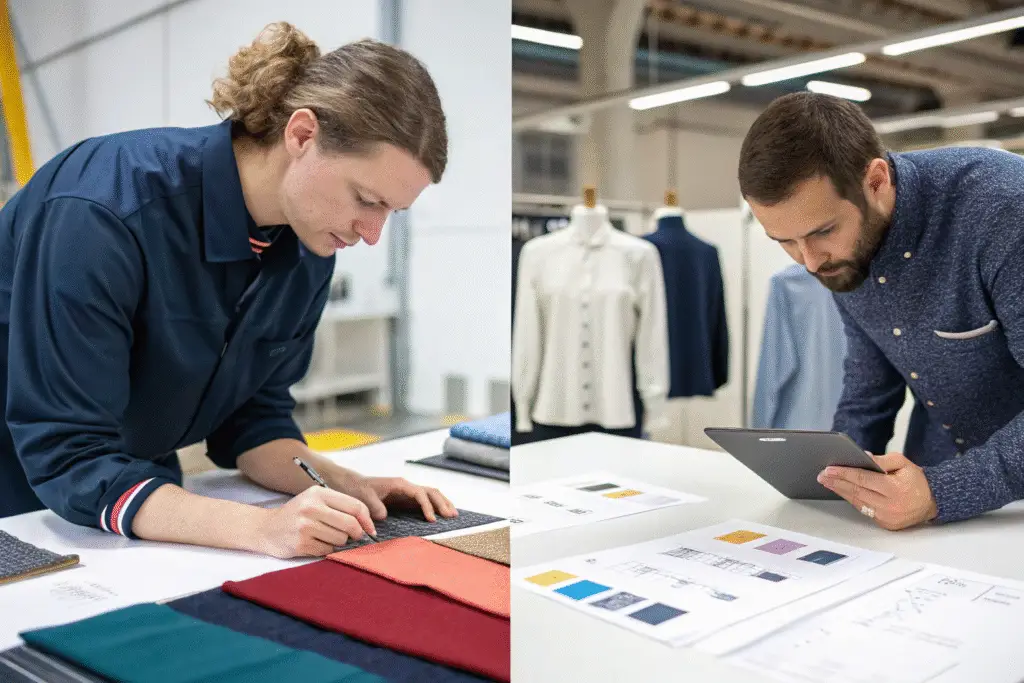
Why Is The Development Phase Often The Most Variable?
The product development phase is variable because it relies heavily on feedback loops. The time needed depends on the number of sample revisions. Each revision round can add days or weeks. The availability of raw materials also impacts the timeline. Sourcing a unique fabric can take longer than using a standard one. Furthermore, the speed of your internal approvals is a major factor. A delayed decision from your side can pause the entire process. We recommend building in extra time for this phase to accommodate these natural iterations without stressing the overall deadline.
What Are The Fixed Vs. Flexible Time Components?
Understanding fixed and flexible time is crucial for planning. Fixed times are activities with a set duration. These include fabric dyeing, shipping transit, and certain quality control checks. For example, ocean freight from China to the USA has a relatively fixed timeline. Flexible times are activities that can be influenced. These include sampling rounds, approval waits, and holiday periods like Chinese New Year, when factories close. The table below illustrates common components:
| Fixed Time Components | Flexible Time Components |
|---|---|
| Ocean Freight Transit | Sample Approval & Revisions |
| Fabric Mill Production | Client Feedback Loops |
| Lab Testing Duration | Holiday Shutdown Periods |
| Final Garment Inspection | Complexity of Design Changes |
What Tools Can Streamline Your Schedule Management?
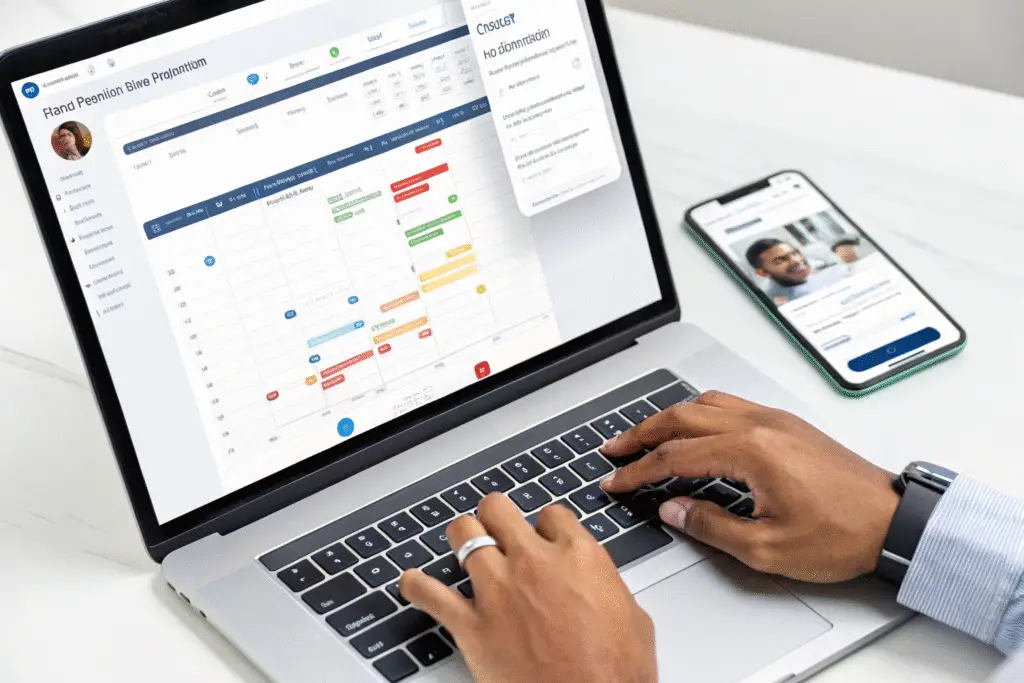
Using the right tools makes schedule management transparent and collaborative. They provide a single source of truth for you and your manufacturer. This prevents miscommunication and delays.
The most effective tools are cloud-based project management platforms and shared Gantt charts. These tools allow for real-time updates and centralize all communication. They give you visibility into the project's status without needing constant email check-ins.
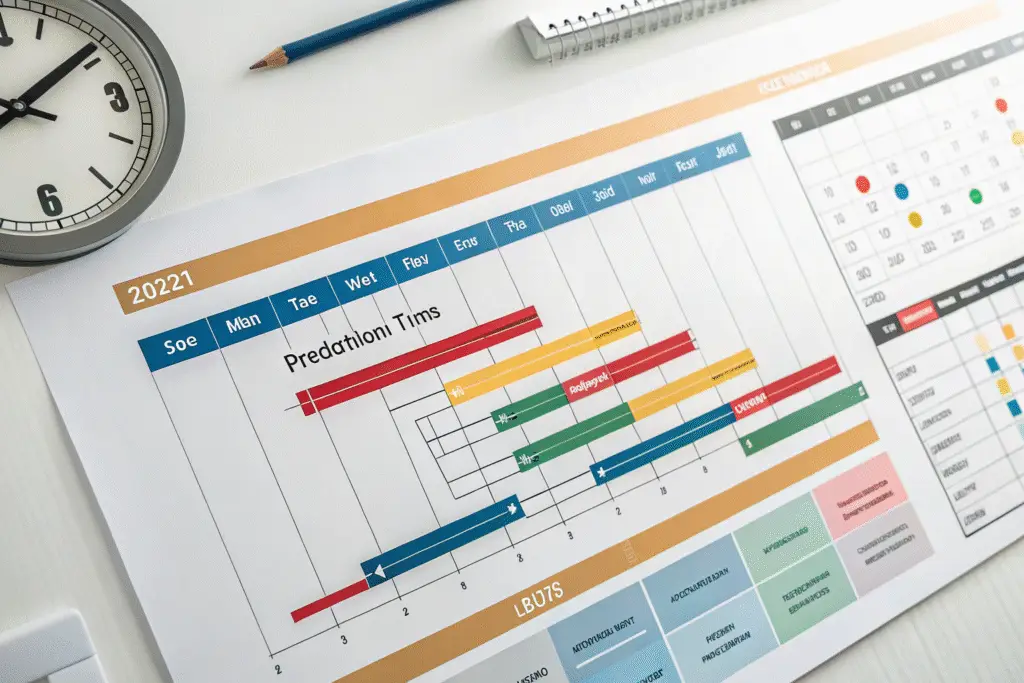
A shared Gantt chart offers a visual roadmap of your entire production schedule. Everyone involved can see task dependencies. If one task is delayed, its impact on subsequent tasks is immediately clear. This visual clarity helps in proactive problem-solving. It also sets clear expectations for approval deadlines. For example, you will know exactly when your feedback on a sample is due to avoid holding up the factory's next steps. This shared visibility builds a stronger, more accountable partnership between your brand and our factory.
Why Is Centralized Communication Non-Negotiable?
Centralized communication is non-negotiable because it eliminates information silos. When all messages, files, and comments are in one place, nothing gets lost in crowded email inboxes. This is critical for tracking approvals and change requests. A platform like Asana or Trello creates a clear audit trail. Everyone knows where to find the latest tech pack or the most recent sample feedback. This system directly addresses a common pain point: inefficient communication with sales reps. It ensures that decisions are recorded and acted upon swiftly, keeping your project on schedule.
How To Build In Buffer For Unforeseen Delays?
A foolproof schedule anticipates problems. Building strategic buffers is not a sign of poor planning; it is a mark of expert planning. It protects your launch date from unavoidable disruptions.
You build buffers by identifying critical path risks and adding contingency time to those specific stages. Common risks include raw material delays, sample revision cycles, and logistical bottlenecks. The goal is to be proactive, not reactive.
What Are The Most Common Production Bottlenecks?
The most common bottlenecks occur in fabric sourcing, sample approvals, and final logistics. Fabric mills can face delays, especially with custom materials. This can halt production before it even begins. The sample approval process can get stuck in a loop if feedback isn't clear or timely. Finally, during peak seasons, shipping lanes can become congested, and container space may be limited. Understanding these common pinch points allows you to build smart buffers where they are needed most, rather than arbitrarily extending the entire timeline.
How Does A DDP Service Model Minimize Your Risks?
Using a Delivered Duty Paid (DDP) model significantly reduces your logistical risks. With DDP, we take full responsibility for the goods until they arrive at your designated warehouse in the USA. This means we manage and buffer against risks like customs clearance delays, freight cost fluctuations, and port congestion. You get a more predictable timeline and cost structure. For you, the importer, it simplifies the process immensely. You don't have to coordinate with multiple freight forwarders and customs brokers. We handle it all, providing you with a single point of accountability and a smoother, more reliable delivery.
Conclusion
A foolproof production schedule is your most powerful tool for a successful apparel launch. It brings clarity, control, and confidence to a complex process. By understanding the key stages, setting realistic timelines, leveraging the right tools, and building in smart buffers, you transform production from a source of stress into a strategic advantage. This disciplined approach directly addresses critical pain points like delayed shipments and communication gaps, ensuring your products arrive on time, every time.
Ready to experience a new standard of reliability in your apparel manufacturing? Let us help you build a bulletproof schedule for your next collection. Contact our Business Director, Elaine, today at elaine@fumaoclothing.com to discuss your project needs and see how we can become your trusted partner from concept to delivery.