A clothing manufacturing kick-off meeting is a critical moment. It sets the tone for your entire production process. Many brand owners feel nervous before this meeting. They worry their vision won't be understood. They fear costly mistakes and delays. This is a common challenge when working with overseas suppliers. The distance, both geographical and cultural, can create a gap between your idea and the final product. But a successful kick-off meeting can bridge this gap.
Effectively communicating your brand vision in a clothing kick-off meeting requires meticulous preparation, clear visual and verbal communication, and establishing a collaborative partnership with your manufacturer. It's about translating your abstract ideas into concrete, actionable instructions that your production team can execute precisely, ensuring your brand's essence is perfectly captured in every garment.
This process is the foundation of a successful order. A clear vision leads to a smooth production, high-quality goods, and on-time delivery. Let's explore the proven strategies to make your next kick-off meeting a resounding success.
How to prepare for a clothing production kick-off meeting?
Preparation is your most powerful tool. You cannot communicate a vision you haven't fully defined yourself. Walking into a kick-off meeting unprepared is the fastest way to misunderstandings and a product that misses the mark. Thorough preparation shows your manufacturer that you are a serious, professional partner. It builds trust from the very first moment.
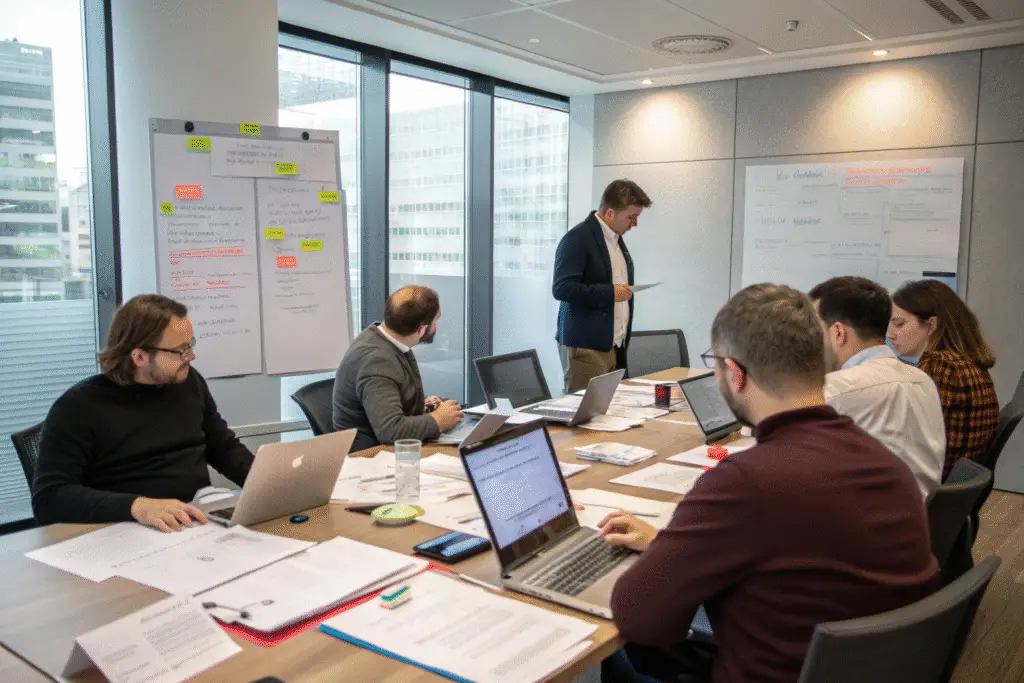
What documents are essential for a manufacturing kick-off?
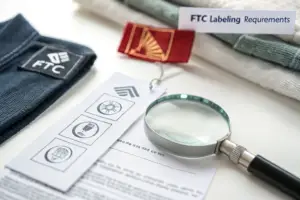
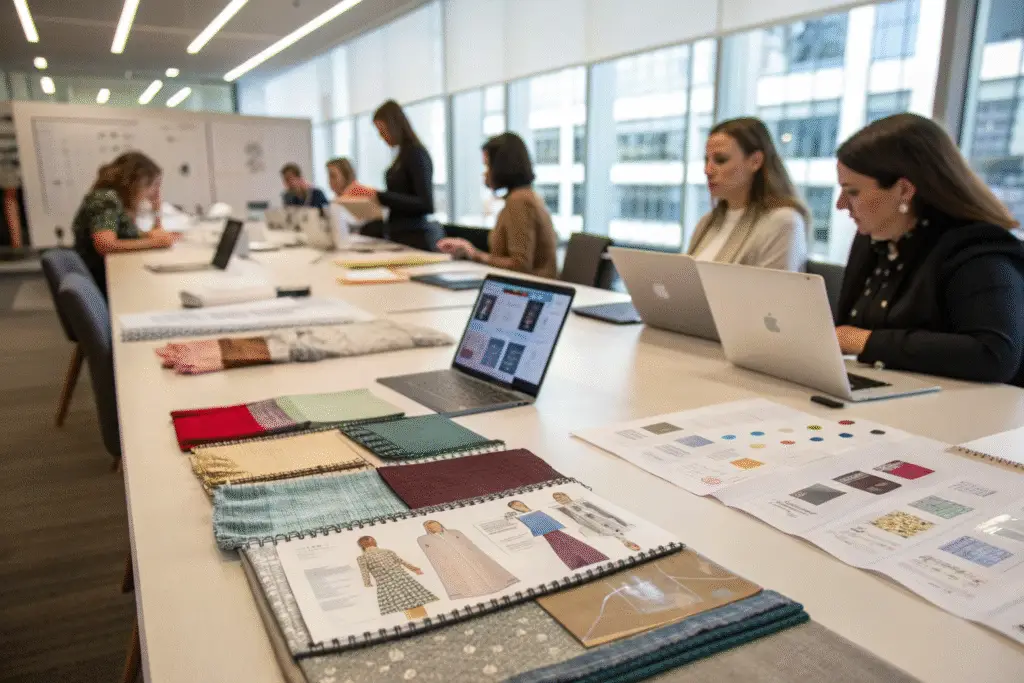
You need to provide a complete information package. This package acts as the single source of truth for your project. The core document is a detailed tech pack. It should include precise sketches, grading specifications, and a full Bill of Materials (BOM). Alongside the tech pack, provide physical reference samples or high-quality photos of similar garments. If you have specific fabric requirements, include swatch libraries or fabric composition details. Clear labeling and packaging instructions are also crucial. This comprehensive documentation leaves no room for ambiguity and ensures everyone is aligned on the technical details.
How can you define your brand's core message?
Before talking about stitches and seams, you must articulate your brand's heart. Who is your target customer? What is your brand's personality? Is it rugged and outdoorsy, or sleek and minimalist? Create a simple brand style guide. This guide can include mood boards, color palettes, and keywords that describe your brand's aesthetic. For example, if your brand stands for sustainable fashion, this is the time to communicate that. This clarity helps your manufacturer understand the "why" behind your designs, enabling them to offer better suggestions on materials and construction that align with your brand's values.
What are the best practices for communicating design ideas?
Clear communication transforms your vision from a concept into a tangible product. It's about using every tool at your disposal to make your ideas unmistakable. Relying solely on words is a risk. Combining verbal explanations with strong visual aids creates a common language between you and your manufacturer, minimizing the chance for errors.
The most effective practice is a multi-sensory approach. Use visuals, samples, and precise language. Don't just describe a "soft hand-feel"; provide a fabric sample that has it. Don't just say "a vibrant red"; use a Pantone number. This method eliminates subjective interpretation and sets a clear, measurable standard for quality.
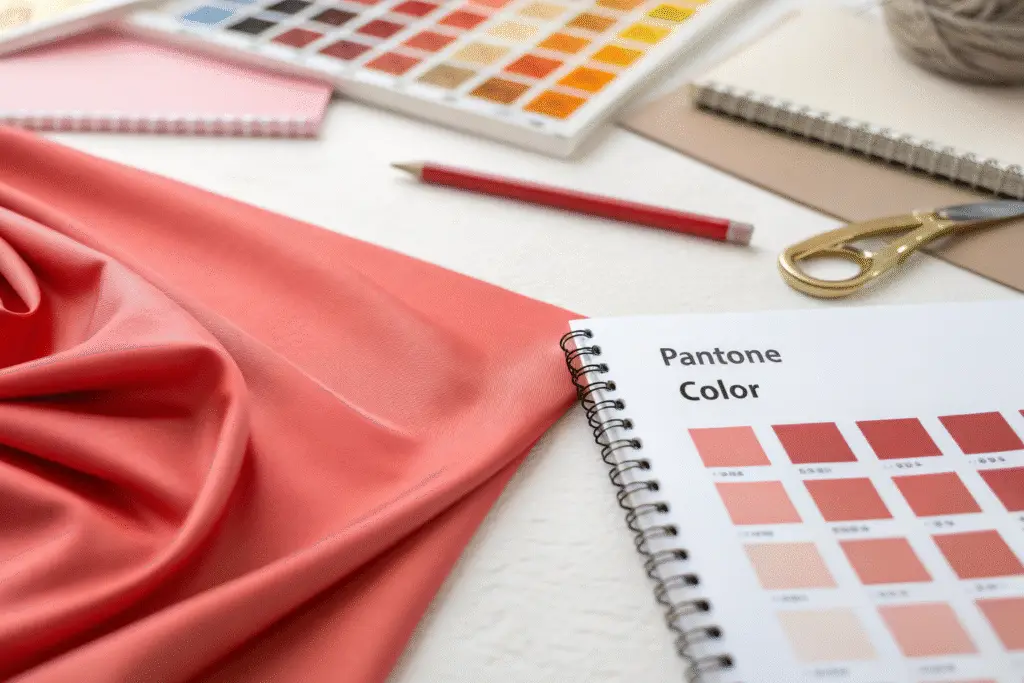
How to use tech packs and samples effectively?
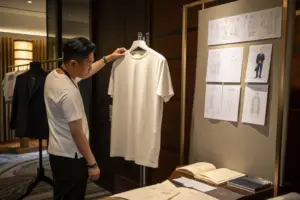
A tech pack is your blueprint, but a sample is the proof. During the meeting, walk through your tech pack line by line. Point out critical construction details, like a specific type of stitch or seam finish. Then, use physical samples to demonstrate what you want. Show a sample of a perfect zipper installation from a previous product. If something is wrong with a prototype, point to the exact flaw. This hands-on, visual feedback is invaluable. It turns abstract comments into concrete corrections that the factory team can immediately understand and action.
The fashion industry is full of terms that can have different interpretations. What you call a "relaxed fit" might be your manufacturer's "standard fit." To avoid this, define your terms. Use industry-standard terminology whenever possible. For instance, instead of "shiny finish," specify "satin weave." If you're unsure of a term, describe it and ask for the correct technical word. Building this shared vocabulary is a key step in fostering clear communication and ensures that your instructions are executed accurately, leading to a final product that truly reflects your brand vision.
How to ensure quality control from the first sample?
Quality cannot be an afterthought; it must be baked into the process from the very beginning. The kick-off meeting is where you set your quality standards. Being vague about quality leads to inconsistencies, rejected shipments, and damage to your brand's reputation. A clear quality framework protects your investment.
You ensure quality from the start by defining measurable standards and inspection protocols. Discuss your quality control benchmarks upfront. Agree on the Acceptable Quality Limit (AQL) for final inspection. Explain the specific points you will check on the prototype and pre-production samples. This proactive approach aligns expectations and prevents disputes later.
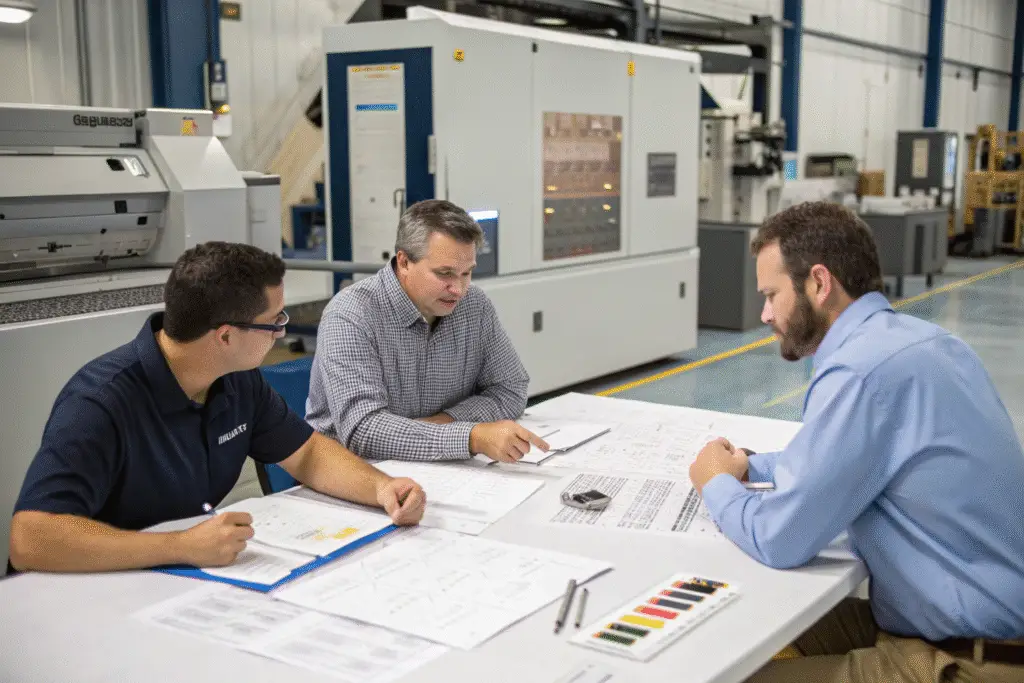
What key points should a prototype checklist include?
Your prototype checklist should be exhaustive. It must cover fit, fabric, construction, and trims. Create a table for clarity:
| Checkpoint Category | Specific Items to Inspect |
|---|---|
| Fit & Dimensions | Compare measurements against tech pack specs. Check ease and silhouette on a fit model. |
| Fabric | Verify weight, composition, color, and hand-feel against approved swatches. |
| Construction | Examine stitch quality, seam type, and strength. Check for any puckering. |
| Trims & Hardware | Confirm the correct zippers, buttons, and labels are used. Test their function. |
This checklist provides a structured way to give feedback and ensures no detail is overlooked.
How to align on logistics and production timelines?
A perfect garment is useless if it arrives late. The kick-off meeting is the time to align on a realistic production timeline. Discuss each milestone: prototype approval, fabric sourcing, pre-production sample, mass production, and final inspection. Confirm the lead time for each stage. Be clear about your deadline and the consequences of missing it, like missing a selling season. Discuss logistics arrangements—whether you are using FOB or DDP terms—to ensure a smooth journey from the factory floor to your warehouse. This clarity keeps the project on track.
How to build a strong relationship with your manufacturer?
View your manufacturer not just as a vendor, but as a strategic partner. A strong, collaborative relationship is your greatest asset in the apparel industry. It leads to better communication, more flexibility when challenges arise, and a team that is genuinely invested in your brand's success.
Building a strong relationship is founded on clear communication, mutual respect, and reliability. Be a professional and organized client. Pay your deposits on time. Provide clear feedback. Treat the factory team with respect. This fosters a positive working environment where both parties are motivated to do their best work.

Why is choosing the right sales representative crucial?
Your sales rep is your lifeline to the factory. An inefficient or unresponsive rep is a major pain point for buyers like Ron. You need a representative who understands your vision, responds quickly, and provides honest updates. At Fumao Clothing, we empower our Business Directors, like Elaine, with the authority to make decisions and solve problems swiftly. A good rep will proactively communicate potential delays, help navigate certification requirements, and act as your true advocate inside the factory, ensuring your voice is heard and your concerns are addressed promptly.
What are the benefits of a long-term manufacturing partnership?
A long-term partnership yields significant benefits. You gain cost efficiency as the factory learns your preferences and streamlines processes. The quality becomes more consistent. There is a higher level of trust, which often leads to more flexible payment methods and priority production slots during busy seasons. The manufacturer becomes an extension of your own team, offering valuable insights on fabric sourcing and production techniques that can improve your product and profitability. This stability is invaluable for the sustainable growth of your apparel brand.
Conclusion
Communicating your brand vision in a clothing kick-off meeting is a deliberate process. It hinges on your preparation, your clarity in communicating designs, your rigor in setting quality standards, and your commitment to building a true partnership. By following these steps, you transform a potentially stressful meeting into a powerful launchpad for a successful product line. You ensure that your brand's story is woven into every single garment you produce.
If you are an established brand looking for a reliable manufacturing partner that prioritizes clear communication and on-time delivery, we should talk. Let's schedule your next kick-off meeting. For a direct conversation on how we can help bring your apparel visions to life, please contact our Business Director, Elaine, at elaine@fumaoclothing.com. We are here to be your trusted partner in manufacturing.