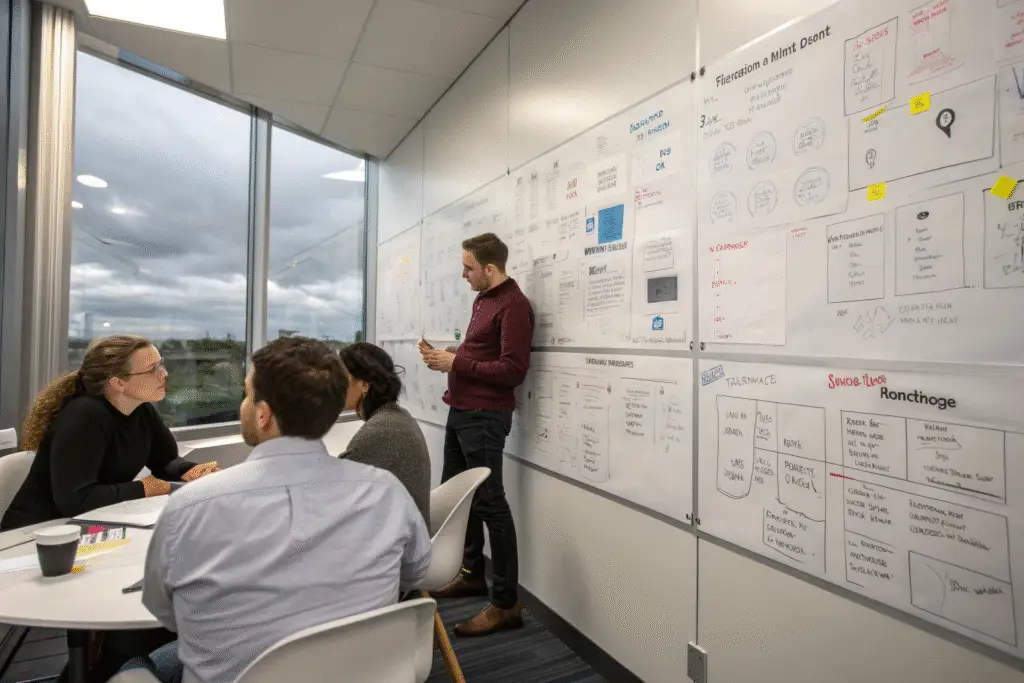
You've approved the production estimate and manufacturing is scheduled to begin, but now you've realized a design improvement or need to adjust something based on sample feedback. How do you communicate these changes without derailing your timeline or encountering unexpected costs? What's the professional approach to managing post-estimate design modifications?
Communicating design changes after the initial estimate requires a structured approach that respects the manufacturer's planning while clearly articulating your modifications. The most effective method involves providing comprehensive documentation, understanding the cost and timeline implications, and maintaining open communication about your change priorities. Successful design change management balances your creative vision with practical manufacturing constraints, ensuring modifications enhance your product without compromising your production schedule or budget.
Let's explore the professional protocols for communicating design changes that maintain strong manufacturer relationships while achieving your product improvement goals.
What Documentation Is Essential For Design Changes?
Proper documentation ensures your design changes are implemented accurately and provides clear reference points for cost and timeline adjustments.
Comprehensive change documentation prevents misunderstandings and establishes a formal record for your production file.
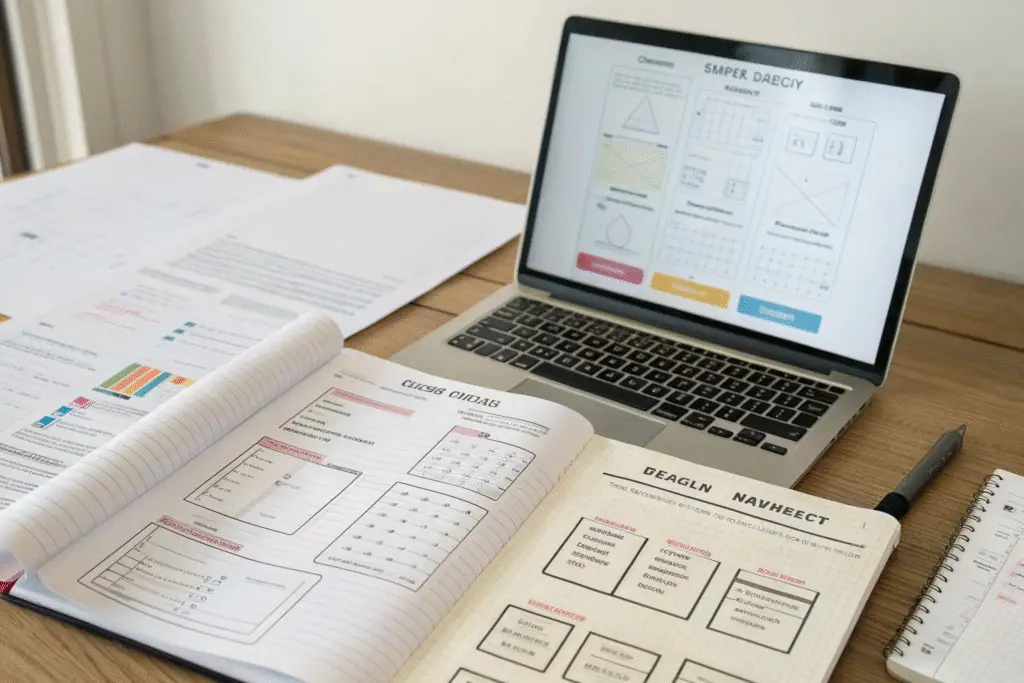
What should a design change package include?
A professional design change package should include updated technical sketches, specific modification descriptions, reference images, and clear revision markers on original documents. We provide clients with a design change template that captures all essential information. A sportswear brand recently used this system to modify their jacket sleeve construction, providing updated pattern pieces, stitch detail photos, and specific measurement adjustments that enabled us to accurately quote the changes within 48 hours.
How do technical packs facilitate change communication?
Updated technical packs with revision clouds and change summaries provide the clearest communication method for design modifications. Using digital technical pack tools that track revision history helps both parties reference the exact changes being implemented. A contemporary womenswear brand switched to this method after a verbal change request resulted in misinterpreted sleeve length adjustments, causing a costly sampling revision that proper documentation would have prevented.
What Is The Professional Process For Requesting Changes?
Following a structured process for design change requests ensures your manufacturer can properly evaluate implications and provide accurate revised estimates.
A formal change request protocol protects both parties from misunderstandings and unexpected consequences.
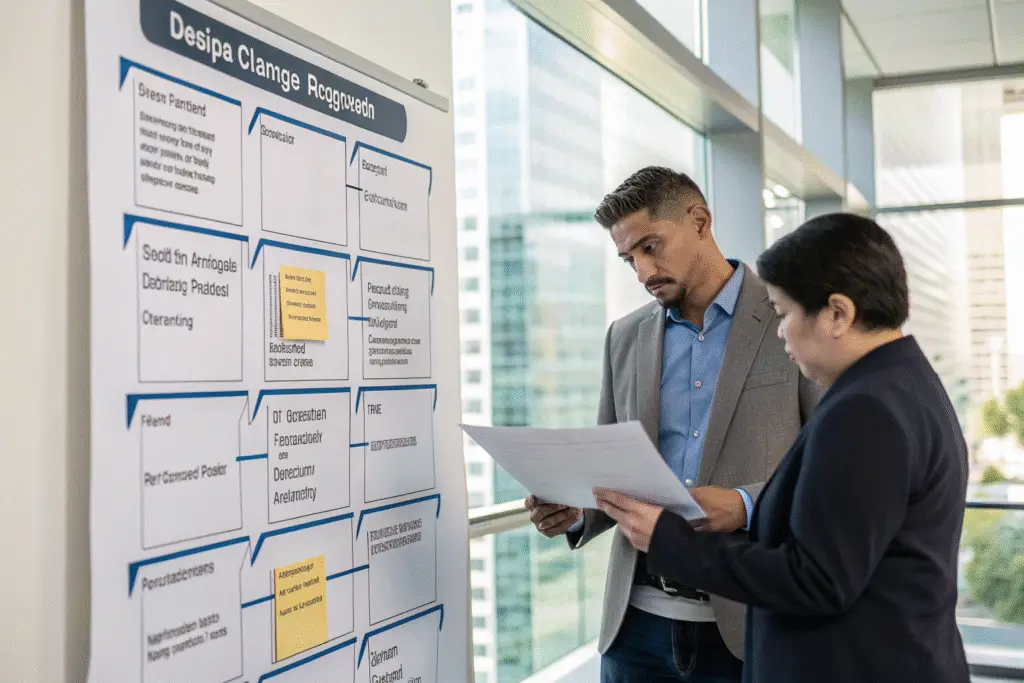
When should you submit a formal change request?
Submit formal change requests immediately upon identifying modifications, providing as much lead time as possible before production begins. We implement a tiered change system: no-cost minor revisions during the sampling phase, moderate-cost changes before fabric cutting, and higher-cost changes once production has commenced. A denim brand successfully navigated this process by submitting all their fit adjustments during the second sample stage, minimizing cost impacts while achieving their perfect fit.
What information should your change request contain?
A comprehensive change request should include the specific change description, reason for modification, priority level, and your ideal implementation timing. We recommend using the "what, why, when, how" framework for all change communications. An accessories brand used this method to request handle length modifications, clearly explaining the ergonomic improvement goal and their flexible implementation timeline, which helped us accommodate the change without schedule disruption.
How Do Design Changes Impact Your Production Costs?
Understanding how different types of design changes affect your production estimate helps you evaluate whether modifications justify their financial impact.
The cost implications vary significantly based on change timing, complexity, and manufacturing stage.

What types of changes typically increase costs most?
Material changes, pattern modifications, and construction complexity increases typically have the highest cost impact. Switching from woven to knit fabric after estimation might increase costs by 15-25%, while adding new design elements like custom embroidery could add $2-8 per garment. A luxury brand learned this when requesting additional seam detailing on their trousers after production began, resulting in a 12% cost increase due to pattern remaking and additional labor.
How does change timing affect cost implications?
The cost of changes increases dramatically as production progresses, with the most significant cost jumps occurring after fabric cutting begins. Our change cost analysis shows that modifications during sampling typically cost 15-30% of the original estimate impact, while changes during production can cost 200-400% of the original impact due to rework and disruption. A fast-fashion brand implements a "change freeze" date two weeks before production begins to avoid these cost multipliers.
What Timeline Impacts Should You Expect From Design Changes?
Design modifications inevitably affect your production schedule, but the extent varies based on change complexity and implementation timing.
Understanding these timeline implications helps you plan your changes strategically.
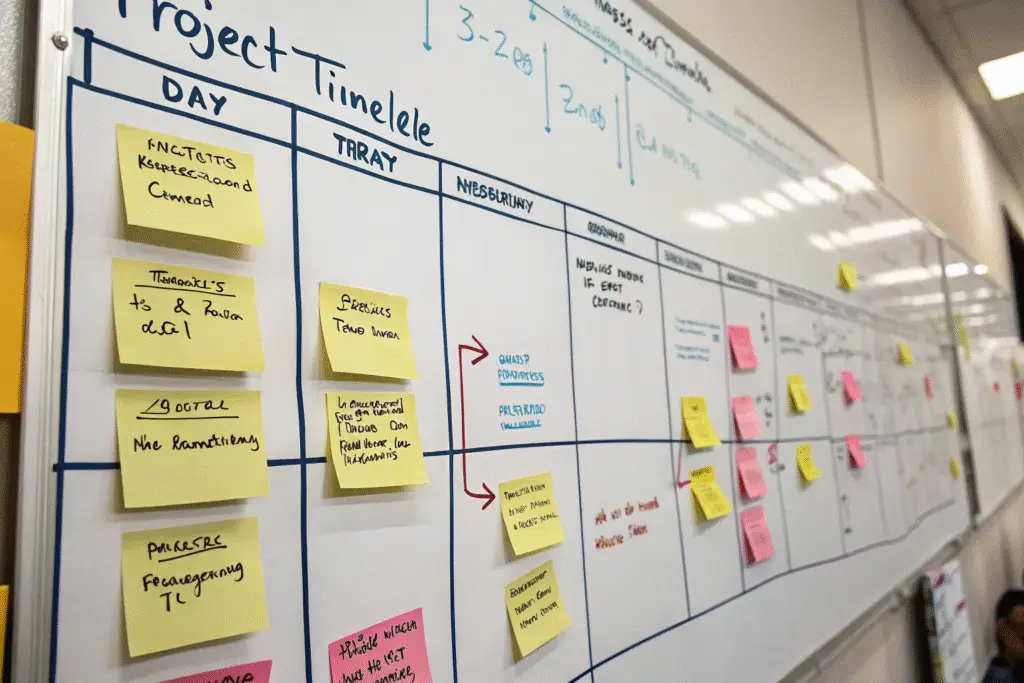
How do different changes affect production schedules?
Material changes typically have the longest timeline impact due to resourcing lead times, while design element modifications might add 3-10 days depending on complexity. We provide clients with a change impact assessment that estimates timeline extensions for different modification types. An outdoor gear brand used this assessment to prioritize their changes, implementing critical safety modifications immediately while scheduling aesthetic improvements for their next production cycle.
What is the typical delay for common modifications?
Simple changes like color updates or trim substitutions might cause 3-7 day delays, while pattern modifications or construction changes typically add 7-21 days. Complex changes requiring new materials or equipment can extend timelines by 4-6 weeks. A children's wear brand experienced this when adding new safety features required additional testing certification, adding 18 days to their timeline but preventing potential compliance issues.
How Can You Minimize Negative Impacts Of Design Changes?
Strategic approaches to design modifications can reduce both cost and timeline impacts while still achieving your product improvement goals.
Planning changes carefully and understanding manufacturing constraints helps minimize disruption.

Grouping changes into comprehensive packages rather than submitting them individually significantly reduces administrative and implementation costs. We encourage clients to maintain "change lists" that accumulate modifications for batch processing. A sustainable brand reduced their change implementation costs by 40% by collecting modifications for weekly review rather than submitting them individually as they arose.
How does change prioritization help manage impacts?
Categorizing changes as "critical," "important," or "optional" helps manufacturers allocate resources effectively. We use a priority matrix system that evaluates changes based on cost, timeline impact, and quality improvement. A technical apparel brand successfully used this system to implement urgent performance enhancements while deferring aesthetic modifications to their next production cycle.
What Communication Tools Facilitate Change Management?
Using the right communication tools and methods ensures your design changes are understood and implemented correctly, especially when working across different time zones and languages.
Modern communication platforms have significantly improved change management efficiency.

What digital tools support change communication?
Cloud-based specification platforms, video conferencing for detailed discussions, and digital markup tools all enhance change communication clarity. We use shared digital workspaces where clients can directly annotate technical drawings and track change status. A remote activewear brand found this system reduced their change implementation errors by 65% compared to email-based communication.
How do visual references improve change accuracy?
Photographs, video demonstrations, and physical sample markups provide unambiguous change references that prevent misinterpretation. We encourage clients to send video explanations for complex modifications. A luxury brand sending video demonstrations of their desired drape adjustments achieved perfect implementation on the first revision, avoiding the multiple sample cycles that typically accompany such nuanced changes.
How Should You Handle Cost Negotiations For Changes?
Design changes often require cost adjustments, and approaching these negotiations professionally maintains strong manufacturer relationships while ensuring fair pricing.
Understanding what constitutes reasonable change costs helps you evaluate revised estimates.

What factors determine change cost reasonableness?
Change costs should reflect actual additional materials, labor, overhead, and any disruption to scheduled production. We provide transparent change cost breakdowns that itemize each cost component. A contemporary brand used these breakdowns to understand why their seemingly simple design modification carried significant costs due to pattern remaking and production line recalibration.
How can you negotiate change costs effectively?
Focus negotiations on understanding cost drivers rather than simply challenging the total, and explore alternative implementation methods that might reduce expenses. We often work with clients to identify approaches that achieve their design goals through more cost-effective methods. A startup brand wanting to add specialty stitching found that a similar visual effect could be achieved through a more production-friendly technique at 40% lower cost.
Conclusion
Communicating design changes after the initial estimate requires a balanced approach that respects manufacturing constraints while pursuing product improvements. By providing comprehensive documentation, understanding cost and timeline implications, using effective communication tools, and negotiating changes professionally, you can successfully implement design modifications that enhance your product without derailing your production. The most successful brands view design changes as collaborative improvements rather than unilateral directives, working with their manufacturers to find solutions that achieve creative goals while maintaining production efficiency.
If you're anticipating design changes or need to modify an existing production estimate, following structured communication protocols ensures the best outcomes for your project. At Fumao Clothing, we've developed efficient change management systems that accommodate design evolution while protecting production timelines and budgets. Contact our Business Director, Elaine, at elaine@fumaoclothing.com to discuss how we can help manage your design changes effectively while maintaining your production schedule and quality standards.