As a supplier who has received everything from perfect tech packs to vague emails saying "make it safe," I can tell you that clear communication is the single most important factor in getting what you actually need. Misunderstandings here don't just lead to wrong colors; they lead to failed shipments, recalls, and broken partnerships. Communicating chemical safety isn't about using jargon—it's about creating an unambiguous, actionable framework for your supplier.
To effectively communicate chemical safety requirements to your apparel supplier, you must move beyond verbal assurances and provide a clear, written, and legally referenced set of standards—primarily through a detailed Technical File that includes a Restricted Substances List (RSL), explicit certification mandates, and standardized test report requirements—ensuring both parties are aligned on verifiable outcomes, not just intentions. Clarity prevents crisis.
Here is a step-by-step guide, from the supplier's perspective, on what we need from you to guarantee compliance and build a successful, long-term partnership.
What Must Be in Your Core "Technical File"?
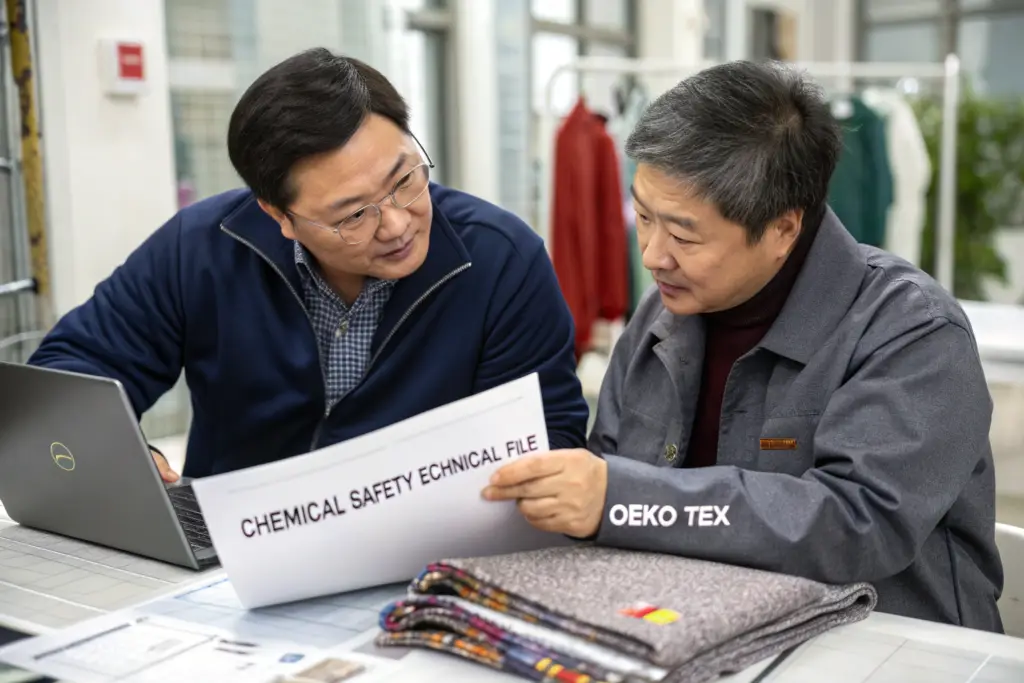
The Technical File is your instruction manual. It should be a living document attached to every Purchase Order (PO). A generic "must be safe" note is useless. Specificity is power.
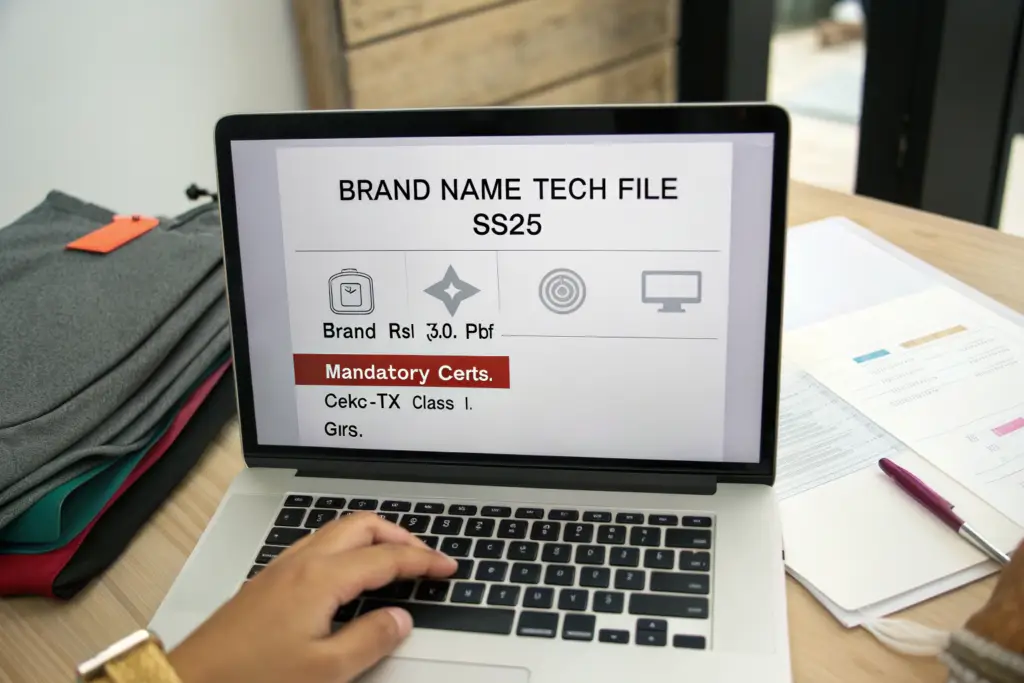
Your core Technical File must include your brand's official Restricted Substances List (RSL), the specific certifications required for the final garment and/or components, the acceptable test methods and laboratories, and clear labeling/marking instructions for certified goods. This file is your contractual quality baseline.
How to Structure Your Brand's RSL?
Your RSL shouldn't be invented from scratch. Base it on a globally recognized standard and then add your own specific prohibitions.
- Adopt a Foundation: State, "Our RSL is based on the latest OEKO-TEX STANDARD 100 limit values for Article Class II (or I), with the following additions/modifications."
- List Critical Substances: Clearly tabulate substances like Formaldehyde, Azo dyes, Phthalates (DEHP, DBP, BBP, etc.), PFAS/PFCs, Heavy Metals (Cadmium, Lead, etc.), with your specific limits (often "ND" - Not Detected).
- Reference Test Methods: Specify the test methods you accept (e.g., "Formaldehyde to be tested via ISO 14184-1:2011").
- State Consequences: Include a clause: "Failure to meet this RSL will result in order rejection and full cost liability at the supplier's expense."
This approach is professional and gives the factory a clear, actionable checklist to use with their mills. Sending a one-page RSL PDF is infinitely better than a five-paragraph email.
Why Must You Specify Certifications for Final Garment?
This is critical. You must state: "The final finished garment must be certified to OEKO-TEX STANDARD 100, Article Class [I/II], and a valid certificate must be provided before shipment." Do not just ask for "certified fabric."
- The "Final Garment" requirement covers every component: thread, buttons, zippers, interlining, prints, and any washes.
- It makes the factory the single point of accountability.
- It prevents the "certified fabric, toxic trim" loophole.
A client of ours once only specified "GRS Recycled Fabric." We, as a responsible factory, used GRS fabric but also ensured the final garment was OEKO-TEX certified. Their competitor, using another factory, got GRS fabric but with non-compliant dyes and failed a retailer's test. The difference was the specificity of the requirement.
How to Use the Purchase Order as a Legal Enforcer?
The Purchase Order (PO) is a binding contract. Its terms must explicitly reinforce the Technical File. Ambiguity here is your biggest risk.
Use the Purchase Order as a legal enforcer by including specific clauses that mandate compliance with the attached Technical File, require pre-shipment submission of all test reports and certificates, and grant the right to audit and reject non-conforming goods at the supplier's cost. The PO translates your standards into contractual obligations.
What Are the Three Essential PO Clauses?
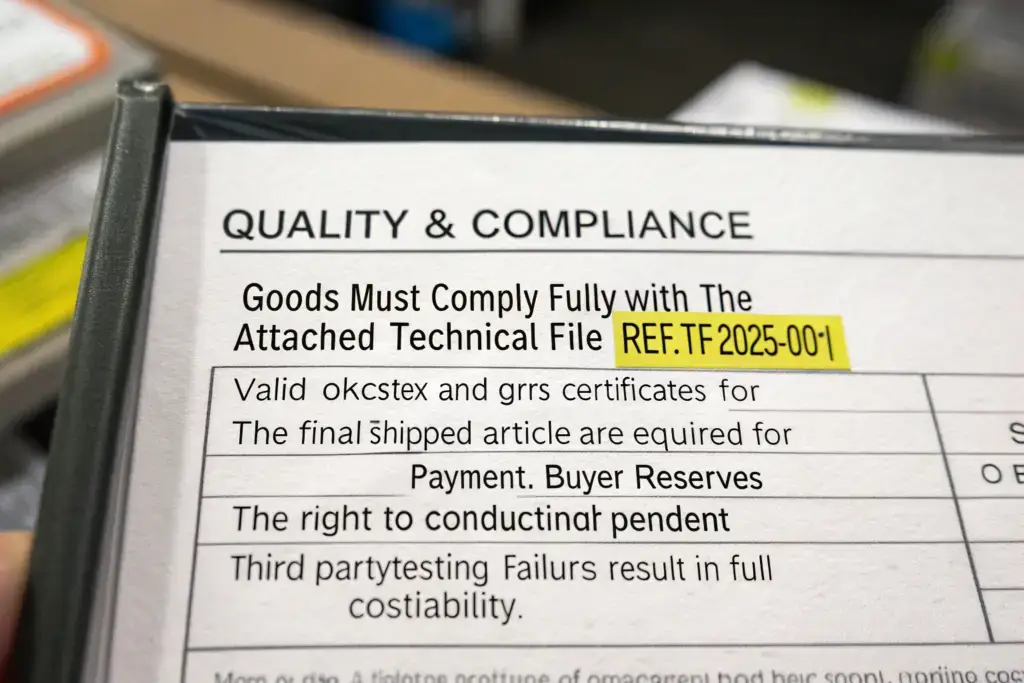
- Compliance Incorporation Clause: "All specifications, including chemical safety and certification requirements detailed in the attached Technical File [Document #], are incorporated into and form a material part of this Purchase Order."
- Documentation Delivery Clause: "Payment is contingent upon the provision of a complete inspection report and valid, product-specific OEKO-TEX/GRS certificates prior to shipment."
- Testing Rights Clause: "Buyer may select samples from any production lot for testing at an accredited third-party lab. Any test failure constitutes a breach of contract."
These clauses shift the responsibility for proof onto the supplier and give you clear recourse. We respect buyers who have these terms; it shows they are serious and professional, which makes us invest more care in their orders.
Should You Require Pre-Production Sample Testing?
For new suppliers or new high-risk product categories (e.g., waterproof jackets with laminates), yes. A clause should state: "A pre-production (PP) sample, made with bulk materials, must be submitted for approval and may be sent for laboratory testing at the buyer's discretion. Production may not commence without written PP sample approval." This catches issues before 10,000 pieces are made. At Shanghai Fumao, we often facilitate and pay for this initial test as a gesture of confidence, providing the report with the PP sample.
What is the Role of Direct, Technical Dialogue?
While documents are king, direct conversation with the factory's technical team (not just the sales rep) is irreplaceable. This is where you assess their understanding and capability.
The role of direct, technical dialogue is to verify the factory's comprehension of your requirements, discuss feasible solutions for challenging specifications, and establish a direct line of communication for problem-solving during production, building a partnership based on competence rather than just commerce. Talk to the people who execute.
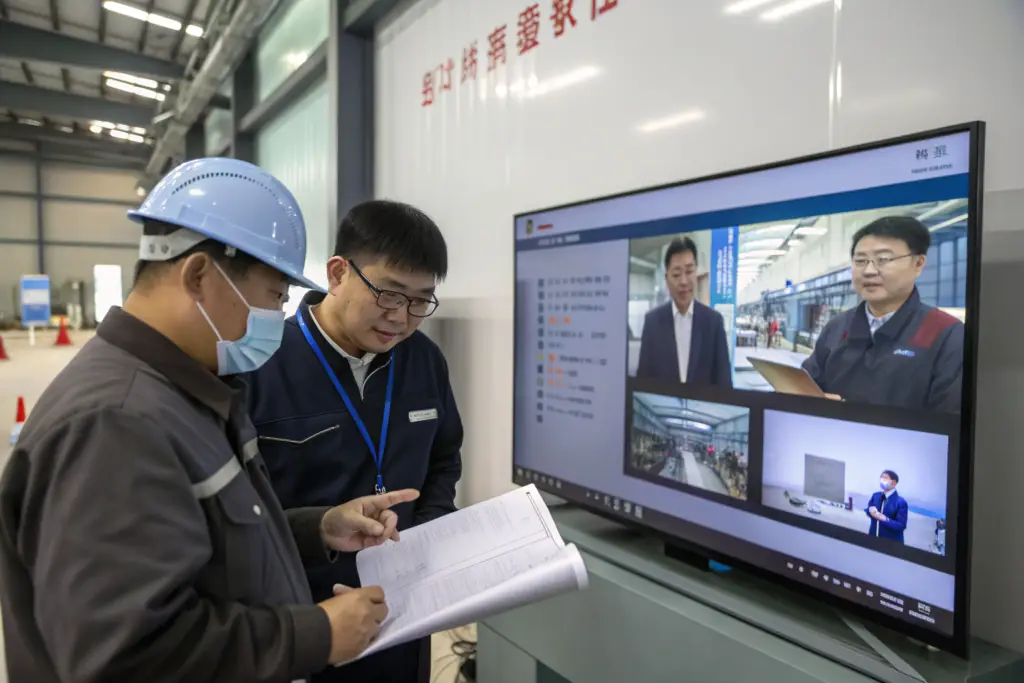
What Questions Should You Ask the Factory's QC Manager?
Go beyond "Can you do it?" Ask process-based questions:
- "How do you ensure that all trims (like zippers and threads) used in our OEKO-TEX order are also certified?"
- "What is your procedure if an incoming batch of certified fabric fails your internal spot check?"
- "Can you walk me through your material segregation process for certified vs. non-certified production?"
Their answers will reveal if they have a system or are just hoping for the best. A competent factory will have clear, documented procedures. For example, when asked about trim control, we show our digital Approved Vendor List dashboard, where each component is tagged with its certificate status.
How to Handle a Supplier's Pushback on Cost or Feasibility?
If a supplier pushes back, don't immediately abandon the requirement. Probe:
- "Is the challenge the cost, or sourcing the compliant material?"
- "Can you provide a cost breakdown for the certification premium?"
- "Do you have an alternative certified material or component that meets the same performance?"
This dialogue can lead to solutions. A brand once insisted on a specific, expensive Italian fabric that wasn't certified. We worked with them to find a Korean mill producing an equivalent certified fabric at a 20% lower cost. The conversation saved their margin and met the safety goal.
How to Verify Compliance Before and After Shipment?
Communication doesn't end when the PO is signed. You need a verification plan. Trust, but verify.
Verify compliance by insisting on receiving and validating all test certificates before shipment, conducting periodic in-process inspections (IPS) that include document checks, and reserving the right for post-shipment spot testing, creating a layered verification system that catches issues at the earliest, least costly stage. Your vigilance ensures their diligence.
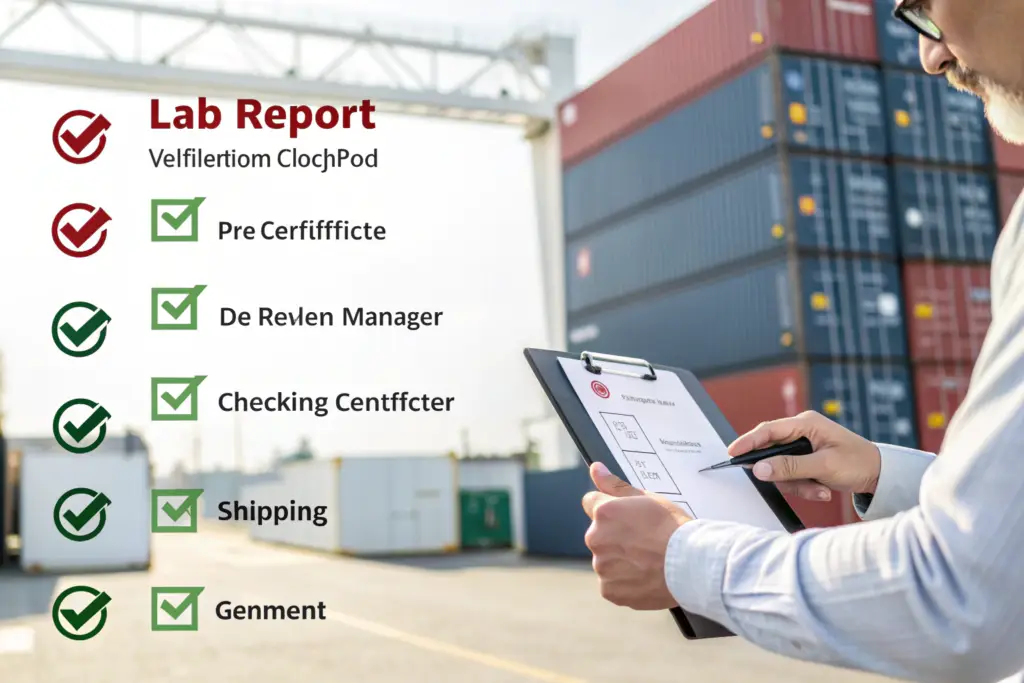
What to Look for When Validating a Certificate?
When the factory sends an OEKO-TEX certificate, don't just file it. Verify:
- Certificate Number: Use the free OEKO-TEX CertCheck online database.
- Applicant Name: Is it the factory you contracted with, or a mill? A mill certificate is not enough.
- Article Description: Does it match your product (e.g., "Men's Golf Polo," not just "Knitted Fabric")?
- Validity Date: Is it current?
- Testing Institute: Is it from a reputable body like Hohenstein or TESTEX?
We encourage our clients to do this. It builds mutual trust. We once had a client find a discrepancy in a sub-supplier's certificate through CertCheck, which allowed us to rectify the issue before production, protecting both of us.
What Should an In-Process Inspection (IPS) Include?
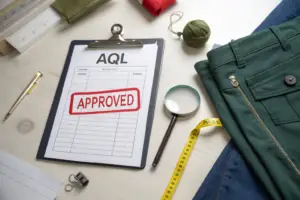
Hire a third-party inspection firm (like SGS, Intertek, BV) for critical milestones. The IPS checklist must include a Document Review Section:
- Verify presence of valid material certificates (fabric, trim).
- Check that the correct OEKO-TEX labels are on the garments.
- Review the factory's internal test reports for the production lot.
An inspector should take random garment samples for possible lab testing if anything seems amiss. The cost of an IPS is trivial compared to the cost of a rejected container.
Conclusion
Communicating chemical safety requirements is a discipline that combines precise documentation, strategic contractual terms, proactive technical dialogue, and systematic verification. It transforms a subjective expectation into an objective, manageable process. The goal is not to create bureaucratic hurdles, but to establish a clear, shared language of quality and safety that allows both buyer and supplier to succeed with confidence.
As a factory that thrives on clarity, we at Fumao welcome buyers who approach us with this level of rigor. It allows us to perform at our best. If you are looking to solidify your chemical safety communication and build a transparent, compliant supply chain, let's establish that clarity from the very first conversation. Contact our Business Director Elaine at elaine@fumaoclothing.com to share your Technical File and begin a partnership built on unambiguous standards. Shanghai Fumao is ready to be your extension, not your exception.