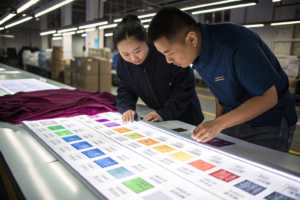
You need custom labels and patches for your brand. You want them to look good. You want them to last. You also want a fair price. But the options feel confusing. Materials, techniques, MOQ, and suppliers all matter. A wrong choice can cost you time and money.
To choose custom labels and patches, start with the material, then pick the technique, then check the MOQ. Woven labels are durable and premium. Silicone labels feel soft. TPU labels are modern. Embroidered patches give a classic look. Printed labels are low cost. MOQ depends on the factory and the order size. At Shanghai Fumao, we help US brands pick the right labels and patches for their products.
This guide covers materials, techniques, MOQ, and sourcing from China. I will share real cases from our 5 production lines. You can then make a smart choice for your brand.
What Materials Are Best for Custom Labels?
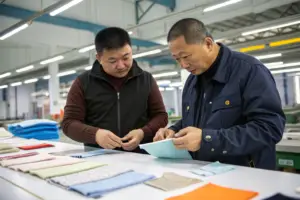
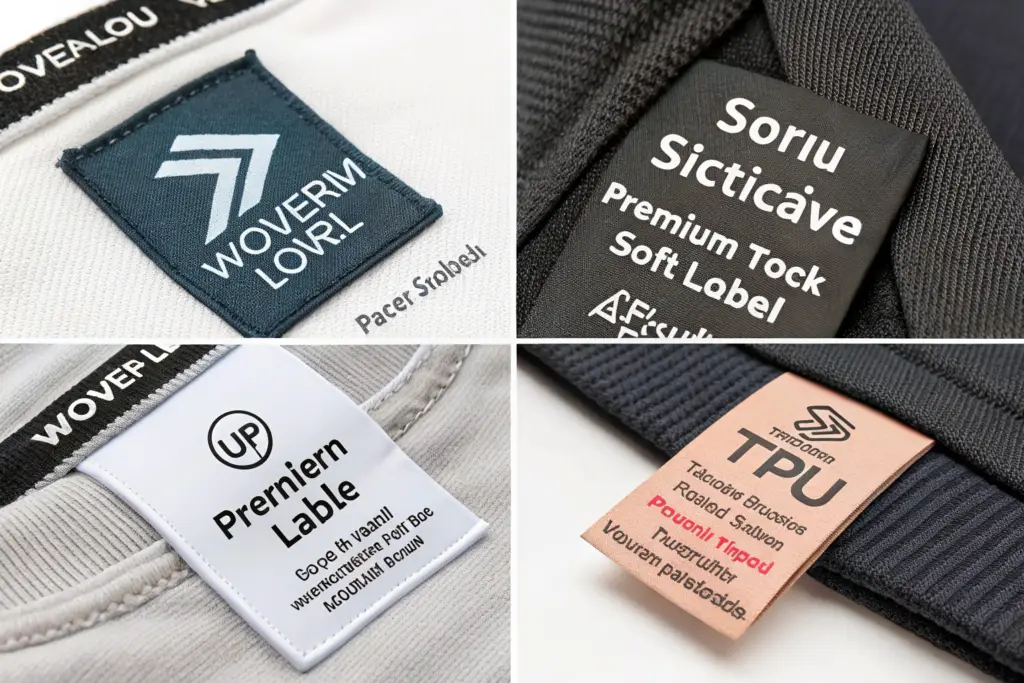
You may think all labels feel the same. They do not. A woven label feels like fabric. A silicone label feels like rubber. A TPU label feels like smooth plastic. A printed label feels like ink on film. The material changes the look, the wash life, and the cost.
Woven labels are best for a premium look and long wash life. Silicone labels are best for soft skin feel. TPU labels are best for activewear and modern styles. Printed labels are best for low-cost basics. At Shanghai Fumao, we test each material before we recommend it. We ship to North America and Europe.
Material choice is not only about looks. It is about your customer. A kids’ brand needs soft edges. A denim brand needs strong fabric. A yoga brand needs stretch. A basic tee brand needs low cost. We keep a simple rule. Match the material to the wash care and the skin contact. Then check the price.
| Material | Feel | Wash Life | Best For |
|---|---|---|---|
| Woven | Fabric | 30+ washes | Denim, jackets |
| Silicone | Soft, raised | 20–50 washes | Activewear, swim |
| TPU | Smooth, plastic | 20–50 washes | Sportswear, tees |
| Printed | Light, flat | 10–30 washes | Basics, kids |
What Are the Most Durable Label Materials?
Woven labels are often the most durable. They are made from yarn. They handle heat and friction well. TPU labels are also durable when the bond is strong. Silicone labels last well if the material is good. Printed labels can fade faster on dark fabrics. I worked with a Los Angeles activewear brand last year. Their printed labels faded after 10 washes. We changed to TPU labels and added a stronger bond. Their return rate dropped by 25%. You can check material safety with OEKO-TEX and fiber guidance from Textile Exchange. We test each material with real garments.
Which Materials Feel Best on Skin?
Silicone labels often feel best on skin. They are soft and rounded. TPU labels can also feel good if the edges are smooth. Woven labels can feel rough if the yarn is stiff. A Midwest kids’ brand came to us in early 2024. Their woven labels caused itching. We switched to soft silicone labels. Their customer complaints fell by 40%. You can review skin safety ideas from the Apparel Coalition and CPSC clothing rules. Always test on real skin before bulk production.
Which Techniques Work for Custom Patches?
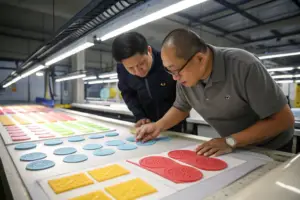
You may want a patch for a jacket, a hat, or a bag. You have many techniques. Embroidery, weaving, printing, and silicone. Each one gives a different look. Each one has a different cost. The right technique depends on your design and your budget.
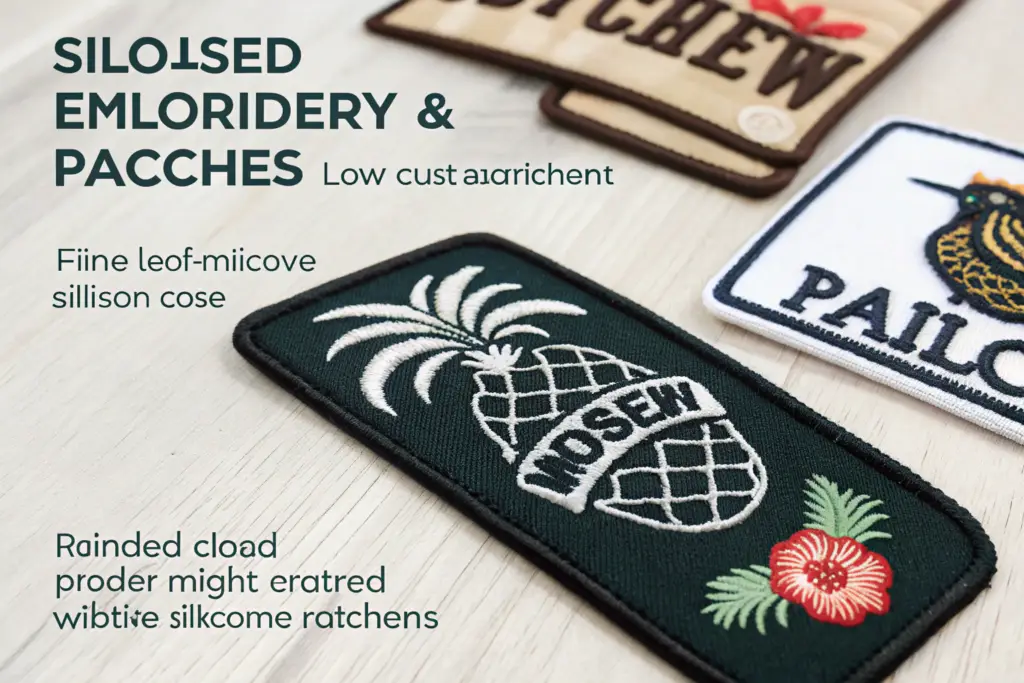
Embroidery gives a classic, raised look. Woven patches give fine detail. Printed patches are low cost. Silicone patches are soft and modern. At Shanghai Fumao, we help brands choose the right patch technique. We also make labels for the same order.
Technique is not only about looks. It is about durability. An embroidered patch can last many years. A printed patch may fade. A woven patch can show small text. A silicone patch feels great but costs more. We always ask for the final use. Then we recommend a technique.
| Technique | Look | Detail | Cost |
|---|---|---|---|
| Embroidery | Raised, classic | Medium | Medium |
| Woven | Flat, fine | High | Medium |
| Printed | Flat, simple | Low | Low |
| Silicone | Soft, raised | Medium | High |
How Are Embroidered Patches Made?
Embroidered patches are made with thread and a sewing machine. A digitizer turns your logo into a stitch file. Then the machine stitches the design onto a fabric base. The patch is cut to shape. You can add a heat-seal backing or a sew-on backing. I helped a New York denim brand in 2023. Their embroidered patch had too many colors. We reduced the colors and improved the stitch density. Their production time dropped by 20%. You can learn about stitch standards from ASTM and textile testing from Intertek. Good digitizing saves money.
When Should You Use Woven Patches?
Woven patches are best for fine detail. They can show small letters and thin lines. They look clean and premium. They work well on jackets, bags, and hats. A Dallas basic tee brand tested woven patches in mid-2024. Their old printed patches faded. We switched to woven patches. Their repeat order doubled. You can check quality rules from ISO 9001 and SGS softlines. Woven patches are a good choice for brand logos.
How Does MOQ Affect Custom Label Orders?
You may want a small order. You may want to test the market. But many factories ask for a high MOQ. This can block your launch. MOQ is a common pain point for US brands. It affects your cash flow and your risk.
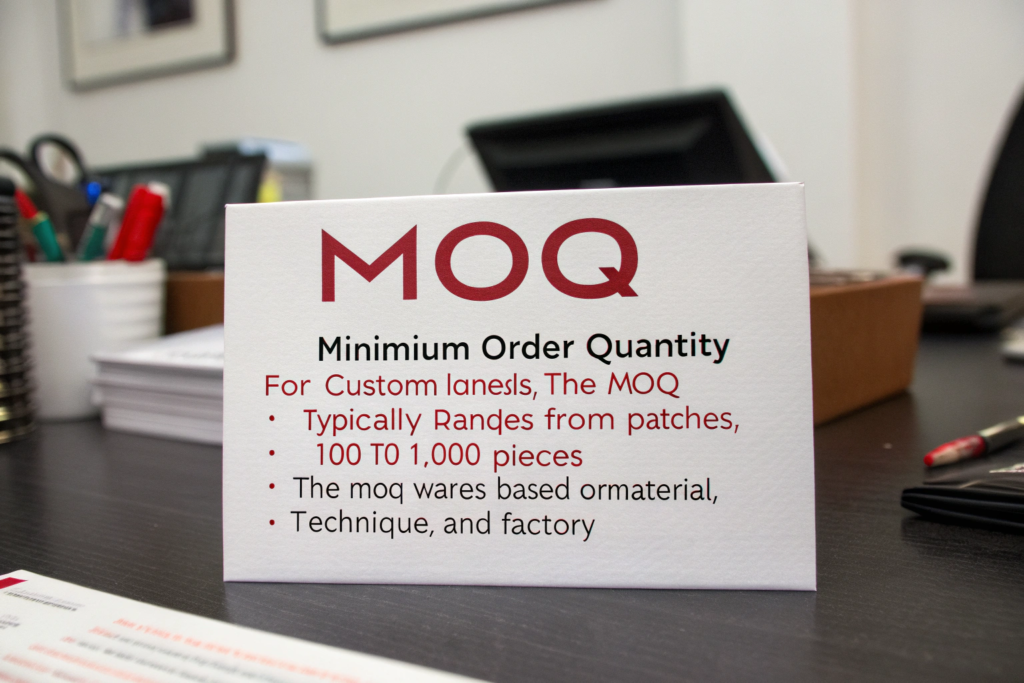
MOQ stands for minimum order quantity. For custom labels, MOQ often ranges from 500 to 5,000 pieces. For patches, MOQ can be 100 to 1,000 pieces. MOQ depends on the material, the technique, and the factory. At Shanghai Fumao, we offer flexible MOQ for US brands. We also help buyers plan their first order.
MOQ is not only a number. It is a cost driver. A low MOQ may have a higher unit price. A high MOQ may lower the unit price but raise your inventory risk. We help brands find the sweet spot. We also combine label orders with garment orders to save money.
| Item | Common MOQ | Unit Cost |
|---|---|---|
| Woven labels | 1,000–5,000 | Medium |
| Silicone labels | 500–3,000 | High |
| Printed labels | 1,000–10,000 | Low |
| Embroidered patches | 100–1,000 | Medium |
What Is a Typical MOQ for Custom Labels?
A typical MOQ for woven labels is 1,000 to 5,000 pieces. For silicone labels, it is 500 to 3,000 pieces. For printed labels, it can be 1,000 to 10,000 pieces. For embroidered patches, it is often 100 to 1,000 pieces. A US buyer once needed only 300 woven labels for a sample run. We helped them find a small-lot option. You can check trade rules from CBP import basics and US Fashion Industry Association. Always ask for a clear MOQ before you design.
How Can You Lower MOQ Costs?
You can lower MOQ costs in three ways. First, choose a standard material. Second, use fewer colors. Third, combine labels with your garment order. A Midwest brand combined their label order with a 2,000-piece tee order. Their unit cost dropped by 18%. You can follow responsible sourcing ideas from WRAP and Higg. We help brands plan orders to reduce waste and cost.
How to Source Custom Labels from China?
You may want to source labels from China. The price can be good. The speed can be fast. But you need a clear process. You also need to avoid fake certificates and late shipments. Many US buyers worry about these problems.
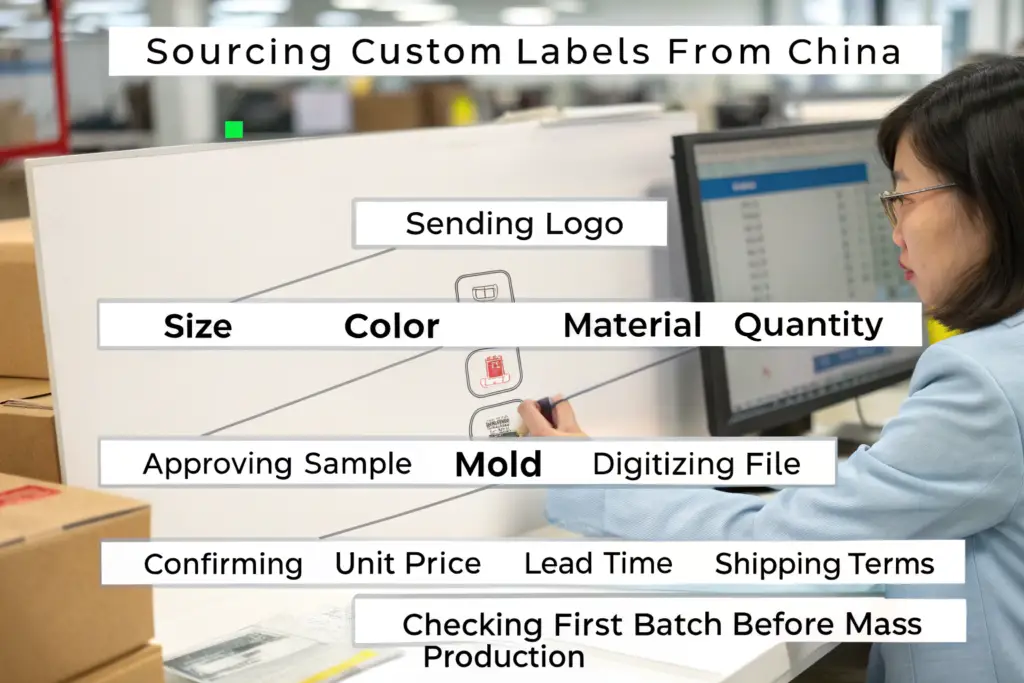
To source custom labels from China, first send your logo, size, color, material, and quantity. Next, approve a sample and a mold or digitizing file. Then confirm the unit price, lead time, and shipping terms. Finally, check the first batch before mass production. At Shanghai Fumao, we manage labels, patches, and DDP shipping for US brands.
Communication is key. Ask for weekly updates. Ask for photos and videos. Ask for test reports. Do not wait until the end. Small questions early can save big delays later. We use simple checklists for every label order.
| Step | What to Do | Why It Matters |
|---|---|---|
| 1 | Send logo and specs | Avoids wrong samples |
| 2 | Approve sample | Checks quality |
| 3 | Confirm MOQ and price | Controls budget |
| 4 | Check first batch | Prevents bulk errors |
How Do You Find a Reliable Label Supplier?
You can find a reliable supplier through trade shows, Google, Alibaba, and LinkedIn. Ask for references. Ask for factory photos. Ask for test reports. A US buyer once received fake certificates from another supplier. We helped them verify each certificate number. Now they check every order. You can review industry news from Just Style and Textile World. A good supplier answers questions fast and shares real proof.
What Should You Check Before Ordering?
Before you order, check five things. Check the sample quality. Check the wash test result. Check the certificate number. Check the lead time. Check the payment terms. A New York yoga brand checked our TPU labels in 2023. They found the edges were smooth and the bond was strong. Their repeat purchase rate rose by 20%. You can use compliance ideas from Bureau Veritas and Fashion for Good. Clear checks build trust.
Conclusion
Custom labels and patches are small, but they carry your brand. Woven labels are durable and premium. Silicone labels feel soft. TPU labels are modern. Embroidered patches give a classic look. Printed labels are low cost. MOQ depends on the material and the factory. I tell US brands to test first. Run a wash trial. Check certificates. Compare the full cost. At Shanghai Fumao, we design, develop, and manufacture apparel for US brands. We handle custom labels, patches, quality control, and DDP shipping. If you want to produce your own clothing order, please contact our Business Director Elaine. Her email is elaine@fumaoclothing.com. Let us help you bring your apparel vision to market.