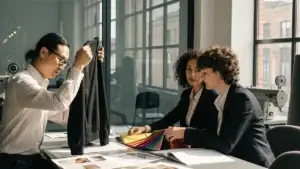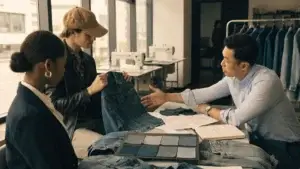
You have spent months perfecting your logo. It is the visual soul of your brand. Now, you are holding a final sample of your core garment, and you are faced with a deceptively complex decision: how do you put that logo onto the fabric? Do you print it? Embroider it? The wrong choice will not just look bad; it will fundamentally undermine the quality and feel of your product, making an expensive garment feel cheap. A master printer once told me, "A logo is not a sticker. It must be an integrated part of the garment's DNA. The right method marries the logo to the fabric; the wrong method forces a divorce between them. You choose the method by listening to the fabric, not the other way around."
Selecting the right printing method for your brand logo is a decision of technical harmony. The method must be chosen based on the specific fabric and the intended aesthetic of the garment. The key principles are: 1) For preserving the soft, fluid drape of lightweight fabrics (like silk, Tencel, and fine jerseys), digital or water-based screen printing is superior, as it leaves zero handfeel and becomes one with the fabric. 2) For adding perceived value, texture, and permanence to heavier, structured garments (like outerwear, polos, and heavy fleece), high-density embroidery is the gold standard. 3) The choice is a trade-off between durability, handfeel, cost, and the scale of your production run.
At Shanghai Fumao, we are experts in executing every major branding technique to a premium standard. We guide our B2B partners through this critical decision every day, ensuring the final result is a perfect, tactile expression of their brand's quality. Let me give you a practical framework for making this high-stakes decision and show you how to avoid the most common, and costly, mistakes.
When Is a "No-Feel" Print Superior to a Textured Embroidery?
The most fundamental mistake is applying a heavy, textured logo to a lightweight, fluid fabric, such as a beautiful silk blouse or a drapey Tencel dress. The weight of the embroidery will pull the fabric out of shape, destroy the elegant drape, and create unsightly puckering. In these cases, the "best" logo is the one you can feel the least. The decoration method must be weightless and become an integral part of the fabric itself.
A "no-feel" print is superior for any lightweight, fluid fabric where preserving the drape and handfeel is the priority. For these garments, digital printing or a water-based screen print are the superior choices. Digital printing offers zero handfeel and the ability to print complex, photorealistic colors with no setup fees, making it perfect for small batches and complex art. A water-based screen print uses inks that dye the fabric's fibers, leaving a completely soft, flat finish. Both techniques avoid the stiff, plastic-like feel of a cheap plastisol print and the heavy weight of embroidery.
A women's wear brand we work with produces a beautiful, bias-cut silk slip dress. Their first sample had a small, dense embroidered logo on the chest. It was a disaster. The weight of the embroidery pulled the delicate fabric into an ugly pucker. We guided them to a subtle, tonal digital print of their logo. The new logo was weightless, invisible to the touch, and preserved the liquid, sensual drape of the dress. It became a signature detail of their brand. This is the power of choosing a technique for the fabric. This is the essence of our fabric-first branding philosophy .
What Is the Difference in Handfeel Between a Plastisol, Water-Based, and Digital Print?
This is the language of touch. Plastisol is a PVC-based ink that sits on top of the fabric like a plastic sticker. It is cheap, but has a heavy, stiff handfeel, poor breathability, and will crack over time. Water-based ink dyes the fabric fibers, leaving a completely soft, breathable finish with zero handfeel. Digital printing also sinks into the fibers, producing a result that is virtually indistinguishable from the fabric itself. For a premium brand, plastisol is almost always the wrong choice.
Why Is Digital Printing a Game-Changer for Small-Batch, Multi-Colored Logos?
If you are launching a collection and need to print a complex, multi-colored logo on a small batch of 50 units, Screen Printing is prohibitively expensive due to the setup costs for each color screen. Digital Printing (DTG) has no screen setup fees. You can print one shirt or one hundred, and the cost per print is relatively flat. This makes it the perfect, low-risk solution for a brand's first small-batch custom production. This is the value of our agile, low-MOQ printing service .
When Is a Textured, Dimensional Embroidery the Absolute Gold Standard?
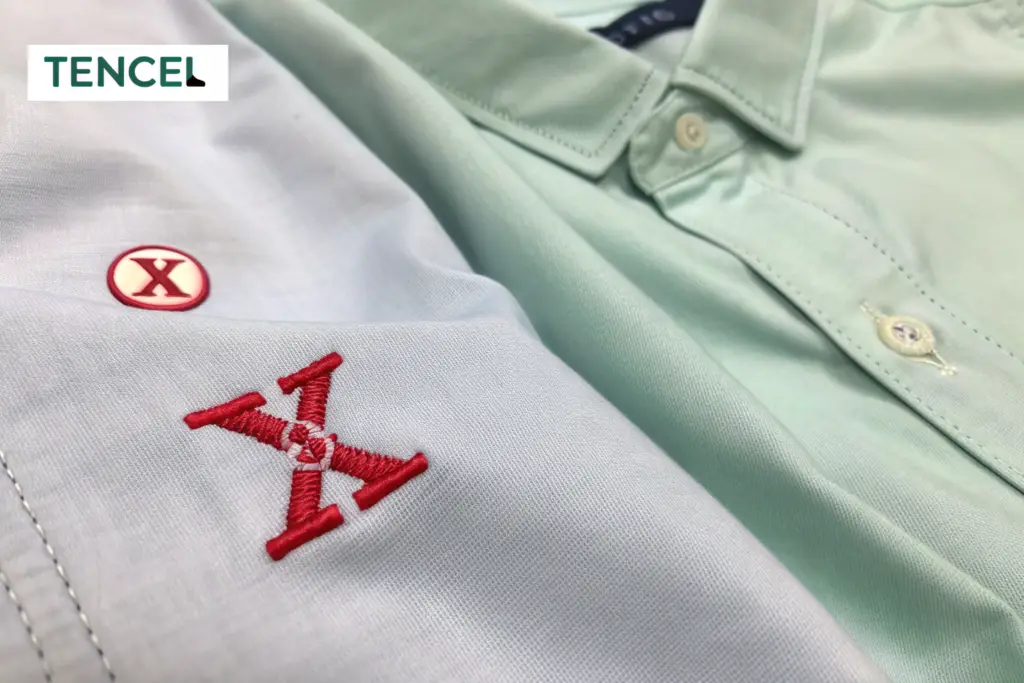
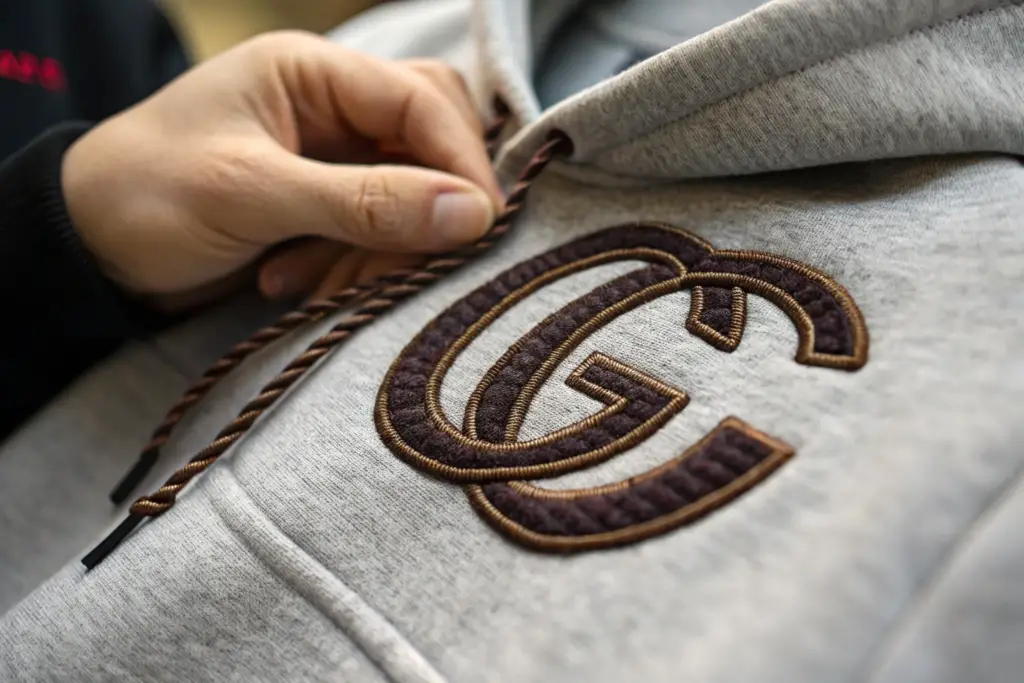
On a heavy, structured garment like a premium sweatshirt, a classic polo, or a baseball cap, a flat, weightless print can actually feel too insubstantial and cheap. These garments demand a decoration method with physical presence and a sense of permanence. This is the domain of embroidery. A well-executed, high-density embroidered logo is not just a mark; it is a three-dimensional, tactile sculpture that communicates an inherent, "built-to-last" durability and quality.
Embroidery is the gold standard for heavier, structured garments. The dimensional, textured quality of the thread signals craftsmanship and permanence, instantly elevating the perceived value of a garment. A high-density, high-stitch-count logo on a thick French terry hoodie feels substantial and luxurious. The key to premium embroidery is a high stitch count, flawless digitizing (which translates the artwork into a precise stitch file), and perfect thread tension that prevents puckering. It is an investment in a tactile brand signature that will often outlast the garment itself.
A premium streetwear brand we work with uses a specific, high-density embroidery for their logo on all their heavyweight hoodies. The logo is a dense, textured, almost sculptural mark. It is a key part of the garment's perceived value and a major differentiator from brands that simply use a cheap screen print. Their customers can feel the quality before they even see the label. This is the power of a premium embroidery strategy for your core pieces.
What Is "Stitch Density" and Why Does a Higher Number Feel More Luxurious?
Stitch density is the total number of stitches in the design. A higher density means the threads are packed more tightly together, creating a richer, fuller, and more dimensional texture. A cheap, low-density logo looks sparse and amateurish. A high-density logo feels dense, substantial, and "expensive" to the touch. This is a key specification in our quality control for branding .
Why Is "Digitizing" the Art of Translating a 2D Sketch into a 3D Masterpiece?
A beautiful embroidery starts with a skilled digitizer. They take your 2D logo file and manually program the exact stitch path, type, angle, and density for every single element of the design. A poorly digitized logo will be lumpy, uneven, and unprofessional. An expertly digitized logo, done by a master who understands stitch angles and underlays, will be a flawless, three-dimensional work of art. This invisible, technical step is the soul of a great embroidery. Our in-house digitizing expertise is a key differentiator.
How to Choose Between the Methods Based on Your Production Volume and Budget?
The aesthetic choice between a print and an embroidery is the first filter. The second, and equally critical, filter is the commercial reality of your production volume and your budget. A method that is perfect for a 5,000-unit run can be financially ruinous for a 50-unit pilot. You must match the technique to the scale of your production.
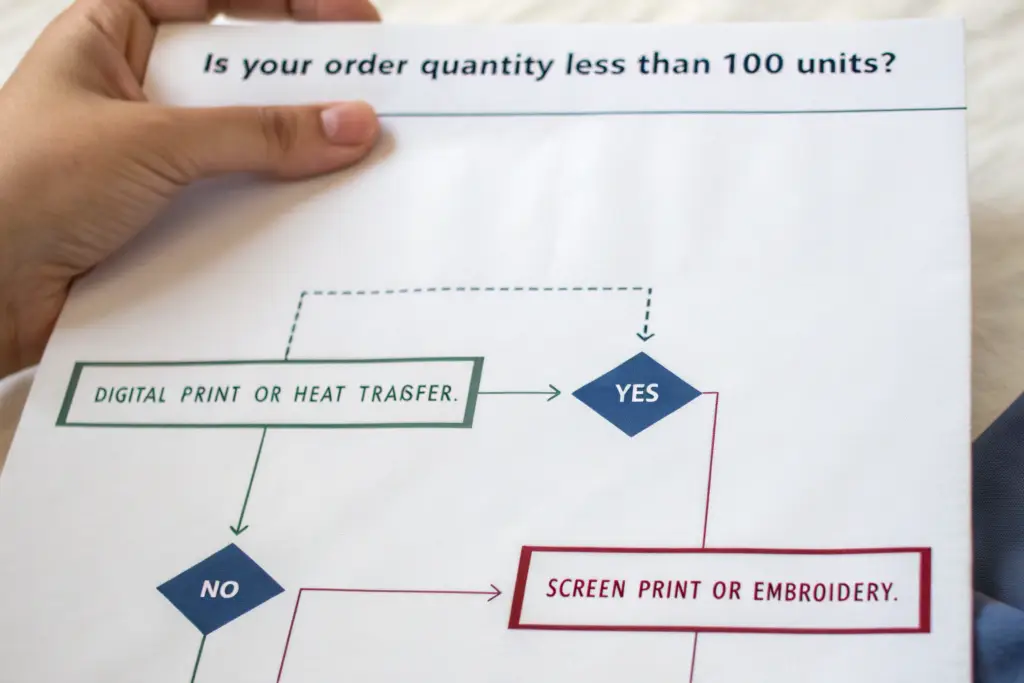
The cost-effectiveness of each method is heavily dependent on volume. Screen printing has a high upfront setup cost per color (screen fees), but a very low cost per unit at volume, making it ideal for simple logos on large orders of 500+ units. Embroidery has a moderate setup cost (digitizing) and a moderate per-unit cost, making it viable for mid-to-large runs but expensive for very large designs. Digital printing has no setup fees, making it the most cost-effective method for small batches and complex, multi-color designs, but it has a higher per-unit cost at scale.
A brand we work with was launching a complex, art-driven design on 75 premium tees. Screen printing was out of the question due to the cost of 8 screens. Digital printing was the perfect, and only viable, financial choice. A different brand, placing a 3,000-unit order for a one-color, left-chest logo on polo shirts, chose embroidery. The digitizing fee was amortized over the large run, and the per-unit cost was very reasonable for the premium, permanent finish. We guide our partners through this cost-volume analysis for every project.
What Is a "Setup Fee" and How Does It Impact the Cost of a Small Pilot Run?
A setup fee is the fixed cost of preparing the tools for a production run, regardless of the quantity. For Screen Printing, it is the cost of creating the mesh screen for each color. For Embroidery, it is the cost of digitizing the design. These setup fees can be significant and are a major barrier for a tiny pilot run. This is why Digital Printing or a pre-made heat transfer are often the most cost-effective choices for a first, small-batch launch. This is a key part of our small-batch brand consultation .
How Does the Number of Colors in Your Logo Directly Drive Up Your Screen Printing Cost?
In screen printing, each color in your design requires its own separate screen and a separate setup on the printing press. A one-color logo is fast and cheap to set up. A four-color logo requires four screens and four setups, quadrupling the initial cost. This is a direct, linear relationship. For a complex, multi-color logo on a small run, Digital Printing is almost always the smarter financial choice.
How Does Fumao's In-House Expertise Help You Confidently Make This Critical Decision?
This decision should not be a guess. Our role is to provide the technical expertise and the curated, tactile experience that empowers you to make a confident, informed choice for every single product in your line. We do not just execute a file; we guide you to the perfect marriage of your logo, your fabric, and your brand's identity.
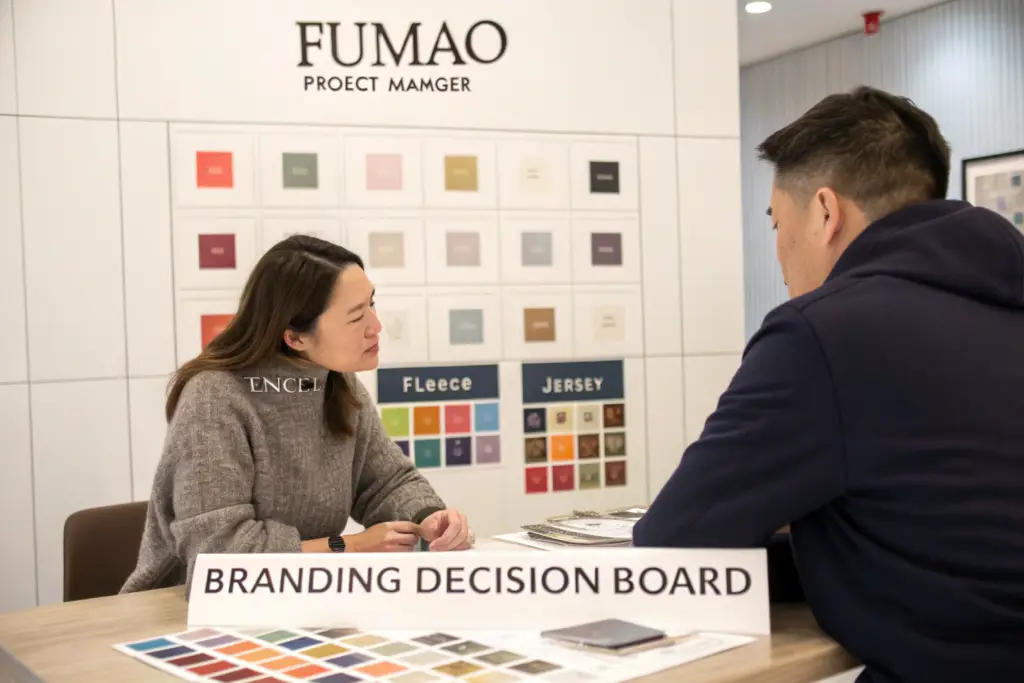
Fumao's in-house expertise helps you make the perfect branding decision through a collaborative, tactile process. We present you with a curated set of physical samples, showing your logo on your specific fabrics using the different appropriate methods. We provide a clear, transparent cost analysis for each option at your specific production volume. We guide you, using our decades of experience, to the perfect choice that harmonizes aesthetics, quality, handfeel, and budget for each unique product in your collection.
A brand founder came to us wanting a "premium logo" on her line of organic cotton tees. She assumed embroidery was the only way to go. We showed her a sample of a beautifully executed, super-soft water-based screen print next to an embroidered sample on her chosen fabric. She immediately felt the difference. The screen print was weightless, soft, and perfectly preserved the drapey handfeel of her tee, while the embroidery felt heavy and stiff in comparison. She chose the screen print and was thrilled. She told us, "I would have made a huge mistake without your guidance." That is our goal. To be the expert partner that guides you to the perfect decision. This is the value of a strategic manufacturing partnership .
How Does Our Curated "Sample Matrix" Help You Make a Tactile, Confident Decision?
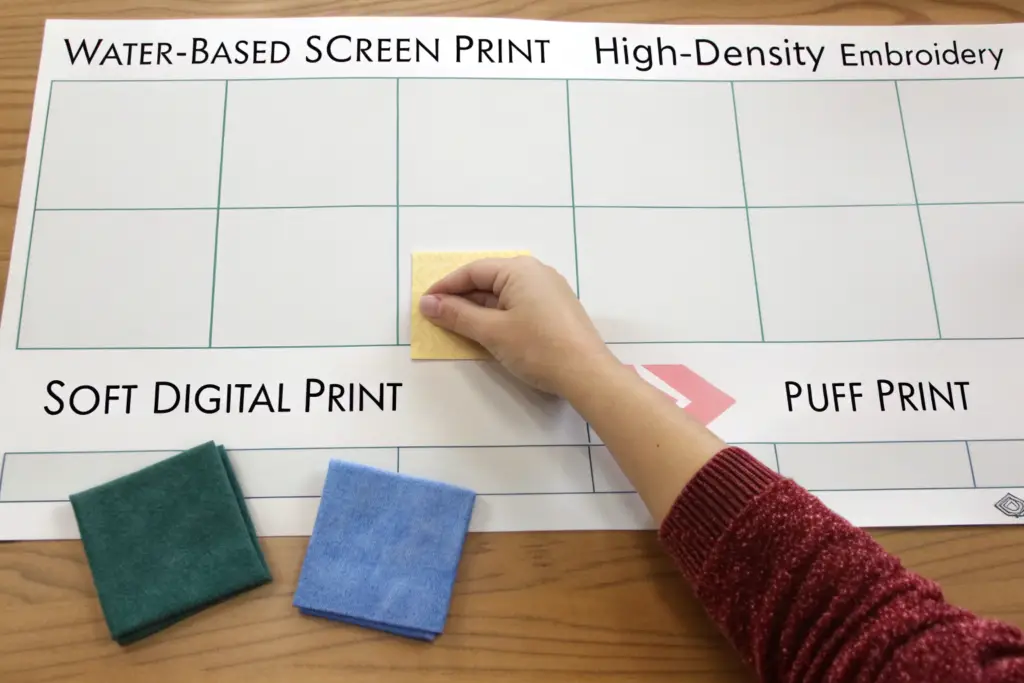
We do not send you a confusing catalog of options. We create a custom, physical "Sample Matrix" for your project. On a single board, we show your logo, on your chosen fabric, executed in the 2-3 recommended methods (e.g., water-based print, tonal embroidery, puff print). You can touch them, feel the handfeel, and see the final result. This tactile, side-by-side comparison makes the decision simple, confident, and fast. This is the power of a curated development experience .
How Do We Help You Balance the "Aesthetic Dream" with the "Financial Reality"?
We have an honest conversation. We start by asking about your budget and your volume. If your dream is a complex, 6-color screen print on a 50-unit run, we will gently guide you toward a beautiful, softer digital print alternative that captures the same spirit at a fraction of the cost. We are committed to finding the right solution that protects both your brand's aesthetic and its financial health. This is the integrity of a true partnership .
Conclusion
Selecting the right printing method for your custom apparel brand logo is not a one-size-fits-all decision; it is a marriage of your logo to your fabric, your aesthetic to your budget, and your art to the science of textile decoration. The right choice elevates your product; the wrong choice can ruin it.
At Shanghai Fumao, we are masters of all the major techniques, but more importantly, we are expert guides. We provide the curated, tactile experience and the transparent, technical advice you need to make this critical decision with confidence. We ensure your brand's logo is not just an afterthought, but the perfect, defining detail of a premium product.
If you are ready to make the perfect branding choice for your collection with an expert partner, let's talk. Our Business Director, Elaine, can walk you through our full range of branding capabilities. Please email Elaine at: elaine@fumaoclothing.com.