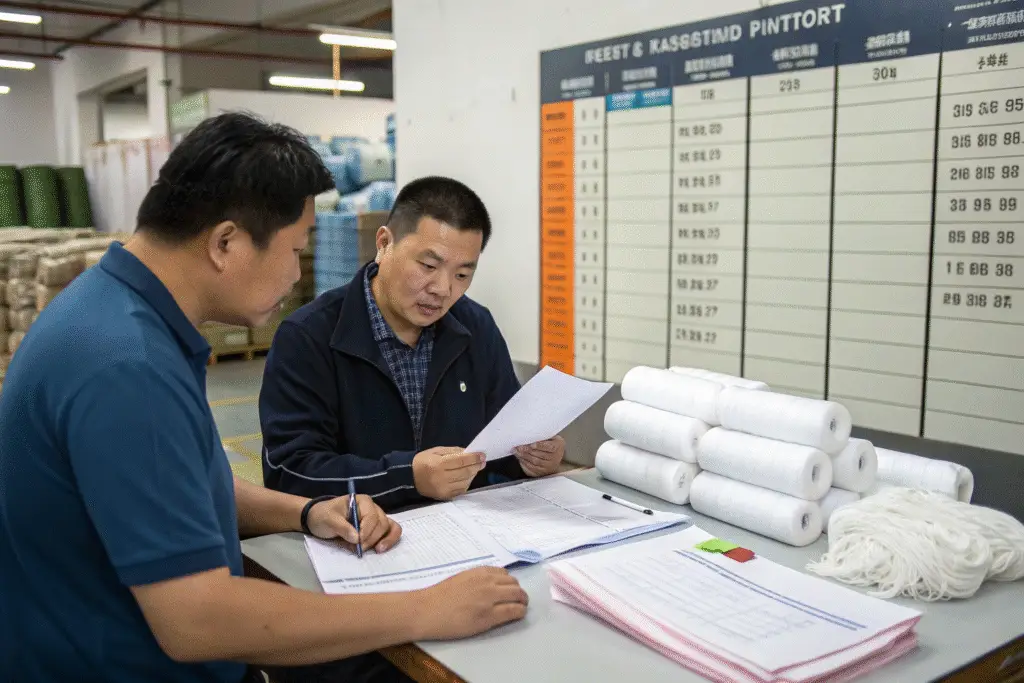
U.S. apparel buyers like Ron are facing a tough new reality: tariff shocks are no longer temporary—they’re the new norm. Between 15%–50% duties on garments from China and India, many are realizing the old FOB + freight model no longer tells the full story.
True landed cost today includes fabric origin, Incoterms, shipping method, HTS classification, and new customs clearance fees. If you're still calculating cost based on factory price alone, you're at risk.
As a manufacturer working with North American brands, we now walk every client through a post-tariff cost map—because even a $0.50 miscalculation can destroy margins at scale. Let’s go step by step through how to calculate your actual apparel cost—from cotton to customs.
What Are the Hidden Costs in Post-Tariff Apparel Sourcing?
Most U.S. buyers used to rely on this simple formula:
FOB Price + Freight = Landed Cost
But today, there’s more in play. Tariffs, documentation fees, and fabric origin certificates can create cost swings of up to 25%—often discovered too late.
The true apparel cost includes 7–10 key components that must be calculated at order confirmation—not after shipping.
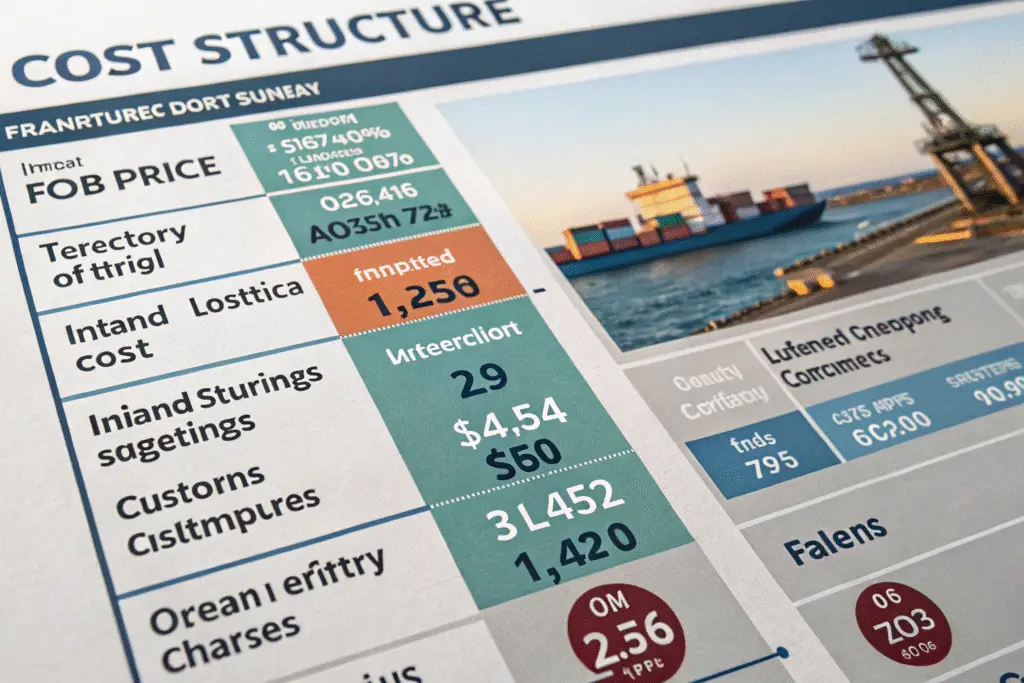
What Costs Are Frequently Overlooked?
| Cost Element | Description |
|---|---|
| Tariffs/Duties | Based on HTS code + fiber composition |
| Inland Logistics (China) | Delivery from factory to port |
| Export Docs/CIQ/Certs | $100–$300 per container or PO |
| Port Handling (POL) | Port charges at origin |
| U.S. Customs Clearance | Entry + ISF filing + bond fees |
| DDP Surcharges | If delivery terms are DDP |
For example, a $5.20 FOB hoodie could end up costing $7.65 landed once these layers are applied. If you plan to sell that hoodie at $16 wholesale, your margin drops to 52%—far below target if you didn’t budget accordingly.
Are All Fibers Taxed the Same?
No. Cotton, organic cotton, polyester, and synthetics each have different HTS codes. Tools like USITC HTS Search or SimplyDuty help estimate exact duty %.
For example:
- Regular cotton knitwear: 16.5%
- Polyester blend trousers: 28.2%
- Organic cotton T-shirts: as low as 5%
A small fiber switch can mean $0.80 more or less per garment.
How Do Incoterms and Freight Mode Change Your Final Cost?
After tariffs, the second-largest cost differentiator is your shipping method and Incoterm. DDP vs. FOB or air vs. ocean can make or break your profit margin.
Choosing the wrong Incoterm or underestimating freight volatility leads to major cost overruns.
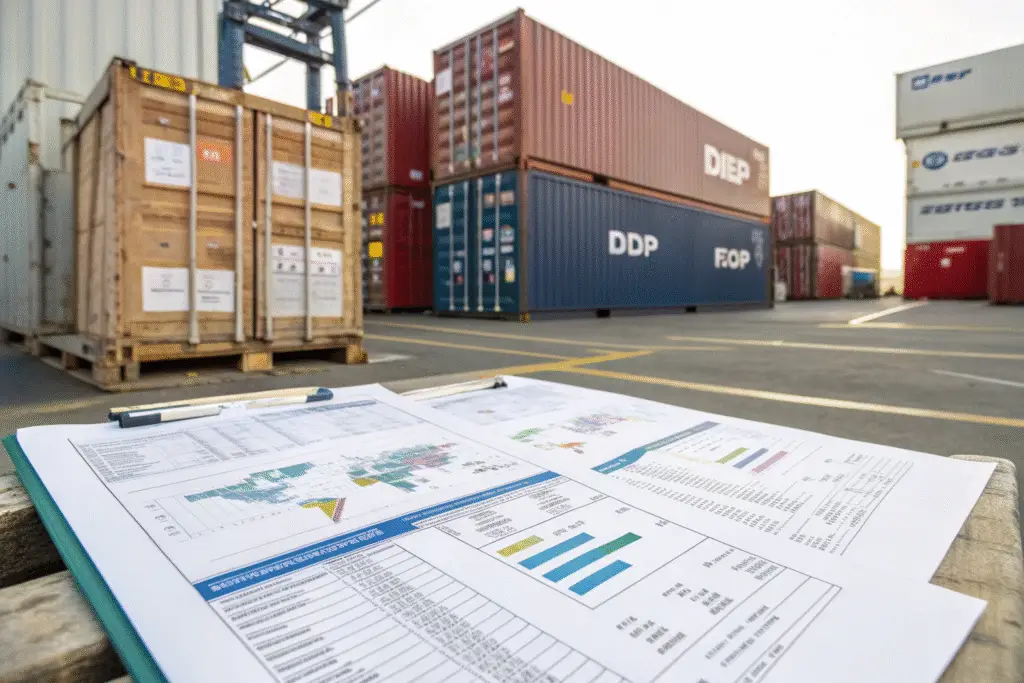
How Much Does Freight Impact Unit Price?
Let’s compare:
| Shipping Mode | Cost per 1kg Apparel | Transit Time |
|---|---|---|
| Ocean (FCL) | $0.35–$0.50 | 25–35 days |
| Ocean (LCL) | $0.60–$1.20 | 28–45 days |
| Air Freight | $5.00–$8.00 | 4–7 days |
A 500g T-shirt shipped by air adds $2.50 to the landed cost. That’s why smart buyers use a mix: fast-movers by air, stock styles by ocean. Tools like Flexport or Maersk Flow help forecast this.
How Do Incoterms Affect Responsibility?
Under FOB, you pay freight, clearance, and duties. Under DDP, the supplier includes all costs, often adding a service buffer.
We offer both models. For tariff-heavy SKUs, DDP often makes budgeting safer—especially with trade uncertainties.
How Can Fiber Origin and HTS Code Classification Affect Duties?
Fiber origin and correct HTS coding are now more important than ever. Misclassification can mean an extra 10–20% in duties—or worse, seizure at port.
Apparel duties aren’t just based on garment type—they’re determined by fiber percentage and how it’s documented.
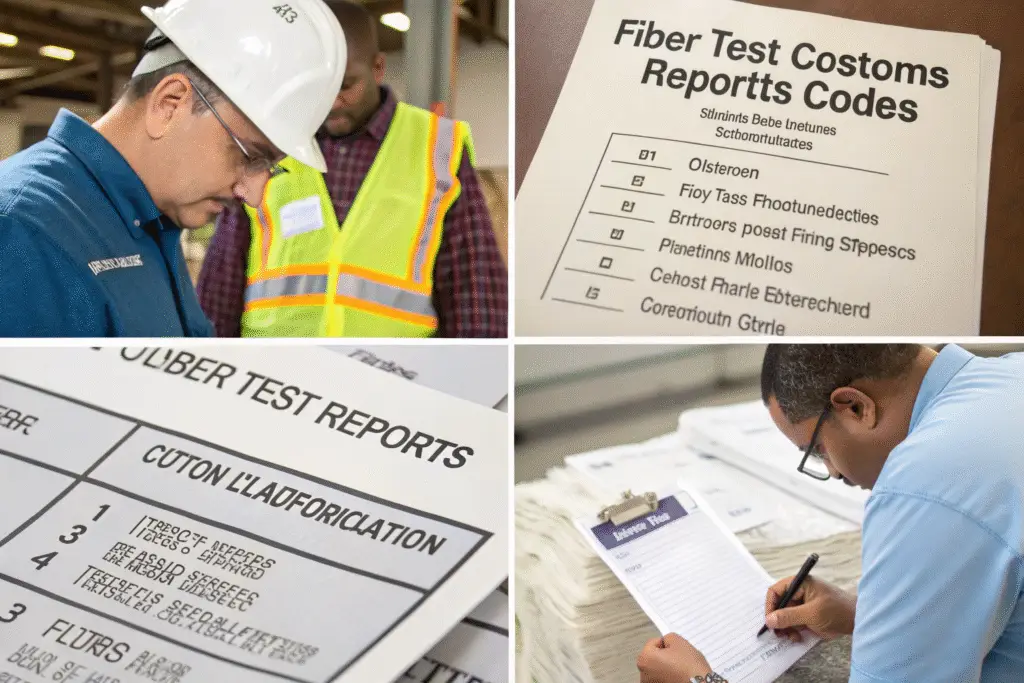
What’s the Right Way to Classify?
Let’s take a ladies’ woven blouse:
- 100% polyester = 29.1% duty
- 65% cotton / 35% poly = 15.7% duty
- 100% organic cotton = 5–10% (with GOTS certificate)
Tools like CBP Rulings help determine which code matches which fabric breakdown. We submit fiber tests with every shipment to prevent surprises.
Can You Lower Duties by Switching Fabric?
Yes. One client saved $0.85/unit by moving from a 95/5 poly-spandex blend to 60/40 cotton-poly. Duties dropped 10% without affecting stretch quality.
Another switched to bamboo viscose, classified more favorably under HTS 6109.90.20, saving 13% duty while boosting sustainability claims.
What Tools and Templates Help Track True Apparel Costs?
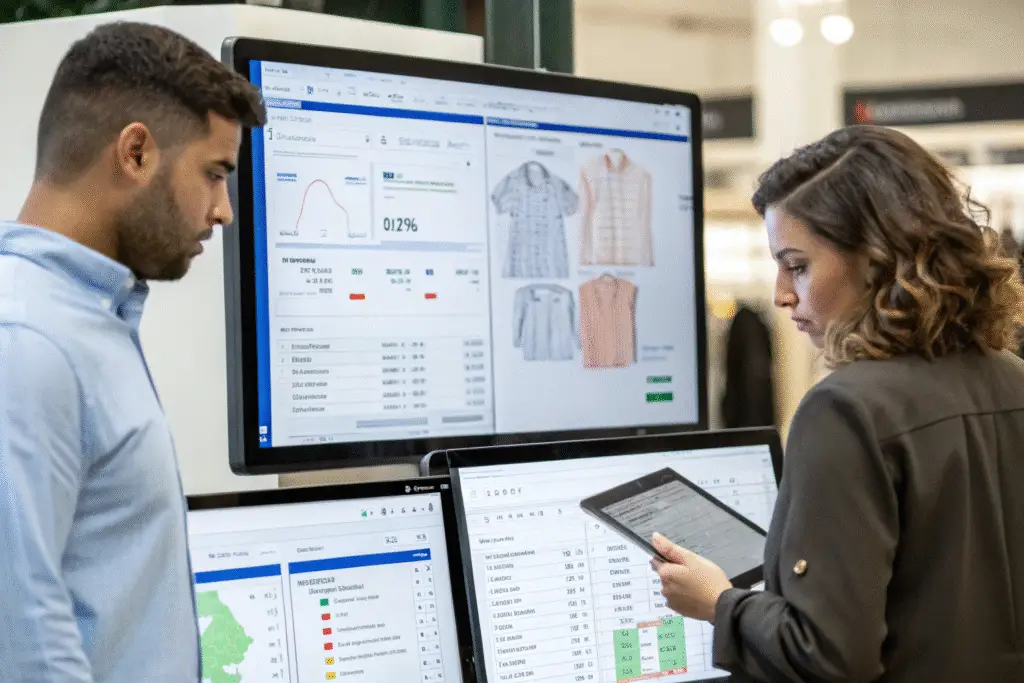
The best way to avoid cost overruns is to systemize your calculations. We help clients build templates that show costs per style, per season, per destination.
Spreadsheets, digital platforms, and tariff simulators turn guesswork into strategy.
What Should a True Landed Cost Template Include?
| Component | Notes |
|---|---|
| FOB price | Factory base price |
| Packaging cost | Box, polybag, label |
| Inland transport | Factory to port |
| Export documents | Certificates, CIQ |
| Tariffs/duties | By HTS/fiber blend |
| Freight (Air/Ocean) | Actual shipping |
| U.S. clearance fees | Entry + ISF |
| Warehousing (optional) | If direct to 3PL |
We build this into Google Sheets or tools like CostingApp, helping clients instantly compare styles and suppliers.
Can AI or SaaS Platforms Help?
Yes. Platforms like Zentail, NetSuite, and Anvyl offer real-time visibility into production + logistics.
For startups, even Shopify’s product cost fields plus a landed cost calculator can help estimate pre-import margins.
Conclusion
Tariffs aren’t going away—but margin loss doesn’t have to be your fate. With the right tools, clarity on customs codes, and fiber-smart design, you can regain control of your landed apparel costs.
At Shanghai Fumao, we support U.S. buyers with clear DDP quotations, HTS guidance, and true cost mapping—so you can protect your profit even after duty shocks.
If you’re tired of surprises on your landed cost invoice, contact our Business Director Elaine at elaine@fumaoclothing.com. We’ll help you build a cost-accurate, tariff-proof supply chain from cotton to customs.