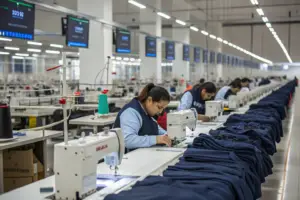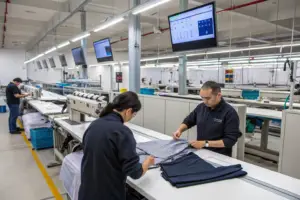
Many fashion brand owners focus solely on the factory's unit price. This approach often leads to unexpected costs later. These hidden expenses can significantly impact your profitability. Understanding the complete cost structure is essential for business success. It ensures both financial stability and brand reputation.
The true cost of garment production encompasses all direct and indirect expenses from initial design to final delivery. This comprehensive view extends far beyond the basic manufacturing price. It includes raw materials, labor, overhead costs, logistics, and regulatory compliance. Many businesses make the critical error of comparing supplier quotes based only on per-piece costs. This limited perspective often results in financial miscalculations and supply chain problems. A thorough cost analysis provides the foundation for predictable profitability in the fashion industry.
This guide will examine each cost component in detail. We will reveal the often-overlooked aspects of apparel manufacturing. This knowledge will empower you to make better sourcing decisions. It will also help protect your business from unexpected financial surprises.
What Are The Hidden Costs In Garment Manufacturing?
Many brands experience unexpected charges after securing a favorable unit price. These hidden costs are not necessarily deceptive. They often represent overlooked aspects of the production process. Early identification of these potential expenses is crucial for accurate budgeting.
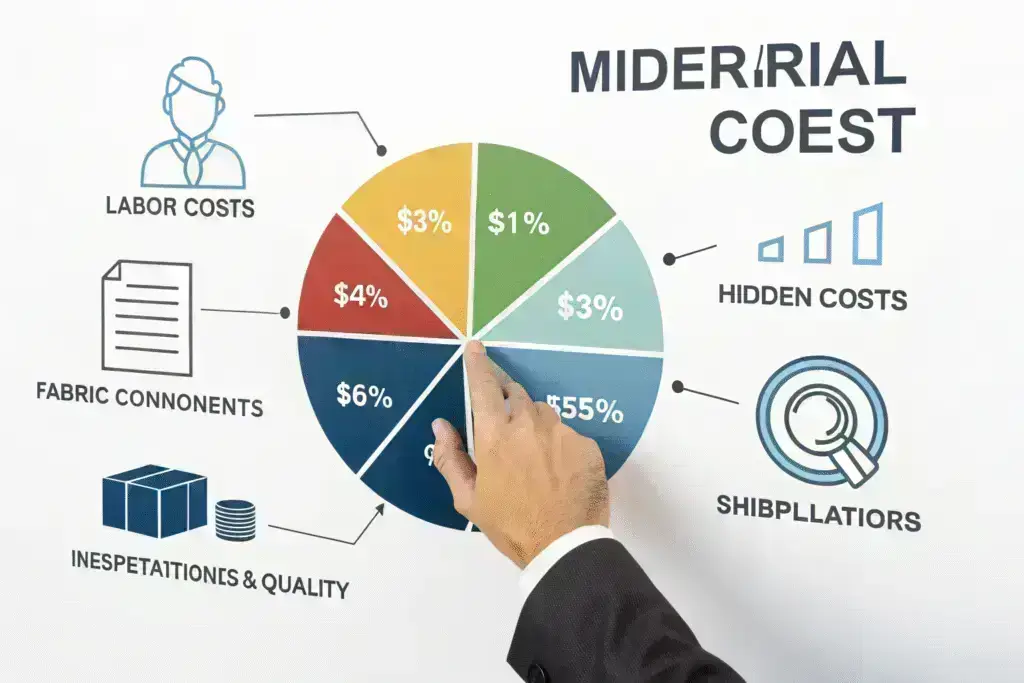
Common hidden costs include sample development, material waste, quality issues, and logistics fluctuations. Multiple rounds of prototype sampling can substantially increase development expenses. Fabric shrinkage and cutting waste typically add 3-5% to material costs. These factors are frequently underestimated during initial cost calculations.

Why Do Sampling Rounds Increase Development Costs?
Sampling is necessary for quality assurance. However, it can become expensive quickly. Manufacturers often include the first sample in development costs. Subsequent samples usually incur additional charges. Each sample round requires materials, labor, and shipping. Design changes after sample review also generate extra costs. Clear communication about sample inclusion is vital. Establishing a detailed product development protocol prevents budget surprises.
How Do Compliance Requirements Affect Total Costs?
Market-specific certifications often add unexpected expenses. OEKO-TEX certification for material safety is one common requirement. These certification costs typically fall on the buyer. Most certifications are not one-time expenses. They may be necessary for each production run. Some suppliers may present questionable certification documents. Verification of all certifications is essential. Partnering with transparent manufacturers prevents future compliance issues.
How To Budget Accurately For Raw Materials?
Fabric and trim costs appear straightforward initially. However, material pricing is notoriously volatile. Prices fluctuate with commodity markets and global demand. Early price agreements provide no guarantee against future increases. Your manufacturer might face price hikes from their suppliers after you finalize designs.
Accurate budgeting requires current price quotes and volatility buffers. It must also account for material waste and minimum order quantities. Historical pricing data often leads to budget shortfalls. Material testing for durability and performance represents another essential cost factor.
How Do Fabric Quality And MOQs Impact Costs?
Lower-cost fabrics might seem financially attractive initially. However, they often result in higher customer return rates due to quality issues. The true fabric cost includes both price and performance characteristics. Minimum order quantities present another cost challenge. Mills often set high MOQs for custom materials. This can force brands to purchase excess inventory. The table below demonstrates these cost relationships:
| Fabric Type | Price per Meter | MOQ (Meters) | Total Fabric Cost | Waste Cost (5%) |
|---|---|---|---|---|
| Basic Cotton Jersey | $3.50 | 1,000 | $3,500 | $175 |
| Custom Printed Polyester | $5.00 | 3,000 | $15,000 | $750 |
| Sustainable Organic Cotton | $8.00 | 2,000 | $16,000 | $800 |
What Is The Combined Impact Of Trims And Logistics?
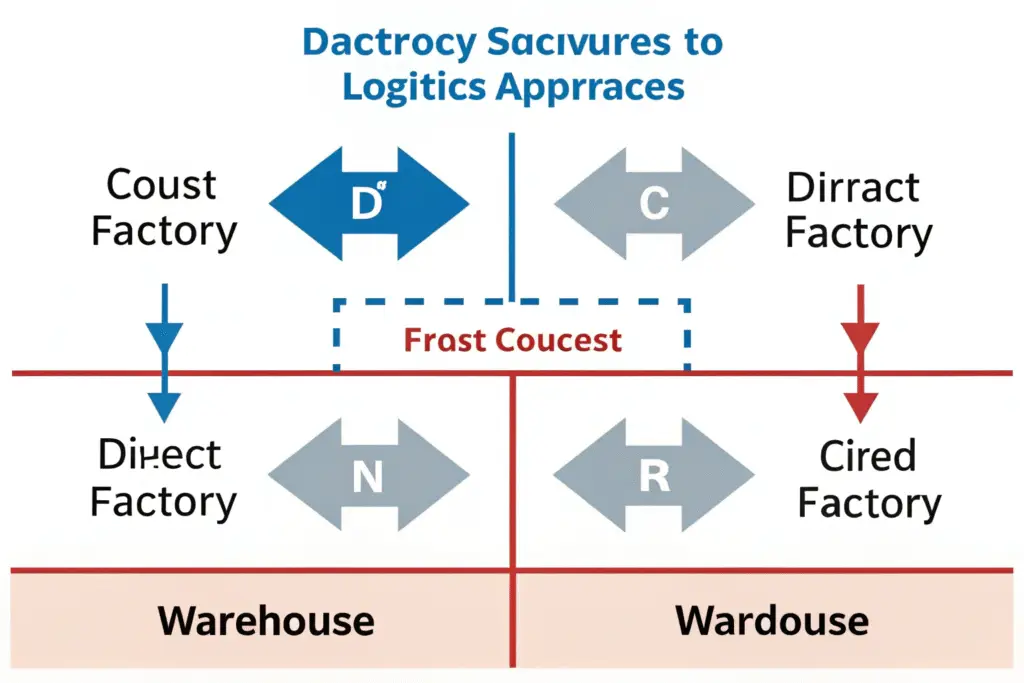
Small components like buttons and zippers seem inexpensive individually. Their collective cost impact is significant. Customized trim elements increase expenses substantially. Logistics considerations add another cost layer. Incoterms determine responsibility for various shipping costs. FOB terms leave importers responsible for numerous additional charges. A DDP (Delivered Duty Paid) model consolidates these expenses into one predictable price.
Why Choose DDP Shipping For Cost Control?
Self-managed international logistics requires substantial time investment. It involves coordinating multiple service providers. Each provider represents a potential cost variable and failure point. Shipping delays can cause missed selling seasons. The financial impact of missed seasons often exceeds potential logistics savings.
DDP shipping transforms variable logistics costs into fixed expenses. It transfers customs and delivery responsibilities to your manufacturer. This approach saves administrative time and prevents unexpected charges. It also protects against unforeseen tariffs and storage fees.

How Does DDP Simplify Cost Management?
Traditional FOB terms cover only part of the shipping process. Importers face separate charges for ocean freight and insurance. Customs brokerage and import duties represent additional costs. Final trucking delivery requires yet another payment. DDP consolidates all these expenses into one comprehensive price. This eliminates surprises with port fees and brokerage charges. It provides complete financial clarity for business planning.
Can DDP Enhance Financial Forecasting Accuracy?
DDP enables precise cost-per-unit calculations for landed goods. This accuracy significantly improves financial forecasting. It allows for more confident product pricing in target markets. Manufacturers have greater incentive to ensure timely delivery under DDP terms. This reliability supports better inventory management planning. It eliminates the financial risk of missed selling opportunities.
How To Assess Manufacturing Partner Value?
The lowest-cost factory often becomes the most expensive choice. Communication problems lead to production errors. Quality inconsistencies increase return rates. Delivery delays cause missed seasons. True manufacturer value lies in reliability and transparency. It demonstrates through quality commitment and partnership approach.
Evaluation should consider communication effectiveness and quality systems. Production capacity and financial stability also matter significantly. Partners with robust quality control processes prevent expensive errors. This reliability provides tangible financial benefits.
Does Communication Efficiency Affect Costs?
Inefficient communication creates substantial hidden expenses. Slow response times cause project delays. Language barriers lead to misunderstandings. Unclear instructions result in production mistakes. All these issues require costly corrections. Manufacturers with dedicated account managers streamline communication. This efficiency prevents errors and accelerates market entry. It directly protects profit margins.
Why Are Audit Reports More Valuable Than Price Quotes?
Price quotes reveal nothing about factory reliability. Audit reports provide crucial operational insights. Social Compliance Audit results indicate workplace standards. Technical audits verify production capabilities. Factories passing rigorous audits typically demonstrate professional management. This reduces risks of production stoppages and order cancellations. It also prevents brand reputation damage from compliance failures.
Conclusion
Accurate cost calculation requires looking beyond basic manufacturing prices. It demands understanding of development expenses and material volatility. Logistics predictability and partner reliability are equally important. Comprehensive cost analysis transforms reactive budgeting into proactive financial control. This approach distinguishes successful fashion brands from struggling competitors.
Fumao Clothing recognizes that predictable costs ensure business success. Our operating model prioritizes pricing transparency and integrated logistics. We maintain strong quality commitment to protect client brands. We invite you to discuss your manufacturing requirements with us. Please contact Business Director Elaine at elaine@fumaoclothing.com for detailed proposals.