You find a factory online. Their website looks good. Their Alibaba page has good reviews. You send an inquiry. They respond quickly. You exchange emails. You feel hopeful. But there is a voice in your head. Can you trust them? They are thousands of miles away. You have never met them. You are about to send them a lot of money. This is the challenge of global sourcing. Trust is hard to build over the internet. But it is possible. I have seen it happen thousands of times.
To build trust with a foreign clothing manufacturer over the internet, you must move beyond email and create a system of verification. This system includes video calls to see the factory and meet the team, small test orders to prove capability, third-party audits to verify credentials, and clear documentation that protects both sides. Trust is not given. It is earned through transparency and demonstrated competence. The goal is not to blindly trust. The goal is to verify enough that you can trust with confidence.
I have run a clothing factory in China for over a decade. I have worked with hundreds of first-time clients. I have seen the skepticism. I have seen the anxiety. I have also seen it transform into long-term partnerships. The brands that succeed are the ones who build trust systematically. They do not rely on gut feeling. They create a process. They verify. They test. They build relationships step by step.
How to Verify a Factory's Credentials Before You Send Money?
Before you send any money, you need to verify that the factory is real. The internet is full of fake suppliers. Some are scammers. Some are trading companies pretending to be factories. You need to separate the real from the fake. This verification process is your first line of defense.

What documents should I ask for and how do I verify them?
Every legitimate factory has documentation. You should ask for these documents. Then you should verify them. Do not just accept them at face value.
The key documents include:
- Business license: This shows the company is registered. It shows the legal name. It shows the registered address. You can verify business licenses in China through government websites. The National Enterprise Credit Information Publicity System is the official source.
- Factory audit reports: Many factories undergo third-party audits. These audits verify social compliance and quality systems. Reports from SGS, Bureau Veritas, or QIMA are credible. Ask for the most recent report. The report will show the factory size, number of workers, and any non-conformities.
- Export license: A factory that exports regularly has an export license. This is not always required, but it is a good sign.
- Customer references: Ask for references from other brands. Contact them. Ask about their experience. Ask about quality. Ask about delivery. Ask about communication. Real references will talk to you.
I remember a client in Texas who was skeptical. They asked for all these documents. We provided them. They then asked to speak with three of our current clients. We connected them. They called each one. Each client gave positive feedback. That conversation built more trust than any document. They placed their first order. They are still with us today.
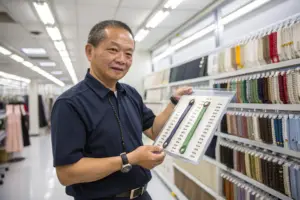
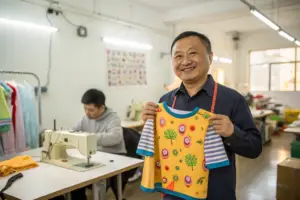
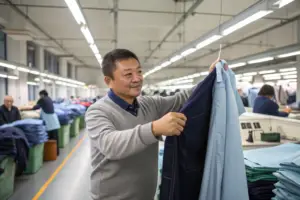
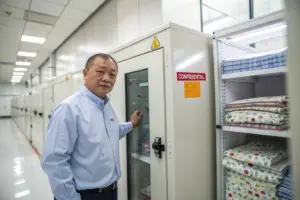
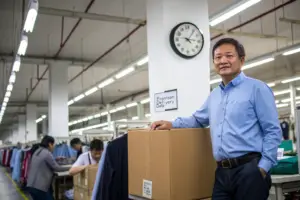
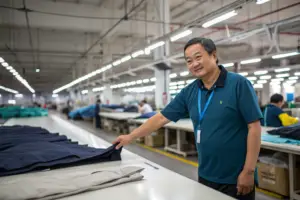
You should also verify that the factory is actually a factory. Many trading companies pose as factories. They will show you pictures of a factory that is not theirs. A video call can help. Ask to see the production floor. Ask to see the cutting room. Ask to see the finishing area. A real factory can show you these things in real time.
How do video calls and virtual tours help verify a factory?
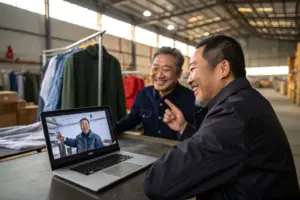
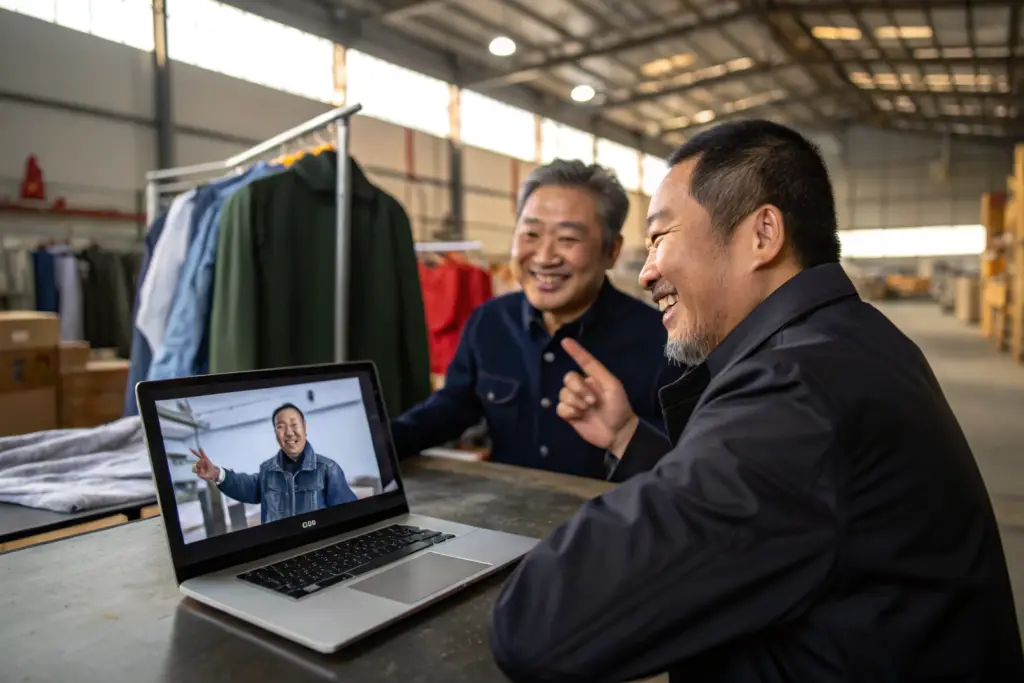
Video calls are powerful. They show you the people behind the emails. They show you the facility. They show you the real environment. A video call is harder to fake than photos.
Schedule a video call with your potential factory. Ask to see:
- The production floor with workers at machines
- The sample room with samples in progress
- The fabric warehouse with fabric rolls
- The quality control station
- The finishing and packing area
Take screenshots during the call. Note the number of workers. Note the organization. A clean, organized factory is a good sign. A chaotic, empty factory is a warning.
We do video calls with all new clients. We walk them through our facility. We show them our production lines. We show them our QC process. We show them our warehouse. This transparency builds trust. The client sees that we are real. They see that we have nothing to hide.
A client in Denver was considering multiple factories. She did video calls with all of them. She told me later that our call was the most detailed. We showed her everything. Other factories were vague. They showed her only what they wanted her to see. She chose us because of the transparency. The video call made the difference.
You should also ask for a virtual tour of the factory at different times. A morning tour shows the start of the shift. An afternoon tour shows production in full swing. A factory that is only busy during a scheduled tour may not be real.
What Are the Benefits of Starting with a Small Test Order?
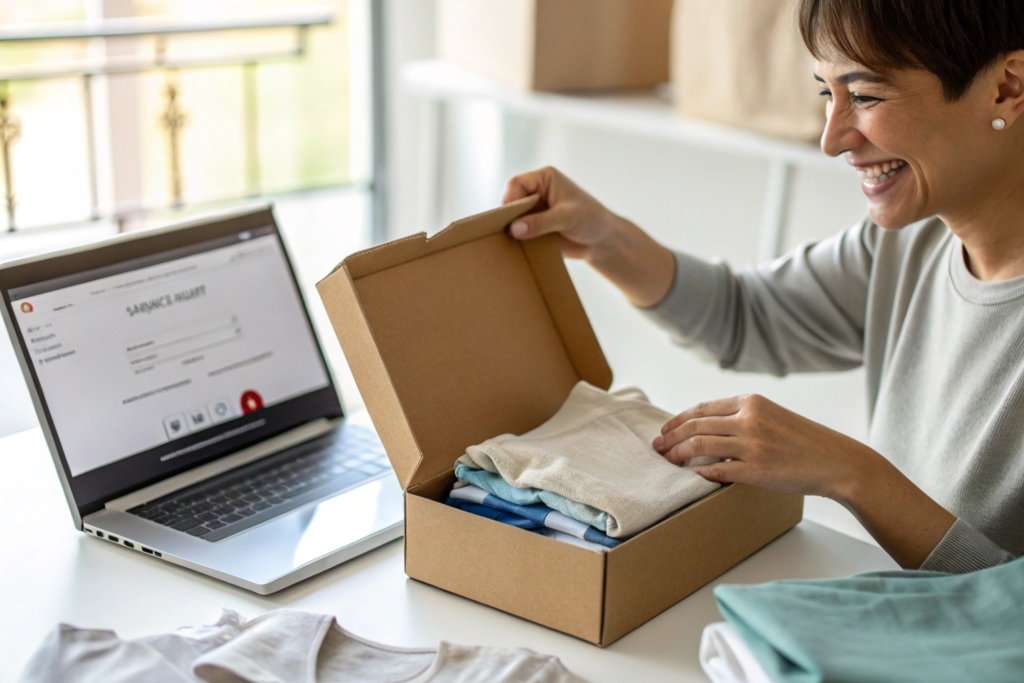
The best way to build trust is to start small. Do not place your full season order with a new factory. Place a small test order. This reduces your risk. It also allows you to evaluate the factory's capabilities without a large commitment. A test order is a trial. It is a learning experience for both sides.
What should a test order include?
A test order should be large enough to test the factory's processes but small enough that you can absorb the loss if something goes wrong. For most brands, 50 to 200 pieces per style is a good range.
Your test order should include:
- Multiple styles: Test at least two or three styles. This shows how the factory handles different constructions.
- Multiple fabrics: If you use different fabric types, include them in the test order. This tests the factory's relationships with fabric mills.
- Your full quality standards: Do not lower your standards for the test order. Hold the factory to the same quality you will expect for large orders. This shows you are serious.
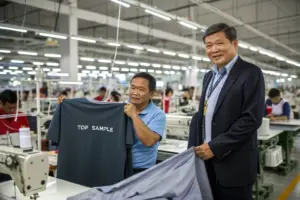
The test order should follow your full process. Use your tech pack. Use your spec sheet. Require a pre-production sample. Require a final inspection. Treat it like a real order. The only difference is the quantity.
A client in Boston started with a test order of 100 t-shirts. They had worked with other factories before. They were burned by poor quality. They wanted to test us thoroughly. We produced the t-shirts. We shipped them. They inspected them. The quality was excellent. They then placed a larger order for 2,000 pieces. That larger order was also excellent. The test order gave them confidence to scale.
The test order also reveals the factory's communication. Do they respond quickly? Do they provide updates? Do they flag problems early? These behaviors during a small order predict how they will behave during a large order.
How do I evaluate the test order results?
After you receive your test order, evaluate systematically. Do not just look at the final product. Evaluate the entire process.
Create a scorecard. Rate the factory on:
- Communication: Were they responsive? Did they provide timely updates?
- Sample accuracy: Did the pre-production sample match your tech pack?
- Production timeline: Did they ship on time? If delayed, how did they communicate?
- Quality: Did the finished goods meet your AQL standards?
- Problem resolution: Were there any issues? How were they handled?
A client in Seattle used this scorecard method. They tested three factories with small orders. One factory scored high on communication but low on quality. One scored high on quality but was late on delivery. One scored high on all categories. They chose the third factory for their main production. The scorecard made the decision objective. It was not based on feeling. It was based on data.
You should also get feedback from your end customers if possible. If you sell the test order, monitor returns. A low return rate is a good sign. High returns indicate quality issues that you may not have caught.
How Do Third-Party Audits and Inspections Build Trust?
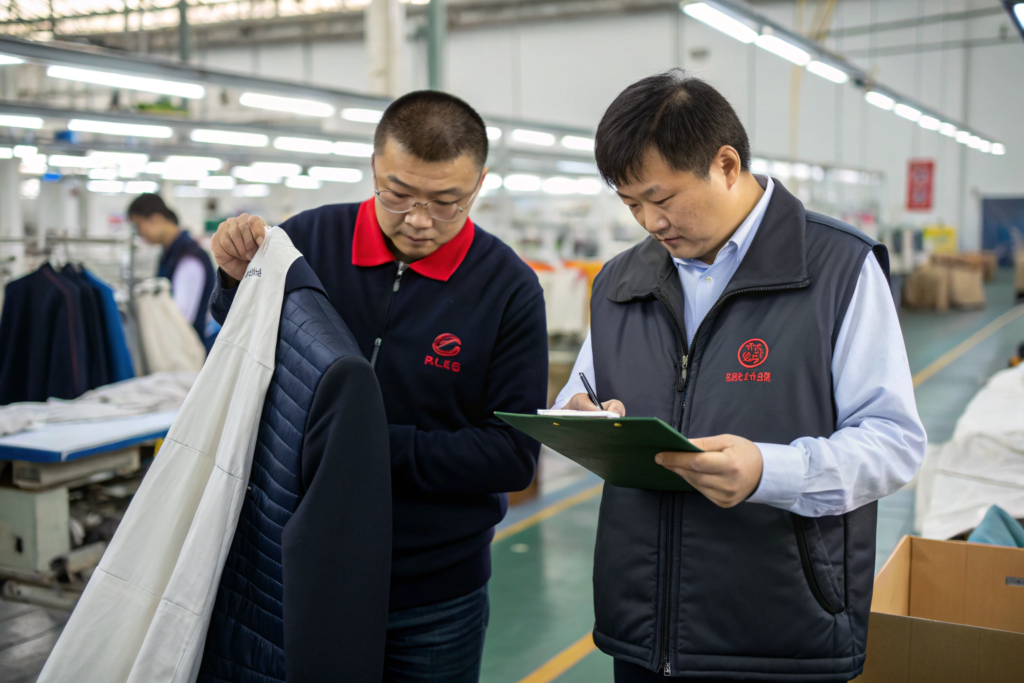
Third-party audits and inspections provide independent verification. They remove bias. They provide objective data. For many brands, especially larger ones, they are a requirement. But even for smaller brands, they are a valuable tool for building trust.
What types of third-party audits are most valuable?
There are several types of third-party audits. Each serves a different purpose. You should choose the ones that matter most for your business.
- Social compliance audit: This verifies that the factory treats workers fairly. It checks working hours, wages, health and safety, and child labor. Standards like amfori BSCI, SMETA, or WRAP are common. This audit is important for brands that care about ethical sourcing.
- Quality management audit: This verifies that the factory has systems to ensure consistent quality. ISO 9001 is the most common standard. This audit shows that the factory has documented processes.
- Technical capability audit: This verifies that the factory has the right equipment and skills for your product. This is often done by the brand or a specialist auditor.
- Security audit: This verifies that the factory has security measures to prevent theft or tampering. C-TPAT is common for brands shipping to the US.
A client in New York required a full amfori BSCI audit before they would work with us. We arranged the audit. We passed. The report gave them confidence. They knew we met international standards for social compliance. They placed their first order. The audit was the foundation of trust.
You can request the factory to share their most recent audit reports. Many factories have them. If a factory refuses to share or claims they have never been audited, that is a red flag. A legitimate factory will have been audited by someone.
How do pre-shipment inspections provide assurance?
A pre-shipment inspection is the final quality check. An independent inspector visits the factory. They randomly select finished goods. They inspect against your AQL standards. They issue a report. You decide whether to ship.
For new factory relationships, a pre-shipment inspection is essential. It gives you independent confirmation that the goods meet your quality standards. It also shows the factory that you take quality seriously. They know that their work will be checked.
We work with third-party inspection companies regularly. Our clients use them. We welcome them. A good factory has nothing to fear from an inspection. We know our quality is high. We want the client to see that.
A client in Atlanta used a third-party inspection on their first order with us. The inspector spent two days at our facility. The report showed a 98% pass rate. The client was satisfied. They stopped using third-party inspections for subsequent orders. The first inspection built trust. Now they trust our internal QC.
You should use a reputable inspection company. SGS, QIMA, and Bureau Veritas are well-known. They have local offices. They can send inspectors quickly. The cost is usually a few hundred dollars per day. For a large order, it is money well spent.
How to Build a Long-Term Trusting Relationship with Your Factory?
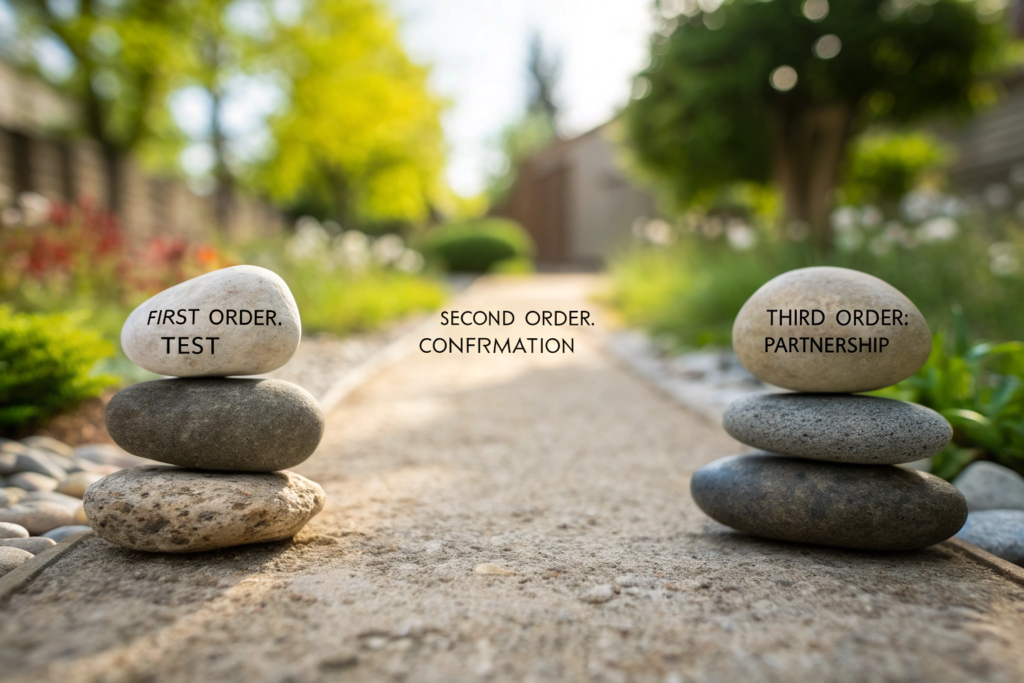
Trust is not built in one transaction. It is built over time. The first order is a test. The second order is a confirmation. The third order is a partnership. Each successful order builds on the last. Over time, trust becomes deep. You stop worrying. You know they will deliver.
How do regular visits and face-to-face meetings deepen trust?
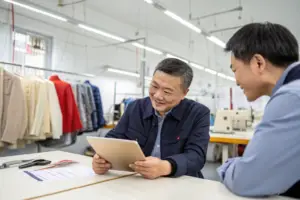
Nothing replaces face-to-face interaction. A video call is good. An in-person visit is better. When you meet someone in person, you see them as a person. You build a personal connection. This connection makes problem-solving easier. It makes communication smoother.
If you can, visit your factory. Walk the production floor. Meet the workers. Have a meal with the management. Ask questions. Learn about their business. Show them your products. Show them your market. This mutual understanding builds a strong foundation.
I have visited many of our clients in their home countries. I have seen their stores. I have met their teams. These visits have transformed our relationships. They understand our challenges. We understand theirs. When problems come up, we solve them faster because we have a personal connection.
A client in San Francisco visits us every year. They spend two days at our factory. They review production. They meet our team. They bring their design team to work with our sample makers. These visits have built a deep partnership. They now treat us as part of their team. We treat their orders as our priority.
If you cannot visit, consider hiring a local agent. An agent in the factory's country can visit on your behalf. They can build relationships for you. They can represent your interests. This is a common practice for brands that cannot travel frequently.
How do consistent communication and transparency maintain trust?
Trust requires consistency. You need to communicate regularly. You need to share information. You need to be transparent about your challenges. You need to give the factory the same transparency you expect from them.
Establish a regular communication rhythm. A weekly call or email update works well. Share your sales forecasts. Share your production plans. Share your challenges. When you have a problem, communicate it early. Do not hide it. The factory will respect your honesty.
A client in Chicago has a weekly video call with us. We review every style in production. We discuss any issues. We make decisions together. This call takes 30 minutes. It saves hours of back-and-forth emails. It builds trust because we are always aligned.
Transparency also means admitting mistakes. When we make a mistake, we tell the client immediately. We do not hide it. We explain what happened. We propose a solution. This honesty builds trust. The client knows they can rely on us to be honest, even when the news is bad.
You should also celebrate successes together. When a collection sells out, share that with your factory. Tell them their work contributed to your success. This positive feedback builds loyalty. It makes the factory want to work harder for you.
Conclusion
Building trust with a foreign clothing manufacturer over the internet is possible. It requires a systematic approach. You verify credentials through documents and video calls. You start with a small test order to prove capability. You use third-party audits and inspections for independent verification. You invest in face-to-face relationships over time. You communicate consistently and transparently.
Trust is not about blind faith. It is about verification. It is about building a history of successful transactions. Each order that meets quality and delivery expectations adds to the trust. Each problem that is resolved fairly adds to the trust. Over time, the trust becomes deep. The anxiety goes away. You have a partner, not just a vendor.
At Shanghai Fumao, we have built our business on trust. We welcome verification. We encourage test orders. We work with third-party auditors. We invite clients to visit. We communicate consistently. We believe that transparency is the best foundation for a long-term partnership. Our clients stay with us for years because they trust us.
If you are looking for a manufacturing partner you can trust, we would like to start the conversation. Our Business Director, Elaine, can walk you through our verification process. She can arrange a video call. She can answer your questions. You can reach her at elaine@fumaoclothing.com. Let us build trust together, one order at a time.