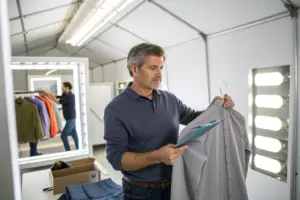
For U.S. apparel brand owners, sourcing garments that are safe and certified is non-negotiable. But knowing a product has a certificate and ensuring your entire supply chain is contractually bound to deliver it are two very different things. A simple certificate submission isn't enough; you need a robust supplier agreement that turns compliance from a promise into a legally enforceable standard. This is especially critical when sourcing from developing countries, where documentation risks and communication gaps can derail your quality commitments.
To build a supplier agreement around OEKO-TEX compliance, you must move beyond requesting a certificate. You need to embed specific clauses covering certification scope, financial responsibility, audit rights, non-compliance penalties, and raw material traceability directly into your manufacturing contract. This transforms a voluntary standard into a binding production requirement, protecting your brand from hidden chemical risks and supply chain failures.
Many buyers think the job is done once they receive an OEKO-TEX STANDARD 100 certificate copy. However, without a solid contract, you might be unprotected if the certified fabric lot finishes and the supplier switches to an uncertified material for your next batch, or if the certificate itself is found to be invalid. A well-structured agreement is your primary risk management tool.
What are the key clauses for OEKO-TEX in a supplier contract?
You need specific language that covers all aspects of compliance. Vague statements like "must be certified" leave room for interpretation and dispute. Your contract must act as an operational manual for compliance.
A strong agreement details the exact OEKO-TEX standard required (e.g., STANDARD 100, Class I for infant wear), who applies and pays for it, how it's verified, and what happens if it fails. It shifts the burden of proof and cost of failure onto the supplier, aligning their incentives with your safety standards. This clarity is what prevents the "efficient communication" issues many buyers face—everything is written down upfront.
What certification specifics must be defined?
The contract must specify the exact standard, product class, and certification scope. For instance, you should require OEKO-TEX STANDARD 100 with the appropriate product class (I, II, III, or IV). Crucially, the certificate must cover the final, finished garment, not just the fabric. A common pitfall is suppliers obtaining certification for greige goods (raw fabric), but the dyes and auxiliaries used later may not be certified. Your clause should state: "The Supplier warrants that the finished Goods shall comply with and be certified under OEKO-TEX STANDARD 100, Product Class [X], for the entire article." Furthermore, you must require the supplier to provide a valid, verifiable certificate number for each production batch, which you can check on the official OEKO-TEX certification database. This level of detail closes the door on certificate falsification, a known pain point for international buyers.
Who bears the cost and liability for testing?
This is a critical financial and risk allocation point. The contract should clearly state that the supplier is responsible for all costs associated with obtaining and maintaining the required certification. More importantly, it must include a strong indemnity clause. For example: "Supplier shall indemnify and hold the Buyer harmless from all costs, damages, and losses arising from any non-compliance of the Goods with the stipulated OEKO-TEX standard." This means if a shipment is rejected at port or leads to a consumer lawsuit due to harmful substances, the supplier is contractually obligated to cover recalls, fines, and legal fees. At Shanghai Fumao, our full-package manufacturing contracts explicitly include this, giving our clients peace of mind. We had a case last year where a client’s competitor faced a batch contamination issue; because our agreement held us accountable, we absorbed the full cost of re-production and expedited shipping, saving our client's seasonal launch.
How to verify compliance beyond the certificate?
A certificate is a piece of paper. Verification is an active process. Your supplier agreement must grant you the right to audit and test, turning the document into a tool for ongoing oversight.
Relying solely on a submitted certificate is risky. Your contract should give you the right to conduct independent third-party testing on pre-shipment samples or even randomly selected goods from finished batches. The cost of this testing should be borne by the supplier if the goods fail to meet the contracted standard. This clause acts as a powerful deterrent against quality fade. Additionally, you can require the supplier to provide test reports from accredited laboratories for each batch's key materials. For full transparency in your apparel manufacturing process, consider stipulating that the supplier must maintain a traceability system for all certified raw materials, from fabric to threads and trims, and provide this documentation upon request.
What audit rights should you insist on?
Your contract should include a right-to-audit clause. This allows you or a designated third-party inspector to visit the production facility with reasonable notice to review records, observe processes, and take samples for testing. The clause should cover the scope (e.g., review of purchase orders for certified materials, inspection of storage to prevent contamination, audit of testing records), frequency, and protocol. This directly addresses the pain point of delayed shipments due to last-minute quality failures. By catching potential compliance issues early in production, you avoid missing your selling season. A client from Texas once shared how a previous supplier's unannounced material switch caused a six-week delay. Now, our contract with him allows for one scheduled and one spot-check audit per production cycle, ensuring complete visibility.
Can you trust the supplier's sub-suppliers?
Often, the main manufacturer sources fabric from a mill. Your agreement must enforce compliance upstream. Include a clause that requires the manufacturer to flow down all OEKO-TEX obligations to its sub-suppliers and to provide you with the mill's certificates upon request. Better yet, for critical materials, you can specify approved sub-suppliers that you have pre-vetted. This builds a chain of custody. For example, you might state: "Supplier shall source all textile materials from mills listed in Appendix A, all of which hold valid OEKO-TEX STeP certification for environmentally friendly production." This approach aligns with the best practices in sustainable apparel sourcing and gives you deeper supply chain control.
How to handle non-compliance and rejected shipments?
The agreement must pre-determine the consequences of failure. This removes ambiguity during a crisis and protects your business.
Clearly defined remedies for non-compliance are essential. The contract should outline a step-by-step process: 1) Notification of failed test, 2) Supplier's right to a counter-test at an agreed-upon lab, 3) Actions required if non-compliance is confirmed (e.g., rework, replacement, or cancellation), and 4) Associated costs and penalties. A liquidated damages clause for delayed shipments due to the supplier's compliance failure can be included. For instance: "If shipment is delayed due to the Goods' failure to meet the OEKO-TEX standard, Supplier shall pay liquidated damages of X% of the order value per week of delay." This financial penalty compensates you for potential lost sales from missing the selling season.
What are the immediate steps after a failed test?
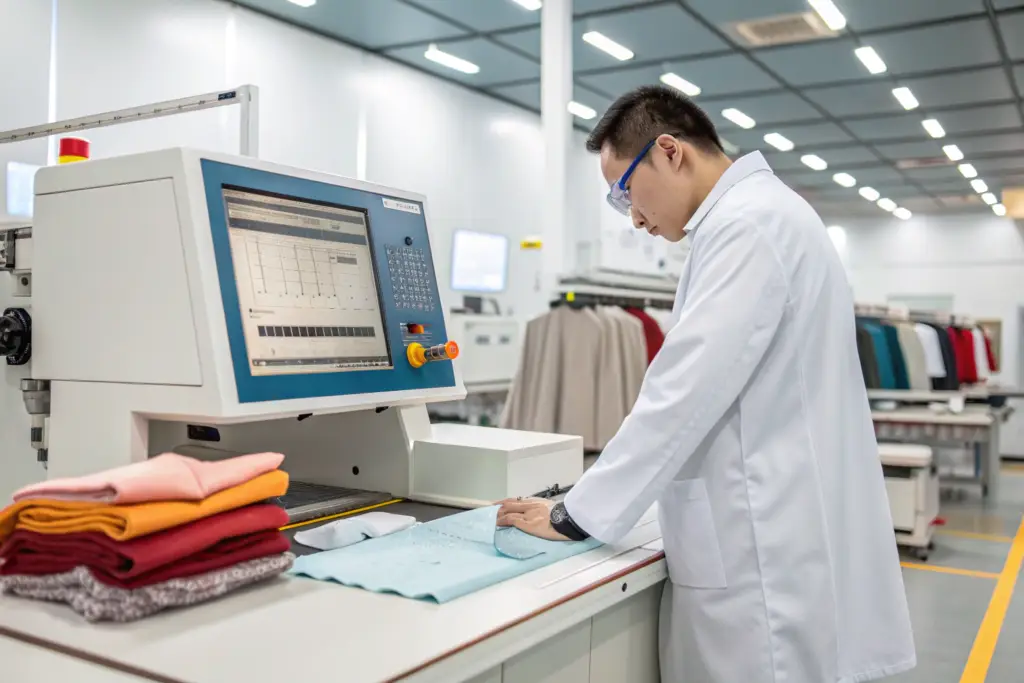
Your contract should mandate a swift response. A sample clause might read: "Upon notification of a failed compliance test, Supplier shall immediately halt all production and shipping of the affected Goods. Within 48 hours, Supplier must submit a corrective action plan. Buyer retains the right to cancel the order without penalty and source replacement goods elsewhere at Supplier's expense." This gives you control and forces rapid resolution. In our experience at Shanghai Fumao, having this clear process allowed us to resolve a potential issue within one week for a client's knitwear order, where a secondary component was flagged. We replaced the component and re-tested, avoiding any impact on the delivery schedule.
Who pays for returns, recalls, and reputational damage?
The indemnity clause is key here, but it should be expanded. The agreement should state that the supplier is responsible for all costs related to the return shipping, destruction, or remediation of non-compliant goods. Furthermore, it should cover the reasonable costs of a product recall if the goods have already entered the market. While quantifying reputational damage is hard, the contract can state that the supplier is liable for all direct financial losses incurred by the buyer due to the non-compliance. This comprehensive financial responsibility aligns the supplier's interests with delivering a safe, certified product every single time.
Why choose a full-package manufacturer for compliance?
Partnering with a vertically responsible manufacturer simplifies contract enforcement and reduces risk significantly. A full-package partner like Shanghai Fumao manages the entire chain under one roof.
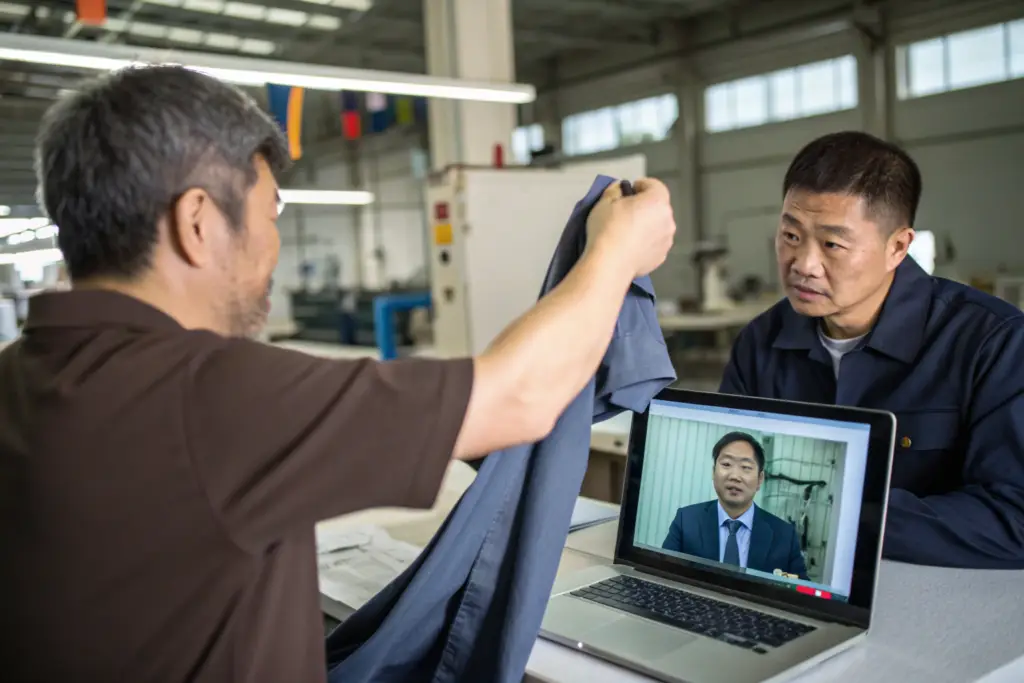
When you work with a full-package manufacturer, you have one contract with one entity responsible for everything from material sourcing to final shipment. This consolidates all the compliance obligations you've painstakingly written into your agreement. There is no passing blame between fabric mill and factory. The manufacturer has direct control over and responsibility for every component. This model inherently reduces the risk of communication gaps and certificate falsification from sub-suppliers. The manufacturer's own quality control systems become an extension of your compliance requirements. For example, our DDP (Delivered Duty Paid) service mode means we handle all logistics and customs with the certified products, ensuring the documentation trail is seamless and intact from our door to your warehouse.
How does vertical control ensure material traceability?
A full-package manufacturer with in-house sourcing or tightly controlled long-term mill partnerships can provide unparalleled traceability. They can often offer you a bill of materials (BOM) with corresponding OEKO-TEX certificate numbers for each item. This is far more robust than a single certificate for the final product. It allows for targeted verification and makes audit processes smoother. This control directly addresses the core need for reliable quality control from the source.
Can they offer more than just STANDARD 100?
A sophisticated partner can help you build a more comprehensive sustainability agreement. Beyond OEKO-TEX STANDARD 100, you can contract for STeP certification for the factory's sustainable processes or MADE IN GREEN labels for traceable and sustainable products. By choosing a manufacturer already invested in these certifications, like our facility at Shanghai Fumao, you can incorporate these higher standards into your agreement with less friction and cost. It transforms your supplier agreement from a basic compliance document into a strategic tool for brand value enhancement.
Conclusion
Building a supplier agreement around OEKO-TEX compliance is not about adding a single line item. It is about constructing a detailed legal and operational framework that manages risk, clarifies responsibilities, and embeds product safety into the very DNA of your production order. From defining the exact certification and audit rights to establishing clear financial penalties for failure, each clause serves to protect your brand, your customers, and your seasonal timelines. Moving from a transactional certificate-check to a relationship governed by a strong contract is the mark of a professional, scalable sourcing operation.
Ultimately, the easiest way to ensure this complex agreement is followed is to partner with a manufacturer who views compliance as a core business pillar, not a marketing checkbox. If you are looking to bring your apparel visions to market with the confidence that every stitch meets the highest safety standards, let's build that agreement together. Contact our Business Director Elaine to discuss how we can craft a secure and productive partnership for your next order. Reach her at: elaine@fumaoclothing.com.