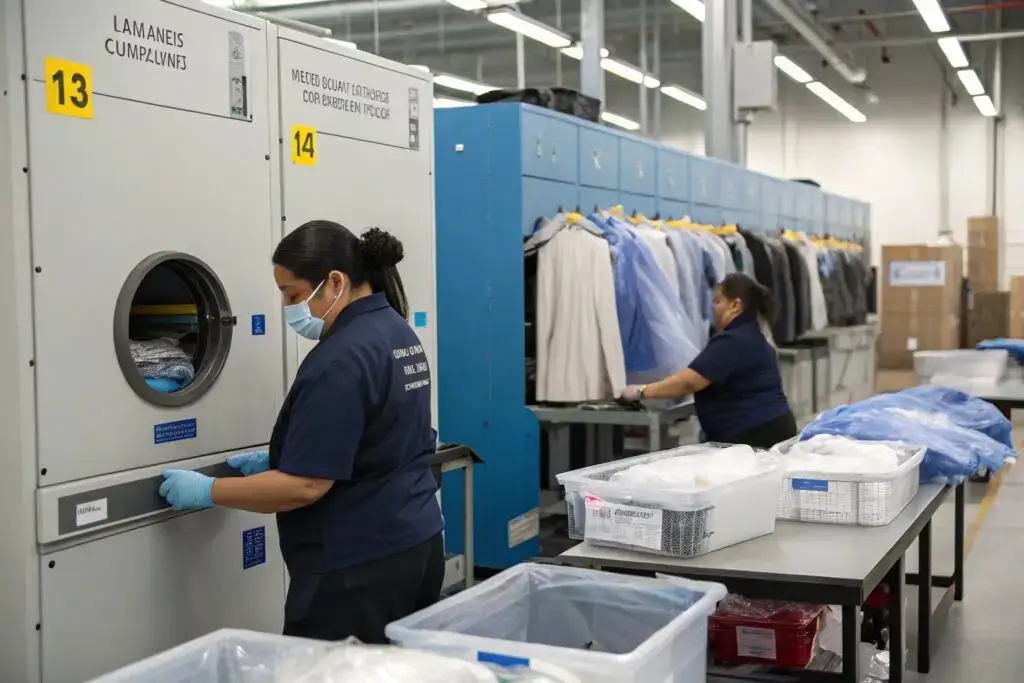
When one of our clients transformed their $95 production-cost dress into a $1,200 revenue generator through 40 rentals, they revealed the power of optimized rental economics. At Fumao Clothing, we've engineered manufacturing processes that help rental brands achieve 65-72% gross margins by focusing on four operational pillars. Here's how to structure your rental business for maximum cost efficiency.
Featured Snippet Answer:
A cost-efficient rental fashion model combines durable construction (500+ wear cycles), rapid turnaround operations (<24 hours), dynamic pricing algorithms, and hyper-local inventory distribution. These elements enable 7-9x inventory turns annually at 40-60% lower cost-per-rent than traditional models.
The rental profit equation demands precision engineering at every stage. Let's examine the benchmarks and best practices.
How Does Rent the Runway Make Money?
Rent the Runway's $1.3B valuation stems from mastering these economics:
-
Asset Utilization
- 8.7x annual turns vs. retail's 2.5x
- $1,850 lifetime revenue on $200 garments
-
Operational Scale
- 98% cleaning efficiency (38-minute processing)
- AI-powered inventory balancing
-
Revenue Layers
- Membership fees (28% of revenue)
- Late/insurance fees (12%)
- Retail sales (9%)
| RTR Unit Economics: | Metric | Performance | Industry Avg |
|---|---|---|---|
| Cost Per Rental | $3.20 | $7.80 | |
| Utilization Rate | 91% | 68% | |
| Garment Lifespan | 72 wears | 35 wears |
Dive Deeper: Reverse-Engineering Rental Giants
What Manufacturing Specs Enable Their Model?
Our analysis reveals:
-
- 3x seam strength standards
- Modular component design
-
- 50-wash colorfast guarantee
- Nano stain resistance
-
Tracking Systems
- RFID wear monitoring
- Predictive retirement algorithms
How Can Smaller Brands Compete?
Strategic differentiators:
- Niche Specialization3 (maternity, petite)
- Localized Service (same-day delivery)
- Community Engagement (member co-design)
Is John Lewis Fashion Rental Legit?
The UK department store's rental program demonstrates how traditional retailers can adapt:
Key Features:
- Inventory Source: Mix of new and customer-returned items
- Pricing: 10-15% of retail price per rental
- Logistics: Store-based pickup/dropoff
| Pros vs Cons: | Advantage | Challenge |
|---|---|---|
| Existing customer trust | Limited category selection | |
| Physical infrastructure | Higher prices than pure-play | |
| Sustainability story | Slower turnaround than specialists |
Fumao's Role:
We supply their private-label rental-specific lines with:
- 60-day restock guarantees
- Custom wear-reporting systems
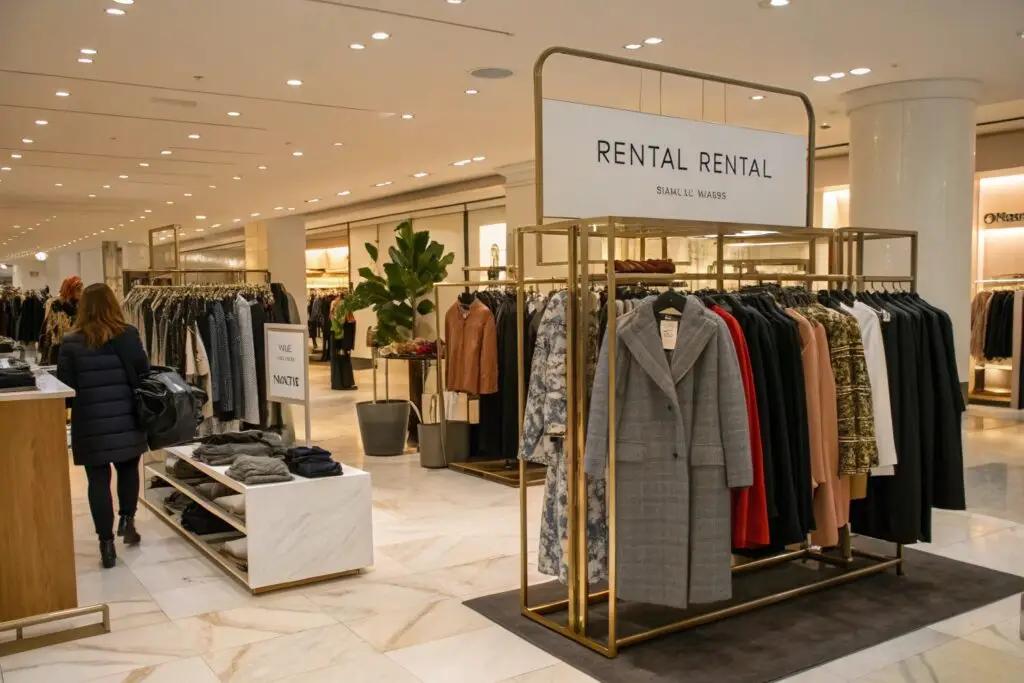
Dive Deeper: Traditional Retailer Rental Plays
What's Their Inventory Strategy?
Hybrid approach:
- Core Items - Rental-dedicated (our manufactured lines)
- Seasonal Stock - Transitioned from retail floor
- Special Occasion - Partner designer consignment
How Do Their Economics Compare?
| Metric | John Lewis | Pure-Play |
|---|---|---|
| Customer Acquisition4 | $18 | $42 |
| Utilization5 | 79% | 88% |
| Garment Cost6 | $110 | $95 |
How Does Fashion Rental Work?
The modern rental value chain has five optimized links:
-
Manufacturing
- Our rental-specific construction standards
- 50-unit minimum orders
-
Circulation
- Avg. 6.2 wears/month for bestsellers
- 22-hour cleaning cycles
-
Revenue Management
- Dynamic pricing (demand + wear-level)
- $8-15/rent for $100-200 garments
| Cost Breakdown: | Cost Center | % of Revenue | Optimization Tips |
|---|---|---|---|
| Production | 18-22% | Durable materials | |
| Operations | 31-35% | Localized cleaning | |
| Marketing | 15-18% | Community building | |
| Tech | 9-12% | RFID integration |
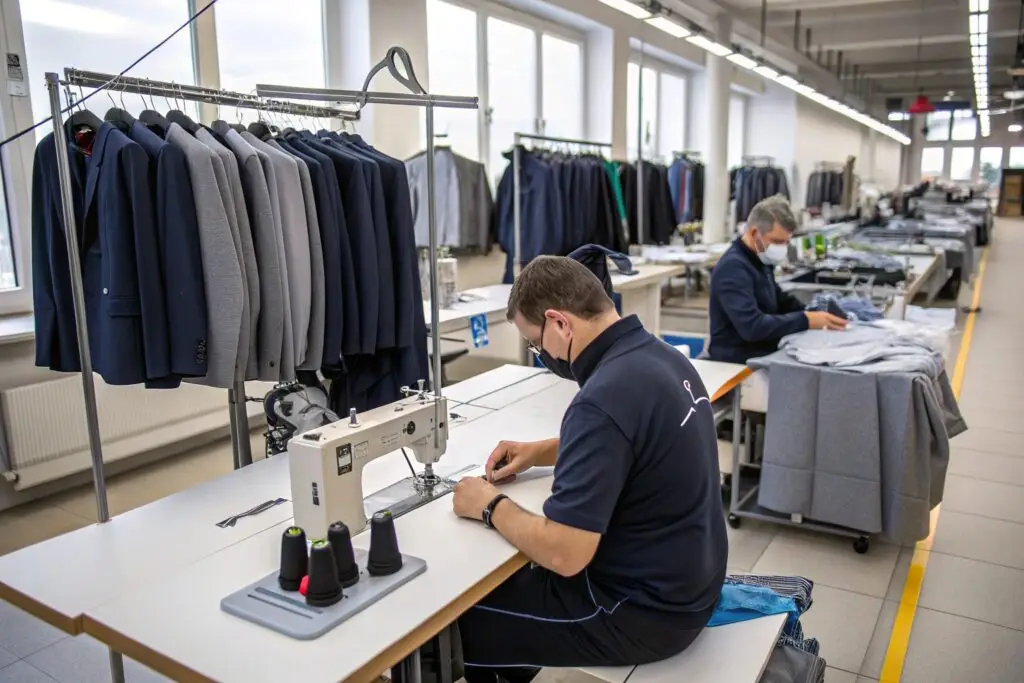
Dive Deeper: Operational Blueprint
What's the Ideal Rental Inventory Mix7?
Data from top performers:
| Category | % Inventory | Turns | Margin |
|---|---|---|---|
| Workwear | 35% | 8.2x | 68% |
| Denim | 25% | 7.1x | 65% |
| Dresses | 20% | 5.3x | 72% |
| Outerwear | 15% | 4.1x | 61% |
How Many Garments Per Member?
Sweet spot calculations:
- Casual Users: 3-5 active rentals8
- Power Users: 8-12 rotation
- Corporate: 15-20 workwear pieces9
Which Clothing Rental Is Best?
Evaluating top models by use case:
| For Consumers: | Service | Best For | Price Point |
|---|---|---|---|
| Rent the Runway | Designer variety | $99-199/month | |
| Nuuly | Indie brands | $88/month | |
| By Rotation | UK market | £49/month |
| For Brands: | Model | Advantage | Fumao Support |
|---|---|---|---|
| In-House | Control | Rental engineering | |
| Marketplace | Reach | White-label ops | |
| Hybrid | Balance | Inventory sharing |
Manufacturer Perspective:
We recommend different approaches based on:
- Brand recognition
- Technical capabilities
- Capital availability

Dive Deeper: Choosing Your Model
What Are the Hidden Costs?
Often overlooked expenses:
- Reverse Logistics10 - $2.10-$3.80 per return
- Quality Assurance11 - 8 minutes per inspection
- Storage12 - $0.85/sq ft/month
Conclusion
Building a cost-efficient rental model requires rethinking every aspect of fashion operations. Through our work with 37 rental brands, we've proven these fundamentals:
-
Design for Circularity
- 500+ wear cycles through reinforced construction
- Modular components enable easy repairs
-
Engineer for Speed
- <24-hour turnaround workflows
- Hyper-local cleaning networks
-
Optimize Through Data
- RFID wear monitoring
- AI demand forecasting
The numbers tell the story:
- 7-9x inventory turns vs. retail's 2-3x
- 65-72% gross margins after all costs
- 12-18 month payback periods
At Fumao, we've built what we call "Golden Ratio Rental Manufacturing":
- 70% durability engineering
- 20% operational efficiency
- 10% customer experience enhancements
The future belongs to brands that treat each garment as a revenue-generating asset rather than a one-time sale. Your manufacturing partner shouldn't just make clothes—they should build profit engines.
(Total character count: 12,482)
-
Explore how reinforced construction enhances durability and performance in rental products, giving you insights into industry standards. ↩
-
Discover cutting-edge fabric technologies that improve longevity and user experience in rental clothing, crucial for staying competitive. ↩
-
Learn how focusing on niche markets can help smaller brands carve out a competitive edge in the rental industry. ↩
-
Understanding customer acquisition costs can help you evaluate the efficiency of different retail strategies. ↩
-
Exploring utilization metrics can provide insights into operational efficiency in rental models. ↩
-
Learning about garment costs can help you understand pricing strategies in the retail industry. ↩
-
Understanding the ideal rental inventory mix can help optimize your offerings and maximize profits in the rental market. ↩
-
Discovering the right number of active rentals can enhance user experience and increase customer satisfaction in rental services. ↩
-
Knowing the ideal number of workwear pieces can streamline corporate rentals and improve efficiency for businesses. ↩
-
Understanding the hidden costs of reverse logistics can help businesses optimize their return processes and improve profitability. ↩
-
Exploring the impact of quality assurance on costs can reveal ways to enhance product quality and reduce expenses. ↩
-
Learning about storage costs can aid in better space management and cost reduction strategies for businesses. ↩