Whether it’s port congestion, factory lockdowns, fabric shortages, or sudden regulatory changes—supply chain disruptions are now a routine part of the apparel business. And for buyers like Ron, who depend on stable delivery timelines, even a one-week delay can mean lost sales and customer complaints.
Building a contingency plan is no longer optional—it's the difference between reacting late or responding fast when a disruption hits. At Fumao Clothing, we've helped U.S. and EU apparel clients stay operational through the pandemic, strikes, and fabric rationing by setting up proactive risk buffers.
In this guide, I’ll share how to create a realistic, flexible clothing supply chain contingency plan—based on real-world scenarios, not just theory.
What Risks Should You Prepare for in Apparel Supply Chains?
From our experience manufacturing for over a decade, clothing supply chains face more complex risks than ever. They’re also highly seasonal and inventory-sensitive—missing your launch window often means deadstock.
Key risks include supplier failure, logistics delays, raw material disruptions, policy shifts, and geopolitical instability.
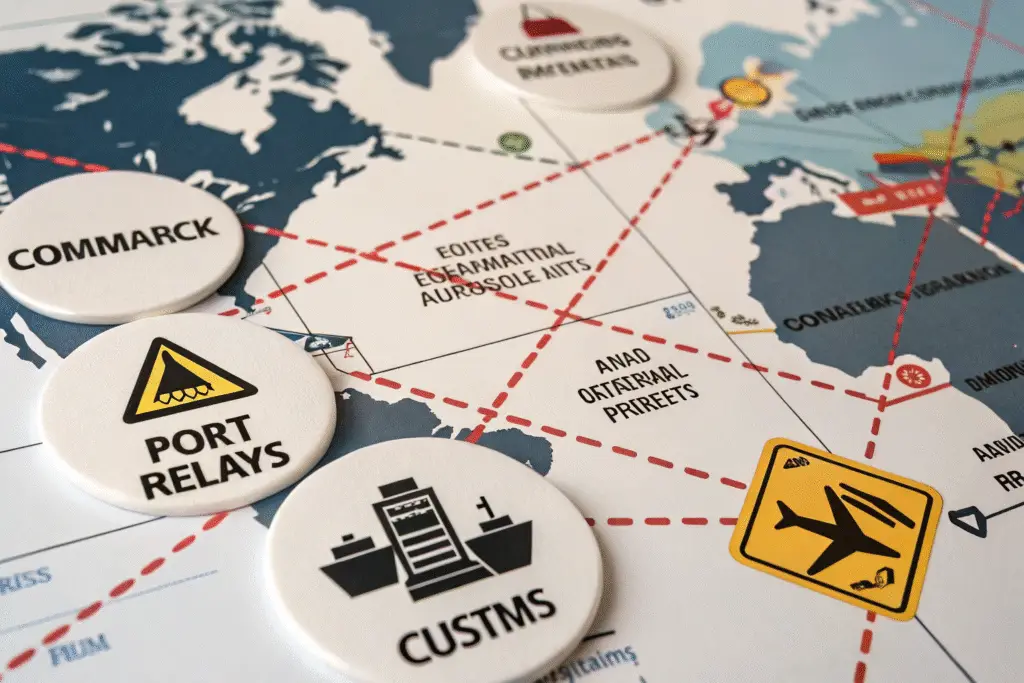
What Are the Most Frequent Supply Chain Threats?
- Port congestion (e.g., LA/Long Beach in 2021)
- Lockdowns (like China’s COVID-era closures)
- Textile raw material inflation (cotton, spandex, dyes)
- Tariff hikes and de minimis changes
- Labor strikes at warehouses or ports
Platforms like SupplyChainBrain or Sea-Intelligence track global disruption trends.
How Are Clothing Brands Uniquely Affected?
- Just-in-time inventory models don’t handle delay well
- Seasonal goods become obsolete if late
- Customs classification errors delay entire containers
- Factory overbooking leads to missed production slots
- Price spikes in shipping (e.g., 2021 container crisis)
Explore real case studies from Sourcing Journal for context.
How to Build a Tiered Response Strategy?
Not every disruption requires full panic mode. A good contingency plan categorizes events and assigns response levels, so your team knows exactly what to do based on severity.
Segment your response into Tiers: Supplier-level, Logistics-level, and Market-level, with specific fallback actions assigned.
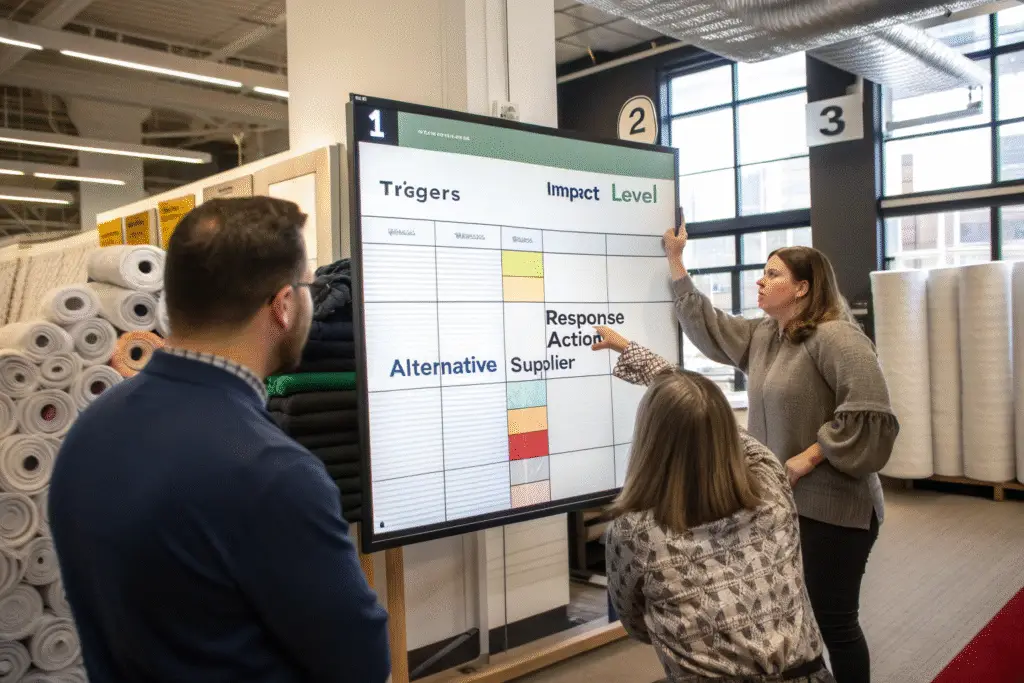
What Should Each Tier Include?
| Tier | Trigger Example | Action Plan |
|---|---|---|
| 1 | 1–2 week delay in production | Buffer stock release, split shipment |
| 2 | Port backlog or freight rate surge | Shift to alternate route or forwarder |
| 3 | Factory shutdown or embargo | Switch to backup supplier, update POs |
See response templates from Resilinc or McKinsey’s fashion resilience guide.
Who Should Own Each Action?
Assign roles:
- Factory team: Monitor daily WIP and raw material input
- Logistics manager: Pre-book space with 2–3 forwarders
- Sourcing head: Maintain active backup supplier database
- Finance: Approve urgent cost changes (air freight, rerouting)
We use tools like Monday.com and Notion to track these roles across projects.
What Supplier Backup Systems Can You Set Up?
The best time to find a backup supplier is before you need them. We help clients build a tiered supplier ecosystem—main vendor, secondary vendor, and low-volume emergency vendor.
Keep at least one pre-qualified backup factory for each major apparel category, especially for core items.
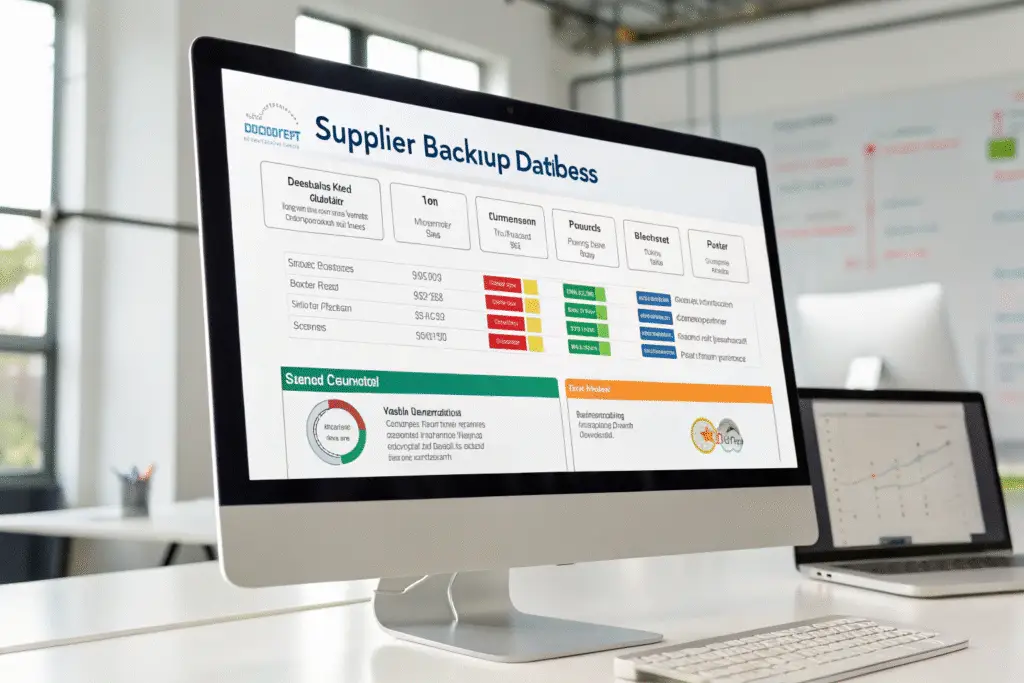
How Do You Qualify Backup Vendors?
- Conduct small test orders (100–300 pcs)
- Check ISO, BSCI, GOTS certifications
- Compare production timelines with your main vendor
- Pre-negotiate base pricing and MOQ
- Share sample packs + tech packs early
Use platforms like Fibre2Fashion or Globalsources to screen new partners.
When Should You Trigger a Backup Supplier?
- Production delay exceeds 10 days
- Key materials (zippers, thread) stuck in customs
- Existing factory hits 90% line utilization
- Political restrictions on region of origin (e.g. Xinjiang)
Track lead times and alerts using Anvyl or Tradeshift.
How to Use Inventory and Logistics Buffers Effectively?
Building resilience doesn’t always mean more suppliers—it can also mean smarter inventory and logistics planning. Strategic buffers buy you time while your contingency plan activates.
Maintain 2–4 weeks of buffer stock for top SKUs, stagger shipments, and keep freight alternatives open year-round.
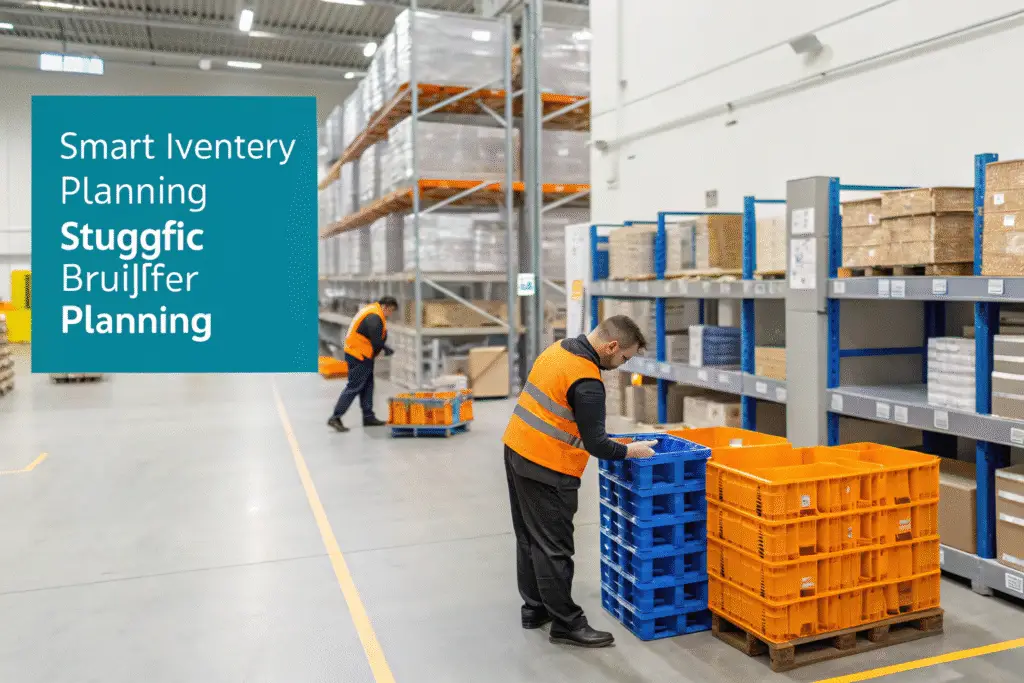
How Much Buffer Stock Is Enough?
- Top 20% SKUs: 2–4 weeks of sell-through
- Private label seasonal items: 5–10% buffer in local warehouse
- Custom trims/components: Keep 10% excess at supplier’s location
Use inventory planning software like Netstock or Zoho Inventory.
What Freight Options Should Be Ready?
- DDP for high-value or urgent deliveries
- FOB + multiple forwarders for flexibility
- LCL fallback in case FCL is unavailable
- Air freight budget buffer for key launches
You can benchmark freight scenarios on Freightos or Maersk Flow.
Conclusion
No one can prevent global disruptions—but you can outmaneuver them. With the right contingency plan, apparel brands don’t just survive supply chain shocks—they build trust by staying on time when competitors fail.
At Fumao Clothing, we help clients build resilience from the start. Our production planning, flexible capacity, and multi-channel shipping allow global buyers to stay competitive—rain or shine.
To discuss how we can support your risk strategy and reduce future supply chain shocks, contact our Business Director Elaine at elaine@fumaoclothing.com today.