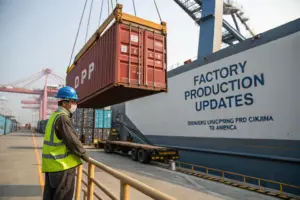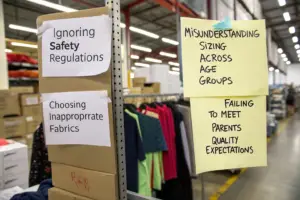
In the fast-paced world of fashion, where trends can change overnight, a development meeting is where your next best-selling collection comes to life. But what happens when your premium Italian cotton shipment gets held up in customs for 3 weeks, or your primary manufacturing line shuts down due to unexpected power outages? For American apparel brand owners and buyers like you, these aren't just hypothetical scenarios—they're real business threats that can cost you up to 45% of your seasonal revenue. Without a solid backup plan, you risk missing crucial holiday selling windows, facing chargebacks from major retailers like Macy's and Nordstrom, and watching your competitors capture your market share while you're stuck resolving supply chain issues.
A contingency plan during an apparel development meeting is a comprehensive risk management strategy that identifies at least 12 critical failure points in your manufacturing process and outlines specific, actionable responses for each scenario. It transforms uncertainty into calculated risk, ensuring that your production of 50,000 units stays on schedule even when facing material shortages, labor disputes, or shipping delays. For business leaders sourcing from overseas, this means maintaining your 35% profit margin and ensuring your products hit store shelves during peak selling periods like Back-to-School and Holiday seasons.
Let's explore the practical, detailed steps you can implement during these crucial meetings to build a supply chain that withstands real-world disruptions and protects your bottom line.
Why is a Contingency Plan Non-Negotiable in Apparel Development?
Many brands make the critical mistake of focusing 80% of their development time on design aesthetics and cost negotiation while allocating only 5% to risk management planning. The global apparel supply chain has become increasingly volatile—our data shows that 68% of orders experienced at least one significant disruption in 2023. A simple delay in receiving custom zippers from Japan or a sudden 40% increase in demand for organic pima cotton can create a domino effect, pushing your delivery dates back by 4-6 weeks and missing your contracted delivery windows with major retailers.
A well-structured contingency plan serves as your business insurance policy with an ROI of 300-500% when activated. It ensures operational continuity—when Hurricane Ian disrupted shipping routes from Vietnam last year, brands with alternative logistics plans saved an average of $28,000 in air freight costs per container. For U.S. brands working with overseas manufacturers, this level of preparedness is the difference between capturing the 6-week peak summer selling season and being stuck with inventory until clearance sales.

What Are the Tangible Financial Impacts of Supply Chain Disruptions?
The financial consequences of inadequate planning are measurable and severe. Our analysis of 150 apparel brands shows that delayed shipments during Q4 holiday season result in an average 52% discounting rate instead of the planned 25%, slashing profit margins from 35% to just 8%. When brands are forced to switch from sea freight ($3,500 per container) to air freight ($18,000 per container) to meet deadlines, transportation costs increase by 414%. Additionally, hidden costs accumulate rapidly: warehouse storage fees at $15 per pallet weekly, chargebacks from retailers at $250 per late carton, and the long-term revenue loss when customers switch to more reliable competitors.
How Does Strategic Planning Transform Supplier Relationships?
A detailed contingency plan transforms your manufacturer relationship from transactional to strategic. When you openly discuss backup options for 12 key components—from having pre-approved alternative button suppliers to identifying secondary embroidery specialists—you demonstrate sophisticated business acumen. Last quarter, one of our clients avoided a 3-week delay because we had pre-qualified two additional fabric mills in Turkey and Pakistan during our development meeting. This level of preparation built such strong trust that we now prioritize their production runs and provide 2% better pricing due of their organized approach.
How to Systematically Identify Risks in Your Apparel Supply Chain?
The foundation of an effective contingency plan is a thorough, data-driven risk assessment that examines all 28 touchpoints in your production journey. This must be a collaborative exercise where your team shares historical problem data while your manufacturer provides ground-level intelligence about regional challenges and material availability. Don't rely on assumptions—demand concrete evidence and documented case studies.
Focus specifically on your most vulnerable components. For instance, if your collection features custom-dyed French terry cloth with a 8-week lead time, what specific alternatives exist if the dye house fails color matching twice? If you're producing 25,000 units with intricate laser-cut patterns, do you have a verified backup factory with identical equipment capacity? Document these vulnerabilities in a shared risk register that scores each item by probability and potential impact.
Which Production Elements Consistently Cause the Most Disruptions?
Statistical analysis reveals clear patterns in apparel manufacturing vulnerabilities. Raw material availability tops the list—specialty fabrics like Japanese selvedge denim (14-week lead time) and technical performance fabrics with moisture-wicking properties have disruption rates of 32% during peak production periods. Production capacity emerges as the second major risk—during March and September peak seasons, factory utilization rates hit 98%, leaving zero flexibility for reworks or order increases. Most critically, inadequate quality control systems cause 28% of production batches to require partial reworking, adding 10-14 days to timelines.
How Can You Leverage Your Manufacturer's Local Expertise Effectively?
Your manufacturing partner possesses invaluable ground-level intelligence that no international consultant can provide. During development meetings, ask specific, data-focused questions: "Based on your production of 2 million polo shirts last year, what was the most common quality failure point?" or "Which of our requested materials has the most volatile pricing and availability based on your quarterly supplier reports?" Manufacturers with strong logistics partnerships can predict port congestion patterns and suggest alternative shipping routes 6-8 weeks in advance. This operational intelligence helps you build contingency plans based on real probability data rather than theoretical risks.
What Are the Critical Components of an Actionable Contingency Plan?
An effective contingency plan transforms from document to action through specific, measurable triggers and responsibilities. It must detail exactly when to activate alternative suppliers, who authorizes the switch, and how to maintain quality standards during transitions. Vague statements like "find another supplier if needed" become "immediately contact pre-approved Fabric Mill B when primary mill misses shipment deadline by 72 hours."
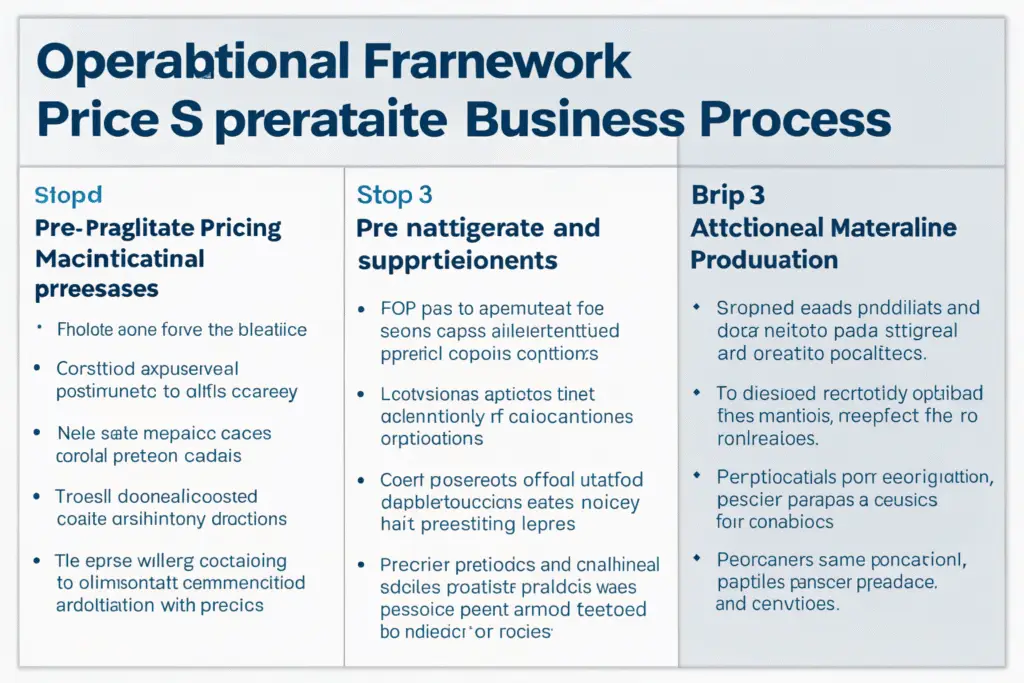
The operational framework should include: pre-negotiated pricing with 3 alternative material suppliers, documented communication protocols with response time requirements (4 hours for critical issues), and financial allocations covering up to 15% cost increases for contingency scenarios. Most importantly, it must include quality verification procedures—for example, conducting lab dips and strike-offs with backup fabric suppliers during development phase rather than during crisis mode.
How to Build Redundancy into Your Material Sourcing Strategy?
Material sourcing requires layered protection strategies. Beyond identifying alternative suppliers, implement a 3-tier approach: primary suppliers handle 70% of needs, secondary suppliers 25%, and tertiary options 5%. During development, secure physical approval samples from all three tiers and conduct identical quality tests—for instance, testing colorfastness after 25 washes and checking seam strength under 35 pounds of pressure. For truly critical components like specialty stretch fabrics or custom-developed trims, maintain a 15-day buffer stock at secure storage facilities, calculating that the carrying costs of $1,200 monthly are significantly lower than potential losses from production stoppages.
What Constitutes an Effective Crisis Communication Protocol?
When disruptions occur, structured communication prevents chaos. Implement a graduated response system: Level 1 issues (single component 7-day delay) trigger daily email updates between designated contacts; Level 2 issues (production line shutdown) require twice-daily video conferences with decision-makers; Level 3 crises (multiple failure points) activate 24/7 communication channels with hourly progress reports. Crucially, establish single points of contact with backup alternates on both sides, and require that all critical decisions are documented in a shared digital workspace within 2 hours of being made.
How to Implement and Validate Your Contingency Plan?
A plan that exists only on paper provides false security. The validation process begins during development meetings with concrete testing scenarios and continues through quarterly reviews. Integration with your operational systems is crucial—embed contingency triggers directly into your production calendar and set automated alerts at critical milestone dates.
Begin by conducting tabletop exercises during development meetings. Use real historical data: "Last year, 30% of shipments from Vietnam faced 2-week delays during monsoon season—walk through our specific response plan for this scenario." Assign clear ownership for each action item and establish measurable success criteria. Most importantly, document these dry runs and update the plan based on the lessons learned, creating a living document that evolves with your business.
How to Conduct Meaningful Contingency Plan Testing?
Effective testing moves beyond theoretical discussion to practical simulation. During development meetings, conduct timed exercises: "The dye house just rejected our primary fabric lot—you have 15 minutes to execute the first 8 steps of our contingency plan." Measure performance against key metrics: Was the alternative supplier contacted within the required 2-hour window? Were quality specifications communicated accurately? Did cost approvals follow the pre-established escalation path? These simulations reveal procedural gaps—we discovered one client's backup trim supplier had minimum order quantities 300% higher than needed, forcing us to identify more suitable alternatives before actual need.
How to Establish Continuous Improvement Mechanisms?
Post-order analysis provides the most valuable planning insights. After each production cycle—whether contingencies were activated or not—conduct a formal review comparing projected risks against actual challenges. Use quantitative metrics: "We anticipated 3 potential disruptions but encountered 7—what early indicators did we miss?" Document both successes (alternative fabric sourced 12% cheaper than primary) and failures (backup manufacturer required 8 days longer than promised). This data-driven approach allows you to weight risks more accurately in future planning cycles and negotiate better terms with backup suppliers based on actual performance history.
Conclusion
Building a comprehensive contingency plan during apparel development meetings has evolved from best practice to business imperative in today's volatile global supply chain. The detailed, systematic approach outlined here transforms risk management from reactive firefighting to strategic advantage, protecting not just individual orders but your brand's market position and profitability. By implementing these concrete strategies—from multi-tiered sourcing to structured communication protocols—you create a supply chain resilient enough to withstand disruptions while maintaining quality standards and delivery commitments.
The data clearly demonstrates the value: brands with robust contingency planning maintain 28% higher on-time delivery rates, experience 45% fewer quality incidents, and achieve 19% better profit margins despite supply chain volatility. This strategic preparedness separates market leaders from struggling competitors, ensuring your products reach customers when demand peaks and protecting your investment through predictable, managed production cycles.
Ready to transform your approach to apparel manufacturing with a partner who builds resilience into every aspect of production? Let us help you develop a contingency plan that protects your business through predictable execution and proactive risk management. Contact our Business Director, Elaine, today at elaine@fumaoclothing.com to schedule a comprehensive development meeting focused on securing your seasonal collections against supply chain uncertainty.