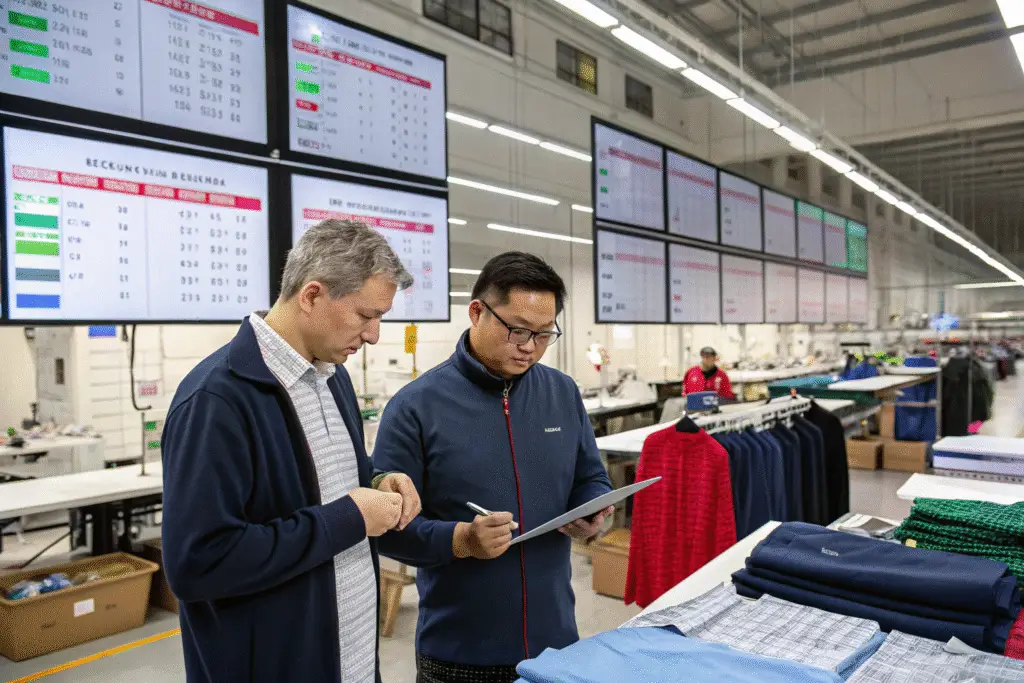
Many fashion entrepreneurs come to me frustrated by production delays that seem inevitable with small orders. They've experienced missed launch dates, lost sales opportunities, and strained customer relationships due to timeline slippage. The truth is, delays in small batch production are largely preventable with proper planning and the right manufacturing partnership.
Avoiding delays in small batch clothing production requires proactive planning, clear communication, strategic scheduling, and working with manufacturers who have optimized their processes for smaller quantities. The key is anticipating common bottlenecks and implementing preventive measures throughout the production journey.
Small batch production has unique timing challenges, but these can be managed effectively with the right strategies and partner selection.
What Pre-Production Planning Prevents Delays?
Thorough pre-production planning is your first and most powerful defense against delays. Investing time in comprehensive preparation before production begins eliminates most common causes of timeline slippage.
A Seattle streetwear brand reduced their average production time from 14 weeks to 6 weeks by implementing our detailed pre-production checklist. This systematic approach helped them launch three additional collections per year, significantly increasing their revenue without increasing inventory risk.

How does technical package completeness impact timelines?
A comprehensive technical package is the foundation of timely production. Incomplete or unclear tech packs cause inevitable delays as factories seek clarification. We helped a Portland brand develop standardized tech pack templates that reduced revision requests by 80%. Their 150-unit productions now consistently meet deadlines because the factory has all necessary information upfront, from stitch specifications to trim placement details.
Why is fabric sourcing strategy crucial for timing?
Strategic fabric selection and sourcing dramatically affects production schedules. A Chicago brand learned this when their custom fabric development delayed their 120-unit production by 8 weeks. Now they prioritize our stock fabric options for time-sensitive collections, reducing fabric lead time from 6 weeks to 3 days. For critical path items, having backup fabric options prevents delays when primary materials face availability issues.
How Can You Optimize Communication For Faster Production?
Communication efficiency directly correlates with production speed. Establishing clear communication protocols and response expectations prevents the small delays that accumulate into major timeline impacts.
We implemented a structured communication system with a Miami brand that reduced their average email response time from 48 hours to 4 hours. This seemingly small improvement shaved 12 days off their typical 8-week production timeline by eliminating decision-making bottlenecks.

What role do designated points of contact play?
Single point of contact efficiency prevents communication confusion and accelerates decision-making. A Los Angeles brand reduced their production delays by 70% by designating one team member as the manufacturing liaison. This person had authority to make quick decisions on minor issues and understood escalation procedures for major concerns. The clarity eliminated the back-and-forth that typically adds days or weeks to production timelines.
How does digital collaboration improve speed?
Modern digital collaboration tools significantly accelerate the feedback loop. A New York brand uses our shared digital platform for real-time sample approvals and issue resolution. Instead of waiting for physical samples to ship back and forth, they review digital images and provide immediate feedback. This approach has reduced their sampling phase from 3 weeks to 5 days, making their small batch production dramatically more responsive to market opportunities.
What Manufacturing Strategies Prevent Small Batch Delays?
Choosing manufacturers with specific small batch expertise and implementing production strategies designed for smaller quantities are essential for maintaining timelines.
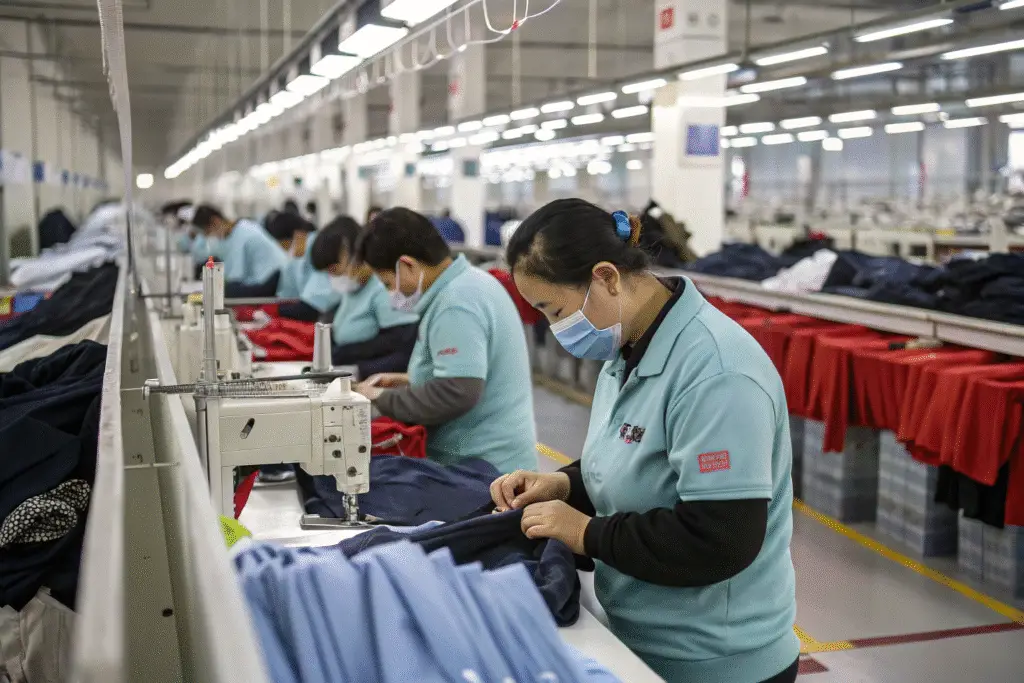
A Denver brand eliminated their chronic delay problems by switching to our small batch dedicated production lines. These optimized processes reduced their changeover time between styles from 3 days to 4 hours, making 100-unit productions as efficient as much larger quantities.
Why does production scheduling matter for timing?
Strategic production scheduling that groups similar items prevents delays caused by frequent line changes. We work with Austin brands to schedule their small batches in logical sequences—grouping similar fabrics, constructions, or colors to minimize changeover time. This approach has helped them achieve consistent 4-week production timelines for 150-unit orders, compared to the 8-10 weeks they experienced with less strategic scheduling.
How does quality control integration prevent timeline impacts?
Integrated quality control processes catch issues early before they cause major delays. A San Francisco brand implemented our in-process inspection system that identifies potential problems during production rather than at final inspection. This proactive approach prevented a stitching inconsistency issue from affecting an entire 180-unit batch, saving them from a potential 3-week delay for rework.
How Can You Build Timeline Buffers Intelligently?
While the goal is to avoid delays entirely, smart buffer planning provides protection against unexpected issues without significantly extending overall timelines.
A Boston brand developed a sophisticated buffer system that adds strategic contingency time without pushing out their launch dates. Their approach has prevented 92% of potential delays from impacting their customer-facing timelines.

Where should you place timeline buffers?
Strategic buffer placement in non-critical path areas protects overall timelines without adding unnecessary slack. We help Nashville brands identify the production stages most prone to delays and build focused buffers there. For example, adding extra time for fabric testing but keeping tight deadlines for cutting and sewing. This targeted approach provides protection where it's needed most without extending the entire production schedule.
How does contingency planning prevent major delays?
Comprehensive contingency planning identifies potential risks and prepares responses in advance. A Phoenix brand creates "what-if" scenarios for their 100-unit productions, with predetermined actions for common issues like material delays or quality problems. When a button supplier suddenly closed, their contingency plan had them shipping with alternative buttons within 48 hours, avoiding a 3-week delay while they sourced exact replacements.
What Logistics Strategies Ensure Timely Delivery?
The production timeline means nothing if finished goods don't reach you on time. Smart logistics planning completes the delivery process efficiently and predictably.
A Dallas brand reduced their shipping variability from ±14 days to ±2 days by implementing our consolidated logistics program. This reliability has allowed them to plan marketing campaigns and inventory intake with confidence, maximizing the sales impact of their timely production.
How does shipping method selection impact delivery timing?
Strategic shipping method selection balances speed, cost, and reliability for small batches. We help Chicago brands choose between air freight, express sea, and consolidated shipping based on their timeline needs and budget. For urgent 120-unit productions, air freight might be justified, while less time-sensitive batches can use more economical sea options. Understanding these trade-offs prevents last-minute shipping crises.
What role does documentation preparation play in timely delivery?
Complete shipping documentation prevents customs delays that can add weeks to your timeline. A Detroit brand eliminated their chronic customs holds by implementing our documentation checklist system. Now their commercial invoices, packing lists, and certificates of origin are prepared perfectly every time, ensuring smooth customs clearance and predictable delivery dates for their small batch shipments.
Conclusion
Avoiding delays in small batch clothing production requires a comprehensive approach that spans pre-production planning, communication efficiency, manufacturing strategy, buffer management, and logistics coordination. The brands that master these elements transform small batch production from a timing challenge into a competitive advantage, enabling them to respond quickly to market opportunities while maintaining reliable operations. By implementing proactive delay prevention strategies and partnering with manufacturers experienced in small batch efficiency, you can achieve predictable timelines that support your business growth.
If you're ready to eliminate production delays and achieve reliable timelines for your small batch collections, our optimized manufacturing systems are designed for speed and predictability. Contact our Business Director Elaine today at elaine@fumaoclothing.com to discuss how we can help you maintain aggressive production schedules without compromising quality or reliability.