Cultural misunderstandings are one of the most overlooked risks in global garment sourcing. A wrong gesture, poorly timed email, or missed holiday can stall production, damage trust, or even end a partnership. And in fashion—where timing is everything—delays cost money.
Avoiding cultural missteps in apparel sourcing requires sensitivity, localized communication, respect for customs, and relationship-building. Global buyers must look beyond price tags and shipping terms to create successful long-term partnerships.
At Fumao Clothing, we’ve worked with clients from over 30 countries. I’ve seen how cultural friction can derail a deal—and how cultural fluency can unlock smooth cooperation, better pricing, and on-time delivery. Here's what you need to know.
What Are The Most Common Cross-Cultural Mistakes?
Missteps often start with small things: an email ignored because it came during a national holiday, or a blunt feedback comment that’s interpreted as an insult.
The most common cultural mistakes in sourcing stem from poor communication styles, disregard for local calendars, and misunderstandings about hierarchy, timelines, or business etiquette.

Why Do Communication Styles Create Problems?
Western buyers tend to value directness. But in cultures like China, India, or Vietnam, indirect communication is the norm—especially when discussing delays or problems. A polite “we’ll try our best” may mean “we can’t deliver on time.”
According to Harvard Business Review, understanding the “context” in which someone speaks is critical. In high-context cultures (like much of Asia), words are shaped by tone, setting, and relationships—not just literal meaning.
What Happens If You Ignore Local Holidays or Customs?
Ignoring Golden Week in China or Diwali in India is a fast way to delay your shipments. You might confirm a production slot, only to find your supplier on vacation. Tools like TimeandDate.com help track national holidays.
Also, in many cultures, hierarchy matters. It’s considered rude to email a junior staff member about a decision without looping in the senior. Failing to show respect can stall negotiations or cause internal friction.
How Can Buyers Build Stronger Cross-Cultural Relationships?
Relationships drive business in global fashion sourcing. Beyond pricing and samples, what earns you a factory’s loyalty is often your attitude, respect, and long-term mindset.
Showing cultural respect, learning a few phrases, and offering small gestures—like timely thank-you notes or well-timed greetings—goes a long way in gaining trust.

What Small Gestures Make A Big Difference?
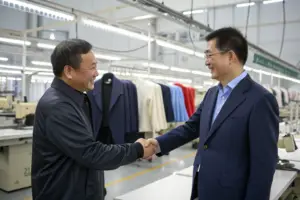
In China, a simple gift during factory visits—even branded pens or snacks—shows thoughtfulness. During Lunar New Year, sending wishes or a red envelope gift via WeChat is deeply appreciated.
In Vietnam or Bangladesh, addressing a factory head by title (e.g., “Director Nguyen”) earns more respect. And remembering birthdays or family events—even with a short WhatsApp message—builds goodwill.
These gestures, though small, humanize the business relationship and foster stronger collaboration, especially during rush seasons.
Should You Learn Basic Greetings or Etiquette?
Absolutely. Learning how to say "thank you" in Mandarin or Hindi, or knowing when not to shake hands in more conservative cultures, creates an instant connection.
Apps like CultureWizard or Culture Crossing Guide provide fast insights into business etiquette by country. Use them before any new supplier conversation or trip.
How Do Cultural Values Affect Sourcing Decisions?
Cultural values influence how factories negotiate, deliver, and prioritize buyers. If you don’t understand their worldview, you may misread their motives—or miss opportunities.
Factories often value loyalty, long-term volume, and mutual benefit more than squeezing every dollar from a first deal. Respecting that mindset changes everything.
Why Is “Face” So Important in Asian Sourcing?
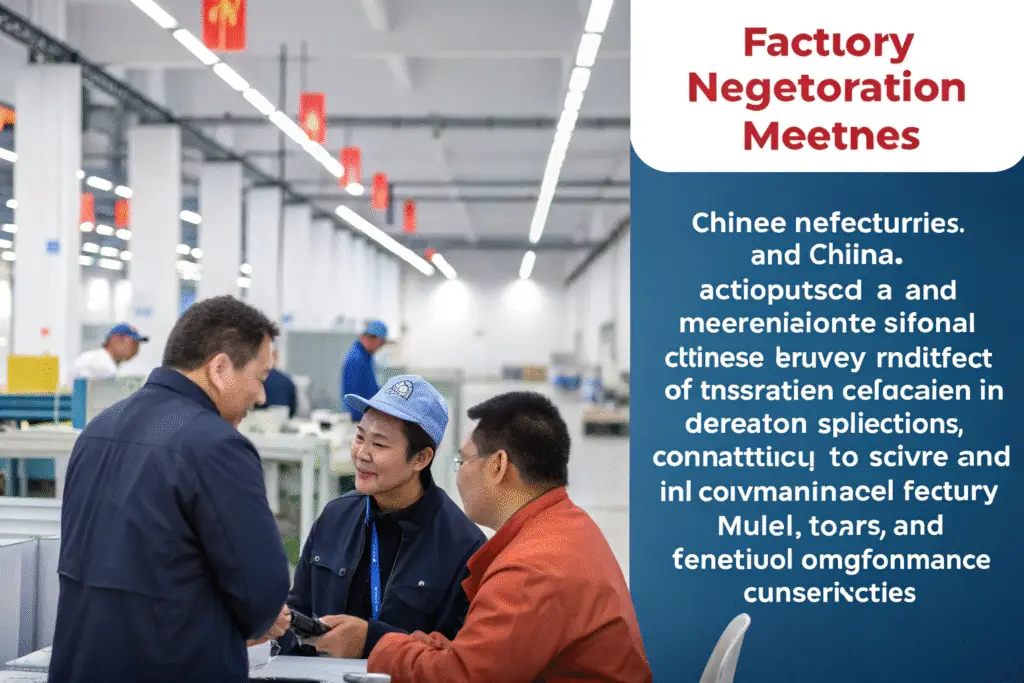
In China and many parts of Asia, saving face—meaning dignity and public respect—is central to decision-making. Harsh criticism in front of team members, or showing frustration via email, may cause a partner to disengage entirely.
Instead, raise concerns diplomatically and privately. Use collaborative language like “Let’s explore a solution together” rather than “You failed to deliver.” Books like “The Culture Map” by Erin Meyer explore this dynamic in depth.
How Do Group Decisions Differ From Individual Ones?
In many cultures, decisions are made collectively. You may think you’ve secured a deal, but the final word rests with senior managers, not the salesperson you’ve spoken with.
Don’t rush decisions or assume silence means approval. Instead, ask, “Will other decision-makers need to review this?” This respects the group dynamic and avoids confusion later.
Avoiding cultural mistakes isn’t about being perfect—it’s about being prepared. Today, there are tools to help even the busiest buyer stay ahead of cultural nuances.
Digital platforms, etiquette guides, and sourcing CRMs with cultural insights help you align with local expectations and prevent costly miscommunication.

Are There Apps or Platforms for Cultural Training?
Yes. Tools like GlobeSmart offer cross-cultural assessments that match your style with your supplier’s. Coursera also offers free courses on business across cultures.
Many sourcing platforms like Inspectorio and Pivot88 now integrate supplier communication logs, timezone conversion, and real-time translation support.
Can AI Help Avoid Cultural Conflicts?
AI translation tools like DeepL and Google Translate can bridge language gaps—especially when double-checked by bilingual account reps. But be cautious. Literal translations can misrepresent tone.
That’s why at Fumao, we assign bilingual sourcing managers trained in cross-cultural communication to every client. It reduces missteps and fosters faster resolution of problems.
Conclusion
Cultural awareness isn’t a “soft skill” in garment sourcing—it’s a survival skill. Respecting your factory partner’s culture helps you build trust, secure better terms, and solve problems before they escalate. It’s also how successful brands build long-term, scalable production partnerships.
At Fumao Clothing, we believe sourcing is more than logistics—it’s people, trust, and culture. If you want a partner that values cultural fluency as much as quality and delivery, contact our Business Director Elaine at elaine@fumaoclothing.com. We’ll help you navigate production with confidence and respect.