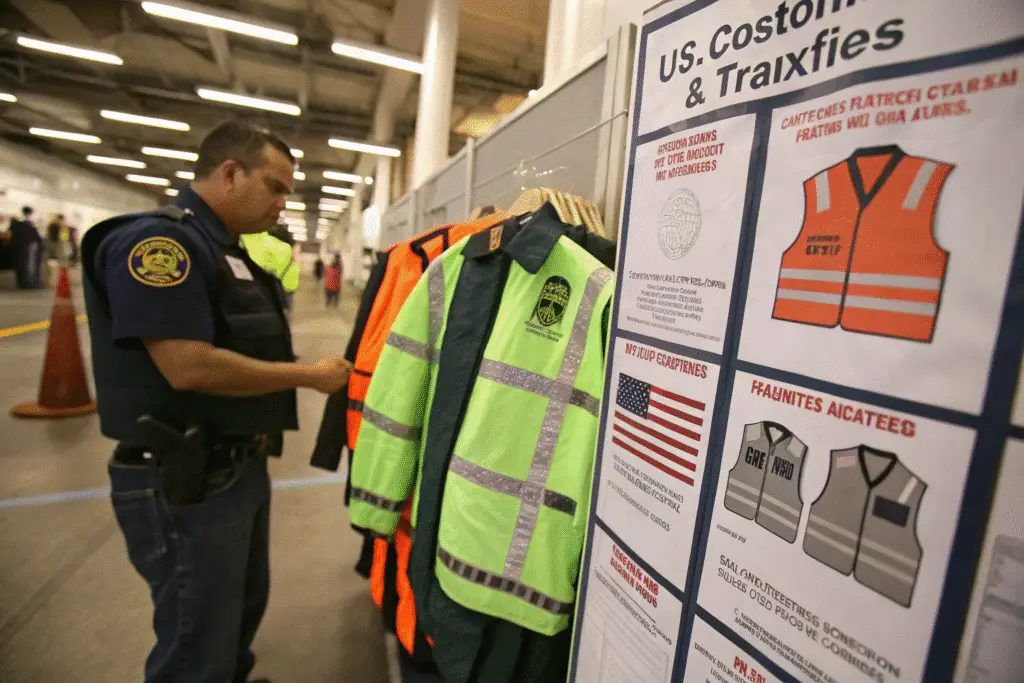
US importers of synthetic workwear face a steep challenge—up to 30% tariffs due to combined duties on products made from polyester, nylon, and similar materials. For buyers sourcing high volumes of uniforms, safety vests, or outerwear, these costs can quickly wipe out profit margins.
The good news is that with smart sourcing strategies, origin planning, and the right Incoterms, importers can reduce or even avoid these tariffs altogether.
In this article, I’ll explain the hidden structure of these duties and how we, as a full-service Chinese apparel factory, help our clients beat the tariff trap while staying fully compliant with US regulations.
Which Synthetic Workwear Products Are Most Affected?
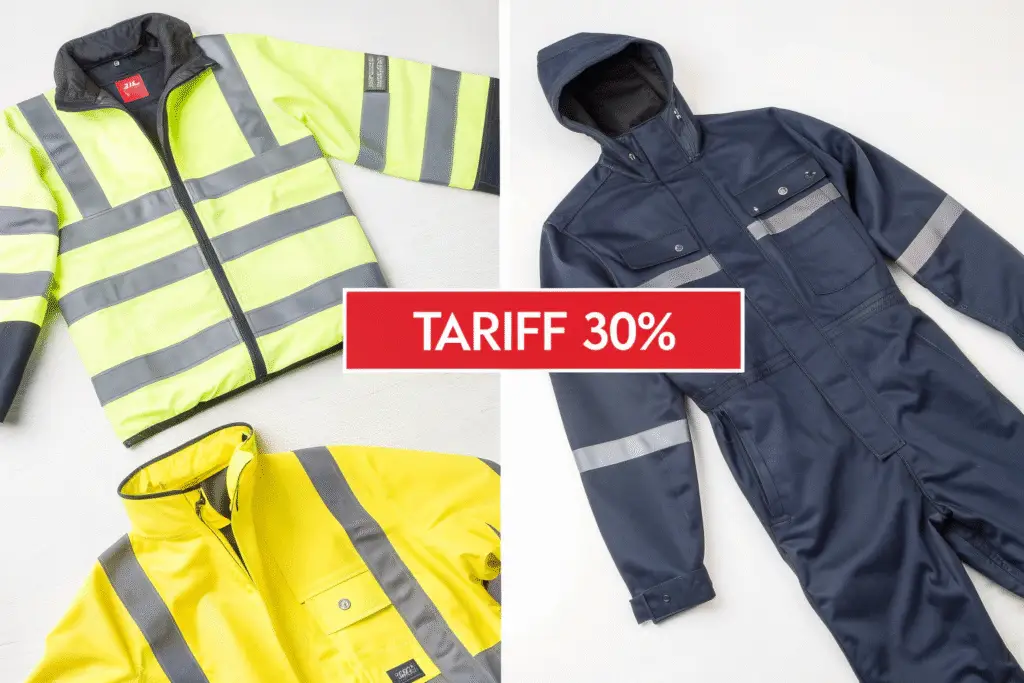
Synthetic workwear falls under HTS codes like 6201, 6203, 6211, which cover outerwear, protective clothing, and uniforms. When these garments are made from polyester, nylon, or blends, they attract high tariffs—especially if sourced from China.
These include safety jackets, hi-vis vests, lab coats, construction trousers, and insulated gear.
Why Do These Tariffs Exist?
Much of the tariff burden comes from Section 301 tariffs, imposed as part of the US-China trade war. Some garments already had 16–18% MFN duties, and Section 301 added another 7.5% to 25%, bringing totals close to 30%.
If you’re buying synthetic outerwear FOB China, you’re absorbing this cost directly. Our clients who didn’t plan for this saw their landed cost jump significantly in Q4.
What HTS Codes Should Importers Watch?
| HTS Code | Description | Tariff Rate |
|---|---|---|
| 6201.93 | Men’s synthetic jackets | 27.7% |
| 6203.43 | Men’s synthetic trousers | 28.6% |
| 6211.33 | Industrial synthetic outer garments | 30.0% |
By confirming classification before shipping, importers can avoid surprises at the border.
Can DDP Shipping Help Avoid or Minimize Tariffs?
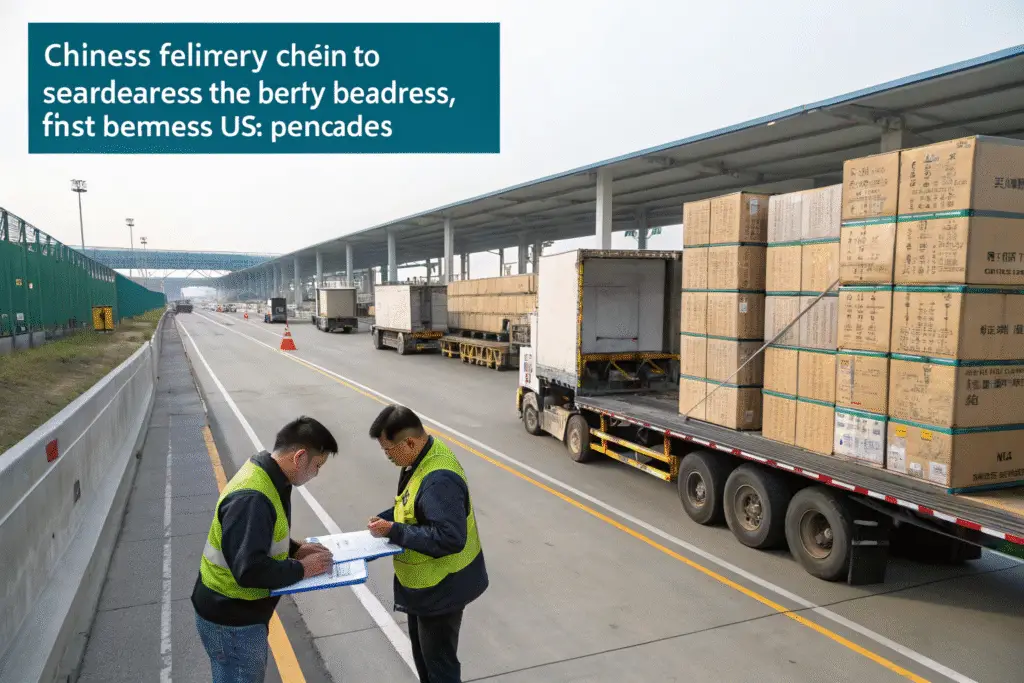
Yes. Delivered Duty Paid (DDP) is one of the most powerful tools for tariff management. Under DDP, we—the exporter—absorb the duties and manage customs clearance, meaning the buyer pays a fixed, transparent price with no surprise charges.
This not only eliminates tariff risk for buyers but also speeds up delivery by removing documentation errors.
What Does a DDP Agreement Cover?
We handle:
- HS code classification
- Duty prepayment
- CBP customs declaration
- Final delivery to buyer’s US address
Tools like Maersk Flow and Flexport help us pre-file and speed up import timelines. Our logistics partners have standing clearance arrangements at key US ports.
How Do We Calculate the DDP Cost?
We consider:
- Product fabric and weight
- Port of entry
- Applicable tariff rates
- Tax incentives (if any)
- Freight class
This lets us provide a full landed cost that avoids billing the buyer for surprise customs payments.
Is Changing Country of Origin a Legal Strategy?
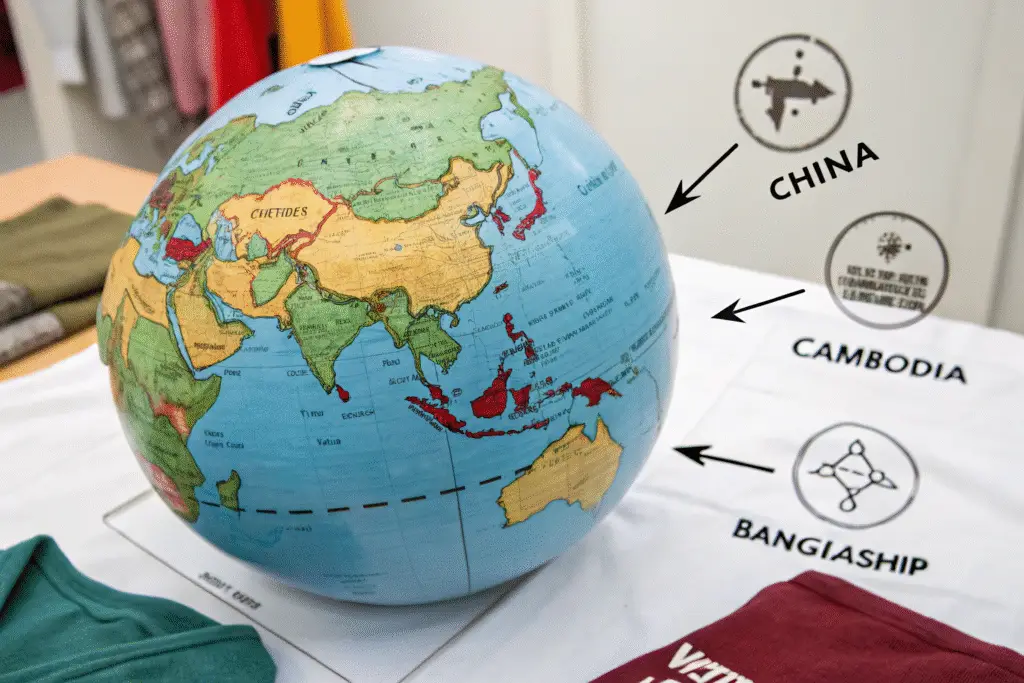
Yes—but with strict compliance. If a product is substantially transformed in a second country, it can legally qualify as “Made in” that country. This process must be genuine—not just transshipment.
By completing cut & sew operations in countries like Vietnam, Bangladesh, or Cambodia, importers can sometimes avoid Chinese-origin tariffs.
What Counts as “Substantial Transformation”?
According to CBP guidelines, fabric alone doesn’t change origin. The garment must undergo:
- Full cut, sew, and finish
- Style change or structural transformation
- Significant labor value addition
We often help clients split production—source fabric from China, then sew in Vietnam. This hybrid model allows origin shift and tariff reduction.
Which Countries Offer Lower or Zero Tariffs?
| Country | Tariff Advantage |
|---|---|
| Vietnam | MFN, no Section 301 tariffs |
| Bangladesh | GSP or duty-free for workwear |
| Cambodia | Partial exemption for uniforms |
We work with regional partners to ensure compliance and cost-efficiency. Our internal audit team also checks rules-of-origin certificates to avoid red flags.
Can Fabric Choice or Product Design Reduce Duties?
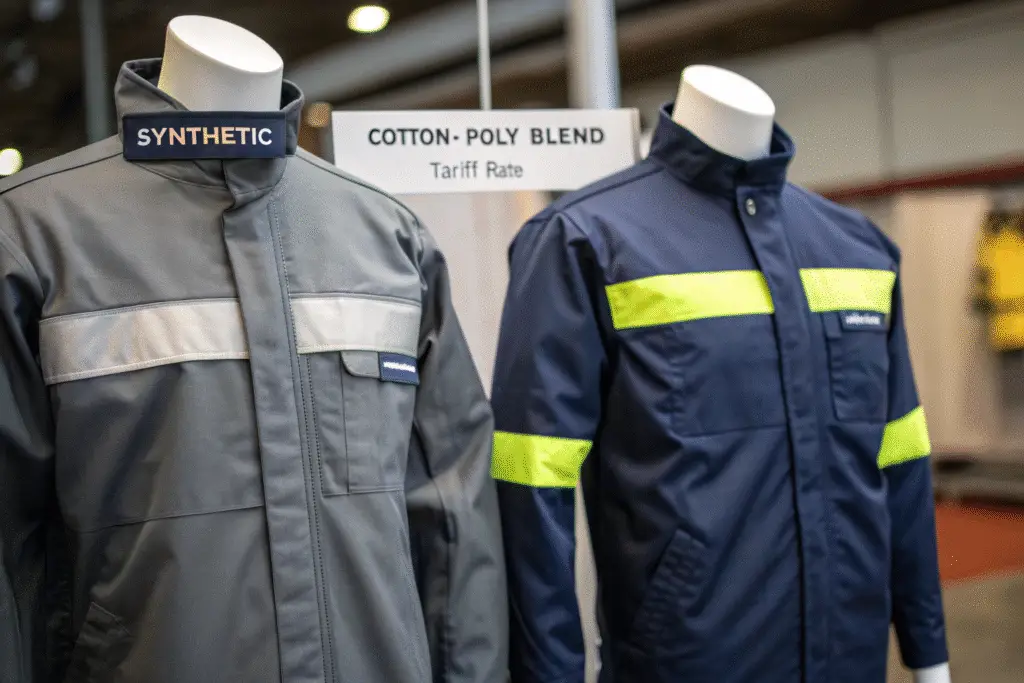
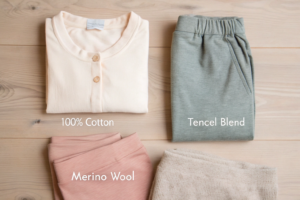
Surprisingly, yes. The type of fabric and even the percentage of synthetic content can drastically alter tariff rates. For example, changing a 100% polyester jacket to a 60/40 cotton/poly blend can reduce the rate from 30% to around 16%.
Product redesigns—like lining removal, fiber blend adjustment, or category reclassification—can legally drop the HTS duty.
How Do We Help Clients Optimize Design?
We offer:
- Fabric engineering (poly-viscose or poly-rayon options)
- Reclassification to “accessory” items (e.g. detachable sleeves)
- Fit design changes to shift category
TextileExchange and OEKO-TEX certifications can also help products qualify for eco-incentives or subsidies under certain buying programs.
Can Labeling or Usage Shift Classification?
Yes. For example, labeling a jacket as “industrial use only” versus “general wear” can land it under a different HTS category. This needs to be supported with spec sheets and use cases.
We advise clients to consult a US customs broker or work with our logistics team to confirm in advance. Misclassification can result in not just higher tariffs but fines.
Conclusion
Synthetic workwear may be facing tough tariffs, but that doesn’t mean you’re stuck paying more. From DDP models and hybrid manufacturing to fiber reengineering and strategic documentation, there are proven paths to protect your margin.
At Fumao Clothing, we’ve helped dozens of US brands reduce their synthetic garment duties by up to 70% using smart origin, compliance, and shipping tactics. If you want to explore your options for cutting costs without cutting corners, email our Business Director Elaine at elaine@fumaoclothing.com. We’ll walk you through the best path forward for your specific product line.