Today’s fashion industry is one of the largest contributors to global emissions. This makes brands and buyers ask: how can we make fashion cleaner without sacrificing style or profits?
Rental fashion brands can lower their carbon footprint by reducing textile waste, limiting production cycles, and promoting shared consumption, which leads to fewer new clothes being made and transported.
If we want to talk about sustainability, we have to start with how we produce and consume clothes. Rental fashion is not just a trend—it could be a solution. But how exactly does it work, and where are the real gains?
How can we reduce CO2 emissions in the fashion industry?
Every year, the fashion industry pumps over 1.2 billion tons of CO2 into the atmosphere. That’s more than all international flights and maritime shipping combined.
We can reduce CO2 emissions by optimizing manufacturing, using low-impact fabrics, implementing efficient logistics, and shifting from a linear to a circular model, such as clothing rental and resale.
How does the choice of material directly impact a brand’s carbon emissions throughout the supply chain?
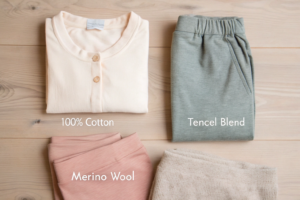
Certain materials release more carbon than others. For instance, polyester and nylon are petroleum-based and highly energy-intensive to produce. Organic cotton or recycled fibers emit significantly less. Choosing low-impact materials helps brands cut their carbon emissions1 early in the supply chain. For us at Fumao Clothing, offering customizable fabric options means buyers can make more sustainable choices2 without compromising design or durability. Here's a simple material comparison:
| Material | CO2 Emissions (kg per kg fabric) | Water Use (liters per kg) |
|---|---|---|
| Polyester | 9.52 | 17 |
| Conventional Cotton | 2.10 | 10,000 |
| Organic Cotton | 1.80 | 7,000 |
| Recycled Polyester | 3.50 | 2 |
This doesn’t just matter for environmental reasons—it also impacts sourcing costs. Clients like Ron, who want top-quality yet sustainable fabrics, often ask us about long-term benefits. Fewer emissions often come from more stable, less volatile supply chains.
Why does production volume control3 play a key role in carbon emissions for apparel businesses?
Overproduction leads to unsold inventory, which either ends up in landfills or gets incinerated—both are carbon-heavy outcomes. Fast fashion pushes volume, but rental platforms can change this. They rely on a set wardrobe that rotates among users. This limits unnecessary production and helps manage emissions better. We apply the same logic at Fumao Clothing—our B2B clients can order in custom batches, with exact styles and volumes. This reduces waste and supports efficient manufacturing planning.
Who is the largest producer of clothes?
Most people assume it's a Western powerhouse, but the real answer lies in Asia’s industrial heart.
China is the largest producer of clothes in the world, followed by countries like Bangladesh, Vietnam, and India—all major sourcing locations for global apparel brands.

How does China’s dominant role in garment production affect the global fashion supply chain’s carbon footprint4?
China accounts for more than 30% of the world’s textile production. That means global brands are deeply tied to China’s energy choices, transportation logistics, and labor practices. When China shifts to greener technologies, it causes ripple effects. At Fumao Clothing5, our factory in China uses energy-efficient machines, and we’re exploring renewable energy integration in our production lines. If you’re sourcing from China, your supplier’s tech and energy setup can drastically affect your product’s final carbon count.
Why is it still hard to move garment manufacturing away from countries like China?
Price, expertise, infrastructure, and scalability keep China ahead. Even when buyers consider other countries like Vietnam or India, they often find inconsistencies in quality or timelines. Clients who need customized garments in bulk often return to Chinese manufacturers. We work with many such clients who initially tried multiple countries before realizing that a reliable partner with verified certifications and consistent shipping schedules6 makes a big difference. Plus, we support DDP (Delivered Duty Paid) shipping, cutting down carbon-heavy warehousing steps on the buyer’s end.
How can you reduce your fashion footprint?
Fashion is personal, but our choices affect the environment. The average American throws away 81 pounds of clothing each year. That’s a problem we all share.
You can reduce your fashion footprint by choosing rental over retail, supporting eco-certified brands, avoiding overconsumption, and extending the life of your garments.

First, wear what you already own—longer. Second, explore rental platforms7 for events or seasonal wardrobes. Third, buy fewer but higher-quality items. Fourth, look for brands with transparent sourcing8 and sustainability practices. At Fumao Clothing, we help B2B clients develop timeless pieces that stand the test of time. One of our long-term buyers once shifted from trend-chasing to a "core collection" strategy with our help. It reduced their inventory turnover rate while lifting their brand’s perceived value.
How do B2B buyers influence downstream consumer behavior and reduce overall emissions?
As a brand owner, Ron doesn’t just source clothes—he sets the tone for what his customers buy. If he chooses to work with suppliers offering slow-fashion collections9, the ripple effect is big. Rental fashion platforms, when sourcing from sustainable factories like ours, send a strong message downstream. We help such clients customize logos and styles that promote sustainability, while keeping costs competitive. In a price-sensitive yet value-conscious market, those small sourcing shifts matter a lot.
Can rental platforms contribute to more sustainable fashion consumption?
Rental platforms are shaking up the industry model. They take what was once a linear pipeline—produce, sell, discard—and replace it with a loop.
Yes, rental platforms can reduce environmental impact by maximizing the use of each garment, reducing overproduction, and encouraging mindful consumption habits.

Why does clothing rental10 reduce the demand for new production, and how does this benefit manufacturers?
Each rented item replaces multiple new purchases. If a dress is worn 20 times by 20 different people, that’s 19 fewer dresses made, shipped, and sold. For manufacturers like us, that means we produce less, but smarter. Instead of chasing volume, we focus on longevity, durability, and adaptability. Our team at Fumao Clothing helps brands create pieces that last—not just in wear, but in style. That keeps rental inventory fresh without constant redesigns.
How can rental fashion brands ensure garments remain high quality after repeated use?
They need strong construction, reinforced seams, fade-resistant dyes, and stretch-tolerant fabrics. At Fumao Clothing, we tailor garment specs for rental clients. One European rental brand we supply needed zippers to last at least 100 uses. We redesigned the stitch density and upgraded their zipper model. The result? Fewer repairs, happier users, and reduced emissions from fewer replacements. We also support certification documentation, so buyers can confidently tell their sustainability story11.
Conclusion
Rental fashion can’t fix the fashion industry overnight, but it offers a real step forward. With the right partners and choices, brands can make sustainability both stylish and smart.
-
Understanding carbon emissions in the supply chain can help brands make informed decisions for sustainability. ↩
-
Exploring sustainable choices can reveal how brands can reduce their environmental impact and appeal to eco-conscious consumers. ↩
-
Learning about production volume control can provide insights into reducing waste and improving sustainability in fashion. ↩
-
Learn about the impact of garment production on the carbon footprint and discover ways to mitigate it in your supply chain. ↩
-
Explore Fumao Clothing to see how they are leading the way in energy-efficient garment production and renewable energy integration. ↩
-
Understanding the importance of reliable partners can help you make informed decisions in sourcing and manufacturing. ↩
-
Explore these platforms to find stylish, eco-friendly clothing options that reduce waste and emissions. ↩
-
Understanding transparent sourcing can help you make informed choices that support sustainability in the fashion industry. ↩
-
Learn about slow-fashion collections to discover how they can positively impact the environment and your wardrobe. ↩
-
Explore how clothing rental impacts production demand and sustainability, offering insights into eco-friendly practices. ↩
-
Learn about the significance of sustainability narratives in fashion, enhancing brand value and consumer trust. ↩