Sustainability isn’t just a slogan in our factory—it’s how we operate every day.
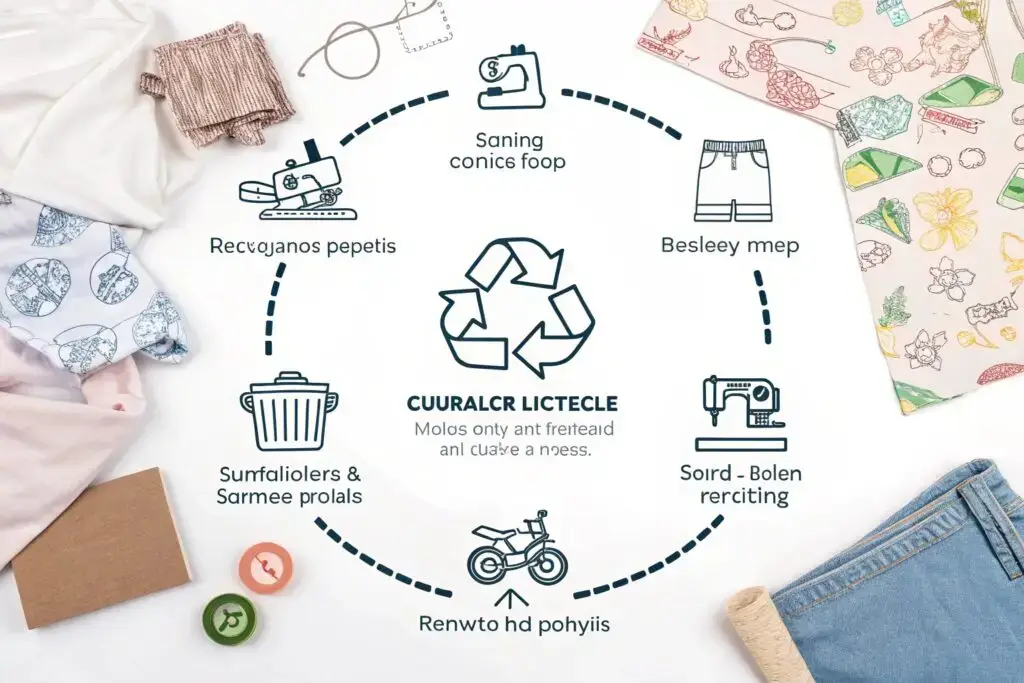
We support the circular clothing economy by integrating recycling, repair, reuse, and sustainable sourcing across all levels of our kidswear production.
From leftover fabric scraps to post-consumer garments, we find ways to give materials a second life. Here's how we turn clothing into a continuous cycle—instead of a one-time product.
Recycling Processes in Our Kidswear Production?
Waste isn’t an option in a circular factory. We treat every fabric offcut and returned item as part of a usable loop.
We’ve built in-house recycling systems that turn production scraps and returned kidswear into useful materials and new products.
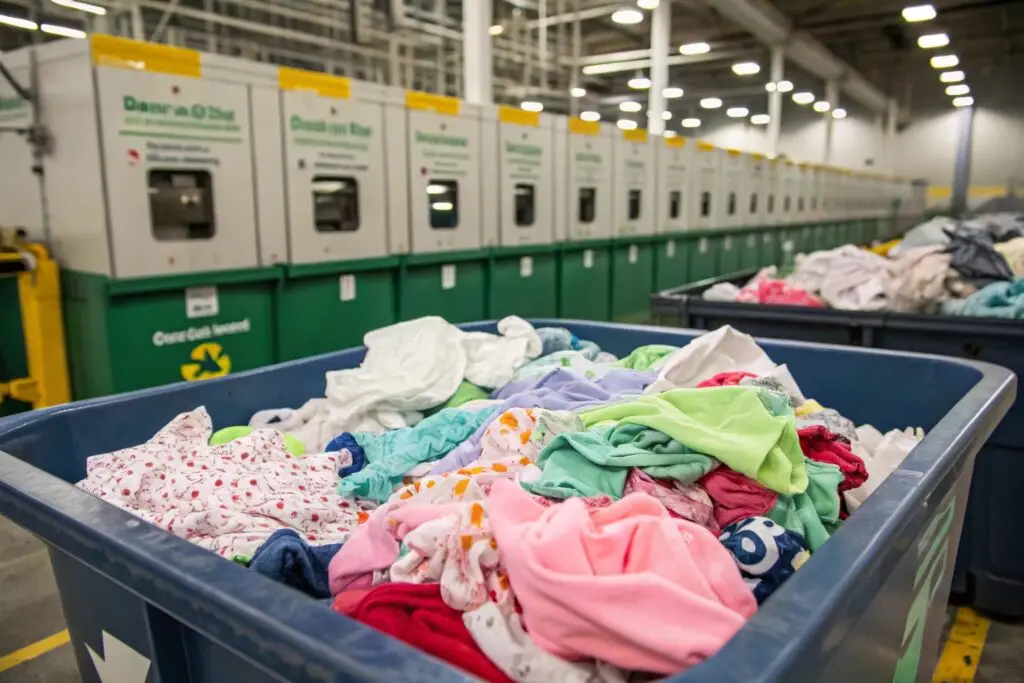
How do we recycle during garment production?
Our recycling process includes:
- Cutting room collection: We sort fabric offcuts by fiber and color.
- Re-shredding: Usable scraps go to our local recycling partner for fiber recovery.
- Reprocessing: We receive recycled yarns made from our own waste for reuse in accessories, hangtags, and trims.
For small-scale use, we also:
- Convert scrap cotton into cleaning cloths
- Use larger offcuts to make patch kits or scrunchies
- Recycle elastics and trims for sample prototypes
| Material Type | How It’s Recycled |
|---|---|
| Cotton offcuts | Sent to fiber recycling, returned as yarn |
| Poly/cotton blends | Shredded, used in stuffing/filler |
| Elastic waste | Re-melted and reused in waistbands |
| Returned items | Repaired, resold, or downcycled |
How do we handle returned or damaged kidswear?
Garments that come back damaged (via rental or take-back programs) go through:
- Inspection and grading
- Minor repair and resale
- Material recovery (for fiber-to-fiber or industrial use)
We aim for 95% diversion from landfill with these workflows.
Reducing Waste Through Fabric Reuse and Repair?
We don’t just recycle—we reduce first. And repair comes before anything else.
We cut waste at the source by optimizing fabric usage, reusing offcuts, and helping our brand clients repair more and discard less.
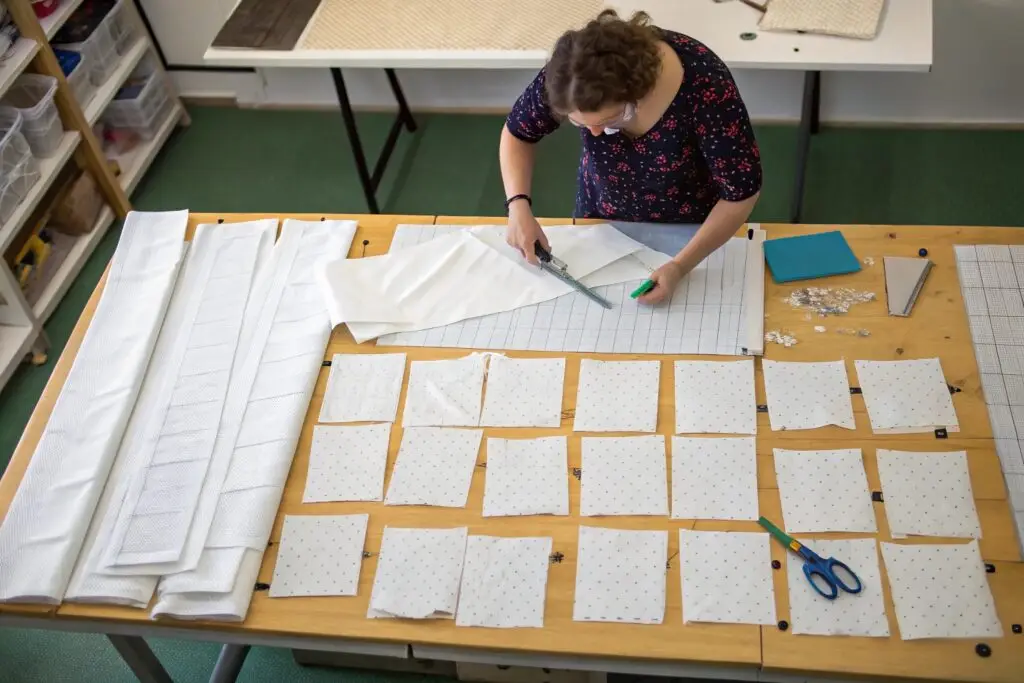
How do we reduce fabric waste in production?
We’ve implemented:
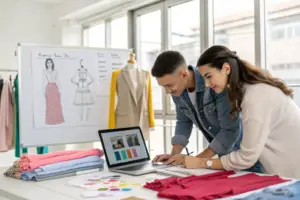
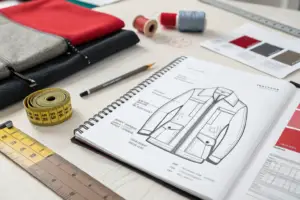
- Zero-waste pattern drafting for base kidswear styles
- Digital cutting layouts that optimize yield (85%+)
- Shared markers across multiple client styles (blank bodies)
For example, we use the same t-shirt base for 5 clients—changing only the neckline, pocket, or print.
We also offer:
- Fabric offcut kits (used by clients as free gifts)
- Scrap packs sent to local craft schools
| Reduction Strategy | Impact |
|---|---|
| Shared pattern blocks | Less paper and marker waste |
| Offcut reuse | 10–15% material recovery per batch |
| Repair-ready sewing | Easier mending, fewer discards |
| Small roll inventory use | Turns leftovers into marketable goods |
How do we support repair workflows?
We help clients:
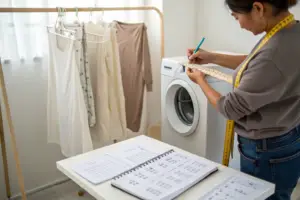
- Identify repairable issues from returns (e.g. loose hem, missing snap)
- Ship repair kits with each batch (labels, patches, spares)
- Offer bulk restitching service for batches sent back every 3–6 months
Our clients keep garments in use longer—and reduce new production needs.
Sustainable Materials Used in Our Manufacturing?
We believe sustainability starts with the first fiber.
Our factory prioritizes organic, recycled, and certified materials that meet both environmental and performance needs in children's clothing.
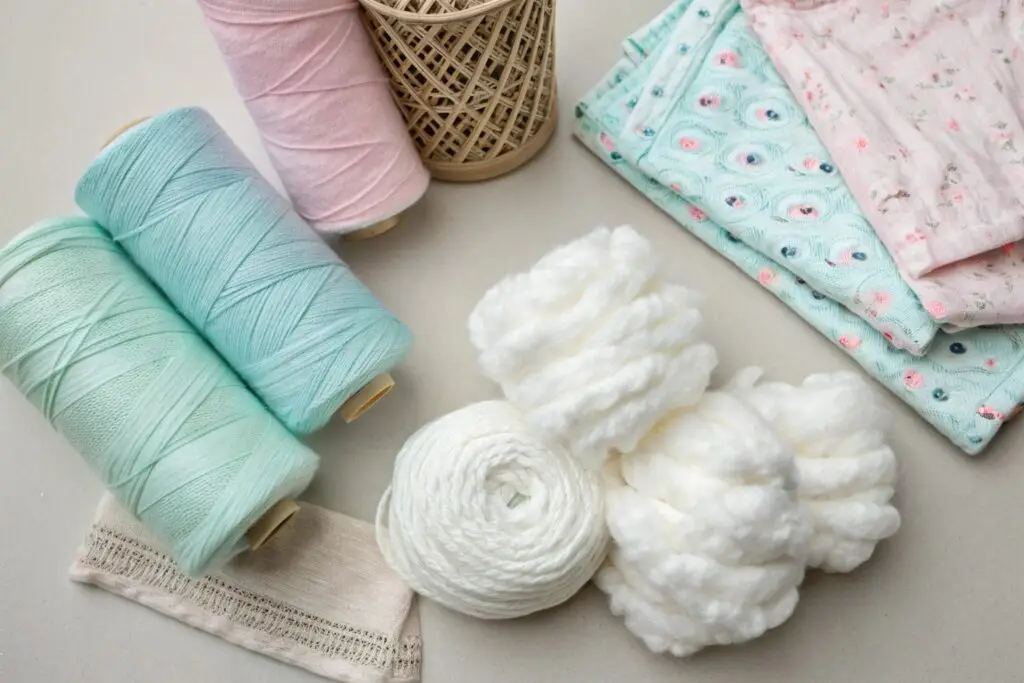
What kinds of sustainable fabrics do we use?
We regularly source and stock:
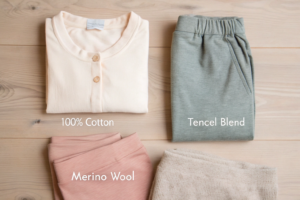
- GOTS-certified organic cotton (mainly for babywear)
- Recycled polyester (made from PET bottles)
- TENCEL™ lyocell (soft and biodegradable)
- Bamboo viscose (especially in summer lines)
These fabrics are:
- Safe for skin
- Durable for rental
- Compliant with EU and U.S. regulations
| Material Type | Certification | Common Use Case |
|---|---|---|
| Organic cotton | GOTS, OEKO-TEX | Rompers, tees, sleepwear |
| Recycled polyester | GRS | Jackets, linings, labels |
| Bamboo/viscose blends | FSC, OEKO-TEX | Leggings, underlayers |
| Recycled nylon | Global Recycle Std. | Swimwear, trims |
What else do we do to support sustainable sourcing?
We:
- Source trims and packaging locally to reduce transport emissions
- Use biodegradable polybags upon request
- Offer unbleached hangtags and soy-based ink for clients with eco branding
Every part of the product lifecycle—fiber to packaging—is optimized to meet sustainability goals.
Partnering With Brands for Take-Back Programs?
Circularity doesn’t end at checkout. It loops through customers, returns, and repurpose plans.
We support take-back programs by helping brands collect, sort, refurbish, and responsibly recycle returned kidswear.
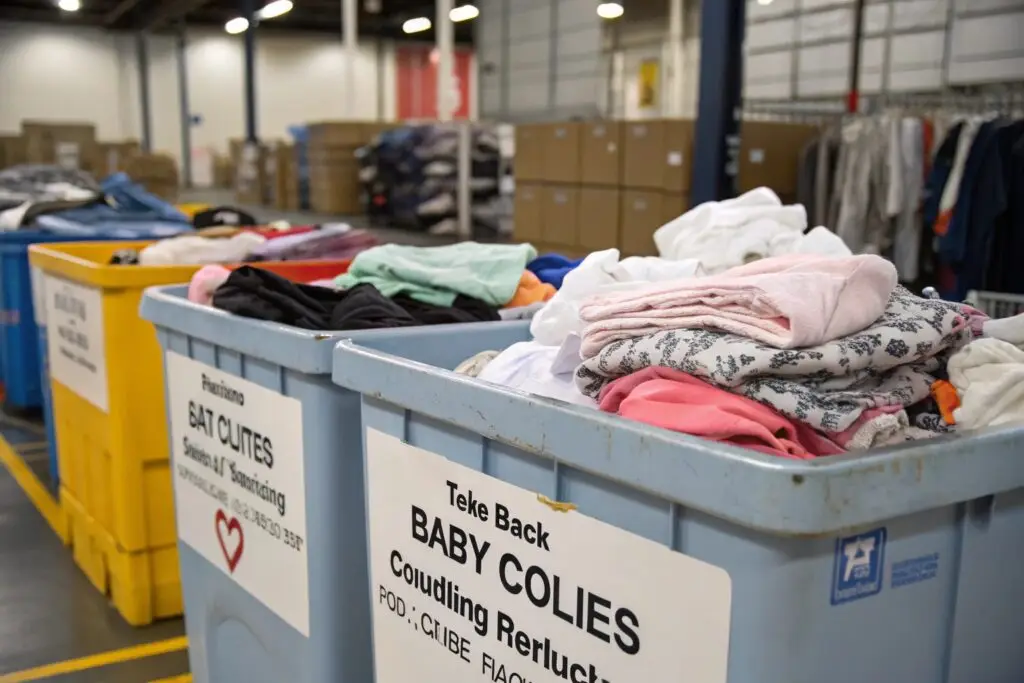
How do we support brand-led circular programs?
We help brands:
- Set up QR-tagged garments for return tracking
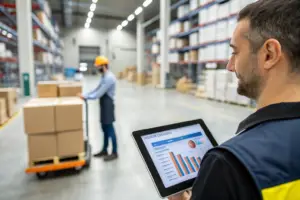
- Receive and grade returned items at our warehouse
- Decide repair, resell, or recycle based on use condition
Returned garments come back in monthly batches. We:
- Refurbish ~60%
- Resell ~25% under brand’s outlet/resale label
- Downcycle ~15% (mostly shredded or donated)
| Return Condition | Action Taken | Goal Outcome |
|---|---|---|
| Minor wear | Clean + relabel + restock | Fast return to circulation |
| Moderate damage | Repair or send to resale unit | Revenue recovery |
| Heavy damage | Downcycle (fiber) | Waste diversion |
How do take-back partnerships benefit everyone?
For brands:
- Extends garment life
- Earns carbon offset credits
- Strengthens customer loyalty
For us:
- Closes the loop
- Reduces waste
- Generates insight to improve production
Circularity works best when it’s shared—from fiber to factory to family.
Conclusion
We’ve redesigned our entire production model to support the circular clothing economy—from recycled inputs to repaired returns. The future of kidswear isn’t just new—it’s renewed. And we’re proud to help brands make that possible.