You have a brand. You have customers. They expect new products. But how often should you develop new samples? Too often, and you waste resources. Your team is exhausted. Your factory cannot keep up. Not often enough, and your customers get bored. They move to competitors. Your sales decline. I have seen brands make both mistakes. Some launch new styles every week. They burn out. Others launch once a year. They fade away. The right cadence is different for every brand. But there are principles that apply to all.
Based on our experience working with hundreds of brands, the optimal sample development cadence depends on your business model, your customer expectations, and your supply chain capabilities. Fast fashion brands need weekly or bi-weekly samples. Contemporary brands need seasonal drops. Basics brands need fewer, more stable samples. For example, last year we worked with a streetwear brand from Los Angeles. They were launching new styles every week. Their sample team was overwhelmed. Quality suffered. We helped them consolidate to a bi-weekly schedule. They still launched frequently, but with better quality. Their sales increased by 25%. That is the result of finding the right cadence.
So, how often should you develop new clothing samples? Let me break it down by business model. I will share the cadences that work for different types of brands. I will explain the factors that influence sample frequency. I will show you how to balance innovation with operational capacity. And I will give you a framework for planning your sample calendar.
How Does Your Business Model Determine Sample Frequency?
Your business model is the biggest factor in sample frequency. I remember a client from New York. They were a fast fashion brand. They wanted to launch 50 new styles every month. They asked us to produce samples weekly. Another client from Chicago was a basics brand. They launched two collections per year. They needed samples twice a year. Both were successful. They just had different models.
Fast fashion brands need high sample frequency. They launch new styles weekly or bi-weekly. The goal is to capture trends quickly. Contemporary brands need seasonal drops. They launch four to six collections per year. The goal is to balance newness with quality. Basics brands need low frequency. They launch one or two collections per year. The goal is consistency and cost efficiency. For the fast fashion client, we set up a weekly sample production line. They had samples every Friday. For the basics client, we did sample development in two concentrated periods. For fast fashion, the sample cycle is 2 to 4 weeks from design to sample. For contemporary, it is 6 to 8 weeks. For basics, it is 8 to 12 weeks.
We also consider the product category. A t-shirt brand needs fewer samples than a outerwear brand. Outerwear has more complexity. It requires more sample rounds.
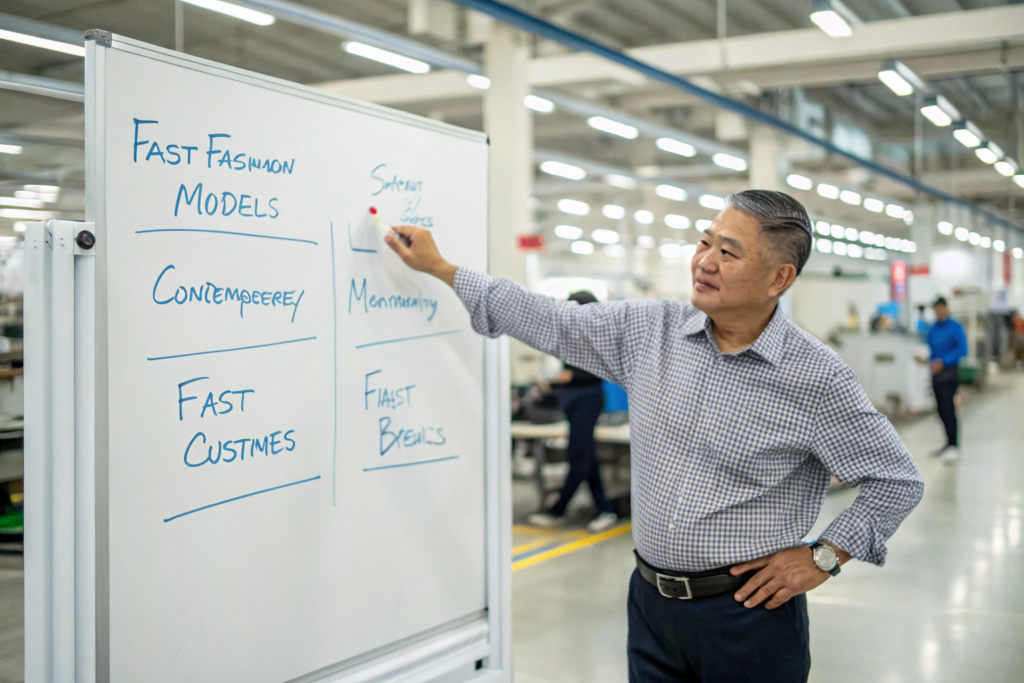
What Sample Cadence Works for Fast Fashion Brands?
Fast fashion brands operate on speed. The ideal cadence is:
- New styles: 5 to 10 per week
- Sample development: 2 to 3 weeks per style
- Production: 4 to 6 weeks from sample approval
- Total time from design to delivery: 8 to 10 weeks
For a streetwear client, we achieved this cadence. They launched new styles every Thursday. Customers knew to check the site weekly. Sales were consistent.
What Sample Cadence Works for Contemporary and Premium Brands?
Contemporary and premium brands focus on quality and storytelling. The ideal cadence is:
- Collections: 4 to 6 per year
- Sample development: 6 to 8 weeks per collection
- Production: 8 to 12 weeks from sample approval
- Total time from design to delivery: 4 to 6 months
For a women's contemporary client, we did two main collections and two pre-collections per year. The sample process was thorough. The quality was high. The brand built a loyal following.
What Factors Influence How Often You Should Sample?
Your business model sets the framework. But other factors influence the exact cadence. I remember a client from Seattle. They made complex outerwear. They wanted to sample as often as a t-shirt brand. It did not work. The samples took longer. The complexity required more rounds.
Product complexity, order volume, market trends, and supply chain capacity all affect sample frequency. Complex products like outerwear and tailored garments need longer development times. High-volume basics can be sampled less frequently. Rapidly changing trends demand more samples. Limited supply chain capacity sets a ceiling. For the Seattle client, we reduced sample frequency from monthly to quarterly. Each sample round had more styles. The outerwear had time for proper development. Quality improved. For denim, we do wash sampling separately. The wash development can take 4 to 6 weeks. We plan this into the sample calendar.
We also consider the client's internal capacity. If the brand has a small design team, they cannot review samples weekly. We adjust the cadence to match their capacity.

How Does Product Complexity Impact Sample Frequency?
Complex products take longer. A simple t-shirt may need one sample round. A tailored jacket may need three or four. A denim style with a new wash may need five wash samples. For a outerwear client, we built in 12 weeks for sample development. This allowed for three fit rounds and two material testing rounds. The final product was excellent.
How Does Market Trend Speed Affect Sampling?
Fast-moving trends require fast sampling. If the trend cycle is 8 weeks, you need to sample in 2 weeks. If the trend cycle is 6 months, you have more time. For a streetwear client, we monitored trend cycles. When a trend emerged, we accelerated sampling. When the market was stable, we slowed down. This kept the brand relevant without overworking the team.
How Do You Balance Newness with Operational Capacity?
There is a limit to how many samples a factory can produce. I learned this with a client from Boston. They wanted 20 new samples every week. Our sample room was overwhelmed. Quality dropped. Delivery times slipped. The client was unhappy. We had to have a hard conversation.
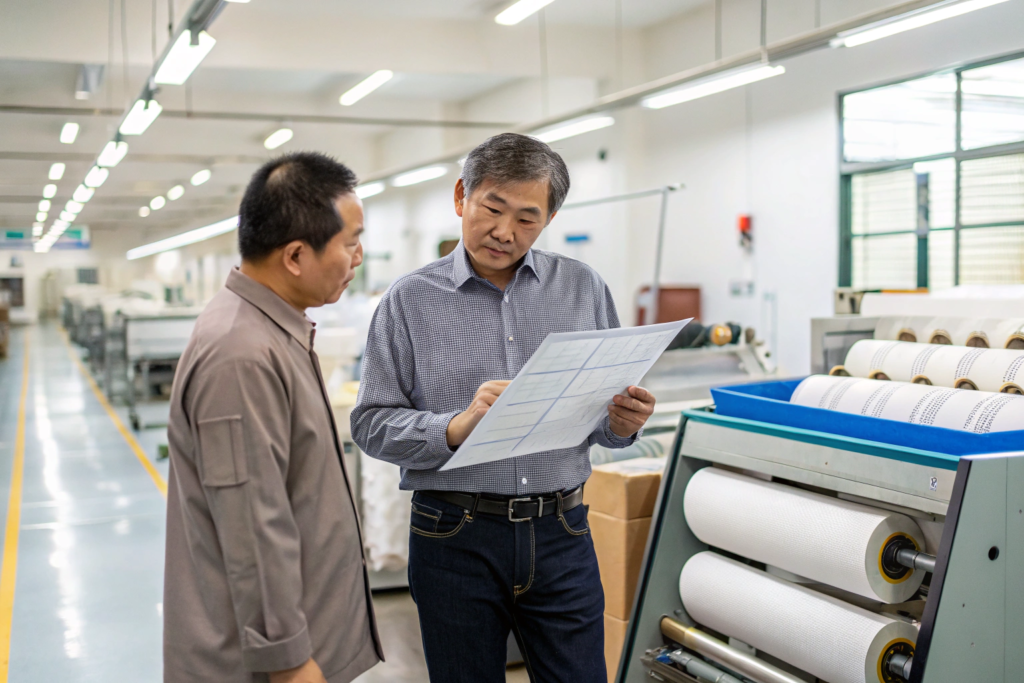
Every factory has a sample room capacity. This is the maximum number of samples they can produce per week or month. The capacity depends on the number of sample makers, the complexity of the styles, and the equipment. For the Boston client, we calculated our capacity. We could produce 15 samples per week with good quality. We agreed on 12 samples per week to allow for flexibility. The client adjusted their launch schedule. Quality improved. For multiple brands, we allocate sample capacity by season. We plan six months ahead. Clients book their sample slots. This ensures capacity is available when needed.
We also consider the client's internal capacity. A small design team cannot review 20 samples a week. We help clients match their sample frequency to their own capacity.
How Do You Calculate Sample Room Capacity?
Sample room capacity is calculated by:
- Number of sample makers × samples per maker per week
- Average sample complexity (hours per sample)
- Equipment availability
- Buffer for revisions and re-samples
For a typical sample room, one sample maker can produce 5 to 10 simple samples per week or 2 to 3 complex samples. For a denim client, wash samples are made in a separate facility. We allocate capacity accordingly.
How Do You Prioritize Samples When Capacity Is Limited?
When capacity is limited, we prioritize. Core styles get priority. These are the high-volume, high-margin products. Trend styles come next. These are important but lower volume. Experimental styles have the lowest priority. For a contemporary client, we prioritized their main collection samples. The pre-collection samples were scheduled after. This ensured the most important styles were developed first.
How Do You Plan a Sample Calendar?
A sample calendar is essential. Without one, chaos ensues. I remember a client from Austin. They had no sample calendar. They sent tech packs randomly. Our sample room was constantly firefighting. Deadlines were missed. Quality suffered.
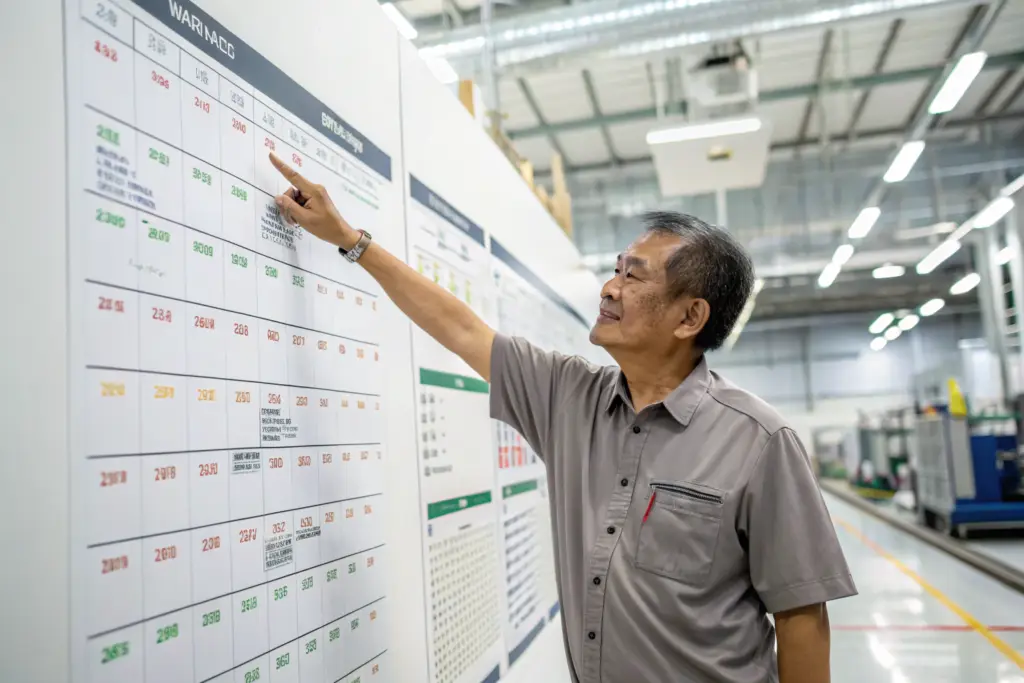
A sample calendar maps out the entire sample development process. It includes design deadlines, pattern making, first sample, fit review, revisions, and pre-production sample. It aligns the brand's design team with the factory's sample room. For the Austin client, we created a shared calendar. They knew when to send tech packs. We knew when to deliver samples. The process became predictable. For large brands, we create sample calendars 12 months in advance. For smaller brands, we plan quarterly. The calendar is adjusted as needed.
The sample calendar also includes buffer time. Things go wrong. Fabrics are delayed. Fit rounds take longer. Buffer time absorbs these delays.
What Milestones Should Be on Your Sample Calendar?
A sample calendar should include:
- Design freeze date
- Tech pack submission date
- Pattern making start and end dates
- First sample completion date
- Fit review date
- Revision start and end dates
- Pre-production sample date
- PP sample approval date
- Production start date
For a woven shirt client, the sample calendar spans 8 weeks. For a tailored jacket client, it spans 12 weeks.
How Do You Build Buffer Time into the Sample Calendar?
Buffer time is essential. We add 20% buffer to the sample calendar. If a step is estimated at 5 days, we schedule 6 days. If a fit round takes longer, we have room. For a denim client, we added two weeks of buffer for wash development. Washes are unpredictable. The buffer saved us when a wash took longer than expected. The client still hit their launch date.
Conclusion
How often you develop new clothing samples depends on your business model, product complexity, market trends, and operational capacity. Fast fashion brands need weekly or bi-weekly samples. Contemporary brands need seasonal drops. Basics brands need fewer samples. You must balance newness with quality. You must respect your factory's sample room capacity. And you must plan with a clear sample calendar.
At Shanghai Fumao, we have helped hundreds of brands find their optimal sample cadence. We have sample room capacity planning. We have sample calendars. We have systems that scale from fast fashion to luxury. We work with you to find the rhythm that fits your brand.
Let us help you plan your sample development. Contact our Business Director, Elaine, directly at elaine@fumaoclothing.com. Tell us about your brand. We will help you build a sample calendar that works.