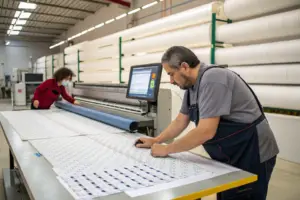
The voicemail message was frantic: "Our entire spring collection is stuck in quality control! The retailer is threatening chargebacks, and we might lose our placement!" When I visited their office, the problem was immediately clear: beautiful designs, passionate team, zero tech packs. Their "savings" from skipping technical documentation had already cost them $127,000 in visible losses, with brand reputation damage that would take years to repair. This scenario reveals the hard truth about tech pack economics.
Not having a tech pack typically costs brands between $3,500 and $18,000 per style in direct expenses, plus incalculable losses from missed opportunities, damaged reputation, and operational inefficiencies. These costs accumulate through multiple sampling rounds, production errors, quality inconsistencies, delayed timelines, and lost sales that far exceed the $300-$800 investment required for proper technical documentation. The financial impact extends beyond immediate cash outlays to include long-term business value erosion that can jeopardize your brand's survival.
Many entrepreneurs view tech packs as an unnecessary expense until they experience the devastating costs of operating without them. The reality is that technical documentation isn't an cost—it's your most valuable manufacturing insurance. Let me break down exactly where these costs accumulate and how they impact your bottom line.
What are the immediate sampling and development costs?
The most visible costs emerge during product development through extended sampling cycles and miscommunication.
Sampling represents the first and most obvious financial impact of missing technical documentation. Without clear specifications, factories must interpret rather than execute, leading to multiple revisions that consume time and budget. Last quarter, a contemporary brand discovered that their six-style collection required 24 sampling rounds without tech packs, compared to the 9 rounds their competitor needed with proper documentation—a difference of $9,600 in direct sampling costs alone.

How do sampling costs accumulate?
Each additional sample round costs:
- Sample development: $250-$700 per sample
- Materials: $75-$300 per sample
- Shipping and handling: $100-$250 per round
- Time investment: 15-25 hours per round for review and feedback
- Opportunity cost: Delayed market entry and missed sales
What are the typical sampling round differences?
| Scenario | Without Tech Pack | With Tech Pack |
|---|---|---|
| Average Sampling Rounds | 3.8 rounds | 1.4 rounds |
| Sampling Timeline | 10-14 weeks | 4-6 weeks |
| Direct Sampling Costs | $1,600-$4,600 | $600-$1,700 |
| First Sample Accuracy | 25-35% | 85-95% |
What production error costs should you expect?
Mass production without specifications multiplies sampling errors across thousands of units, creating catastrophic financial exposure.
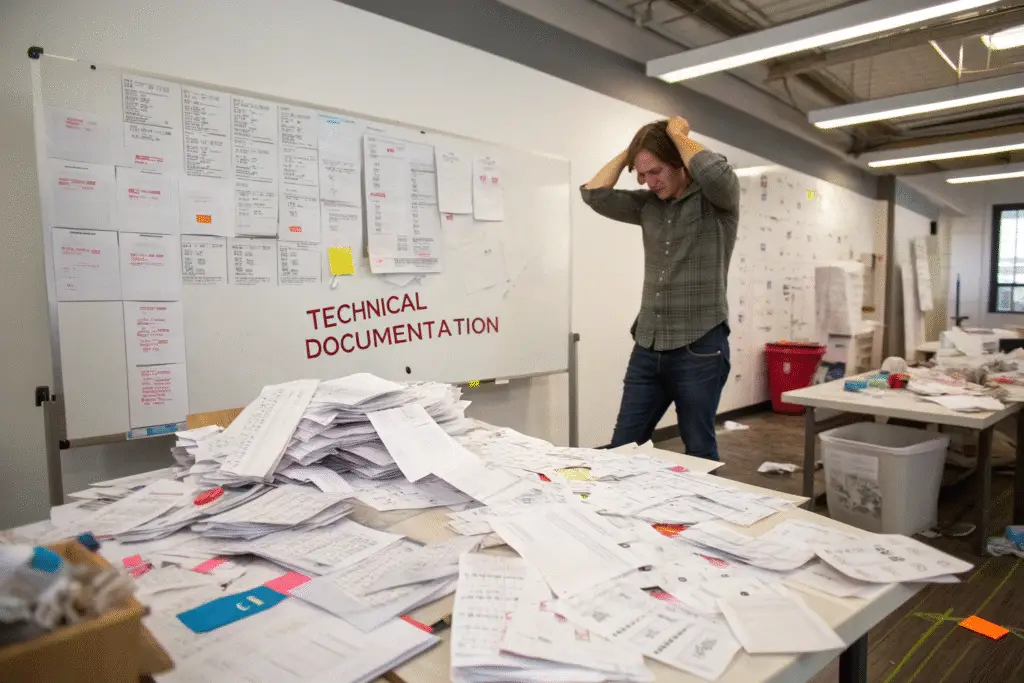
While sampling costs are painful, production errors create business-threatening financial liabilities. A mistake that costs $200 to fix in sampling becomes a $20,000 problem in production. A sportswear brand learned this when their undefined "athletic fit" resulted in 5,000 units with restrictive armholes that required complete remanufacturing, costing them $45,000 plus lost orders from frustrated retailers.
What production errors occur without tech packs?
Common costly errors include:
- Measurement inconsistencies requiring unit replacement
- Material substitutions compromising quality and compliance
- Construction variations affecting durability and appearance
- Color matching failures creating unsellable units
- Performance standard violations leading to returns
How do error rates compare?
Production data analysis shows:
- Tech pack supported production: 2-4% error rate
- No tech pack production: 8-15% error rate
- Average cost per error: $8-$22 per unit
- Typical order impact: $4,000-$33,000 additional costs
What are the timeline and opportunity costs?
Delayed product launches create massive financial impacts through missed selling seasons and inventory gaps.
Time is money in fashion, and delayed timelines create cascading financial consequences. Each week of delay can mean missing key selling windows, paying rush shipping premiums, or losing retail placements altogether. An accessories brand discovered that their six-week sampling delay caused by missing tech packs made them miss their prime holiday shipping window, costing them $68,000 in lost sales and $12,000 in expedited shipping fees.

How do delays impact financial outcomes?
Timeline impacts include:
- Missed peak selling seasons (holiday, back-to-school)
- Lost retail placements and shelf space
- Expedited shipping premiums (25-40% cost increase)
- Cash flow disruptions from delayed revenue
- Marketing and promotion waste from misaligned launches
What is the typical timeline impact?
Our production data shows:
- Tech pack projects: 4-6 week sampling, +/- 1 week variance
- No tech pack projects: 10-14 week sampling, +/- 4 week variance
- Market entry delay: 6-8 weeks on average
- Seasonal impact risk: 35-60% of collections affected
What quality and reputation costs accumulate?
Inconsistent quality damages brand reputation, reduces customer loyalty, and increases return rates.
The most insidious costs of operating without tech packs are the reputation damages that accumulate slowly but impact long-term business viability. Inconsistent quality leads to negative reviews, reduced repeat purchases, and difficulty securing premium retail placements. A contemporary brand saw their customer retention rate drop from 45% to 28% after two seasons of inconsistent quality traced to missing technical documentation.

How does quality inconsistency affect business?
Reputation impacts include:
- Increased return rates (8-15% vs. 2-5%)
- Negative reviews and social media complaints
- Reduced customer lifetime value
- Difficulty securing premium retail partners
- Chargebacks and penalty fees from retailers
What are the measurable reputation costs?
Documented impacts include:
- Return processing costs: $8-$15 per returned unit
- Chargeback fees: 15-25% of invoice value for quality issues
- Customer acquisition cost increase: 30-50% to overcome negative reputation
- Price compression: 15-25% due to perceived quality issues
- Retailer relationship damage: 2-3 seasons to rebuild trust
What operational inefficiency costs exist?
Internal operational costs from miscommunication, repeated corrections, and staff frustration represent significant hidden expenses.
Beyond direct manufacturing costs, operational inefficiencies drain resources through wasted time, confused communications, and frustrated team members. These costs often remain uncalculated but substantially impact productivity and morale. We recently helped a brand calculate their internal operational costs from missing tech packs at $14,200 per collection in wasted staff time and communication overhead.

Where do operational inefficiencies occur?
Internal cost centers include:
- Extended meeting time for clarification and problem-solving
- Staff time managing multiple sampling rounds and revisions
- Communication overhead across time zones and languages
- Management time resolving quality disputes and production issues
- Training time for new staff without documentation reference
How much time is typically wasted?
Operational time analysis shows:
- Clarification cycles: 12-18 per style without tech packs
- Meeting time: 8-12 hours weekly during development
- Email communication: 45-65 messages weekly for issue resolution
- Staff frustration: 15-25% productivity reduction
- Management distraction: 20-30% time spent on preventable issues
What are the long-term business value impacts?
The cumulative effect of repeated quality issues, delayed launches, and operational chaos erodes business valuation and growth potential.
The most devastating costs are those that impact your company's fundamental value and growth trajectory. Investors, acquirers, and partners evaluate operational excellence, and consistent manufacturing problems signal fundamental business weaknesses. A growth-stage brand saw their valuation reduced by 40% during funding negotiations when due diligence revealed repeated manufacturing issues traced to inadequate technical documentation.

How does business valuation suffer?
Documented valuation impacts include:
- Reduced multiple on revenue due to operational risk
- Higher discount rates for cash flow uncertainty
- Reservation about growth scalability
- Concerns about management competency
- Questions about long-term viability
What growth limitations emerge?
Scalability constraints include:
- Inability to expand product categories efficiently
- Difficulty managing multiple manufacturing partners
- Challenges reproducing successful products
- Limited capacity for seasonal planning and forecasting
- Reduced attractiveness to strategic partners
What is the total cost picture?
The comprehensive financial impact extends far beyond immediate sampling and production expenses to touch every aspect of your business.
When we aggregate all cost categories—direct expenses, opportunity costs, reputation damage, operational inefficiencies, and valuation impacts—the total cost of operating without tech packs becomes staggering. A typical emerging brand with 12 styles per season can expect $125,000-$400,000 in annual costs from missing technical documentation.

What does the total cost breakdown show?
Comprehensive cost analysis reveals:
- Direct sampling and production costs: $42,000-$150,000
- Timeline and opportunity costs: $35,000-$120,000
- Quality and reputation costs: $25,000-$80,000
- Operational inefficiency costs: $15,000-$35,000
- Business value impact: $8,000-$15,000 annually
How does this compare to tech pack investment?
The investment comparison is stark:
- Tech pack development: $300-$800 per style
- Average styles per collection: 8-15 styles
- Total tech pack investment: $2,400-$12,000 per collection
- Cost without tech packs: $125,000-$400,000 per collection
- Return on investment: 1,000%-3,000% typically
Conclusion
Not having a tech pack costs your brand significantly more than the documentation investment—typically 10-30 times more when all direct, indirect, and opportunity costs are calculated. The $300-$800 per style investment in proper technical documentation represents the highest-return expenditure in your product development budget, protecting you from catastrophic losses while enabling efficient growth and consistent quality. The question isn't whether you can afford tech packs—it's whether you can afford the devastating costs of operating without them.
If you're ready to stop the financial bleeding from missing technical documentation, our team can help you develop comprehensive tech packs that protect your bottom line. Contact our Business Director Elaine to discuss a cost-effective approach to technical documentation at elaine@fumaoclothing.com.