Struggling to decide how many pieces should be in your next capsule? Too many SKUs can drain your resources. Too few might disappoint buyers.
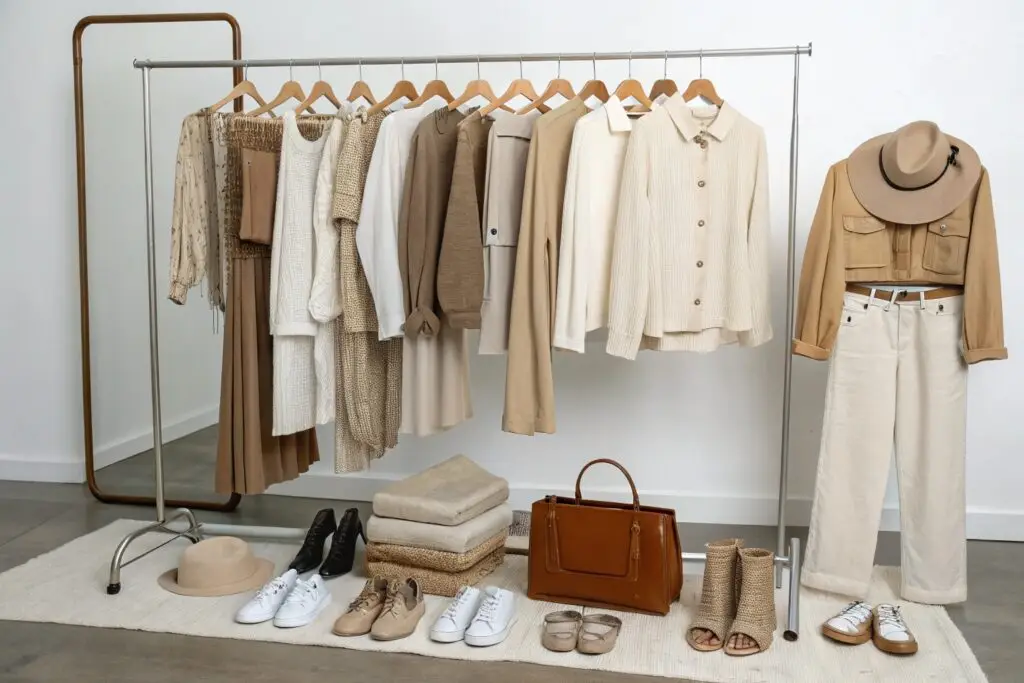
A strong capsule drop often contains 8 to 15 SKUs, offering enough variety for full outfit rotations while keeping inventory and production lean.
I’ve guided several apparel brands through SKU planning. Here's how we help them stay efficient, profitable, and on-brand with each drop.
What’s the Ideal SKU Count for a Balanced Capsule?
Big collections aren’t always better. Most of the time, smaller, smarter assortments drive faster sell-through and tighter branding.
A balanced capsule collection typically includes between 8 to 15 SKUs—delivering both function and visual harmony without inventory overload.
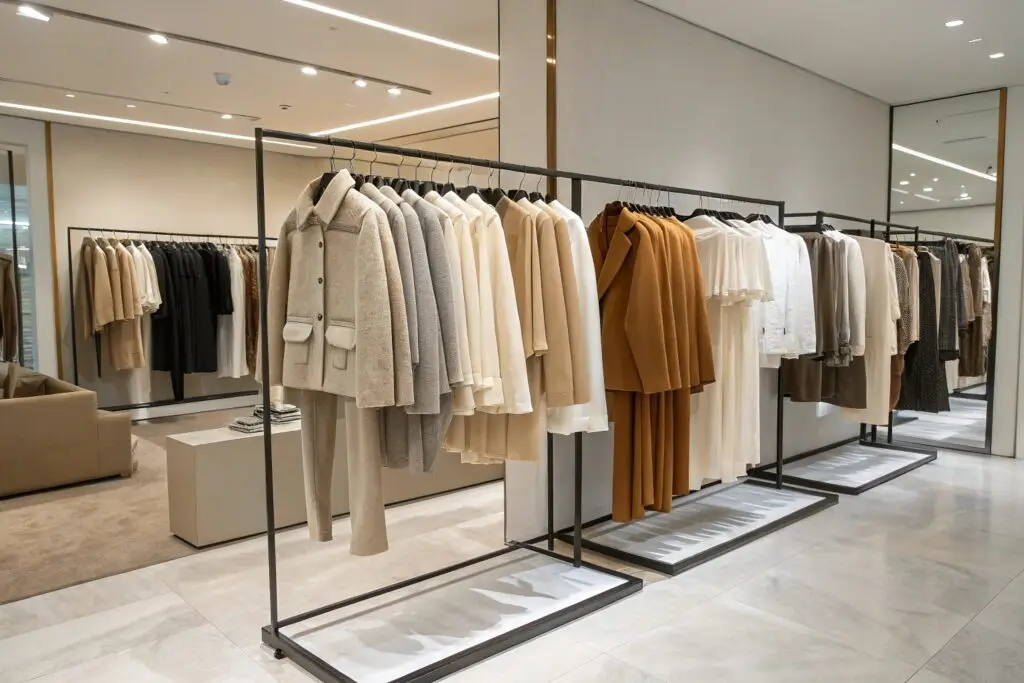
How do you structure a balanced capsule drop?
Here's a tried-and-tested breakdown we offer to Fumao clients:
| Category | Suggested Quantity | Purpose |
|---|---|---|
| Tops | 3–4 | Versatile styling options |
| Bottoms | 2–3 | Foundational daily wear |
| Outer Layers | 1–2 | Functional and visual depth |
| Dresses/Jumpsuits | 1–2 | Statement or transitional pieces |
| Accessories | 1–2 | Final styling and upsell value |
Each piece is chosen for mix-and-match potential, so even 10 items can create 30+ outfit combinations. This range is ideal for both DTC drops and wholesale ordering.
What happens if you go over 20 SKUs?
- Buyers get overwhelmed
- Photoshoot and marketing costs rise
- Inventory coordination gets complicated
- Smaller styles lose visibility in promotions
We've seen clients reduce from 20+ to 12 SKUs and increase sales per style by over 40%, simply by focusing buyer attention more clearly.
How Fewer SKUs Improve Inventory Efficiency
Your inventory isn’t just a product list—it’s your cash flow, your warehouse space, and your forecasting tool.
Capsule collections with fewer SKUs improve production accuracy, warehouse turnover, and help reduce overstock risk.
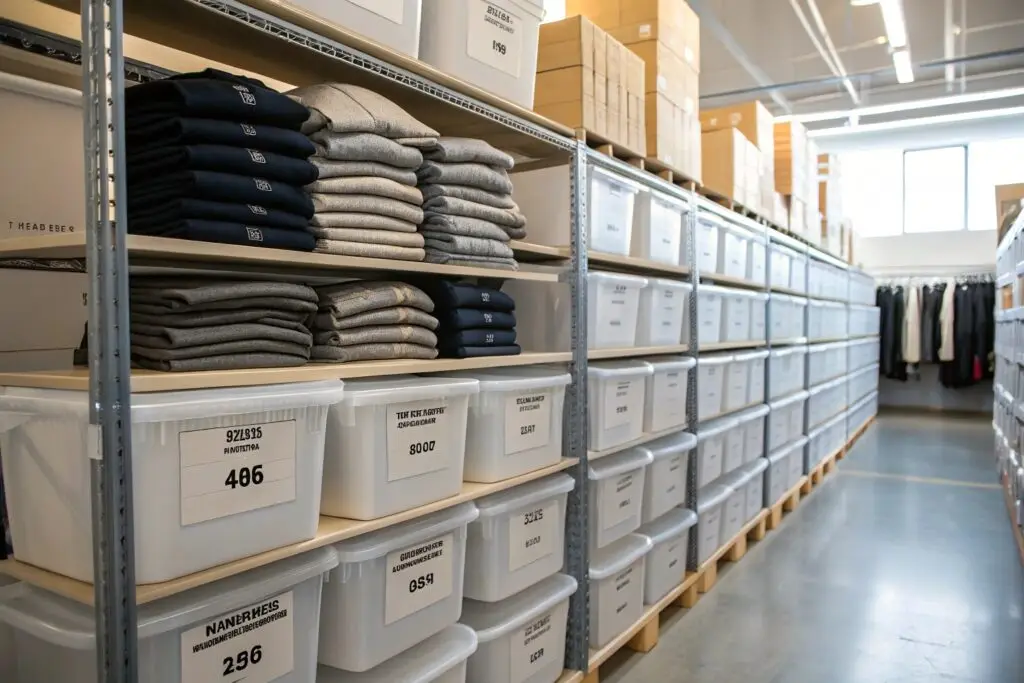
Why do lean capsules work better operationally?
| Benefit | How Fewer SKUs Help |
|---|---|
| Production Cost | Less fabric waste, faster cutting |
| Sourcing Simplicity | Fewer material types, easier dye matching |
| Quality Control | Easier to maintain fit and consistency |
| Reordering Speed | Faster replenishment for top sellers |
| Cash Flow | Less capital tied in slow-moving goods |
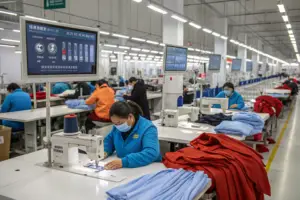
In our Zhejiang factory, we helped a client cut their line from 18 to 9 SKUs. Their fabric MOQ dropped by 25%, and they were able to restock two styles twice in one season—improving profits by over $15,000.
What’s the link to faster turnaround?
- Less time spent on sampling
- Fewer delays at printing/dyeing stage
- Shorter BOM sheets
- Simpler quality inspections
Lean capsules move fast. And fast turns mean better reaction to trends or reorders—key in today’s unpredictable buying seasons.
Factors That Influence Capsule Drop Size
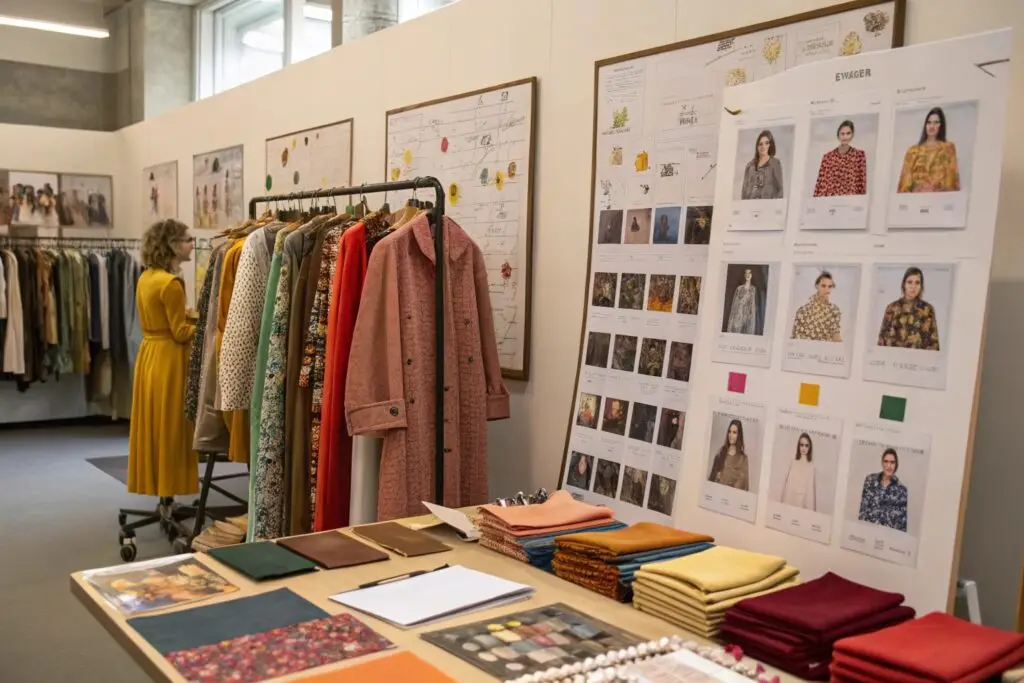
Every capsule needs a different rhythm. Your ideal SKU count depends on who you’re selling to, where they live, and how they’ll use your product.
Market, price point, fabric access, and customer behavior all shape the best capsule size for your business.
What external factors shape SKU range?
| Factor | SKU Count Impact |
|---|---|
| Region & Climate | Cold regions need more layers |
| Target Customer | High-end = tighter curation |
| Retail or Online | Retail prefers more visual options |
| Gender Mix | Women’s capsules often have more SKUs |
| Sales Frequency | Monthly drops = fewer SKUs per drop |
A summer-focused brand might be fine with 6–8 items per capsule. A fall/winter capsule could need 12–15 to provide warmth and layering options.
How do internal factors play a role?
- Fabric MOQ: Higher MOQ fabrics may push for fewer, more focused styles
- Sampling Time: Limited time = leaner capsule
- Team Size: Smaller teams can manage fewer SKUs better
- Marketing Budget: Each SKU needs creative support (photos, styling, copy)
I always tell our clients: Don't stretch your budget or your team thin. A focused collection with 9 strong SKUs will outsell a 15-SKU capsule with 5 weak links.
Can Small SKU Ranges Still Meet Buyer Expectations?
Many brand owners worry that a small capsule won’t feel “complete.” But that’s only true if it’s poorly planned.
A small SKU range—done right—offers styling variety, merchandising strength, and a clear identity that buyers love.
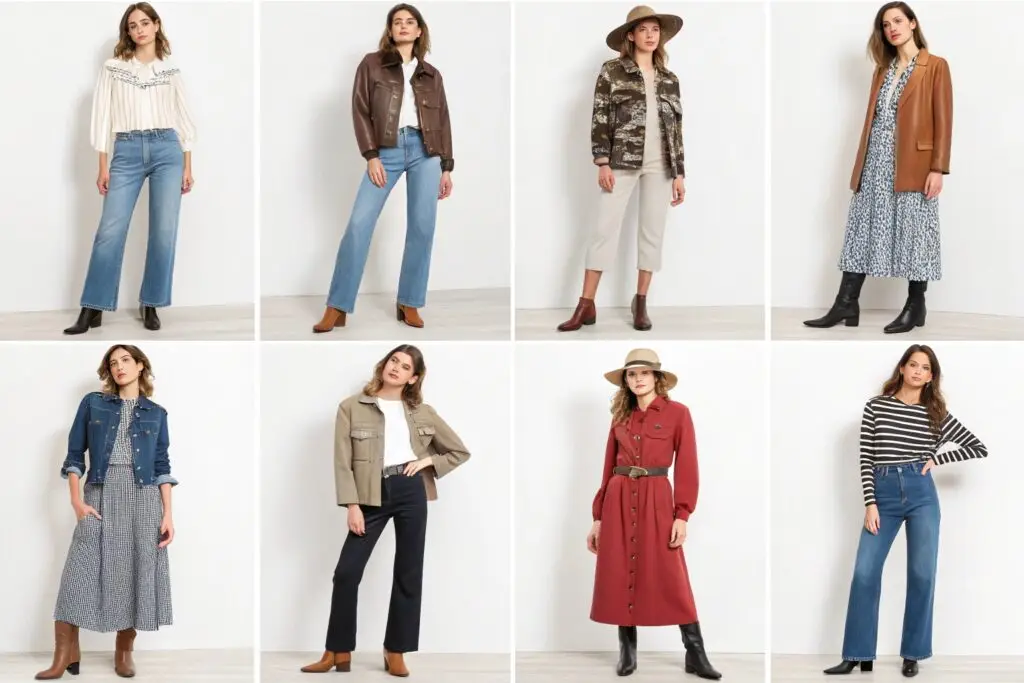
How can 8–10 SKUs feel like a full collection?
It comes down to strategic pairing and visual rhythm:
- Alternate silhouettes: slim-fit vs. boxy, cropped vs. longline
- Build uniform color palettes for cohesive layering
- Use anchor pieces (like a standout jacket or printed bottom)
- Prioritize fabric cohesion (same knits or canvas types)
Example of an 8-SKU women's capsule layout:
| SKU Type | Details |
|---|---|
| Boxy tee | 100% cotton, 2 neutral tones |
| Lightweight blouse | Rayon blend, soft drape |
| Wide-leg pant | Twill, matches 3 tops |
| Midi skirt | Accent color, reversible option |
| Utility jacket | Structured outerwear piece |
| Long-sleeve knit | Layering, ribbed cuffs |
| Day dress | Minimal design, tie waist |
| Crossbody bag | Matching palette, completes styling |
Each piece is styled at least three ways in lookbooks or e-commerce listings. Buyers don’t just see “items”—they see complete looks.
Why do small ranges often sell better?
- Easier to understand the story
- Retailers can buy the whole drop affordably
- Less confusion = faster decision-making
- Better storytelling in limited campaign space
At Fumao, we recommend brands start tight—then grow their drops based on reorder feedback. We've seen first-time capsule buyers reorder the same 10 SKUs four times over one season simply because the edit was so strong.
Conclusion
Capsule drops don’t need big numbers—they need smart structure. With 8–15 SKUs, you can create full outfit variety, efficient production cycles, and leaner, more profitable campaigns. Plan less. Sell more.