Many fashion brands struggle with finding the right balance between comprehensive documentation and overwhelming complexity when creating tech packs. I've seen everything from single-page spec sheets that cause manufacturing disasters to 50-page documents that factories barely read. The question of length often misses the more important issue: what content truly matters for manufacturing success?
A good tech pack typically ranges from 8-15 pages, with complexity determining the exact count. Simple garments like basic t-shirts might require 8-10 pages, while technical outerwear or complex dresses often need 12-15 pages. The key isn't page count but whether every page contains essential, actionable information that enables accurate manufacturing without ambiguity. Empty pages or redundant information add no value, while missing critical specifications can destroy your production.
Last month, we received two tech packs for similar woven shirts. Brand A submitted a 6-page document missing construction details and tolerance specifications. Brand B provided a 14-page pack with complete measurements, materials specs, and construction callouts. Brand B achieved perfect samples in one round, while Brand A required three revisions and additional costs totaling $2,100. The page count difference wasn't about volume but about completeness.
What Determines the Ideal Tech Pack Length?
Tech pack length should be dictated by garment complexity, not arbitrary page targets. A simple cotton t-shirt and a technical winter jacket have vastly different documentation needs. Understanding what drives complexity helps brands create tech packs that are comprehensive without being unnecessarily long.
We've analyzed hundreds of successful tech packs and identified four key factors that determine optimal length:
- Garment Complexity: Number of components, construction techniques, and special features
- Material Variety: Different fabrics, trims, and components requiring separate specifications
- Decorative Elements: Prints, embroideries, appliqués, and other surface treatments
- Technical Requirements: Performance standards, testing protocols, and compliance needs
How Does Garment Type Affect Page Count?
Different garment categories have inherently different documentation requirements. Understanding these category standards helps brands create appropriately detailed tech packs without under-specifying or over-complicating their documentation.
Typical page ranges by garment type:
- Basic T-shirts: 8-10 pages (simpler construction, fewer components)
- Woven Shirts: 10-12 pages (more complex construction, plackets, collars)
- Denim Jeans: 12-14 pages (complex construction, hardware, washing specs)
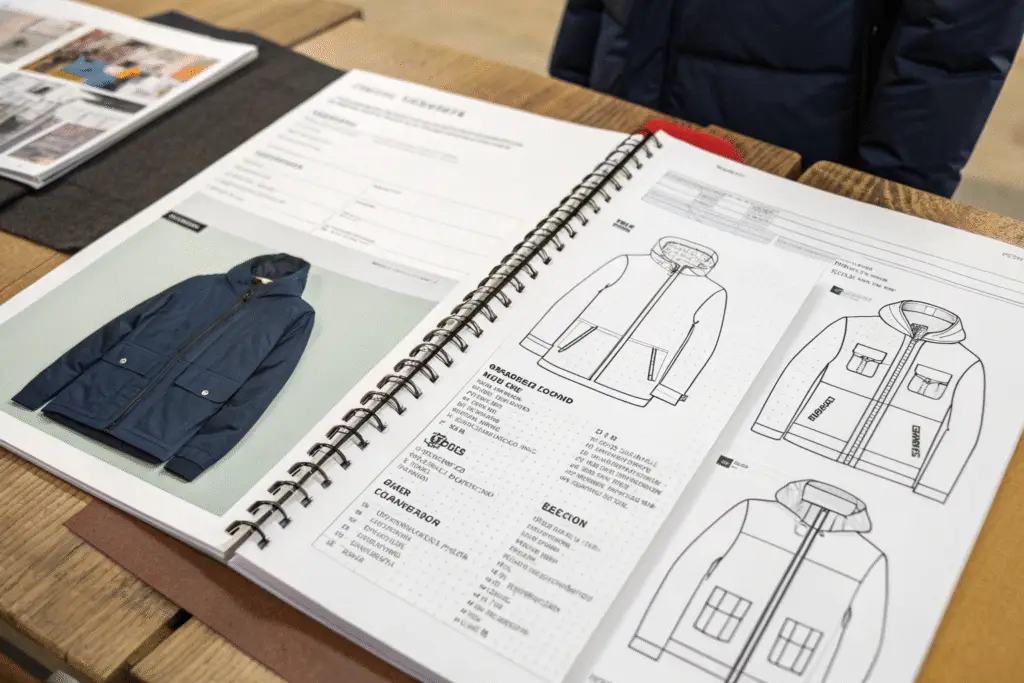
- Technical Outerwear: 14-16 pages (multiple materials, insulation, waterproofing)
- Complex Dresses: 12-15 pages (combination of woven and knit elements, linings)
A Seattle-based brand learned this when they used their 8-page t-shirt template for a technical snowboard jacket. The factory needed to request 23 additional specifications, delaying sampling by three weeks. When they developed a proper 15-page tech pack for their outerwear, they achieved first-sample approval and saved $1,800 in sampling costs.
What Content Justifies Additional Pages?
Every page in a tech pack should serve a specific manufacturing purpose. Additional pages are justified when they contain unique information that prevents errors, clarifies construction, or ensures quality consistency. Redundant or decorative pages waste factory time and dilute important specifications.
Justified content for additional pages:
- Detailed Construction Callouts: Zoomed-in technical drawings of complex operations
- Multiple Material Specifications: Separate pages for each fabric and component type
- Performance Testing Requirements: Detailed quality standards and testing protocols
- Size-Specific Artwork: Separate pages for different size placements
- Packaging Instructions: Detailed packing, labeling, and shipping requirements
The table below shows how content needs vary by garment complexity:
| Content Section | Basic T-Shirt | Denim Jeans | Technical Jacket |
|---|---|---|---|
| Measurement Specs | 1 page | 1.5 pages | 2 pages |
| Materials & Trims | 2 pages | 3 pages | 4 pages |
| Construction | 2 pages | 3 pages | 4 pages |
| Artwork & Labels | 1 page | 1.5 pages | 2 pages |
| Total Pages | 8-10 | 12-14 | 14-16 |
What Are the Essential Pages Every Tech Pack Needs?
Regardless of garment type, certain core pages form the foundation of every effective tech pack. These essential sections contain the information factories need to accurately cost, pattern, sample, and produce your garments. Missing any of these core pages guarantees manufacturing challenges and potential errors.
Through reviewing thousands of tech packs, we've identified eight essential pages that should appear in every document, with additional pages added based on specific garment requirements. Brands that include these core elements experience 70% fewer manufacturing issues than those with incomplete documentation.

What Core Pages Form the Tech Pack Foundation?
The foundation pages provide the basic information every factory needs to understand, cost, and execute your production. These pages establish the garment parameters, materials, and measurements that guide all subsequent manufacturing decisions.
Essential foundation pages:
- Cover Sheet: Style summary, season, dates, and contact information
- Spec Sheet: Complete measurements with tolerances for all sizes
- Technical Flats: Front, back, and side views with construction callouts
- Bill of Materials: Complete list of all fabrics, trims, and components
- Points of Measurement: Visual guide showing how to take each measurement
- Construction Details: Specific stitch types, SPI, and seam finishes
- Artwork & Labels: Placement guides for logos, prints, and identification labels
- Packaging Instructions: How to pack, label, and ship finished goods
A Chicago-based brand reduced their sampling revisions from four rounds to one by ensuring these eight core pages were always complete and accurate. Their production manager reported that having this foundation eliminated 80% of the clarification requests that previously delayed their manufacturing timeline.
How Should Additional Pages Be Structured?
When garments require documentation beyond the core pages, this additional content should follow a logical structure that mirrors the manufacturing workflow. Information should flow from general to specific, with related specifications grouped together for easy reference.
Logical structure for additional pages:
- Material Details First: Additional fabric specifications, then trim details
- Construction Sequence: Operations in the order they're performed
- Visual References: Technical drawings before written instructions
- Quality Standards: Inspection criteria grouped by garment area
- Appendices: Supplementary information like wash care guides or compliance certificates
A Los Angeles-based activewear brand organizes their 14-page tech packs to follow the exact workflow their factory uses. This structure enables different departments to quickly find the information they need without searching through unrelated specifications, reducing internal factory communication time by approximately 30 minutes per style.
What Content Belongs on Each Essential Page?
Understanding what specific information belongs on each page ensures your tech pack contains comprehensive specifications without unnecessary repetition. Each page should serve a distinct purpose and contain information formatted for immediate factory use.
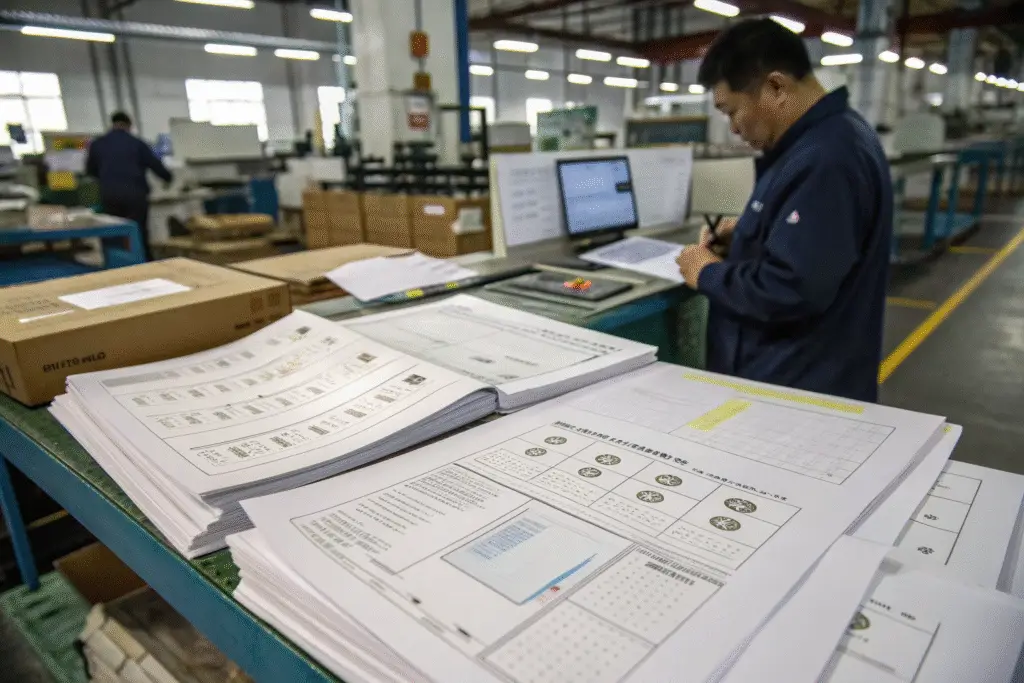
We provide our manufacturing partners with detailed page templates that specify exactly what information belongs on each page and how it should be formatted. Brands that use these templates create tech packs that factories can implement 40% faster than documents with disorganized or incomplete information.
What Makes an Effective Spec Sheet Page?
The spec sheet represents the most critical page in any tech pack, containing the measurements that determine fit and sizing consistency. An effective spec sheet provides complete, unambiguous measurement data in a format that pattern makers can immediately use.
Essential spec sheet elements:
- Complete Size Range: Measurements for all sizes, not just the base size
- Clear Points of Measurement: References to the POM diagram page
- Specific Tolerances: ± values for each measurement based on importance
- Grade Rules: Consistent increments between sizes
- Measurement Types: Both flat and on-body measurements where relevant
- ASTM Compliance: Following industry measurement standards
A New York-based brand improved their fit consistency by 90% after redesigning their spec sheet to include 28 specific measurements with individual tolerance ranges. Their previous spec sheet contained only 12 basic measurements with a single tolerance applied to all values, causing inconsistent fit across different garment areas.
How Should Construction Pages Communicate Manufacturing Details?
Construction pages translate design vision into manufacturing instructions. These pages should use a combination of visual and textual information to clearly communicate how each garment component should be assembled and finished.
Effective construction communication:
- Technical Drawings: Clean flats with zoomed-in callouts for complex areas
- Stitch Specifications: Standard stitch codes (301, 401, etc.) with SPI requirements
- Seam Details: Cross-section drawings showing seam construction
- Operation Sequence: Numbered steps for complex assembly processes
- Quality Benchmarks: Clear standards for each construction operation
A Miami-based brand eliminated their construction quality issues by implementing detailed construction pages with photographic examples of correct versus incorrect execution. Their factory reported that these visual references reduced construction errors by 85% compared to written descriptions alone.
When Does a Tech Pack Become Too Long?
While comprehensive documentation is valuable, excessively long tech packs can be counterproductive. When documents grow beyond 20 pages for standard garments, they often contain redundant information, unnecessary details, or content that doesn't serve manufacturing purposes. Factories may overlook critical specifications buried in overwhelming documentation.
We recently received a 28-page tech pack for a basic polo shirt that contained 6 pages of mood boards, 4 pages of marketing copy, and multiple redundant measurement tables. The factory spent more time determining what information was relevant than actually implementing the specifications, delaying sampling by a week.

What Content Typically Makes Tech Packs Unnecessarily Long?
Certain types of content frequently inflate tech packs without adding manufacturing value. While this information might be useful for internal purposes, it doesn't belong in documents sent to factories for production execution.
Common content that inflates page count unnecessarily:
- Mood Boards & Inspiration: Visual research that doesn't translate to specifications
- Marketing Copy: Descriptions for sales or catalog purposes
- Multiple Visual Variations: Numerous color options on separate pages
- Redundant Specifications: Repeating the same information in different formats
- Overly Detailed Background: Extensive company or collection background
- Theoretical Information: General industry knowledge rather than style-specific specs
A San Francisco-based brand reduced their average tech pack from 22 to 14 pages by moving mood boards, marketing copy, and collection background to a separate "Design Brief" document. Their factories reported that the streamlined tech packs were much easier to work with, and sampling accuracy improved despite the reduced page count.
How Can Brands Maintain Comprehensiveness Without Bloat?
The most effective tech packs achieve comprehensive specification without unnecessary length through efficient organization, clear formatting, and focused content. Every element should serve a direct manufacturing purpose and be presented in the most concise format possible.
Strategies for comprehensive yet concise tech packs:
- Use Templates: Standardized formats that ensure completeness without repetition
- Combine Related Information: Group similar specifications on single pages
- Use Visual Efficiency: Technical drawings that replace lengthy descriptions
- Implement Cross-References: Link to external documents for supplementary information
- Apply the "So What" Test: Evaluate whether each element directly impacts manufacturing
A Boston-based brand maintains 12-page tech packs that are more comprehensive than their previous 20-page documents by using efficient templates and removing non-essential content. Their production director estimates this efficiency saves 5-7 hours per style in documentation creation and factory processing time.
How Can Digital Tools Optimize Tech Pack Length?
Digital tech pack platforms can help optimize length by providing structured templates, automated content generation, and efficient information organization. These tools ensure completeness while preventing redundancy and information overload.
The most effective digital systems balance comprehensive data capture with clean, focused output. They enable brands to include all necessary specifications without creating overwhelming documents that factories struggle to navigate.

What Digital Features Help Manage Content Effectively?
Modern tech pack platforms offer features that help brands create documents of appropriate length and focus. These tools enforce completeness while eliminating redundancy through structured data management and automated formatting.
Useful digital features for length optimization:
- Structured Templates: Pre-defined sections that ensure completeness
- Auto-Population: Automatic filling of redundant information
- Conditional Content: Sections that appear only when relevant
- Version Control: Tracking changes without creating duplicate content
- Export Filters: Generating factory-specific versions with only relevant content
- Digital Measurement Tables: Structured data instead of static tables
A Denver-based brand reduced their tech pack creation time by 60% while improving completeness by implementing a digital platform with structured templates. The system ensures they include all essential specifications while automatically preventing redundant information across different sections.
How Do Collaboration Features Impact Tech Pack Efficiency?
Digital collaboration tools significantly impact tech pack efficiency by streamlining the feedback and revision process. These features help brands refine their documentation to the optimal length and focus through iterative improvement based on factory input.
Efficiency-enhancing collaboration features:
- Comment Systems: Targeted feedback on specific elements
- Change Tracking: Clear documentation of revisions
- Approval Workflows: Structured review processes
- Factory Feedback Integration: Direct input from manufacturing partners
- Analytics: Data on which sections generate most clarification requests
A Philadelphia-based brand uses their platform's analytics to continuously refine their tech pack length and focus. By identifying which sections generated the most factory questions, they were able to add clarity where needed and remove redundant information, optimizing their average page count from 16 to 12 pages while improving manufacturing outcomes.
Conclusion
The ideal tech pack length ranges from 8-15 pages, determined by garment complexity rather than arbitrary targets. Simple garments typically require 8-10 pages, while complex items may need 12-15 pages. The key isn't the number of pages but whether every page contains essential, actionable information that enables accurate manufacturing without ambiguity.
Successful tech packs focus on comprehensive specification rather than volume, eliminating redundant or non-essential content while ensuring all critical manufacturing information is present and clearly communicated. The most effective documents follow a logical structure that mirrors factory workflows, with content organized for immediate accessibility and implementation.
If you're struggling to determine the right length for your tech packs or want to optimize your existing documentation, our technical team can provide templates and guidance based on thousands of successful manufacturing experiences. Contact our Business Director, Elaine, at elaine@fumaoclothing.com to discuss how we can help you create tech packs of optimal length and effectiveness for your specific garment types.