Capsule collections may be small in size, but they demand big coordination. Designers have bold visions, and factories must make those visions real—on time, on spec, and with no compromise in quality.
Factories support capsule development by offering responsive sampling, flexible production lines, transparent communication, and material sourcing that matches the collection’s intent.
As a factory owner in China serving U.S. and European brands, I’ve seen how vital our role is in translating capsule creativity into finished products. Without the right backend support, a capsule line won’t survive the jump from sketch to store.
What Is the Factory’s Role During Capsule Planning?
Capsule planning often begins with a concept: 8–15 essential pieces, built around a story. But that’s just the start. Factories help bring that vision down to earth.
Factories assist during capsule planning by validating materials, advising on construction, and forecasting feasibility and costs.
How Do Factories Help Brands Narrow the Scope?
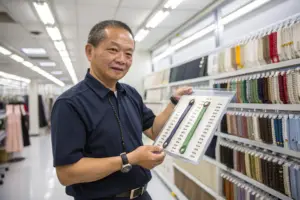
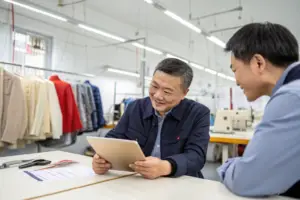
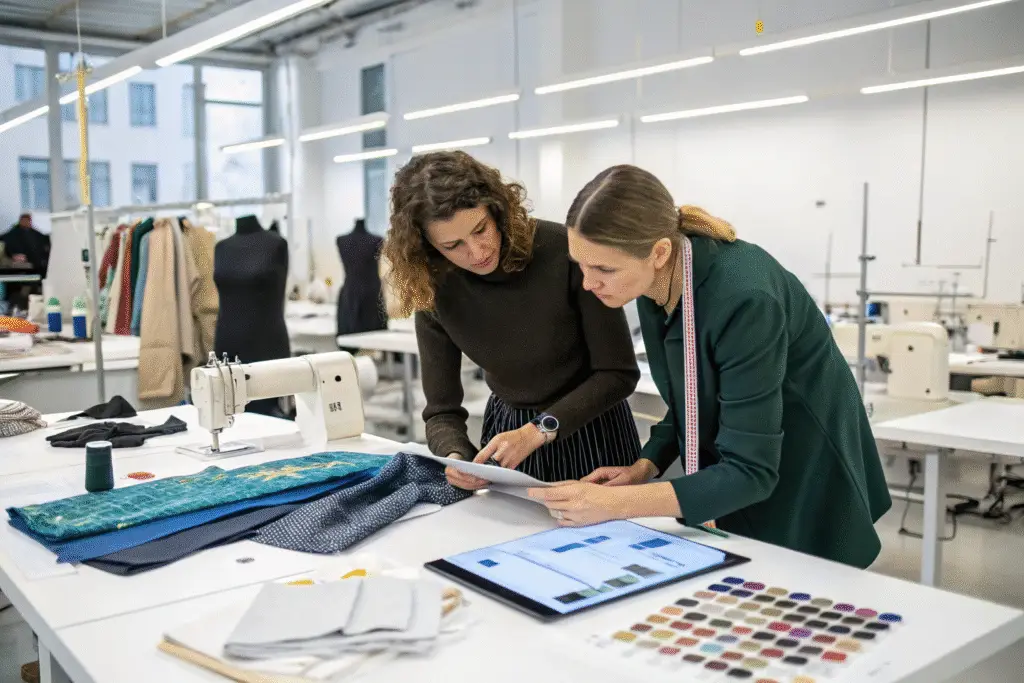
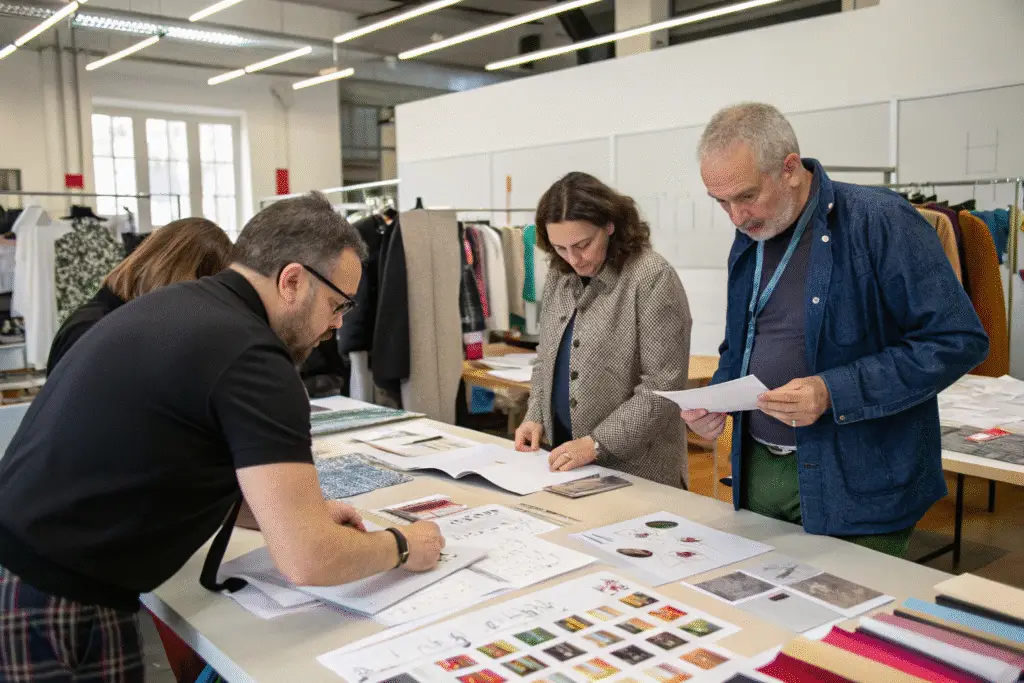
We often start by reviewing mood boards and fabric ideas. Many brands come in with 50 concepts. We help reduce that to 12 viable designs. Some might be too costly or not scalable. Others may not work with the preferred materials.
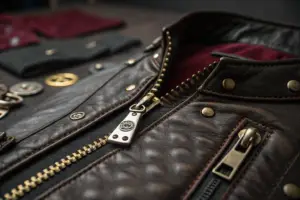
We suggest alternatives—such as swapping silk for TENCEL™ or altering trims to use stock materials from suppliers like YKK.
What Technical Advice Do We Offer Early?
Fit issues, stitching tension, shrinkage, colorfastness—we’ve seen it all. For example, capsule pieces often rely on mix-and-match functionality. That means all tops and bottoms must align at seams or necklines.
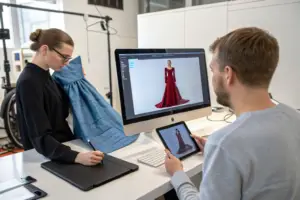
We flag those risks early. Our pattern team uses software like CLO 3D to test fit digitally before fabric is cut—saving time and material.
How Can Factories Speed Up Capsule Sampling?
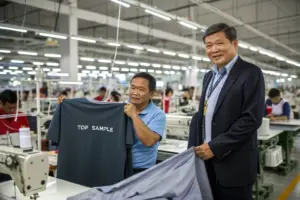
Speed is critical in capsule collections. A delayed sample can ruin an entire launch plan. Factories must work fast, but also precisely.
Factories support capsule development by providing quick, accurate sampling that balances design creativity and production reality.
What Systems Help Accelerate Sampling?
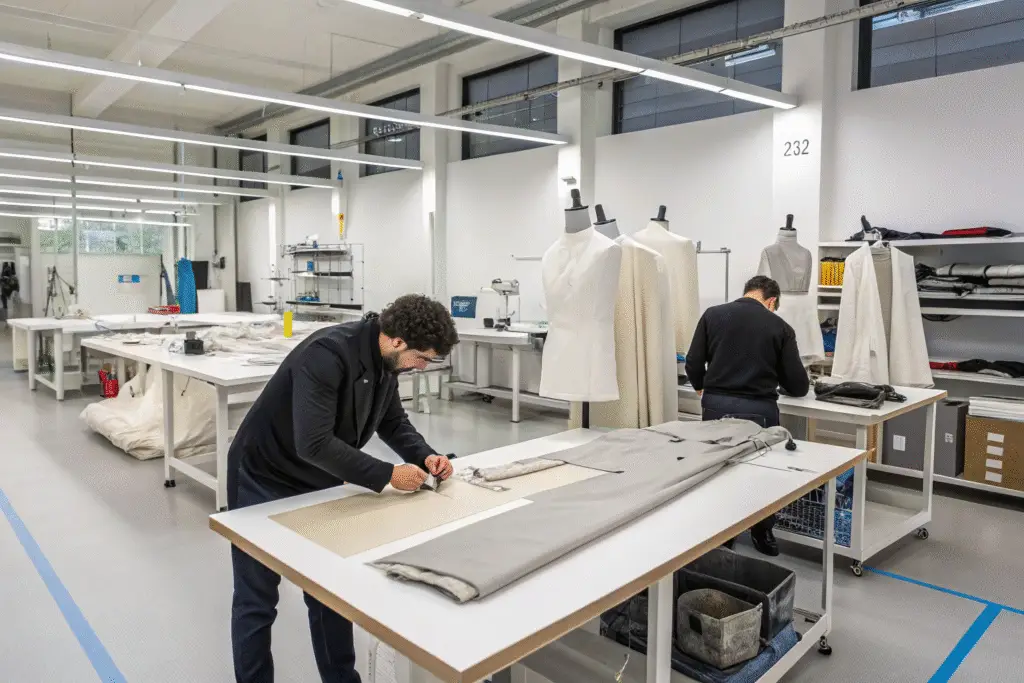
We run a dedicated sample line, separate from bulk production. This lets our sewers and pattern-makers work without delays. We also batch requests by client tier—for example, capsule clients launching in two months go ahead of those with fall lines.
Our tech packs sync with Techpacker and allow comments in real time. Designers approve changes via cloud, reducing back-and-forth.
How Many Sample Rounds Are Typical?
For most capsule collections, we complete 1–2 sample rounds. First for silhouette and fabric, second for fit and trim. Since capsule volumes are low, this shortens the total development cycle.
We also offer hybrid samples—mocking up two styles into one shell—to save time. These reduce courier costs and keep clients like Ron (U.S.-based buyers) on schedule.
How Do Factories Manage Flexible Capsule Production?
Production for capsules is never just one big batch. It’s 10 small ones—each with unique fabrics, fits, and quantities. Factories must adapt line structures to avoid confusion and delay.
Flexible line planning and skilled labor allocation are key to managing capsule production successfully.
How Are Production Lines Organized for Capsules?
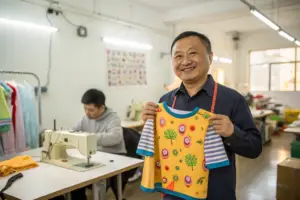
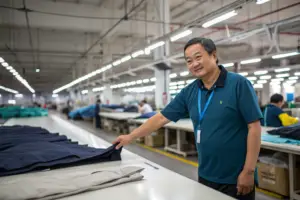
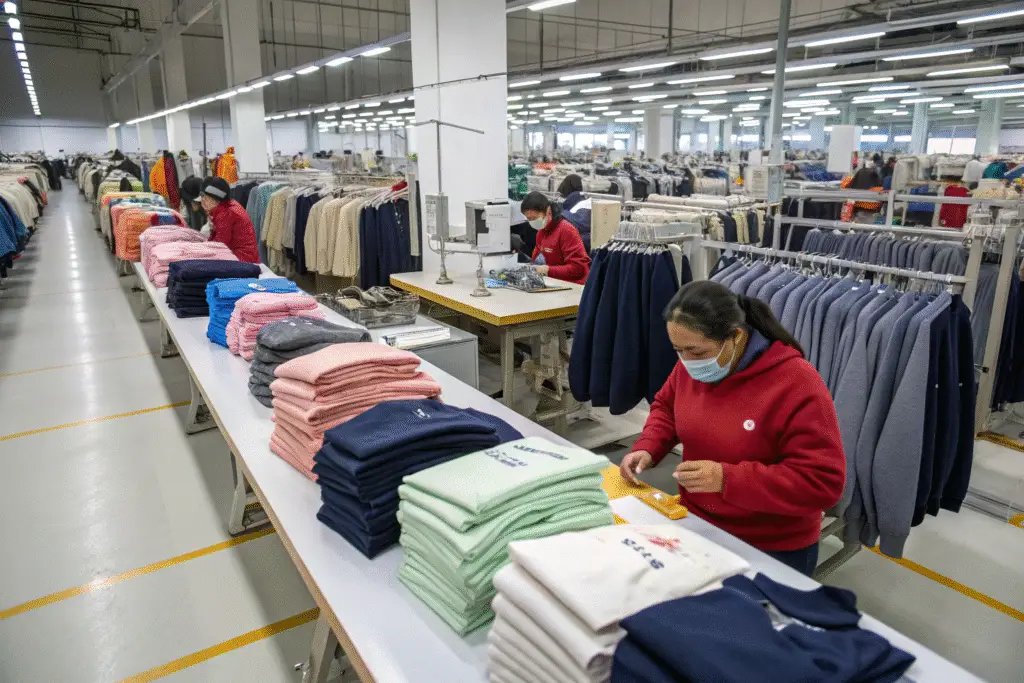
We structure our lines into modular zones. One zone may stitch all knit tops, another handles woven bottoms. This allows overlap without re-training for each SKU. Every line has a lead who tracks progress with barcode checkpoints and weekly reports.
Using FastReact planning software, we monitor line balance in real time and move work accordingly.
What if One Piece in the Capsule Needs More Time?
There’s always a problem piece—maybe a wrap skirt with tricky draping or a denim jacket with embroidery. We isolate these pieces into a buffer lane and work around them while continuing with the rest.
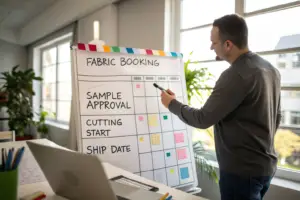
This avoids holding up the full set, which is critical in fashion shows or influencer launches. We ship in waves if needed—capsule lookbooks first, hero styles next.
How Do Factories Ensure Quality in Small Batch Capsules?
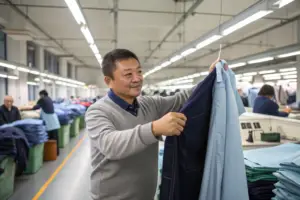
Capsules don’t have volume to hide defects. Every stitch counts. Factories must treat capsule garments like luxury items.
Rigorous quality control and finishing procedures ensure capsule pieces meet high standards with limited margin for error.
What’s Different About QC in Capsule Production?
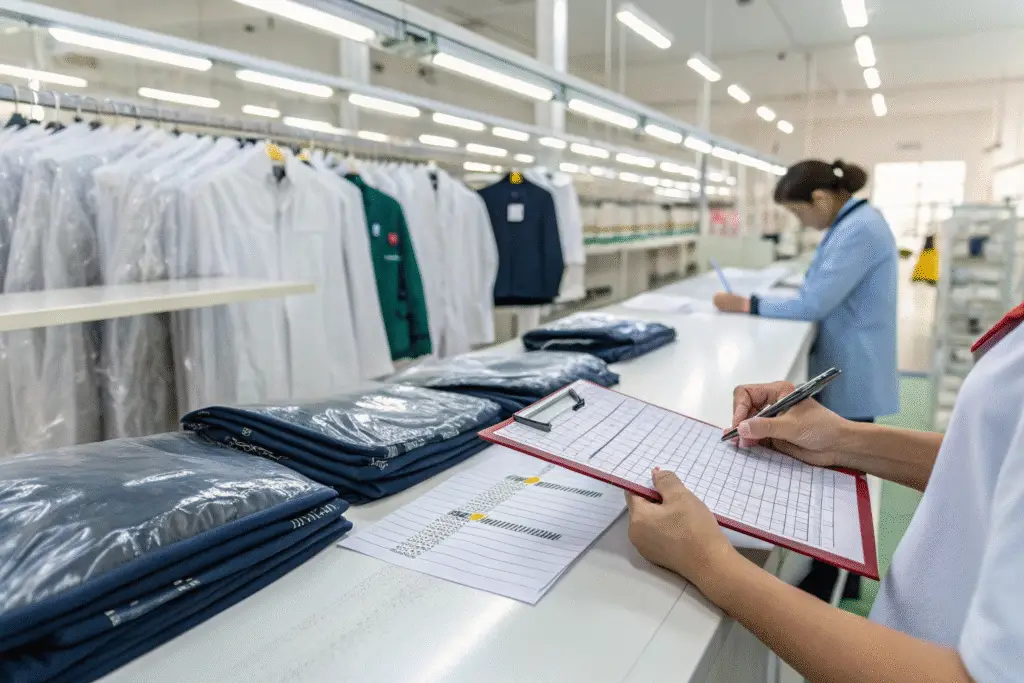
We apply AQL standards, but also client-specific checklists. These often include stitching alignment, fold symmetry, and even button orientation. Since many capsules get photographed, even packaging creases are checked.
For hero items (like a centerpiece coat), we offer 100% inspection instead of random sampling. Tools like QIMA help third-party clients validate results.
How Are Capsule Garments Packed and Labeled?
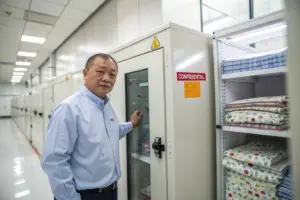
Many capsules use special branding—gold foil tags, logo-stamped garment bags, or hand-numbered labels. We store these components separately and train staff to follow specific instructions.
For limited runs, we also offer handwritten thank-you notes or custom wrapping using noissue paper, which many DTC brands now request.
Conclusion
Factories are the foundation of capsule success. From planning to packing, we turn small ideas into fully wearable, saleable realities. At our factory, capsule clients get agile attention, technical insight, and precision execution. For brands entering new markets or redefining their identity, that support turns a mini collection into a major opportunity.