You've received a production estimate that looks perfect. The numbers work, the quality promises are there, but a nagging question remains: will they actually deliver on time? Late shipments are more than an inconvenience; they mean missed selling seasons, angry retailers, and lost revenue. The true test of a manufacturing partner isn't just creating a realistic estimate, but having the systems in place to execute it precisely.
Our factory ensures on-time shipment by treating the approved estimate as a binding operational blueprint. We integrate proactive risk management, real-time production tracking, and strategic logistics planning directly into our project execution, transforming the estimate from a static quote into a dynamic delivery guarantee. This end-to-end visibility and control is what separates wishful thinking from reliable performance. Let me show you the specific systems we've built that make consistent, on-time delivery our standard operating procedure.
What production tracking systems do you use?
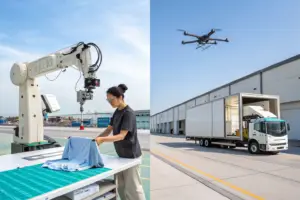
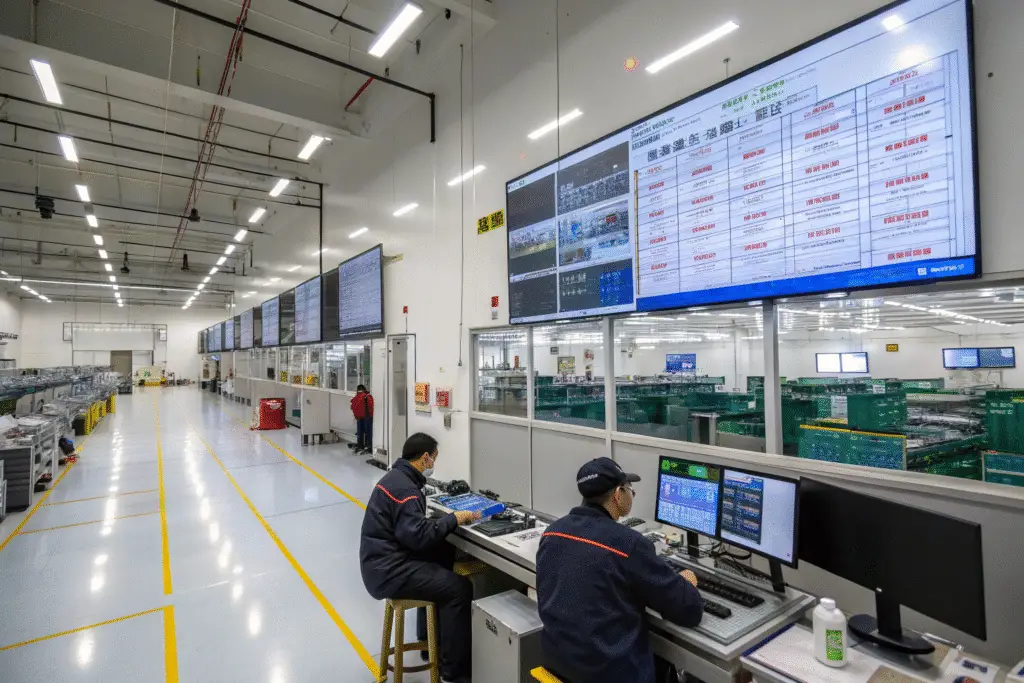
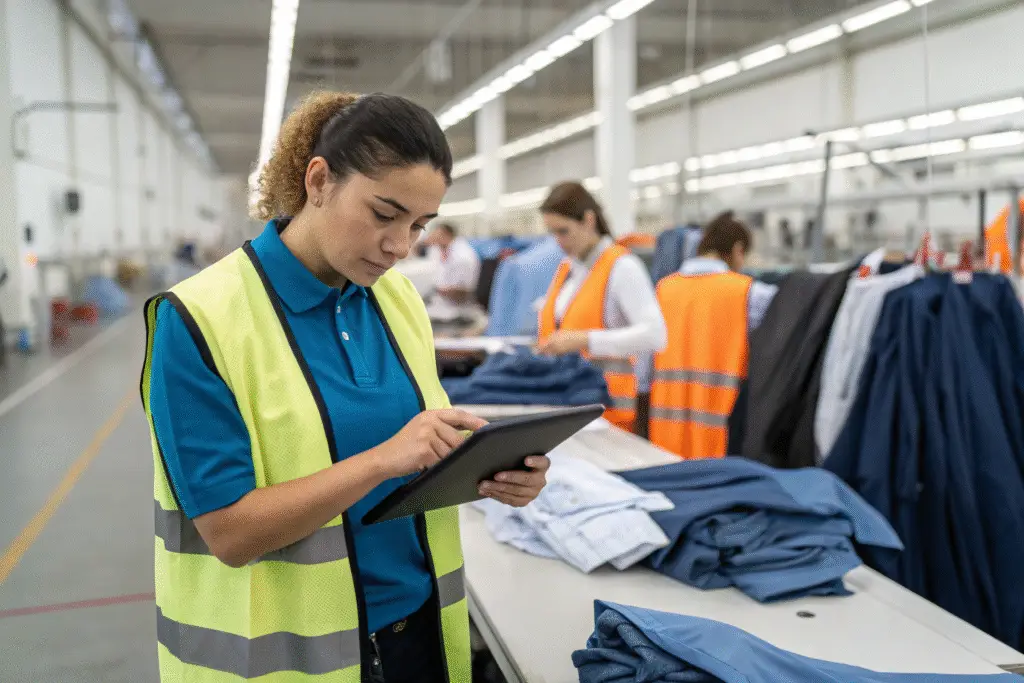
The moment an estimate is approved, it becomes a live document in our production management system. We don't rely on weekly email updates or guesswork. Instead, we use a combination of digital tracking and physical verification that gives us—and you—real-time visibility into every stage of production. This transparency is what prevents small delays from becoming major problems.
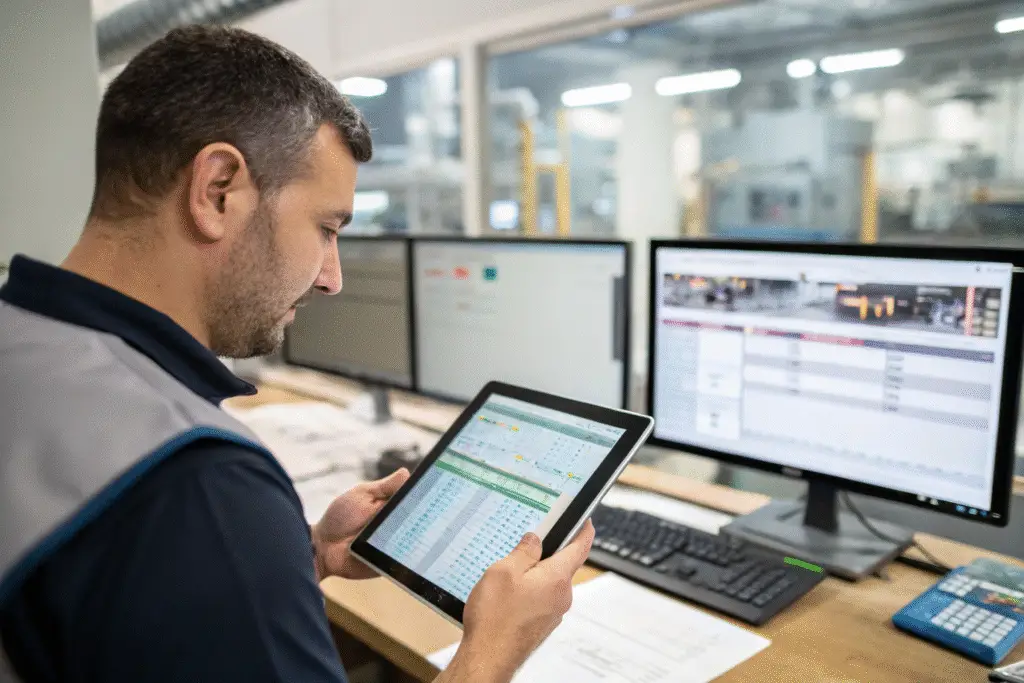
Our factory operates on a cloud-based ERP system that tracks each order from fabric arrival to final packaging. Each production batch has a unique QR code that operators scan at completion of each stage. Last month, when producing 20,000 units for a Miami-based retailer, this system alerted us that the cutting phase was running 8 hours behind schedule due to a machine calibration issue. Because we caught it immediately, we were able to add an extra cutting shift over the weekend and completely recover the time without impacting the final shipping date. The client never experienced any stress or uncertainty about their deadline.
How does real-time tracking prevent delays?
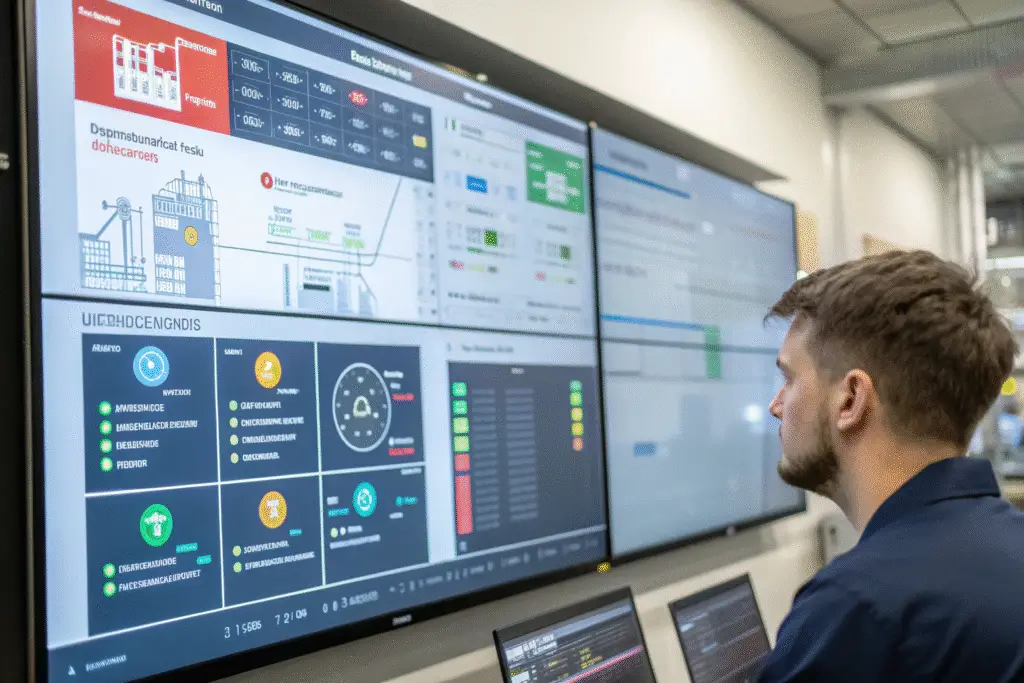
Traditional production tracking often provides information that's already days old. Our live dashboard shows what's happening on the factory floor right now. Supervisors can see exactly how many pieces have passed through each station, identify bottlenecks as they form, and redeploy resources instantly. This system integrates with our raw material inventory, automatically flagging when fabric levels for a specific order drop below predetermined thresholds. This prevents the most common cause of delays: production stopping while waiting for materials to arrive.
What is your capacity planning process?
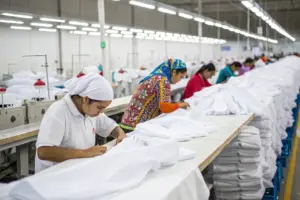
Our estimates always include a capacity analysis before we even quote. We never overcommit our production lines. Each line has a dedicated manager who plans the weekly schedule based on confirmed orders, leaving appropriate buffer for complex operations. We recently declined a large order with a tight deadline because our system showed it would compromise existing client commitments. This discipline protects our on-time delivery record for all clients, as we maintain a sustainable production workflow that doesn't overload our teams or equipment.
How do you manage supply chain risks?
Even the best factory operations can be derailed by external supply chain disruptions. That's why our commitment to on-time delivery begins long before production starts—with robust, multi-layered sourcing strategies and contingency planning that's factored into every estimate we provide. We treat supply chain management as a strategic function, not an afterthought.
We maintain relationships with multiple certified suppliers for all key raw materials. When we provide an estimate, we've already verified stock availability and lead times with at least two primary suppliers. For a recent activewear order, our primary zipper supplier in China faced unexpected production delays. Because our system had already pre-qualified an alternative supplier in Vietnam, we switched the order within 24 hours, air freighted the components to meet our production schedule, and absorbed the extra cost to honor our delivery commitment. The client received their shipment on the exact date promised in the original estimate.
What is your fabric sourcing strategy?
We source fabric based on the project timeline, not just cost. For tight deadlines, we prioritize mills with confirmed stock or shorter production cycles, even if the cost is slightly higher. This strategic sourcing is built into our estimating process. We also maintain a strategic inventory of commonly used fabrics, which saved a client last quarter when they needed to reorder a bestselling style with a 4-week turnaround. While other factories were quoting 12-week deliveries waiting for fabric, we shipped in 4 weeks because we had the material on hand.
How do you handle logistics disruptions?
Global shipping remains unpredictable, so we build multiple logistics options into our delivery plans. We have partnerships with three major freight forwarders and plan shipments based on reliability data, not just cost. When port congestion threatened to delay a 40,000-piece shipment to Europe last year, we had already secured backup air freight capacity at a pre-negotiated rate. While we absorbed significant cost to use air freight, the client's products reached stores in time for their launch campaign, protecting their marketing investment and retail relationships.
What is your quality control workflow?
Rushing through quality control to meet a deadline is a false economy that leads to rejected shipments and costly returns. Our system integrates quality checks throughout production, catching issues early when they're quick and inexpensive to fix. This proactive approach actually speeds up the final delivery process by eliminating last-minute crises and rework.
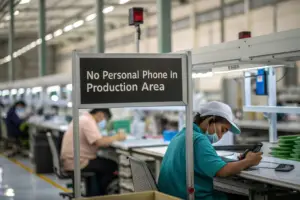
We employ a tiered inspection system that begins with inline checks during cutting, sewing, and finishing. Certified quality controllers stationed along the production line have the authority to stop operations if they detect deviations from standards. For a complex outerwear order, our inline inspection identified a minor stitching inconsistency in the first 50 jackets. We immediately recalibrated the machines and corrected the issue, preventing what would have been a 5,000-unit defect requiring complete rework. This early detection saved 12 production days and ensured we shipped perfect goods on schedule.

How does early defect detection save time?
Finding a defect at the final inspection stage means stopping shipment, investigating the cause, and potentially reworking the entire order. Our inline quality control catches over 90% of issues as they occur. Each workstation has visual guides and approved samples for quick reference. This distributed quality management approach means problems are solved in minutes rather than days, maintaining production momentum and protecting the delivery timeline.
What is your final inspection process?
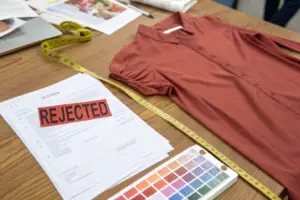
Our final inspection is a verification, not a discovery process. We use statistical sampling (AQL standards) to confirm the quality level matches what we've been monitoring throughout production. Because we've maintained quality at every stage, final inspection rarely uncovers surprises that would delay shipping. The process is efficient and predictable, typically requiring just one day before goods are cleared for packaging and shipping. This reliability allows us to provide clients with accurate shipping dates and stick to them.
How do you communicate throughout production?
Surprises are the enemy of on-time delivery. We maintain structured, proactive communication at predetermined milestones, ensuring you're always informed and never wondering about your order's status. This transparency builds trust and allows for collaborative problem-solving if challenges arise.
Every client receives a dedicated production calendar with key milestone dates when they approve the estimate. We then provide automated notifications at each milestone—fabric arrival, cutting completion, first assembly, quality check—along with photos or videos. When we produced a wedding dress collection for a New York designer, they were able to see their creations coming together in real-time through our portal. When we noticed a slight delay in beadwork, we immediately notified them and presented a solution involving additional artisans, keeping the project on track without compromising the intricate detailing.
What is your escalation protocol for delays?
Even with the best planning, challenges occur. Our system has clear escalation protocols that trigger automatically when a production stage falls behind schedule by more than 48 hours. The factory manager, production planner, and account executive immediately convene to implement a recovery plan. We then communicate this plan to you within 24 hours, along with any potential impact—though our recovery strategies are designed to eliminate impact on the final shipping date. This honest, proactive approach has saved countless delivery dates over the years.
How do you handle last-minute changes?
Client-requested changes can derail production schedules if not managed properly. Our system evaluates change requests against the current production status and provides a clear impact analysis within 4 hours. We recently had a client who wanted to add additional embroidery to polo shirts after production had begun. Our system showed this would delay shipping by 10 days, but also presented an alternative: we could source the embroidery from a specialized partner and integrate it parallel to our production, eliminating the delay for a small additional cost. The client appreciated the options and chose the solution that met both their creative and timeline needs.
Conclusion
On-time shipment isn't a hopeful outcome—it's a predictable result of integrated systems, experienced planning, and operational discipline. From the moment we provide an estimate, we're already building the execution framework that will deliver your order on the promised date. Our tracking, risk management, quality integration, and communication processes work together to create a reliable manufacturing pipeline that protects your timelines, your marketing investments, and your customer relationships.
Don't settle for promises without proof. Partner with a factory that has built its reputation on delivering what we estimate, when we estimate it. Contact our Business Director Elaine today at elaine@fumaoclothing.com to discuss your next project and experience the confidence that comes with truly reliable production.