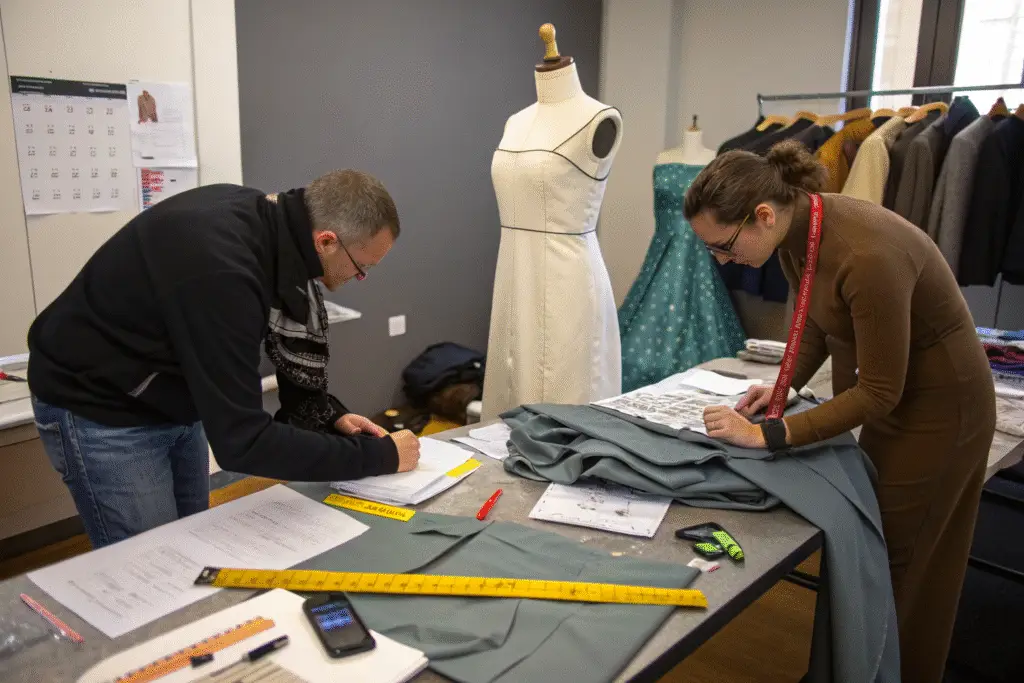
You've approved your prototype samples, and you're eager to start bulk production. But there's one crucial step remaining: the pre-production sample (PPS). This sample often gets rushed or overlooked in the excitement to begin manufacturing, yet it's arguably the most critical quality control checkpoint in your entire timeline. How much should you budget for this phase, and what's the real impact of getting it right versus wrong?
The pre-production sample process typically adds 10-14 days to your manufacturing timeline but prevents delays of 3-6 weeks that commonly occur when issues are discovered during bulk production. This phase serves as the final verification that all elements - materials, construction, fit, and workmanship - align with expectations before committing to full production, making it one of the highest-return timeline investments in apparel manufacturing.
Let's examine how this crucial phase interacts with your schedule, where bottlenecks typically occur, and strategies to maximize efficiency while maintaining thoroughness.
What Is The Real Time Investment For PPS?
The pre-production sample phase involves multiple interconnected steps that collectively create a 10-14 day timeline investment, with each day serving a specific purpose in risk mitigation.
A comprehensive PPS process includes: sample garment production (3-5 days), detailed measurement and quality analysis (1-2 days), client review and feedback (2-4 days), necessary revisions and corrections (2-3 days), and final approval documentation (1 day). This timeline represents the complete cycle from when materials are ready for sampling through final approval to begin bulk production. A sportswear brand from Portland learned this timeline's value when their PPS revealed a 1.5cm variance in sleeve length - a 3-day correction that prevented 300 units from requiring rework, saving them an estimated 3-week delay and $4,200 in correction costs.
How Long Does Sample Production Actually Take?
Physical sample production requires 3-5 working days depending on complexity, involving: pattern verification or adjustment (4-8 hours), cutting with actual bulk materials (4 hours), assembly by senior sample operators (1-2 days), and finishing including pressing and labeling (4 hours). This timeframe assumes all materials are available and the factory has dedicated sample operators. Complex styles with multiple components or technical features typically require the full 5 days, while simpler designs might be completed in 3 days. The American Apparel & Footwear Association emphasizes that rushing this stage typically creates costly downstream delays.
What Determines Review And Feedback Duration?
Client review and feedback typically requires 2-4 days, influenced by: stakeholder availability for evaluation, need for fit model testing, requirement for third-party verification, and clarity of feedback mechanisms. Brands with distributed decision-makers often require additional time, while those with single-point approval authorities can sometimes complete review in 48 hours. We've significantly compressed this phase for our clients by implementing structured digital review tools that allow precise annotation and measurement verification, reducing average feedback time from 5 days to 2.5 days while improving feedback quality.
Where Do PPS Delays Typically Occur?
Despite careful planning, specific bottlenecks frequently extend the PPS phase beyond initial estimates, understanding these common delay points enables proactive management.
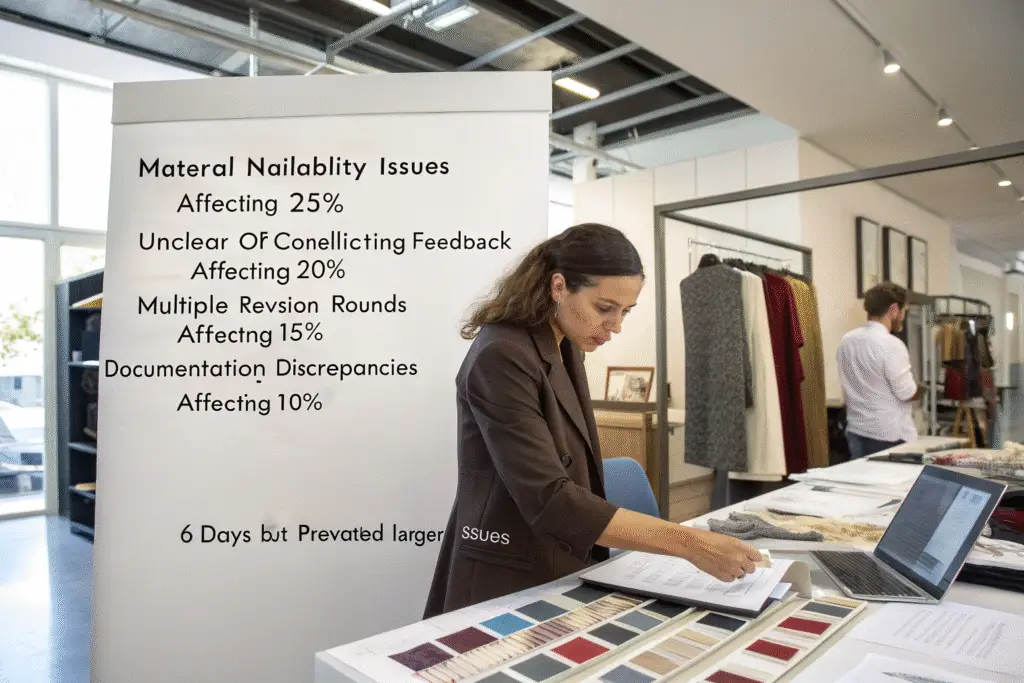
The most frequent PPS delay points include: material availability issues (affects 25% of projects), unclear or conflicting feedback (affects 20%), need for multiple revision rounds (affects 15%), and documentation discrepancies (affects 10%). Each delay point has distinct causes and mitigation strategies. A Los Angeles-based contemporary brand experienced a classic material delay when their bulk fabric arrived with a different hand-feel than their approval swatch, requiring additional testing and vendor communication that extended their PPS phase by 6 days but prevented a potentially catastrophic bulk production issue.
How Do Material Issues Impact PPS Timeline?
Material-related issues represent the most common PPS delay, typically adding 3-7 days through: bulk fabric variance from approval swatches (2-4 days for testing and decision), trim component availability (2-5 days for sourcing alternatives), and color matching discrepancies (2-3 days for lab dip revision). These delays occur because the PPS represents the first time actual bulk materials are used together in complete garment form. Our quality system now includes pre-shipment material testing specifically to identify these issues before materials reach our facility, reducing material-related PPS delays by 60%.
What Feedback Problems Extend The Process?
Feedback-related issues typically add 2-5 days to the PPS phase through: unclear or contradictory comments (1-2 days for clarification), multiple stakeholder inputs without consolidation (2-3 days for alignment), and insufficient documentation to support requested changes (1-2 days for additional information). The most effective solution we've implemented is a structured digital feedback system that requires specific annotations with measurement references and clear change requests, which has reduced feedback-related extensions by 75% across our client portfolio.
How Does PPS Quality Affect Overall Timeline?
The thoroughness of your PPS evaluation directly impacts your bulk production timeline, with comprehensive review preventing delays that far exceed the time invested in sampling.
A high-quality PPS process typically identifies 3-5 significant issues that would otherwise manifest during bulk production, each potentially causing 1-2 week delays if discovered later. The relationship is exponential - each additional day invested in PPS review and correction typically saves 3-4 days in potential bulk production delays. A Denver-based activewear brand's experience demonstrates this perfectly: their 12-day PPS process identified fit issues, construction weaknesses, and labeling inaccuracies that would have collectively created an estimated 5-week delay if discovered during bulk production, representing a 4:1 return on their time investment.
What Issues Are Most Important To Catch?
The most critical issues to identify during PPS that have the greatest timeline impact include: fit discrepancies across size range (prevents 2-3 week delays), construction weaknesses under stress testing (prevents 1-2 week delays), material performance issues (prevents 2-4 week delays), and compliance or labeling errors (prevents 1-3 week delays). These categories represent problems that typically require substantial rework or material replacement if discovered after bulk production has begun. Our PPS checklist specifically prioritizes these high-impact verification points based on historical defect analysis from thousands of productions.
How Does PPS Prevent Production Stoppages?
The PPS process prevents production stoppages by identifying issues before significant resources are committed to bulk manufacturing. Without PPS approval, factories typically discover problems: after fabric cutting (wasting materials and 3-5 days), during assembly line setup (disrupting efficiency and adding 4-7 days), or during final inspection (requiring rework of finished goods and adding 2-3 weeks). Each stoppage not only extends timeline but creates cascading scheduling issues as production lines are reconfigured for other orders. Our manufacturing data shows that projects with thorough PPS processes experience 80% fewer production stoppages compared to those that rush this phase.
What Strategies Optimize PPS Efficiency?
Specific approaches can streamline the PPS phase without compromising thoroughness, balancing the need for speed with the critical risk mitigation this process provides.
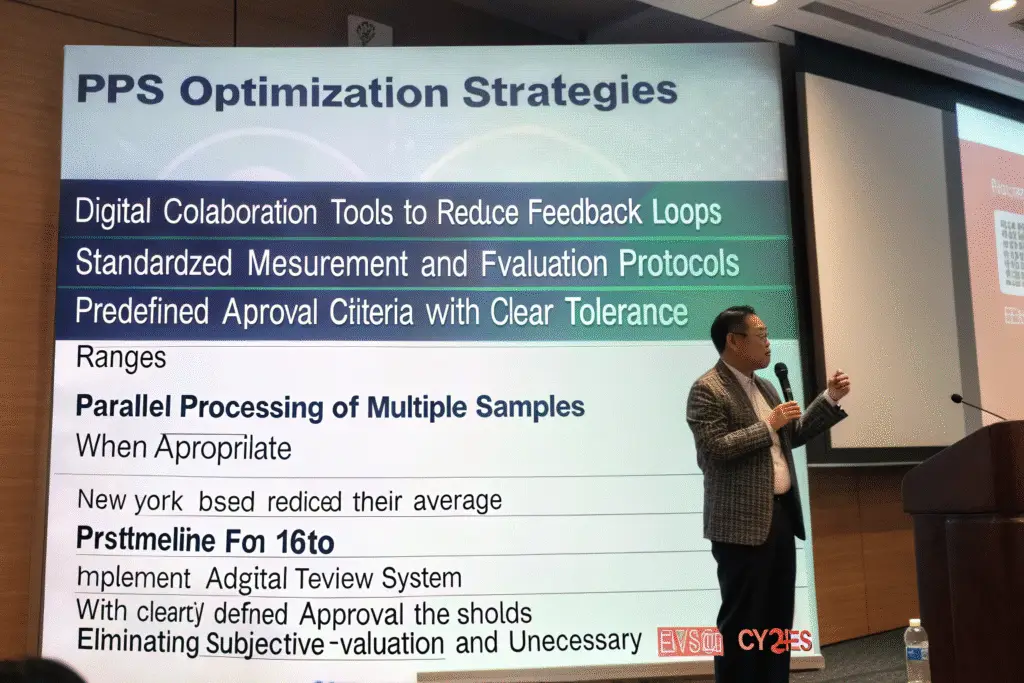
The most effective PPS optimization strategies include: digital collaboration tools reducing feedback loops, standardized measurement and evaluation protocols, predefined approval criteria with clear tolerance ranges, and parallel processing of multiple samples when appropriate. A New York-based brand reduced their average PPS timeline from 16 to 9 days by implementing our digital review system combined with clearly defined approval thresholds that eliminated subjective evaluation and unnecessary revision cycles.
How Can Technology Accelerate PPS?
Technology integration can compress the PPS timeline by 30-40% through: digital measurement tools with instant specification comparison, video evaluation for dynamic fit assessment, collaborative annotation platforms for precise feedback, and automated documentation of all comments and decisions. Our implementation of 3D scanning for PPS evaluation has been particularly impactful, allowing clients to conduct virtual fit sessions that identify issues without shipping physical samples, reducing the review cycle from 5-7 days to 1-2 days for international clients.
What Preparation Shortens PPS Duration?
Client-side preparation significantly shortens PPS duration through: comprehensive tech packs with clear tolerance ranges, pre-identified decision-makers with approval authority, prepared evaluation protocols with necessary equipment, and established communication channels for rapid clarification. Brands that provide detailed technical specifications with visual references typically require 40% fewer PPS revisions compared to those with vague or incomplete documentation. This preparation ensures the PPS focuses on verification rather than discovery of basic requirements.
How Does PPS Fit Into Overall Timeline Planning?
Understanding how the PPS phase interacts with preceding and subsequent manufacturing stages enables accurate overall timeline forecasting and prevents scheduling conflicts.
The PPS phase typically occurs after prototype approval and material readiness but before bulk fabric cutting, creating a natural timeline bridge between development and production. Effective scheduling requires: coordinating PPS timing with material arrival, allocating buffer time for potential revisions, aligning with factory capacity planning, and integrating with subsequent production stages. A Chicago-based brand's timeline was disrupted when they scheduled their production start date assuming PPS would require only 5 days, creating a 9-day gap when the actual process needed 14 days - an avoidable delay with proper understanding of realistic PPS requirements.
What Are The Dependencies For Starting PPS?
The PPS process cannot begin until specific prerequisites are met: approved prototype with finalized design, bulk materials available in factory, complete tech pack with all specifications, and production patterns ready for verification. Each dependency has its own timeline that must be accounted for in overall scheduling. Our project management system tracks these dependencies automatically, preventing PPS scheduling before prerequisites are fulfilled and avoiding the 3-5 day delays that occur when samples must be remade due to missing elements.
How Does PPS Approval Trigger Next Phases?
PPS approval directly triggers critical subsequent phases including: bulk material cutting authorization, production line assignment and scheduling, quality control standard establishment, and packaging component ordering. The timing of this trigger point therefore impacts multiple parallel processes. We've optimized this transition by implementing conditional authorization systems that allow certain preparatory activities to begin during PPS review based on risk assessment, typically saving 2-3 days in the overall timeline without compromising quality.
Conclusion
The pre-production sample process represents a strategic timeline investment that typically requires 10-14 days but prevents delays that are 3-4 times longer when issues are discovered during bulk production. This phase serves as the crucial quality gateway where minor adjustments prevent major disruptions, making it one of the highest-return activities in the entire manufacturing timeline.
The manufacturers and brands that consistently meet their production schedules are those who respect the PPS process as an essential risk management tool rather than a procedural hurdle. If you're planning your production timeline and want to optimize the balance between thorough sampling and schedule efficiency, contact our Business Director, Elaine, at elaine@fumaoclothing.com to discuss how our structured PPS approach can protect your timeline while ensuring quality standards.