You're scrolling through your feed and see a fitness influencer discussing "clean ingredients" in their skincare, followed by a parent's viral thread about harmful chemicals in children's toys. Next, a golf vlogger praises a new polo for its "non-toxic fabric." This isn't a random sequence; it's social media actively reshaping consumer consciousness and, in turn, your market. For sportswear brands, the question is no longer if social media influences demand for certified safe products, but how profoundly it does so, and how you can respond strategically. The platform has evolved from a simple marketing channel to the primary arena where safety concerns are amplified, trust is built (or shattered), and demand is directly generated.
Social media influences demand for certified safe sportswear by democratizing information, creating powerful peer-driven validation, and making brand transparency non-negotiable. It transforms OEKO-TEX from a behind-the-scenes compliance detail into a front-and-center consumer-facing value proposition, driven by influencer advocacy, community education, and real-time accountability. The demand is now pulled by the consumer, not just pushed by the brand.
Let's analyze the mechanics of this influence across key social platforms and user behaviors.
How Do Influencers and Creators Drive the "Clean Apparel" Conversation?
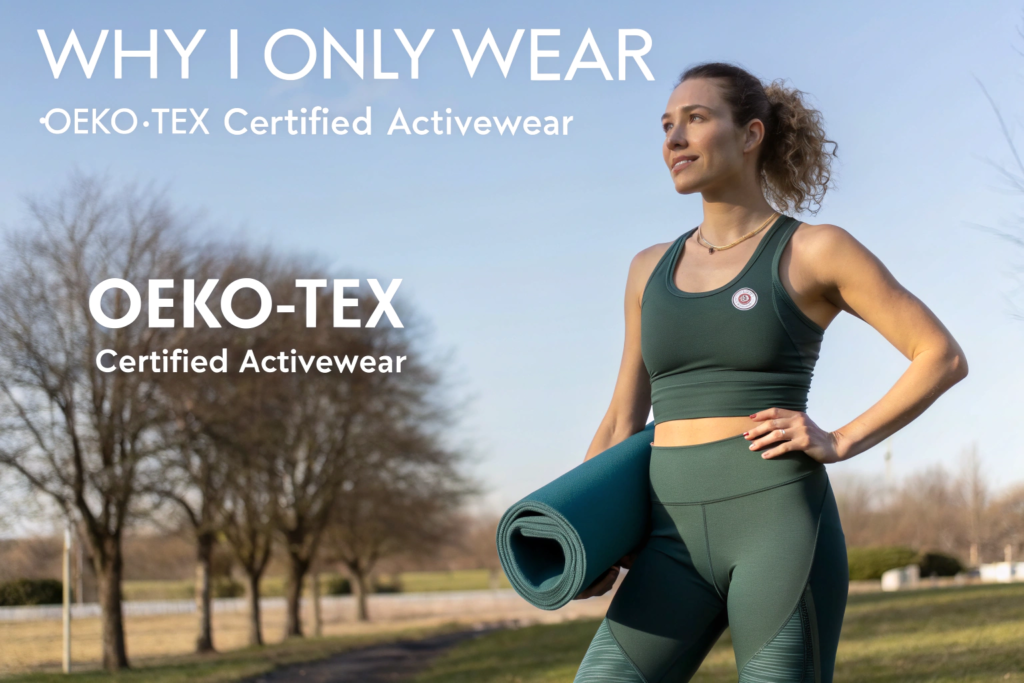
Influencers, from mega-celebrities to micro-niche experts (like sustainable fashion bloggers or wellness-focused athletes), have become the new gatekeepers of trust. They translate complex topics like textile chemistry into relatable, emotional narratives. When an influencer with 100K followers posts about "why I only wear OEKO-TEX certified activewear," they are doing three things:
- Educating Their Audience: They explain what the certification means in simple terms—"no nasty chemicals against your skin."
- Providing Social Proof: Their endorsement acts as a massive peer recommendation. Their followers think, "If someone I trust cares about this, maybe I should too."
- Setting a Trend: They frame certified apparel as a component of a modern, health-conscious, and responsible lifestyle.
This is radically different from traditional advertising. It's trusted peer advice at scale. For example, a collaboration we supported involved a wellness influencer visiting our partner's facility. Her content about "seeing the science behind the safety" generated more direct engagement and qualified leads than any product catalog ever could.
What Types of Content Resonate Most?
- Before/After or "Switch" Stories: "I used to get rashes from my gym clothes until I switched to certified gear."
- Educational Explainer Videos: Short videos breaking down what OEKO-TEX tests for.
- Transparency Tours: Live videos or posts from within a certified factory or lab.
- Ingredient-Focused Posts: Treating fabric composition like a food label (e.g., "Made with OEKO-TEX certified recycled polyester").
How Does This Change Brand Marketing Strategy?
Brands can no longer just shout "we are safe." They must enable and fuel the social conversation. This means providing creators with the assets, access, and factual depth (like certificate details, R&D stories) to make authentic content. It shifts marketing from broadcasting a message to facilitating a community-driven discussion about safety and quality.
How Do Communities and User-Generated Content (UGC) Amplify Demand?
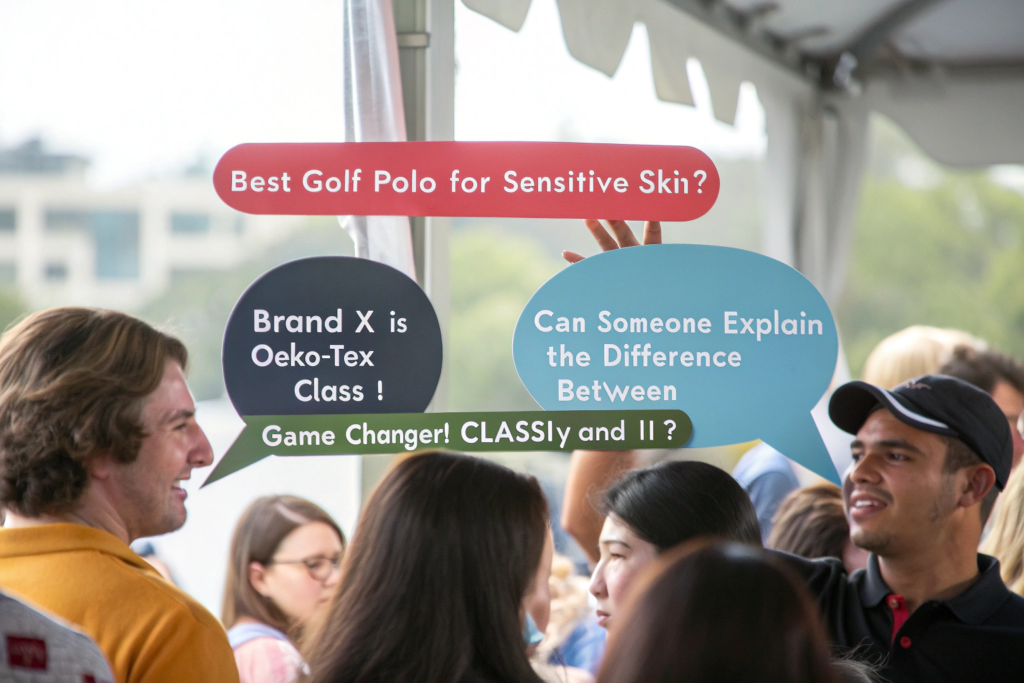
Beyond influencers, social media is built on communities—Facebook groups, Reddit forums (like r/sustainability or r/golf), and engaged brand hashtags. These are where consumers talk to each other, ask hard questions, and share unfiltered experiences.
In these spaces, demand is influenced through:
- Crowdsourced Due Diligence: A user will post, "Looking for a new running brand that's actually non-toxic. Any recommendations?" The responses will be filled with brand suggestions and questions like "Are they OEKO-TEX certified?" The community collectively vet brands.
- Amplified Praise and Criticism: A single post about a positive experience with a certified product (or a negative experience with an uncertified one) can ripple through a community, impacting dozens of purchase decisions.
- Hashtag Activism: Tags like #WhatsInMyClothes or #WearSafe gain traction, putting pressure on brands to disclose their practices. Brands that proactively use #OEKOTEX or #CertifiedSafe position themselves within this conscious conversation.
This means your product's certification is no longer a static feature; it's a dynamic piece of social currency that is discussed, verified, and recommended (or criticized) by the crowd.
What is the Role of "Shelfies" and Detail Shots?
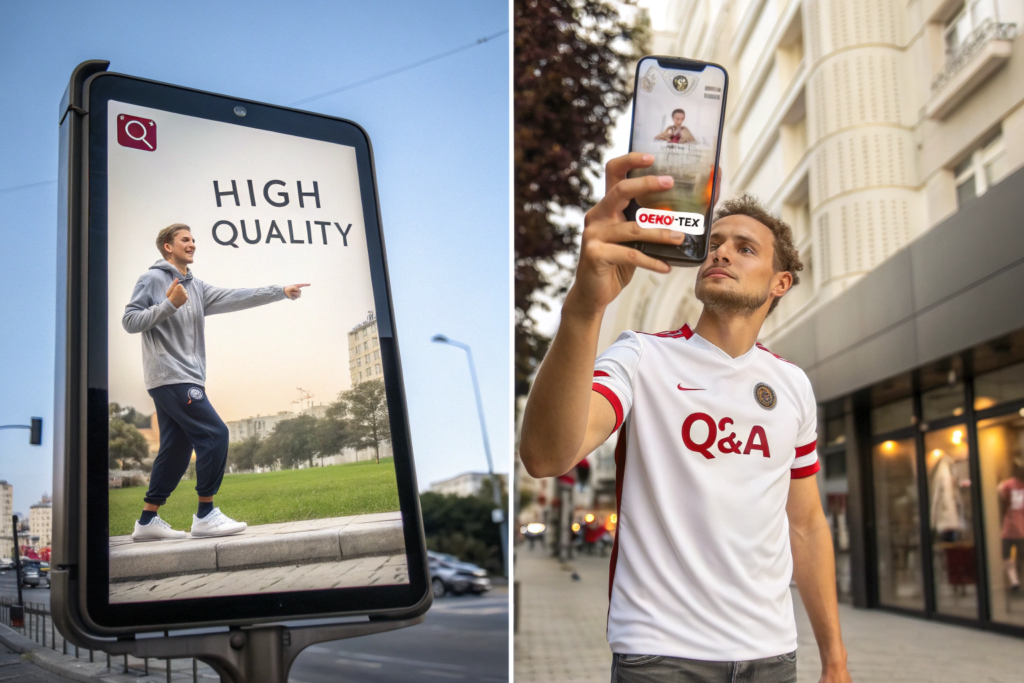
A specific form of UGC—the close-up "shelfie" of a product label or a detail shot of a hangtag featuring the OEKO-TEX logo—is powerful free marketing. It shows a consumer has not only bought your product but values the certification enough to highlight it. This organic, peer-to-peer validation is incredibly persuasive.
How Should Brands Engage with These Communities?
The strategy is to listen, participate, and provide value—not just advertise. A brand’s social media manager should be in relevant forums, answering technical questions about their certification, and thanking users for their UGC. This builds immense goodwill and turns customers into brand advocates. At Shanghai Fumao, we advise our client brands to actively share and celebrate customer posts that mention safety and certification, creating a virtuous cycle.
How Does Social Media Force Unprecedented Brand Transparency?
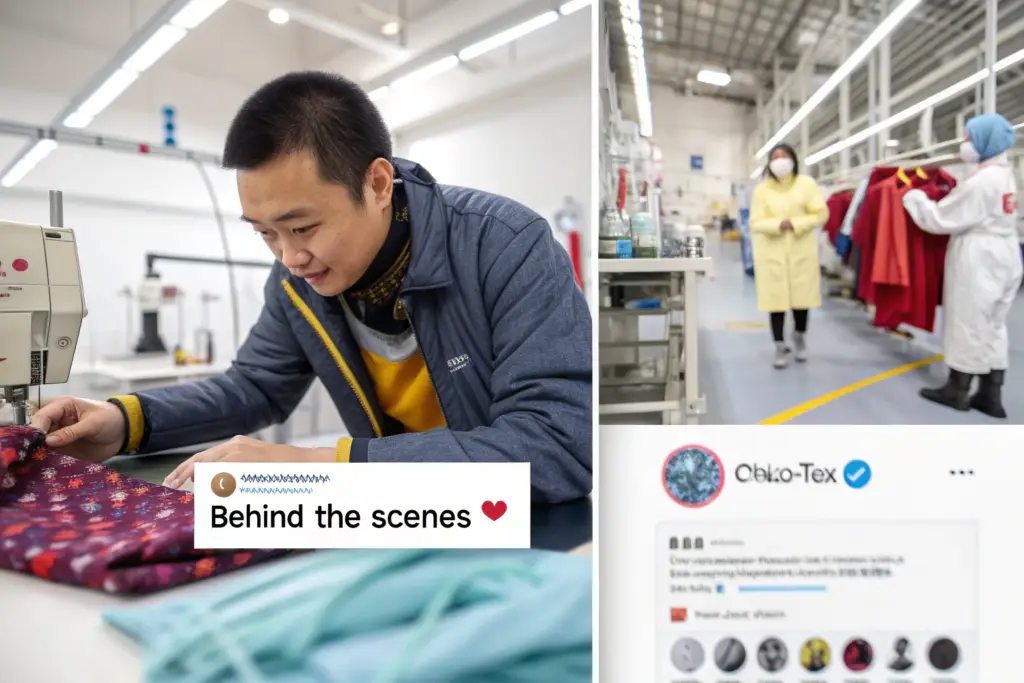
Platforms like Instagram and TikTok have made brands' behind-the-scenes (BTS) accessible. Consumers now expect a window into your operations. This "see-through" economy directly fuels demand for certified products because certification provides a concrete, visual story for transparency.
Brands are now using social media to show:
- The Certificates Themselves: Posting the actual OEKO-TEX certificate (with sensitive info blurred) and explaining its parts.
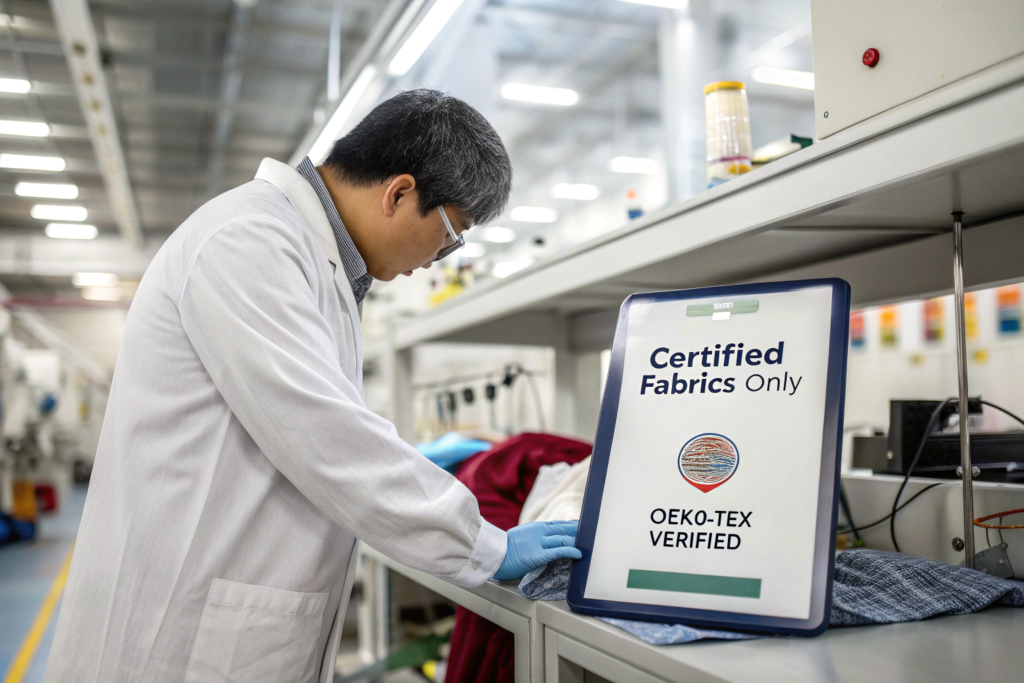
- The Factory Floor: Showing segregated storage areas for certified fabrics, clean production lines, or in-house quality control checks.
- The People: Introducing the quality assurance team or the factory partners who uphold the standards.
This visual proof builds a narrative of integrity. It answers the skeptic's question: "How do I know you're really doing this?" A brand that cannot or will not provide this level of BTS transparency on social media will struggle to win the trust of the socially-informed consumer.
What Happens When There's a Failure or Crisis?
Social media accelerates crises but also tests a brand's authenticity. If a question about product safety arises, a brand with a documented, social-first history of transparency around its OEKO-TEX certification can respond far more credibly and swiftly. Their past BTS content serves as a library of proof of their commitment.
How Does This Impact Sourcing Decisions for Brands?
This pressure for social-proofable transparency pushes brands to select manufacturing partners who are themselves "social media ready." Factories must be clean, organized, and willing to be filmed. They must have a systematic, visually demonstrable process for maintaining certification. A partner like Shanghai Fumao, with our controlled production zones and documented processes, becomes a valuable asset for a brand's transparency storytelling.
What Are the Platform-Specific Dynamics?
The influence manifests differently across platforms:
- Instagram & TikTok (Visual/Video): Ideal for influencer reviews, BTS factory tours, and educational infographics. Demand is driven through aesthetics and storytelling.
- Facebook (Communities & Groups): Where detailed discussions, recommendations, and support communities thrive. Demand is driven through peer validation and Q&A.
- LinkedIn (B2B & Industry): Where procurement managers, retailers, and brand founders discuss responsible sourcing trends. Here, demand is professionalized and can lead to wholesale partnerships.
- YouTube (Deep Dive): Home to longer-form documentary-style content investigating supply chains, perfect for deep-dive explanations of certifications.
A savvy brand will tailor its message. On TikTok, it might be a 15-second stitch about "why your workout clothes shouldn't itch." On LinkedIn, it's a case study about how OEKO-TEX certification streamlined their retailer onboarding process.
How to Measure the Real Impact on Demand?
Look beyond likes. Key metrics include:
- Direct Questions: Volume of DMs or comments asking, "Is this product certified?"
- Conversation Share: Brand mentions alongside terms like "OEKO-TEX" or "non-toxic."
- Content Performance: Which posts about certification have the highest save rates or shares (indicators of high value and referral intent)?
- Conversion Attribution: Using trackable links or promo codes from influencer/content campaigns focused on safety.
Conclusion
Social media has irrevocably shifted the demand curve for certified safe sportswear. It has empowered consumers with information, amplified their voices through communities, and forced brands into a new era of radical transparency. In this environment, OEKO-TEX certification is no longer just a B2B compliance tool; it is essential B2C social currency—a recognizable, trustworthy symbol that fits perfectly into the narratives of wellness, responsibility, and quality that dominate social feeds.
For sportswear brands, the mandate is clear: integrate your commitment to certified safety deeply into your social DNA. Educate through influencers, engage with communities, prove your claims with transparent content, and choose supply chain partners whose practices can withstand the social media spotlight. The demand is being shaped in real-time, online. Your brand's ability to authentically participate in that conversation will determine its relevance and growth.
If you are ready to build or scale a sportswear brand that not only meets this new demand but actively leads the conversation on social media, you need a foundation you can proudly showcase. Contact Shanghai Fumao’s Business Director Elaine today. Let us discuss how our certified, transparent manufacturing processes can become the credible backbone of your brand's story in the social media age. Reach her at elaine@fumaoclothing.com. Let's build products—and stories—that people trust and want to share.