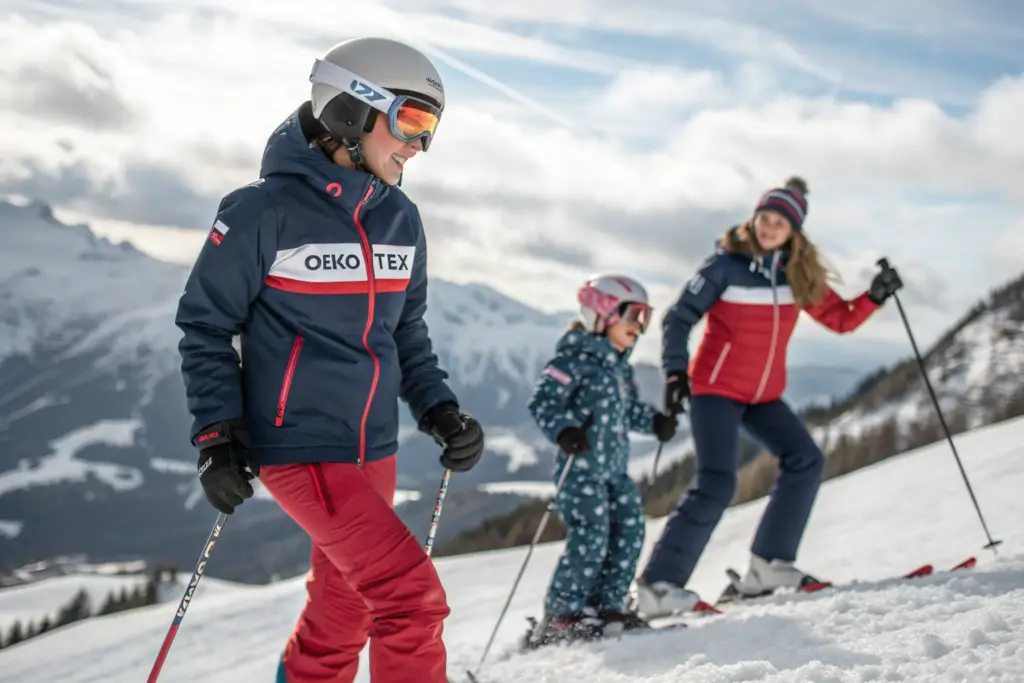
Last season, we received an urgent call from a brand in California. A popular family lifestyle influencer had posted a video reviewing their competitor's ski jacket. The key moment wasn't about color or fit; it was the influencer holding up the OEKO-TEX label, saying, "As a mom, knowing this is free from harmful chemicals gives me total peace of mind letting my kids wear it all day." Within 48 hours, our client's inbox was flooded with emails from customers asking, "Is your jacket OEKO-TEX certified?" They weren't. They lost a critical holiday sales window and had to scramble to reformulate their entire line. This wasn't an isolated event. Social media has fundamentally rewired how consumers, especially parents and environmentally-conscious skiers, evaluate and demand safety in their gear.
Social media amplifies demand for certified safe skiwear by transforming complex safety standards into relatable, viral narratives around trust, parenting, and environmental ethics. Platforms like Instagram and TikTok visually and emotionally connect the OEKO-TEX label to core consumer values—protecting family health and the planet—making certification a non-negotiable, visible purchase driver rather than a hidden technical spec.
The conversation has moved from the lab report to the newsfeed. Let's analyze how this shift happens and what it means for brands manufacturing in China.
How Do Influencers Translate Certifications into Emotional Stories?
Influencers, particularly in the parenting, outdoor adventure, and sustainable living niches, act as critical "trust translators." They don't read chemical restriction lists; they tell stories. A certification like OEKO-TEX provides them with a credible, third-party "prop" to anchor a narrative about responsibility, care, and making informed choices.
Influencers drive demand by personalizing the certification. They frame it not as a compliance metric, but as a conscious choice for family safety ("I won't put my child in anything less") or environmental stewardship ("Choosing PFAS-free gear protects the mountains we love"). This emotional framing makes abstract safety standards personally relevant and urgent for their followers.
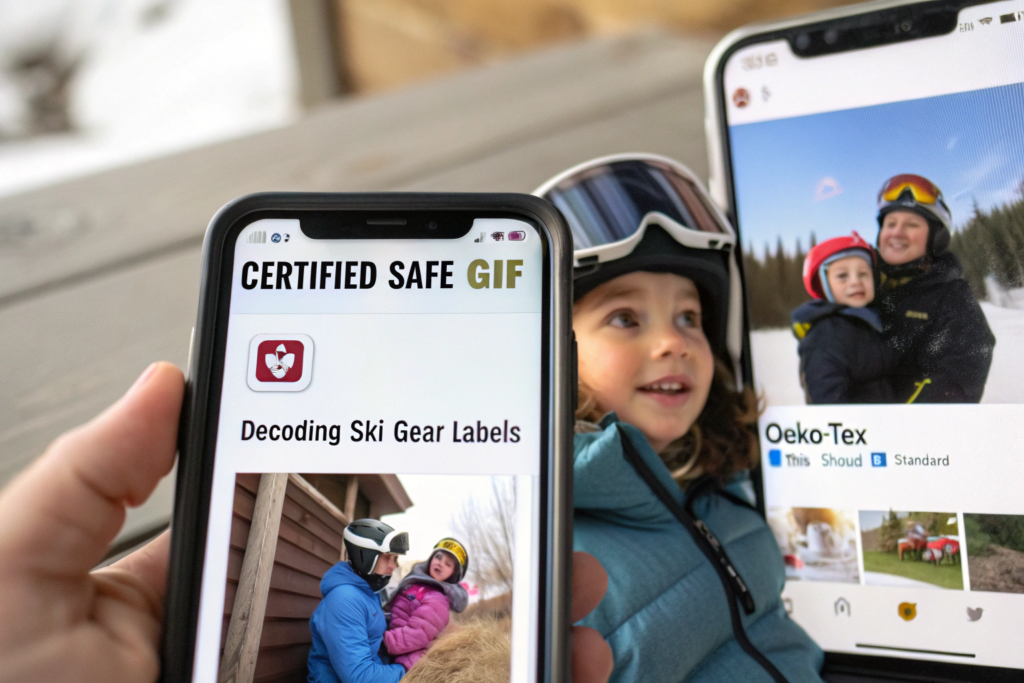
What types of influencer content are most effective?
The most impactful content is visual and demonstrative. "Day-in-the-life" vlogs showing packing for a family ski trip, where the influencer consciously chooses certified gear. "Explainer" Reels or TikToks that simply show how to find the OEKO-TEX label in a garment. "Haul" videos where unboxing new gear includes a close-up scan of the safety tags. This content makes certification a tangible part of the product experience. For a Shanghai Fumao client targeting young families, we now advise building this "label visibility" into the product development phase—ensuring the OEKO-TEX label is prominently and photogenically placed.
Can micro-influencers drive this demand effectively?
Absolutely. While mega-influencers create broad awareness, micro-influencers in niche communities (e.g., eco-conscious skiers, pediatricians who ski) often have higher trust and engagement. Their endorsement of a certified product as "the safe choice" within their specialized community can trigger concentrated, high-intent demand. This is why brands must equip even their smaller ambassadors with clear talking points about their certifications.
How Has Social Media Fueled the "Ingredient Consciousness" Movement?
Just as platforms drove demand for "clean beauty" and transparent food labeling, they are now doing the same for technical apparel. Consumers, led by content creators, are asking, "What's in my jacket?" They are learning about PFAS ("forever chemicals"), phthalates, and heavy metals through digestible infographics and viral investigative threads.
Social media has created a skiwear "ingredient consciousness" by democratizing access to information about textile chemistry. Alarmist yet educational content about environmental and health impacts of certain chemicals raises collective anxiety, which is then resolved by creators pointing to certifications like OEKO-TEX as a reliable solution. This creates a direct demand loop: problem awareness -> solution seeking -> certified product purchase.
What is the role of "eco-anxiety" in this demand?
Platforms amplify "eco-anxiety"—the chronic fear of environmental doom. For skiers who witness glacier retreat firsthand, content linking their gear choices to pollution (e.g., PFAS in snowmelt) hits close to home. OEKO-TEX certification, particularly its restriction of such substances, is marketed as a tangible action they can take to align their passion with their values. This transforms a purchase from mere consumption into a values-driven statement, a powerful motivator.
How does this affect a brand's material sourcing strategy?
This influence forces brands to source not just for performance and cost, but for a "clean" story. It's no longer enough to have a PFAS-free DWR; you must be able to prove it simply and verifiably. This pushes brands to work with factories like Shanghai Fumao that offer full-package production with integrated certification, because the ability to provide that transparent, shareable proof to influencers and consumers becomes a core part of the product itself.
How Do Platforms Like TikTok Make Certification Discovery "Shoppable"?
Social commerce has shortened the path from discovery to purchase. A user can see a TikTok video about OEKO-TEX, click a link to a product page that highlights the certification, and buy within the app. This immediacy turns informed interest into instant demand.
TikTok and Instagram Shops make certification discovery directly shoppable by allowing brands to tag products in educational content. A video explaining "What OEKO-TEX means" can have a product link pop up exactly when the label is shown. This seamlessly connects the "aha" moment of understanding the value of certification with the ability to immediately purchase a product that has it.
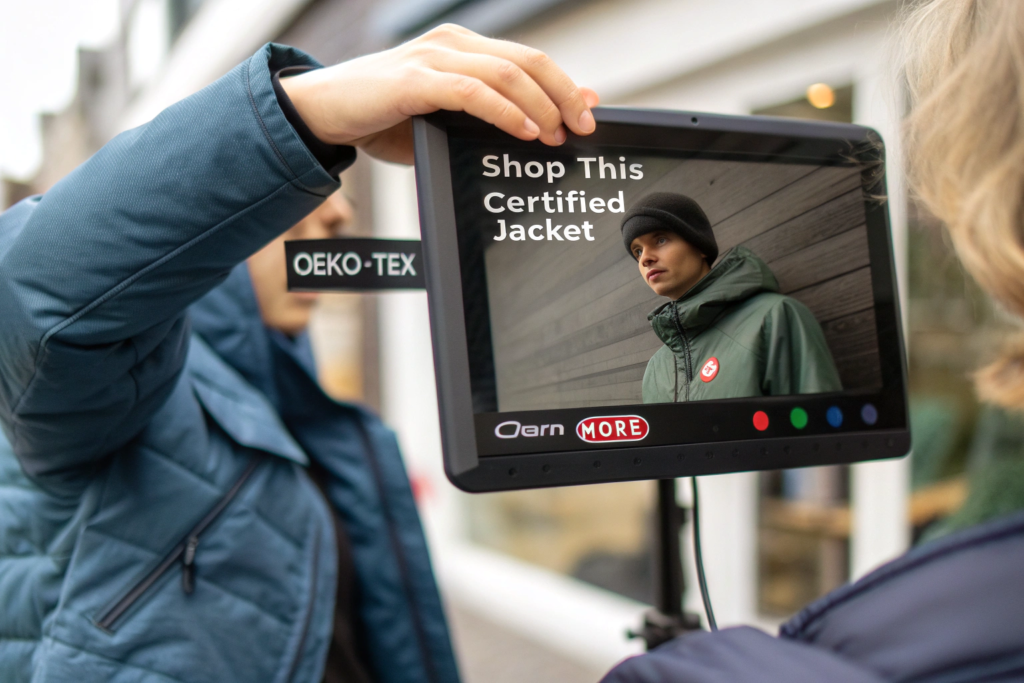
What content formats work best for shoppable demand?
Effective formats include "Duets" or "Stitches" comparing uncertified vs. certified gear, "Get Ready With Me" (GRWM) videos for ski trips highlighting safety features, and authentic unboxing reviews that showcase the label discovery moment. For our clients, we now produce "social media asset packs" that include high-resolution photos and video clips of the OEKO-TEX label being sewn and checked during our quality control process, providing authentic, behind-the-scenes content that builds trust.
How does this influence inventory and production planning?
When a piece of content goes viral, it can create a sudden, unpredictable spike in demand for a specific certified product. This makes flexible, responsive manufacturing critical. Brands working with agile full-package manufacturers can adjust production runs faster to capitalize on these trends. Our DDP model allows for quicker turnaround and replenishment to keep up with socially-driven sales surges.
What Are the Risks of "Certification-Washing" and Social Backlash?
As demand grows, so does skepticism. A savvy social media community is quick to call out "greenwashing" or "certification-washing"—making vague or misleading claims about safety. If a brand prominently markets OEKO-TEX but a vigilant consumer or competitor discovers the certificate is only for the lining fabric, not the finished jacket, the backlash on platforms can be devastating and permanent.
The risk of social backlash is high if a brand's certification claims are not 100% authentic and transparent. Social media enables rapid crowd-sourced investigation and public shaming of dishonest marketing. This makes it imperative that any claim of OEKO-TEX certification is for the finished product, easily verifiable online, and accurately communicated by every influencer partner.
How can brands ensure authenticity to avoid backlash?
The only defense is radical transparency and supply chain integrity. This means owning the correct certificate for the final garment, making verification easy by displaying the certificate number publicly, and thoroughly educating brand ambassadors with accurate facts. At Shanghai Fumao, we build this integrity into the process, providing our brand partners with the verifiable finished goods certification that forms the bedrock of trustworthy marketing.
This scrutiny is raising the bar for all market participants. It is pushing low-cost, non-compliant manufacturers out of the brand supply chain because the reputational risk of working with them is too high. It is rewarding manufacturers who invest in genuine, transparent certified garment manufacturing processes. In the long run, social media influence is acting as a market force for higher quality and greater accountability.
Conclusion
Social media has not just influenced but actively constructed the modern demand for certified safe skiwear. It has turned a technical specification into a social and emotional currency, driven by storytelling, community values, and the seamless link between education and commerce. For brands, this means that certification is no longer a back-end compliance issue but a front-line marketing imperative.
Navigating this new landscape requires a dual strategy: first, building an authentically certified product through a controlled, transparent supply chain with a partner like Shanghai Fumao; and second, empowering your community—from influencers to customers—with the verifiable proof and compelling stories that make your certification matter. The brands that will win are those that understand this dynamic and build their entire process, from product development to DDP logistics, to be as socially transparent as they are technically proficient.
If you are ready to build a skiwear brand that meets this new, socially-driven standard of trust and transparency, the journey begins with a manufacturing partner built for verification. Contact our Business Director, Elaine, at elaine@fumaoclothing.com to develop a collection that’s not only safe for the slopes but also built to thrive in the social feed.