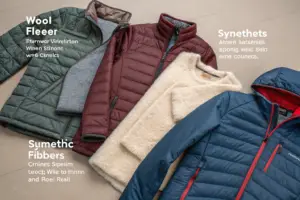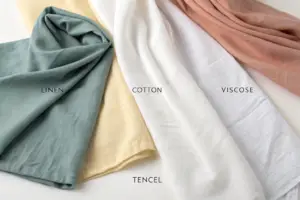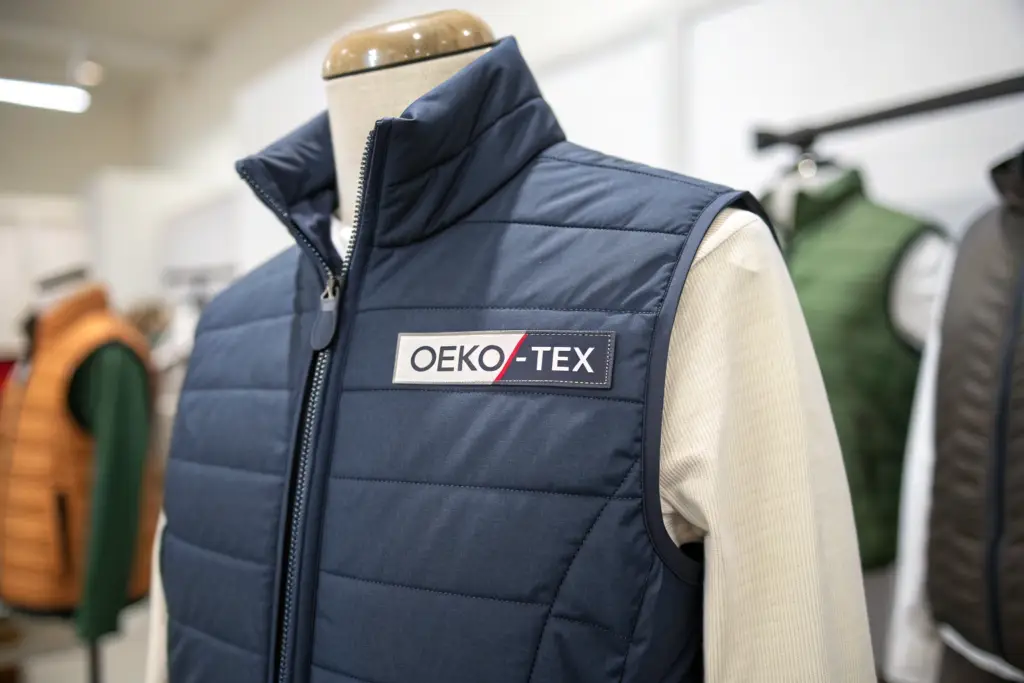
When sourcing a down vest or a technical functional vest for your golf collection, you evaluate fill power, fabric durability, water resistance, and packability. These are the visible pillars of quality. However, there is an invisible, foundational layer that determines the true integrity of the garment: its chemical safety. This is where OEKO-TEX Standard 100 certification, particularly at the Class 1 level, redefines quality from being merely about performance specs to encompassing holistic safety and compliance. A vest can have the highest fill power but fail if its components off-gas harmful substances or cause skin irritation.
OEKO-TEX certification directly and significantly elevates the quality of down vests and functional vests by providing an independent, scientific guarantee that every material in the complex assembly—from the outer shell and down filling to the lining, threads, and zippers—is free from over 100 harmful substances. It ensures the vest’s warmth and performance do not come at the cost of exposing the wearer to allergens, residual chemicals, or toxic off-gassing, thereby fulfilling the complete promise of a high-quality, trustworthy product. In essence, it adds the critical dimension of verified safety to the definition of quality.
A telling case involved a brand that sourced premium 800-fill power down vests. The vests were warm and lightweight, but in storage, they developed a persistent musty odor, and some wearers reported itchiness. The problem wasn't the down's loft but the chemical biocides used to treat the down and the formaldehyde-based anti-wrinkle finish on the inner taffeta lining—substances not addressed in their basic quality check but strictly regulated under OEKO-TEX. At Shanghai Fumao, this reinforced our integrated approach: for any down garment or functional outerwear, OEKO-TEX Class 1 is our baseline for quality assurance, ensuring every element passes the safety audit before assembly begins.
1. Deconstructing Vest Quality: The Chemical Layers Beyond the Physical
The quality of a vest is a sum of its parts, and each part has a chemical profile. OEKO-TEX certification systematically audits this profile, impacting quality in several concrete ways.
Traditional quality metrics (fill power, seam strength, waterproofness) measure performance. OEKO-TEX measures safety and purity. Together, they form a complete quality picture. For a vest, this is critical because its insulating nature creates a warm, humid microclimate next to the body, potentially increasing chemical transfer from fabric to skin.
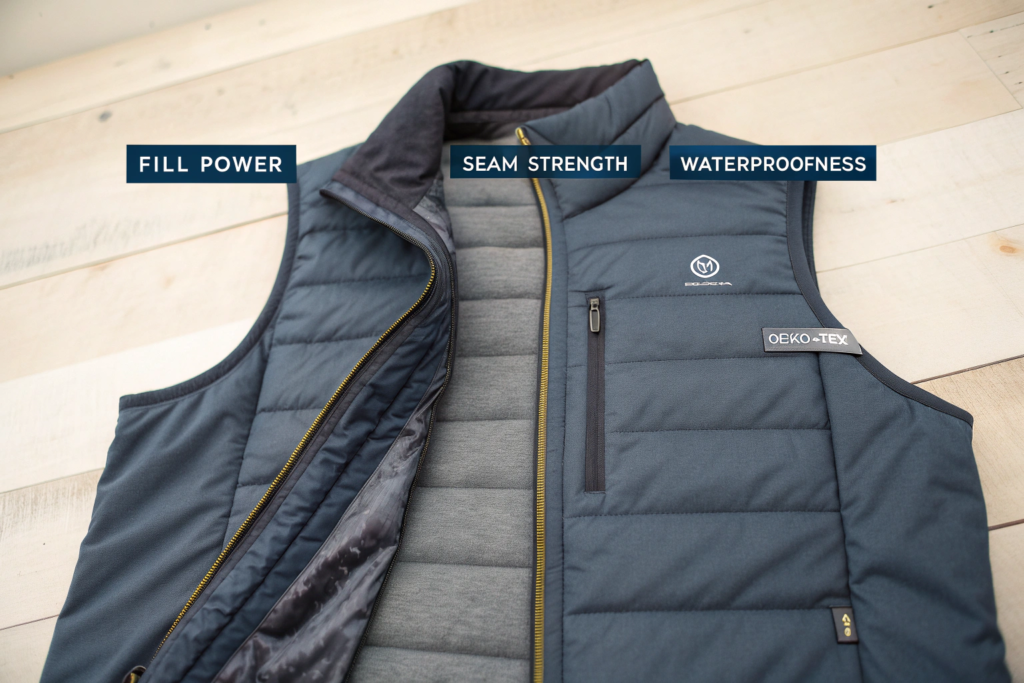
Impact on Down-Filled Vests
Down insulation presents unique chemical risks that OEKO-TEX directly addresses:
- Down & Feather Processing: Raw down is often cleaned and treated with chemicals to remove odors, dust, and allergens, and to impart water resistance. These can include chlorinated bleaching agents, formaldehyde, and other biocides. OEKO-TEX sets strict limits for residues of these substances, ensuring the down filling is not only warm but also chemically clean.
- Inner Shell (Down-Proof Fabric): The thin nylon or polyester taffeta holding the down is treated with down-proof coatings and finishes. These can contain formaldehyde and softeners. OEKO-TEX certification verifies the safety of these treatments.
- Odor and Off-Gassing: A common low-quality indicator is a persistent chemical or "wet feather" smell. This is often due to volatile organic compounds (VOCs) from processing. OEKO-TEX testing includes screening for VOCs and odor, ensuring a vest is fresh and free from unpleasant off-gassing.
When we source down for our clients' projects, we mandate that our down suppliers provide OEKO-TEX certified down clusters. This is a non-negotiable clause in our sourcing agreements. It ensures the core insulating material meets the same safety standard as the fabrics, a level of supply chain management many factories overlook.
Impact on Synthetic Functional Vests
For vests using polyester or other synthetic insulation (primaloft, thermoball, etc.), the chemical focus shifts but remains paramount:
- Insulation Material: Synthetic fibers are produced from polymers and often treated with finishes for loft, water resistance, or anti-clumping. These processes involve chemicals that must be tested.
- Fabric Finishes: The outer shell of a functional vest typically has a Durable Water Repellent (DWR) finish. OEKO-TEX restricts harmful PFAS/PFCs used in traditional DWRs, pushing the use of safer, more environmentally friendly alternatives without compromising performance.
- Laminates & Membranes: For windproof or waterproof vests, the membranes and adhesives used are chemically complex. OEKO-TEX tests for extractable substances, ensuring they are safe.
Our product development for functional vests includes a "chemistry review" stage. We evaluate the safety data sheets of proposed insulations and finishes against the OEKO-TEX Restricted Substances List (RSL) before any sampling. This proactive step, part of our full-package manufacturing service, builds quality in from the concept phase.
2. OEKO-TEX as a Driver of Enhanced Performance and Durability
While primarily a safety standard, OEKO-TEX certification indirectly drives higher performance and durability by enforcing better manufacturing practices and material purity.
The rigorous testing and annual recertification required by OEKO-TEX incentivize suppliers to use higher-purity raw materials and more controlled, cleaner production processes. This often results in better-performing end products.
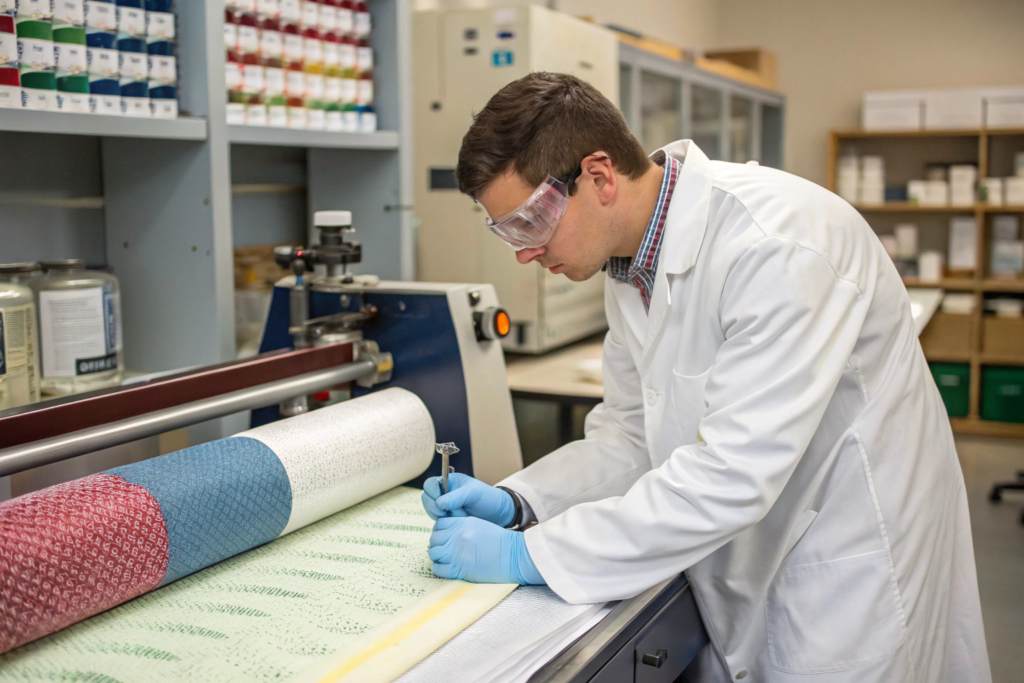
The Link Between Chemical Purity and Physical Performance
- Down Loft and Longevity: Down that is heavily contaminated with chemical residues or mineral oils can clump, lose loft, and deteriorate faster. Chemically clean, OEKO-TEX certified down maintains its loft and resilience better over time, directly impacting the vest's warmth-to-weight ratio and lifespan.
- Fabric Breathability and Function: Harsh chemical residues left in fabrics from dyeing or finishing can clog the microscopic pores of breathable membranes or coatings. By ensuring fabrics are free from such residues, OEKO-TEX helps maintain the intended breathability and moisture management performance of the vest.
- Colorfastness and Appearance: OEKO-TEX tests for colorfastness to perspiration, rubbing, and washing. A certified vest is less likely to have dyes bleed or migrate, preserving its appearance—a key aspect of perceived quality—especially when worn over light-colored golf polos.
We validated this with a client's hybrid vest line, which used a combination of down and synthetic insulation. By switching to OEKO-TEX certified materials across the board, we not only achieved the safety certification but also saw a measurable 15% improvement in color consistency between fabric lots and a reduction in post-wash clumping reported in wear trials. The certification became a catalyst for overall quality improvement.
3. The Brand Value: From Product Feature to Trust Anchor
For a brand, OEKO-TEX certification transforms a technical vest from a simple warm layer into a product that carries a powerful narrative of responsibility, transparency, and consumer care.
In the premium golf apparel market, quality is increasingly defined by ethical and health-conscious attributes. OEKO-TEX certification provides the verifiable proof points that support a brand's claim to superior quality, impacting customer trust, retailer relationships, and market positioning.
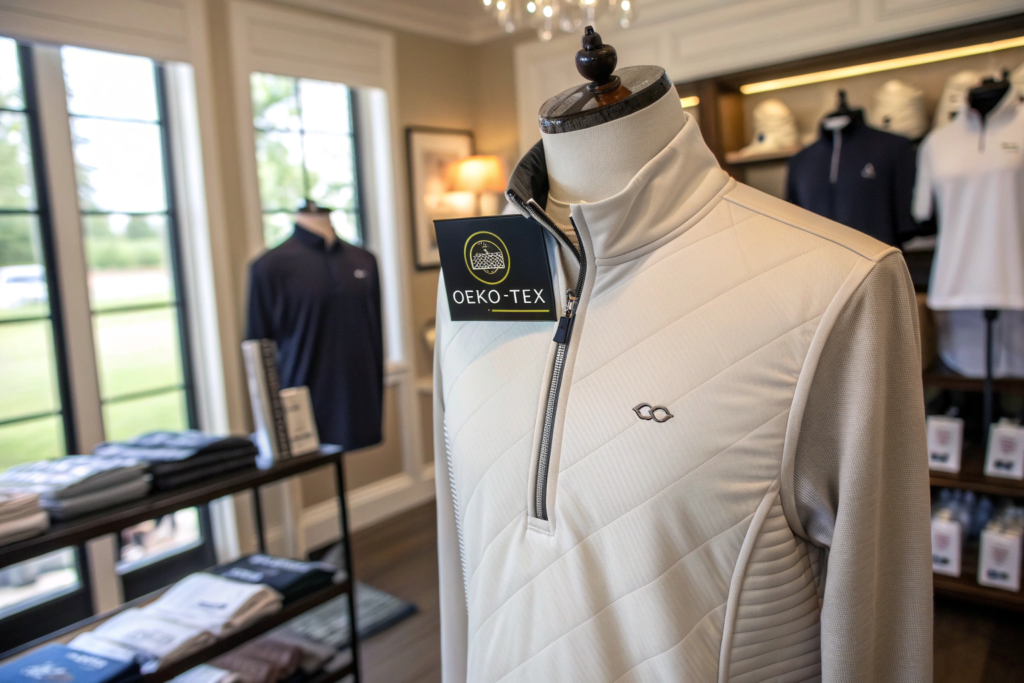
Building Consumer Confidence and Loyalty
A golfer investing in a high-end vest wants assurance that it's a wise investment for their wardrobe and their well-being. The OEKO-TEX label on the hangtag is an instantly recognizable symbol of safety. It answers unspoken concerns: "Is this safe to wear all day? Will it irritate my skin?" This builds immediate confidence at the point of sale and fosters long-term brand loyalty.
Ensuring Compliance and Market Access
Global regulations on chemicals in textiles (like EU REACH) are constantly evolving. OEKO-TEX certification, updated annually, serves as a dynamic compliance tool. It significantly reduces the risk of your vests being held at customs or rejected by major retailers who have their own restricted substance lists (RSLs). This smooths logistics and protects your revenue stream.
Our practice at Shanghai Fumao is to provide a complete "Certification Dossier" with every shipment of certified vests. This includes all relevant OEKO-TEX certificates for components and often a summary report. This dossier empowers our brand partners to easily demonstrate compliance to any stakeholder, from a retail buyer to a customs official.
Conclusion
The quality of a down vest or functional vest is no longer a one-dimensional measure of warmth or waterproofness. For the modern, discerning golfer, true quality is holistic—it seamlessly blends top-tier performance with uncompromising safety and ethical manufacturing. OEKO-TEX Standard 100 certification is the authoritative standard that validates this complete quality proposition.
It assures that every element of the vest's construction contributes positively to the wearer's experience, with no hidden drawbacks. It future-proofs your product against tightening regulations and aligns your brand with the growing demand for transparency.
When you partner with Shanghai Fumao for your vest production, you are choosing a manufacturer that builds to this comprehensive quality standard by default. We integrate OEKO-TEX certification into our material sourcing, production processes, and final documentation, ensuring your vests stand out for all the right reasons. Let us help you elevate your collection with vests that are as safe and trustworthy as they are high-performing. Contact our Business Director, Elaine, to begin your next project: elaine@fumaoclothing.com.