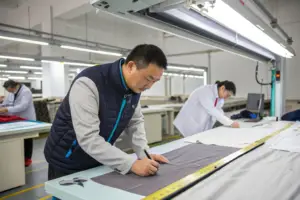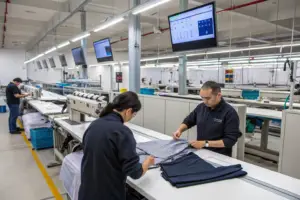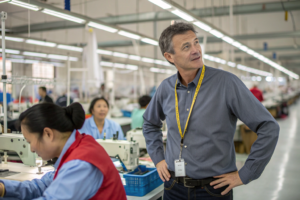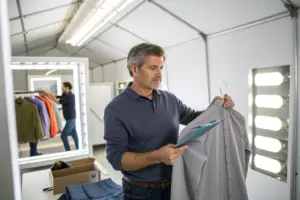
For apparel buyers and brand owners, managing offshore manufacturing is a constant exercise in risk mitigation. A significant portion of this risk—and the associated time, cost, and stress—revolves around ensuring product safety and quality. The traditional approach involves layers of in-house auditing, third-party inspections, and reactive problem-solving, often described as "inspecting quality into the product." OEKO-TEX® STANDARD 100 certification, when implemented authentically through the supply chain, fundamentally shifts this paradigm. It doesn't just add another checkbox; it systematically reduces the buyer's quality control burden by transferring verification upstream and embedding safety into the production system itself.
OEKO-TEX® certification reduces buyers’ quality control burden by acting as a pre-qualified, third-party verified supply chain filter, replacing subjective and fragmented internal testing with a standardized, globally recognized benchmark, and shifting the operational responsibility for chemical safety compliance from the buyer's team to the certified suppliers’ integrated management systems. It transforms QC from a detective, post-production activity into a preventive, process-based assurance.
At Shanghai Fumao, a clear example unfolded with a US-based distributor who sourced various activewear lines from multiple Asian factories. Their QC team of four was overwhelmed with coordinating fabric tests for heavy metals, phthalates, and AZO dyes for every new shipment—a reactive, costly, and anxiety-inducing process. After consolidating their ski line production with us and mandating OEKO-TEX® STANDARD 100 certification, their need for inbound chemical testing evaporated. Instead of managing dozens of unverified lab reports, they now receive a single, digital OEKO-TEX® certificate for each finished product style from a recognized institute. This freed up an estimated 30% of their QC team's time, allowing them to focus on fit, construction, and aesthetic details, while reducing their annual third-party lab testing budget by over $15,000. The certification didn't eliminate QC; it reallocated it to higher-value tasks.
How Does It Simplify and De-Risk the Sourcing Process?
The initial supplier vetting and material approval stages are where the greatest QC burdens and risks are concentrated. OEKO-TEX® cuts through this complexity with a pre-established framework.
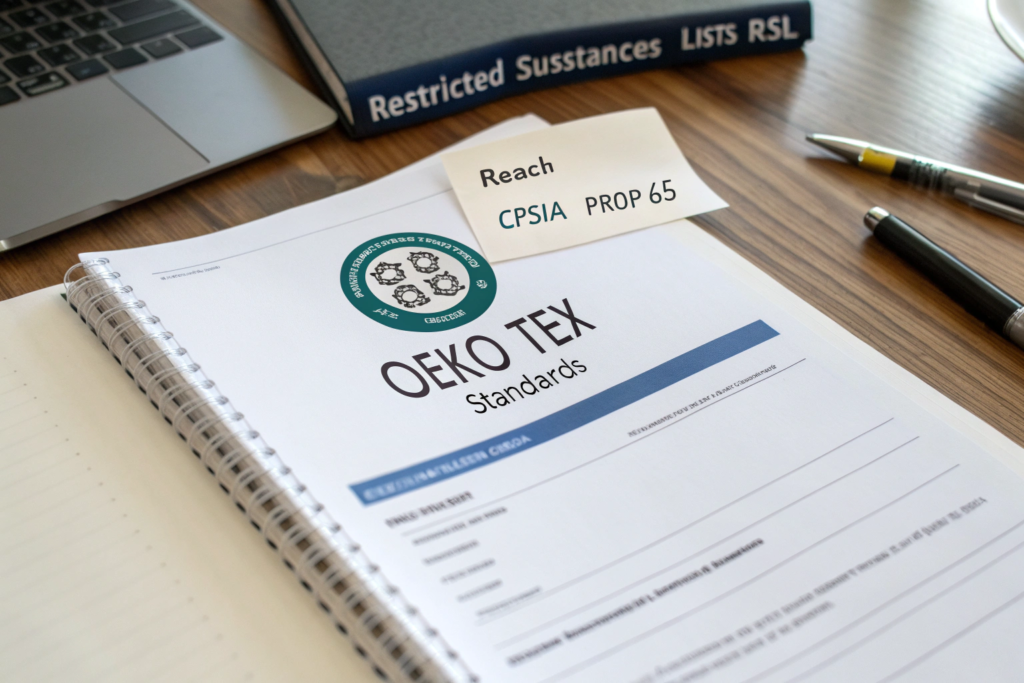
OEKO-TEX® simplifies sourcing by providing a clear, non-negotiable qualification criterion for suppliers and materials. It replaces the need for buyers to develop their own Restricted Substances List (RSL), manage complex chemical testing protocols, and interpret varying regional regulations (REACH, CPSIA, Prop 65) for each order. The standard serves as a universal compliance passport.
Pre-Qualification of Suppliers
Instead of conducting deep, costly audits of a factory's chemical management systems—a task requiring specialized expertise—a buyer can ask: "Are you an OEKO-TEX® certified manufacturer, and can you provide certified materials?" This immediately filters out suppliers without the necessary infrastructure. A certified factory like Shanghai Fumao has already been audited on:
- Its chemical inventory control.
- Its quality management system for certified production.
- Its suppliers' certifications.
- Its segregation of certified vs. non-certified materials.
This external audit is more robust than most buyers can perform themselves. It turns a subjective assessment into a binary, verified qualification.
Streamlined Material Approval
The most arduous part of QC for technical apparel is approving fabrics and trims. Without certification, the process looks like this:
- Request a material swatch and a supplier's "compliance statement" (often worthless).
- Send the swatch to a third-party lab for a full RSL test (cost: $500-$1500, time: 2-3 weeks).
- Interpret the report.
- Repeat for every component and every new fabric lot.
With OEKO-TEX®, the process is:
- Request the material swatch and its valid OEKO-TEX® certificate.
- Verify the certificate online via the OEKO-TEX® database (2 minutes).
- Approve the material.
This reduces a multi-week, costly process to a matter of days or hours, with far greater reliability. The certificate is a contractual guarantee from the material supplier.
How Does It Transform In-Process and Final Inspection?
Even after materials are approved, traditional QC requires constant vigilance on the factory floor to prevent substitution or contamination. OEKO-TEX® certification builds controls into the manufacturer's system that work for the buyer 24/7.
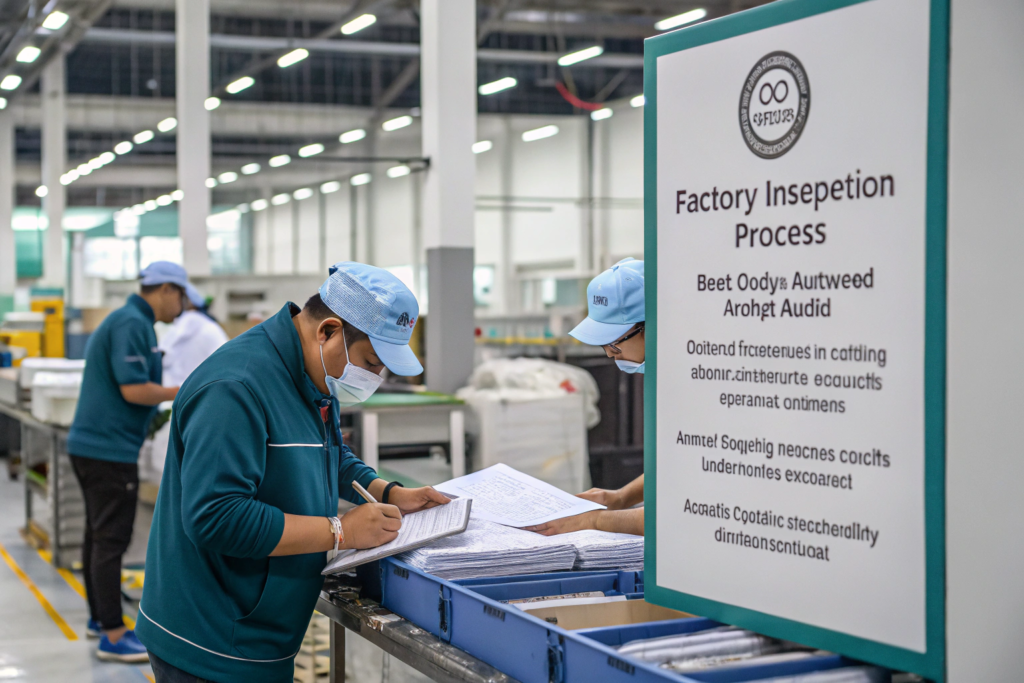
OEKO-TEX® transforms inspections by making the factory's internal QC checks accountable to an external standard. It mandates documented procedures for material handling and segregation, which are then verified during annual unannounced audits by the certification body. This provides continuous, independent oversight that supplements or reduces the frequency of the buyer's own in-process inspections.
Reduction in "Surprise" Failures
A primary fear for buyers is that a finished shipment will fail a random test at customs or by a retailer. Because OEKO-TEX® testing criteria are often stricter than legal requirements, a certified product is pre-verified to pass these hurdles. This dramatically reduces the risk of catastrophic, last-minute failures that can destroy a season's revenue. The buyer's final inspection can then focus on visual quality, workmanship, and packing, rather than being a de facto safety checkpoint.
Standardized Documentation
A major QC burden is managing and filing compliance documentation. OEKO-TEX® provides a standardized certificate format. Instead of a chaotic folder of disparate lab reports, SDS sheets, and supplier declarations, the buyer receives a clear, digitally verifiable certificate for the finished product. This simplifies record-keeping for legal due diligence and retailer compliance questionnaires.
What Are the Specific Reductions in Cost and Resource Allocation?
The burden reduction translates directly into measurable financial and operational savings for the buyer's organization.
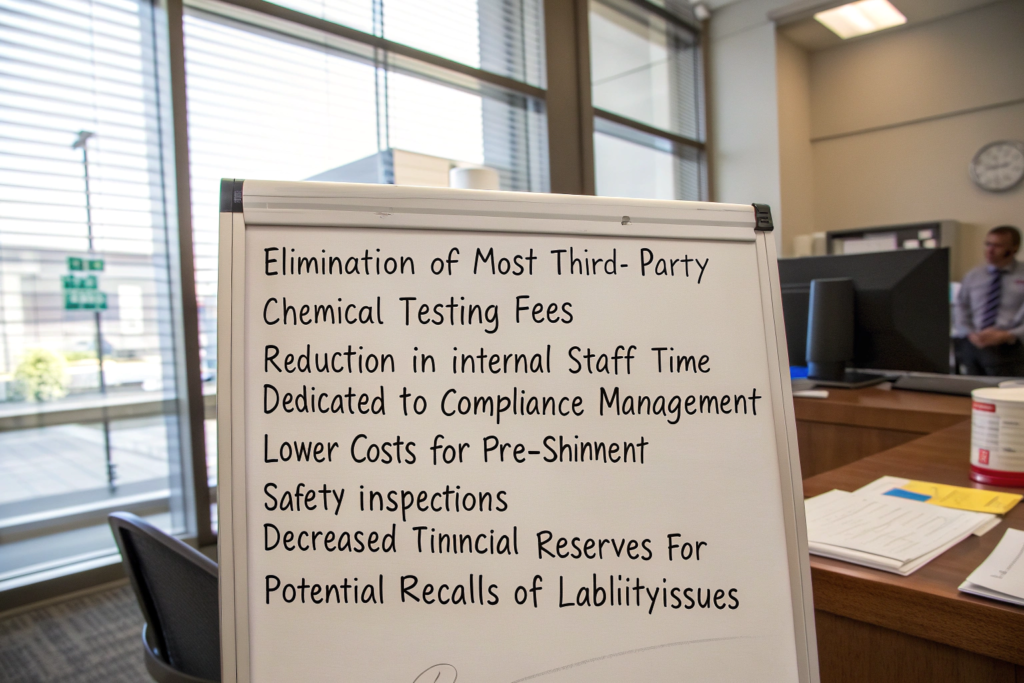
Specific savings include the elimination of most third-party chemical testing fees, a reduction in internal staff time dedicated to compliance management, lower costs for pre-shipment inspections focused on safety, and decreased financial reserves held for potential recalls or liability issues.
Let's quantify the burden reduction for a buyer sourcing 10 new fabric styles per season:
| QC Activity | Traditional Model (Cost/Burden) | With OEKO-TEX® Integrated Supply Chain | Reduction/Saving |
|---|---|---|---|
| Fabric Chemical Testing | $800 - $1,500 per style. = $8,000 - $15,000 per season. | $0. Cost borne by material supplier as part of their certification. | 100% of testing cost. |
| Internal Compliance Staff Time | 40-60 hours per season managing tests, reports, and supplier follow-up. | 5-10 hours verifying certificates and updating records. | 75-85% time reduction. |
| Pre-Shipment Inspection Focus | Inspector must check for correct labels and may take samples for lab testing. | Inspector verifies OEKO-TEX® label is present; no need for safety sampling. | Lighter, faster, cheaper inspection. |
| Risk Management | Financial provision for potential recall or customs rejection. | Significant risk mitigation; lower insurance premiums possible. | Reduced contingency funding. |
These savings often outweigh the marginal premium paid for certified materials, delivering a positive ROI on the certification requirement itself.
How Does It Impact Staff Expertise Requirements?
Without a standard like OEKO-TEX®, a brand needs to employ or hire consultants with expertise in toxicology, chemical regulations, and lab report analysis—a rare and expensive skillset. OEKO-TEX® effectively outsources this need to the certification institutes. The buyer's staff only needs to understand how to request and verify a certificate, a much simpler skill. This lowers the barrier to entry for smaller brands to ensure safety and allows larger brands to re-deploy specialized staff to innovation or sustainability projects.
What Must Buyers Still Verify Independently?
OEKO-TEX® is not a total replacement for buyer diligence; it is a powerful tool that re-focuses it. Smart buyers use it to cover the chemical safety base, freeing resources to double down on other critical areas.
Buyers must still verify the authenticity of certificates, conduct audits of the factory's social compliance and general quality systems, and maintain rigorous inspections for construction, fit, color matching, and performance (waterproofness, seam taping) which are outside OEKO-TEX®'s scope. The certification handles the "chemical safety" module, not the entire "quality" suite.
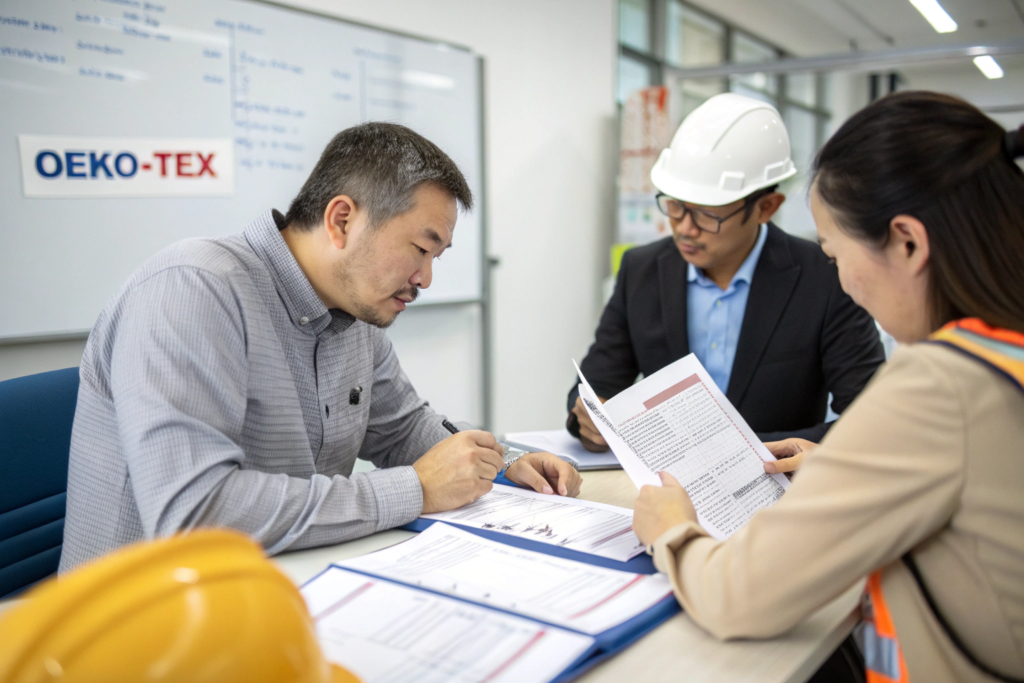
The Non-Negotiable Checks:
- Certificate Verification: Always check the OEKO-TEX® database. Do not accept PDFs at face value.
- Supply Chain Traceability: Ask your manufacturer for the "chain of certificates" – the fabric mill's cert, the trim certs, etc. This ensures it's not just a final product test.
- Physical Label Check: During inspection, verify the correct OEKO-TEX® label (with certification number and testing institute) is sewn into the garment.
- Performance Testing: OEKO-TEX® does not test for waterproofness, breathability, insulation, or seam strength. These performance QC checks remain entirely the buyer's responsibility. This is where a partner like Shanghai Fumao adds value, as we can provide independent test reports for these performance criteria from accredited labs as part of our service.
The Evolving Role of the Buyer’s QC Team
With the chemical safety burden lifted, the QC team evolves from police officers to engineers and partners. They can:
- Work proactively with the factory on quality improvement projects.
- Conduct more meaningful fit and wear-testing.
- Develop more sophisticated performance standards.
- Manage sustainability initiatives beyond chemical safety.
This elevates their role and contributes more directly to product excellence and brand value.
Conclusion
OEKO-TEX® certification, when properly implemented through a committed manufacturing partner, is one of the most effective tools a buyer can employ to reduce operational burden and de-risk the supply chain. It transfers the heavy lifting of chemical safety verification from the buyer's reactive, resource-intensive processes to the supplier's proactive, system-managed controls. This doesn't eliminate the need for quality control; it strategically reallocates finite time and money from a non-differentiating compliance task (proving something is not toxic) to value-creating activities like enhancing design, fit, and technical performance.
In essence, it allows buyers to stop being chemists and start being merchants and innovators again. In the competitive world of ski apparel, where both safety and performance are paramount, this shift is not just an efficiency gain—it's a strategic advantage.
Ready to transform your QC process from a cost center to a value driver? Partner with Shanghai Fumao, where OEKO-TEX® certification is integrated into a full-package quality system designed to reduce your burden and elevate your product. Contact our Business Director Elaine to experience a simpler, more secure way to source: elaine@fumaoclothing.com.