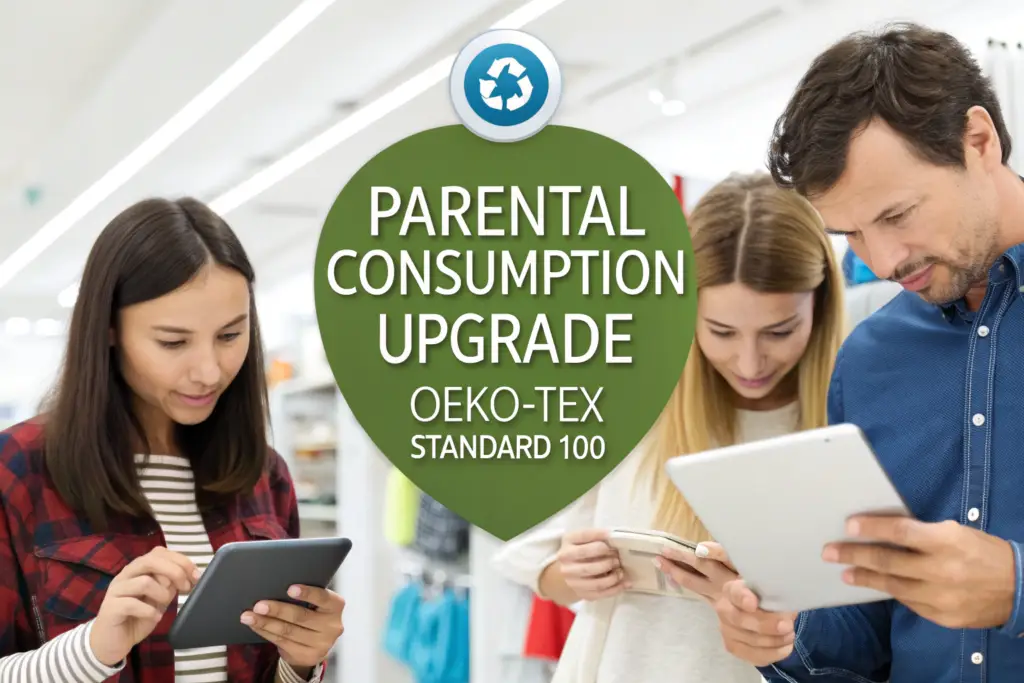
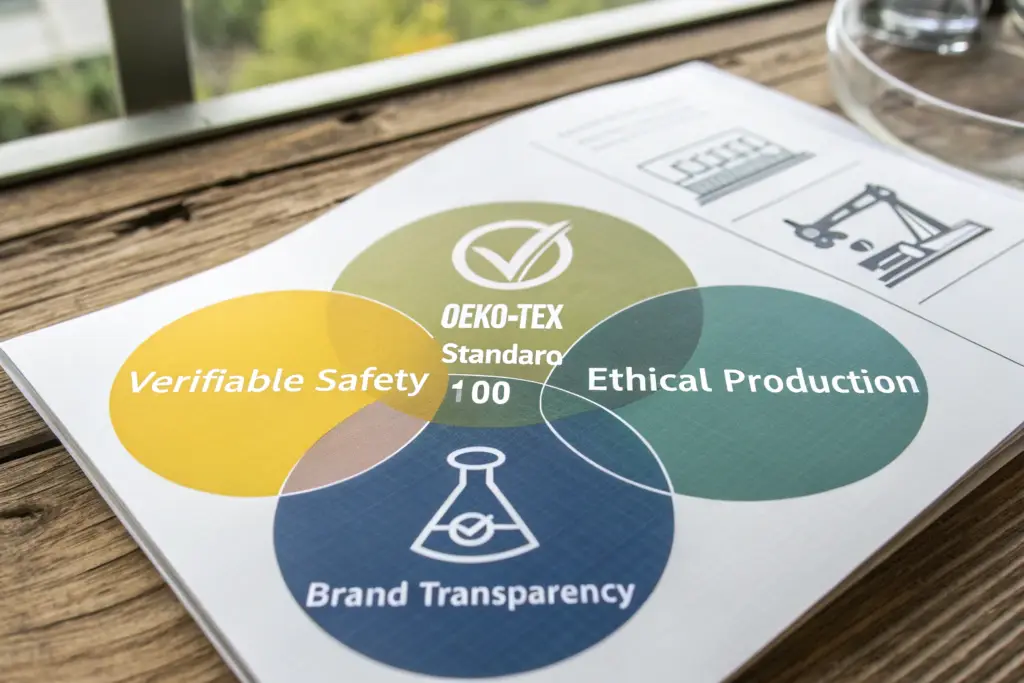
Today’s parents are not just buying clothes; they are investing in safety, trust, and values. The traditional model of purchasing based on price and basic style is fading. A new trend, the “parental consumption upgrade,” is reshaping the children’s wear market. Parents now prioritize products that offer verifiable safety, ethical production, and brand transparency. This shift presents both a challenge and a massive opportunity for brands.
OEKO-TEX certification aligns perfectly with the parental consumption upgrade trend by providing the tangible, credible proof of safety and responsibility that modern parents actively seek. It transforms a garment from a simple commodity into a trusted product that justifies a premium price and builds long-term brand loyalty.
For apparel brands and importers, understanding this alignment is key to capturing market share. It’s no longer enough to claim your products are “safe” or “high-quality.” You need to back those claims with independent validation that speaks directly to the concerns of educated consumers. Let’s explore how OEKO-TEX meets the core drivers of this upgrade trend.
What is Driving the Parental Consumption Upgrade?
The upgrade is fueled by a combination of increased information access, higher disposable income, and a deeper sense of responsibility. Parents, especially millennials and Gen Z, are digital natives. They research products online, read labels meticulously, and share experiences within communities. Their purchasing decisions are influenced by more than just the product; they consider the story and ethics behind it.
This demographic values transparency and is wary of greenwashing. They are willing to pay more, but they demand proof. Their core drivers are: 1) Proactive Health & Safety, moving beyond reactive concerns to preventive assurance; 2) Ethical & Sustainable Values, seeking brands that align with their worldview; and 3) Brand Authenticity & Trust, building relationships with companies they perceive as honest and reliable. A children’s wear brand that fails to address these drivers risks becoming irrelevant.
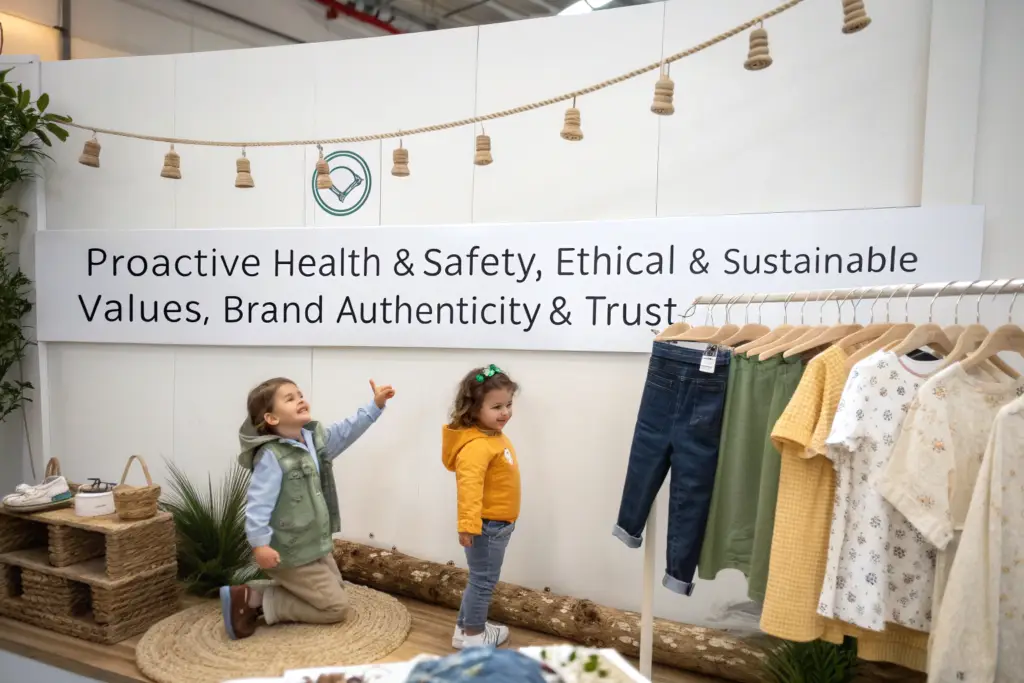
Why is "Verifiable Safety" Now a Non-Negotiable Demand?
The era of taking a brand’s word for safety is over. High-profile recalls and media reports about toxins in everyday products have made parents skeptical. They now look for objective, third-party validation. Claims like “non-toxic” or “chemical-free” are scrutinized and often dismissed without evidence. OEKO-TEX fills this credibility gap. Its label is an instantly recognizable, globally standardized seal that means an independent scientific institute has tested the product. For a parent, it’s a shortcut to peace of mind. We witnessed this shift firsthand when a client, a boutique brand from Portland, rebranded their line to highlight OEKO-TEX certification. Their website traffic to the “Our Safety Standards” page increased by 200%, and average order value rose by 15%, as parents chose certified bundles over single, non-certified items.
How Do Sustainability and Ethics Influence Buying Decisions?
Safety is the entry point; sustainability and ethics are the tie-breakers. The parental consumption upgrade extends to caring for the planet their children will inherit. OEKO-TEX standards contribute to this by restricting environmentally harmful substances in production. Furthermore, certifications like OEKO-TEX STeP focus on sustainable production processes. While the STANDARD 100 label itself is a product safety standard, it is often part of a broader ecosystem of responsibility that parents appreciate. Brands that pair product safety with commitments to sustainable sourcing and fair labor practices create a powerful, cohesive narrative. This holistic approach is what modern parents support with their wallets.
How Does OEKO-TEX Certification Build Brand Trust?
Trust is the ultimate currency in the modern market. It is hard to earn and easy to lose. For parents, trust in a children’s brand is sacred. OEKO-TEX certification serves as a powerful trust-building tool because it outsources credibility to a respected, neutral authority. It signals that a brand is willing to subject its products to rigorous external scrutiny, which is a strong indicator of integrity and commitment to quality.
This external validation does more than just assure safety; it builds an emotional connection. It tells parents, “We care about what touches your child’s skin as much as you do.” This shared value creates a foundation for loyalty that goes beyond seasonal trends.
What is the Psychological Impact of a Trust Mark on Labels?
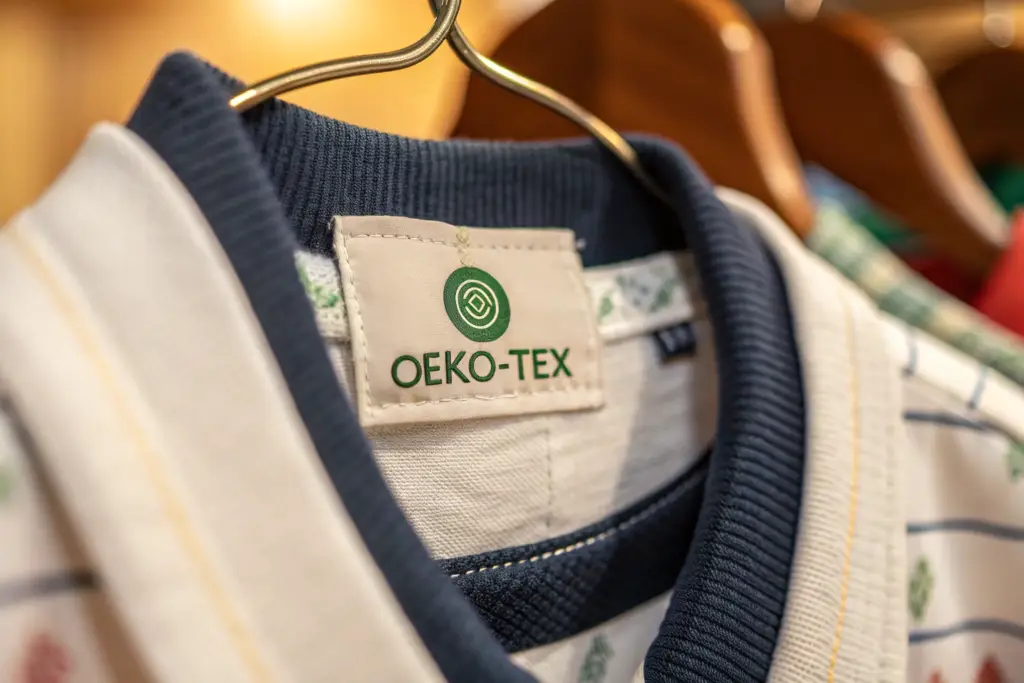
A recognizable trust mark on a hangtag or label acts as a visual shortcut in the decision-making process. In a crowded retail shelf or a fast-scrolling online shop, it immediately differentiates the product. It reduces cognitive load for the parent—they don’t have to spend time researching or doubting the safety claim. The OEKO-TEX label, with its distinct green “Confidence in Textiles” text, is one of the most recognized symbols in the industry. Its presence can be the decisive factor that tips a purchase from consideration to conversion. For e-commerce sales, where physical inspection isn’t possible, this mark is even more critical. It replaces the tactile assurance a parent would get in a store.
Can Transparency in Supply Chain Be a Competitive Advantage?
Absolutely. The parental consumption upgrade craves transparency. Parents want to know the “story” of the product. OEKO-TEX certification, especially when a brand explains it clearly, opens a window into the supply chain. It shows that the brand has control and knowledge over its production, from fabric sourcing to finishing. Brands can leverage this by sharing their certification journey on their “About Us” page, in blog posts, or through social media content on platforms like Instagram. For instance, at Shanghai Fumao, we provide our brand partners with not just the certificate, but also photos and videos of the testing process and our in-house quality controls. This content empowers them to tell a richer, more authentic story to their end customers.
How Can Brands Leverage OEKO-TEX for Marketing?
Obtaining the certification is only half the battle; effectively communicating it is where the real market advantage is gained. Marketing OEKO-TEX should be integrated into the brand’s core messaging, not treated as a technical footnote. It’s a key selling point that addresses a primary customer pain point.
Successful marketing transforms the certification from a compliance detail into a compelling brand benefit. It answers the “why should I care?” question for the parent and positions the brand as a leader in responsible children’s wear.
What Content Strategies Resonate with Educated Parents?
Avoid technical jargon. Focus on the benefit, not the feature. Instead of “tested for over 100 substances,” say “peace of mind for your little one’s sensitive skin.”
- Educational Content: Create blog posts or short videos explaining common chemical risks in layman’s terms and how OEKO-TEX provides a solution.
- Behind-the-Scenes: Share glimpses of the testing process or factory audits to build transparency.
- User-Generated Content: Encourage parents to share photos featuring the label, using a branded hashtag.
- Comparison Guides: Ethically illustrate the difference between certified and non-certified products, focusing on safety assurance.
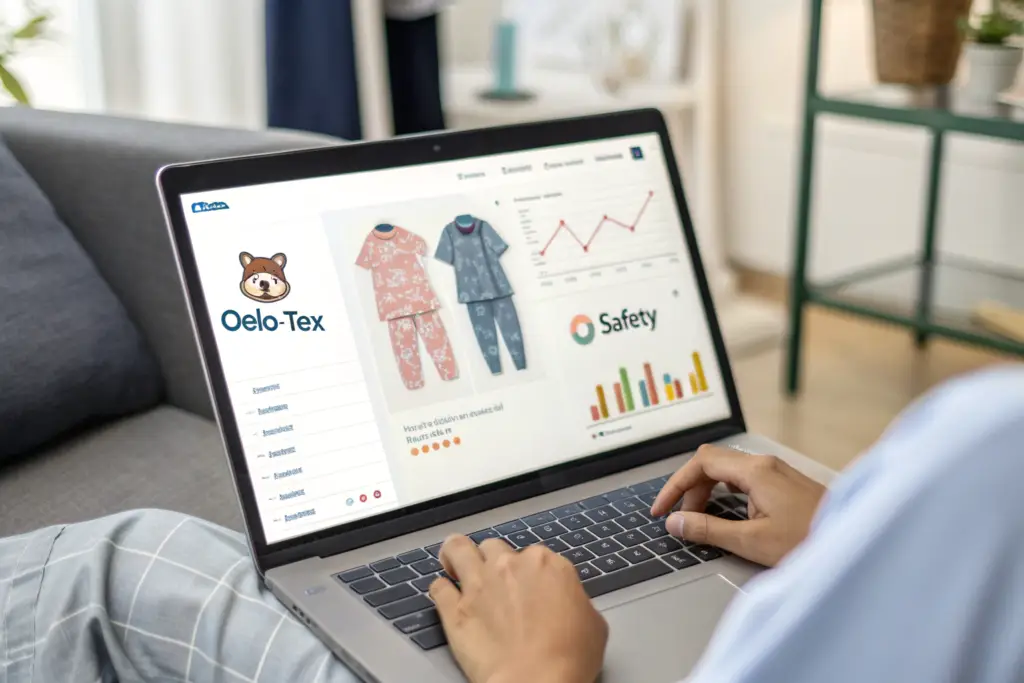
A sportswear client of ours from California used a simple animated video on their product pages to explain OEKO-TEX. This video led to a 10% decrease in product-related customer service inquiries and a higher conversion rate on those pages, as parents felt immediately informed and assured.
How to Integrate the Certification into the Online Shopping Experience?
Make the trust mark visible at every key decision point:
- Product Listings: Include the OEKO-TEX logo as a badge or filter option.
- Product Pages: Place the logo near the price and a clickable link/icon that expands a short explanation (e.g., “What does this mean for safety?”).
- Checkout Process: Consider a reassuring line in the cart, like “All items are OEKO-TEX STANDARD 100 certified for your child’s safety.”
- Post-Purchase: Include information about the certification in packaging inserts or welcome emails.
This omnipresent reinforcement assures the customer throughout their journey. It also improves SEO as you create content around these verified safety claims, which are highly searched by concerned parents.
What is the Long-Term Value for Brands and Importers?
Adopting OEKO-TEX certification as a response to the consumption upgrade trend is not a short-term tactical move; it’s a strategic investment in the brand’s future. It builds a moat against competitors who rely on unverified claims and positions the brand for sustainable growth in an increasingly values-driven market.
The long-term value extends beyond direct sales to encompass brand equity, supply chain resilience, and market adaptability.
Does Certification Provide Protection Against Market and Regulatory Shifts?
Yes, it acts as a risk mitigation shield. Regulatory standards, like the CPSIA in the U.S., are constantly evolving and tightening. OEKO-TEX regularly updates its test criteria and limits, often pre-empting new regulatory requirements. By working with a certified manufacturer like Shanghai Fumao, your products are already aligned with these evolving standards, reducing the risk of future non-compliance and costly reformulations. This proactive approach is far more efficient than reacting to new laws. It ensures your brand remains a leader, not a follower, in safety standards.
How Does It Cement a Brand’s Reputation for Responsibility?
In the long run, a reputation for responsibility is priceless. It turns customers into advocates. When parents consistently associate your brand with verified safety and transparency, they become loyal repeat buyers and referrers. This reputation also attracts better retail partnerships and can provide leverage in negotiations. Retailers want brands that minimize their risk and appeal to their customers. Presenting a portfolio of OEKO-TEX certified products makes your brand a lower-risk, higher-value partner for any retailer, from large chains to boutique marketplaces. Our experience in full-package manufacturing for the U.S. market shows that brands leading with certification have smoother onboarding processes with major retailers and experience fewer quality-related chargebacks.
Conclusion
The parental consumption upgrade is a fundamental shift, not a passing fad. It represents a move towards more conscious, value-driven purchasing where proof is paramount. OEKO-TEX certification is uniquely positioned to meet this demand, offering the independent, scientific validation that modern parents require for trust.
For brands and importers, aligning with this trend through certification is a powerful strategy. It builds immediate trust, justifies premium positioning, provides compelling marketing content, and secures long-term brand equity. It’s a clear statement that a brand understands and respects the priorities of today’s families.
Ultimately, partnering with a manufacturer who embodies this commitment in their operations is crucial. You need a partner who sees certification not as a cost, but as a core value.
If you are ready to build a children’s wear brand that truly aligns with the parental consumption upgrade and commands lasting loyalty, let’s build it on a foundation of verified safety. At Shanghai Fumao, we integrate OEKO-TEX certification seamlessly into our product development and full-package manufacturing process. Contact our Business Director, Elaine, to start creating a collection that parents will trust and choose with confidence. Email her at: elaine@fumaoclothing.com.