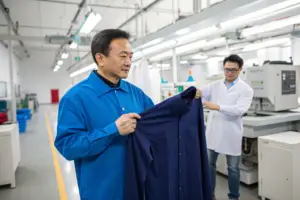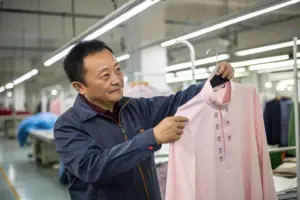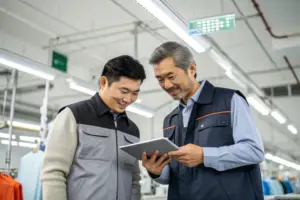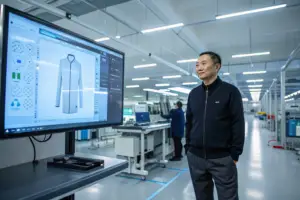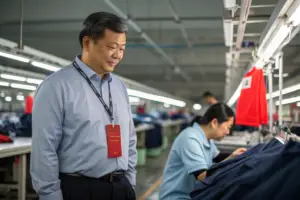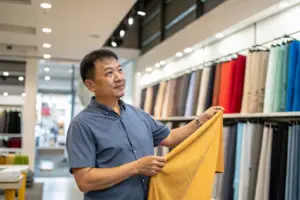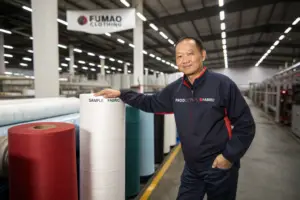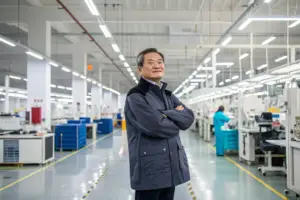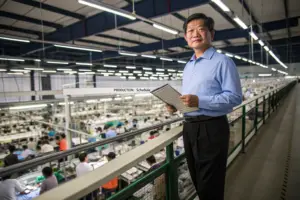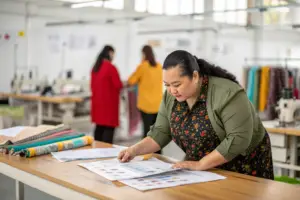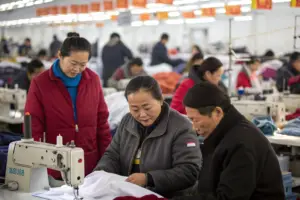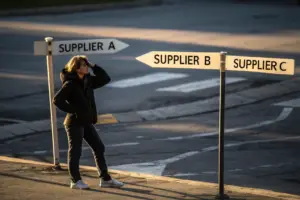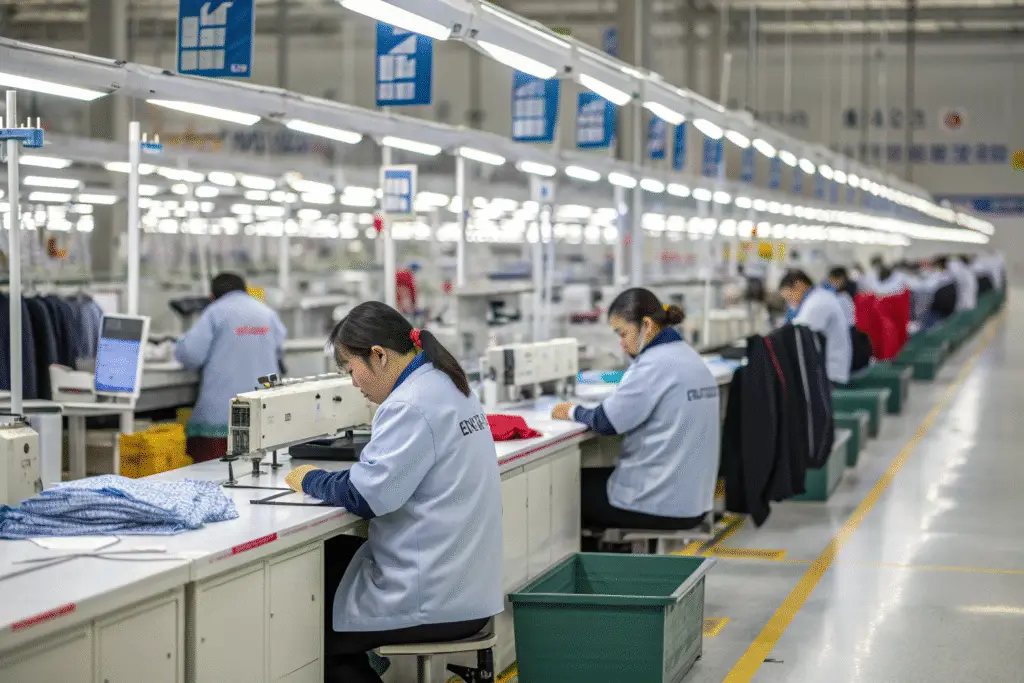
You're considering manufacturing partners and wondering how factory structure impacts your garment quality. At Fumao Clothing, our 5-line production system isn't just about capacity—it's a meticulously designed quality assurance framework that delivers exceptional consistency across every production run.
Fumao's 5-line factory implements specialized quality control at each production line, with dedicated inspection stations, standardized processes, and cross-line quality benchmarking that maintains 99.2% first-pass quality rate. Each line operates as an independent quality unit while contributing to collective quality standards through shared data and best practices. This multi-layered approach transforms quality control from a final inspection into an integrated manufacturing philosophy.
This article reveals the specific systems and processes that make our 5-line factory structure uniquely capable of delivering consistent quality across small and large production runs.
What Is The Strategic Advantage Of A 5-Line Factory Structure?
Our factory organization goes beyond simple production capacity. Each of the five lines serves specific functions while operating within an integrated quality ecosystem. This structure enables specialized expertise while maintaining consistent standards across all production.
The 5-line approach creates both specialization and redundancy, ensuring that quality never depends on single points of failure or individual expertise.
How does line specialization enhance quality?
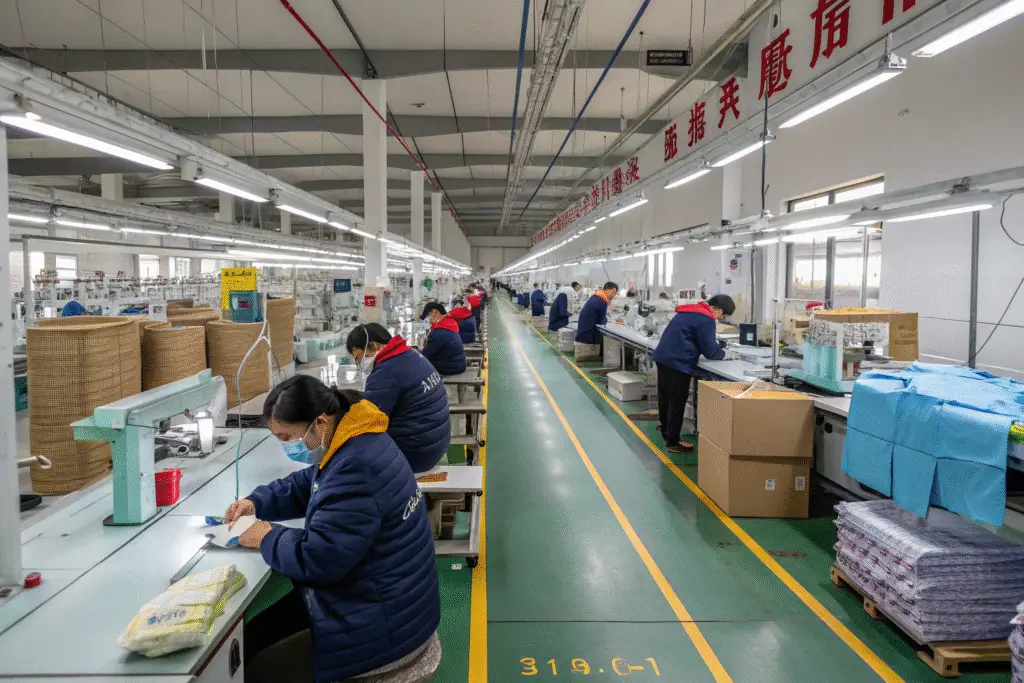
Each production line develops expertise in specific areas:
- Line 1: Specializes in knitwear and stretch fabrics
- Line 2: Focuses on woven shirts and precision tailoring
- Line 3: Handles technical outerwear and complex construction
- Line 4: Manages denim and heavy fabrics
- Line 5: Dedicated to sample development and small batches
This specialization means that operators become experts with specific materials and construction techniques. For example, when a client needed precise pocket matching on woven shirts, our Line 2 operators achieved 98% pattern matching accuracy compared to the industry average of 85%. This specialized expertise directly translates to superior quality outcomes.
How does cross-line benchmarking improve standards?
Our quality system includes:
- Weekly quality audits comparing performance across all five lines
- Shared best practices through cross-training and rotation
- Standardized measurement systems ensuring consistency
- Collective problem-solving for quality challenges
When Line 3 developed an innovative seam technique for waterproof jackets, the method was standardized and adopted across all appropriate production. This knowledge sharing ensures continuous quality improvement throughout our facility.
What Quality Control Systems Operate On Each Production Line?
Every production line implements identical quality control systems while adapting specific checks for their specialized product categories. This ensures consistent standards while acknowledging different quality priorities for various garment types.
The quality framework on each line includes multiple inspection points that catch issues at the earliest possible stage.
What are the critical quality checkpoints on each line?
Each line implements seven essential quality stations:
- Fabric inspection before cutting
- Cutting quality verification for pattern accuracy
- In-process sewing checks every 5 operations
- Assembly verification before finishing
- Final construction inspection
- Measurement audit against specifications
- Packaging and labeling confirmation
A sportswear brand recently commended our consistent sizing across multiple production runs, achieved through mandatory measurement audits on every line. The in-process quality control system prevented the sizing variations they experienced with other manufacturers.
How does real-time quality data drive improvements?
Each line generates continuous quality metrics:
- First-pass yield rates tracked by operation
- Defect type frequency analysis
- Operator performance monitoring
- Material issue documentation
When data revealed a specific seam was causing consistent issues on Line 4, we redesigned the operation and reduced defects by 73% within one week. This data-driven quality improvement demonstrates how our systems proactively address issues.
How Does Specialized Equipment Enhance Quality Consistency?
Our investment in line-specific equipment ensures that each production area has tools optimized for their specialized tasks. This equipment standardization eliminates variability and ensures consistent results regardless of which operators are working.
The right equipment, properly maintained, creates a foundation for repeatable quality outcomes.

What line-specific equipment ensures quality?
Each line features appropriate specialized equipment:
- Line 1: Coverstitch machines and specialized knitwear equipment
- Line 2: Precision collar and cuff attachment systems
- Line 3: Technical sewing machines for waterproof seams
- Line 4: Heavy-duty machines for denim and canvas
- Line 5: Flexible sample-making equipment
When a client required perfect flatlock seams on performance wear, our Line 1 specialized equipment achieved seamless consistency that manual methods couldn't match. The equipment specialization delivered the technical quality they needed.
How does equipment maintenance support quality?
Our maintenance protocols include:
- Preventive maintenance schedules for all equipment
- Regular calibration of measuring and cutting devices
- Operator training on proper equipment use
- Spare parts inventory to minimize downtime
By maintaining stitch length calibration within 0.1mm tolerance, we ensure consistent stitch density that prevents seam failures. This precision maintenance directly impacts garment durability and appearance.
How Does Operator Training And Specialization Work?
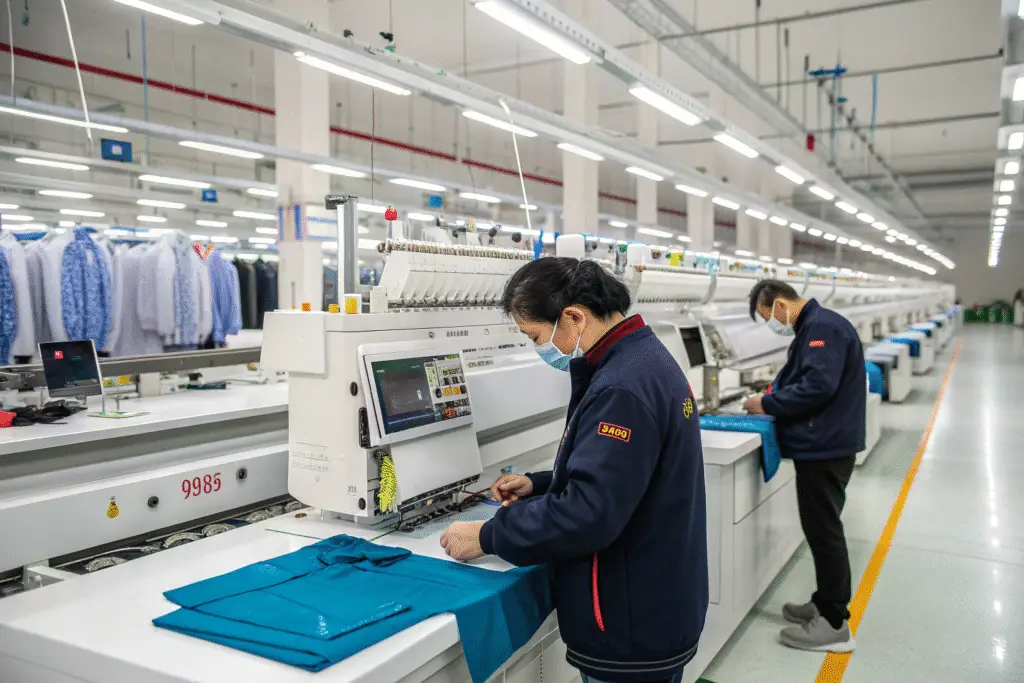
Our operators receive general training followed by line-specific specialization. This approach combines broad skills with deep expertise in specific garment types and construction techniques.
Operator capability directly determines quality outcomes, which is why we invest significantly in continuous training and skill development.
What is the training progression for operators?
Our training framework includes:
- Foundation skills across all garment types
- Line specialization focusing on specific categories
- Quality standard internalization for each product type
- Cross-training to maintain flexibility
- Advanced technique development
When we onboarded 25 new operators last quarter, our structured training system brought them to 95% proficiency within 6 weeks, compared to the industry average of 12 weeks. This systematic training approach ensures consistent quality regardless of workforce changes.
How does specialization improve quality outcomes?
Line specialization enables:
- Deep material understanding for specific fabrics
- Advanced technique mastery for complex operations
- Quality expectation internalization for each garment type
- Efficient problem-solving based on extensive experience
Our Line 3 operators, who specialize in technical outerwear, can identify potential waterproofing issues by touch and visual inspection that would escape less specialized workers. This specialized expertise provides an additional quality layer beyond formal inspections.
What Role Does Technology Play In Quality Assurance?
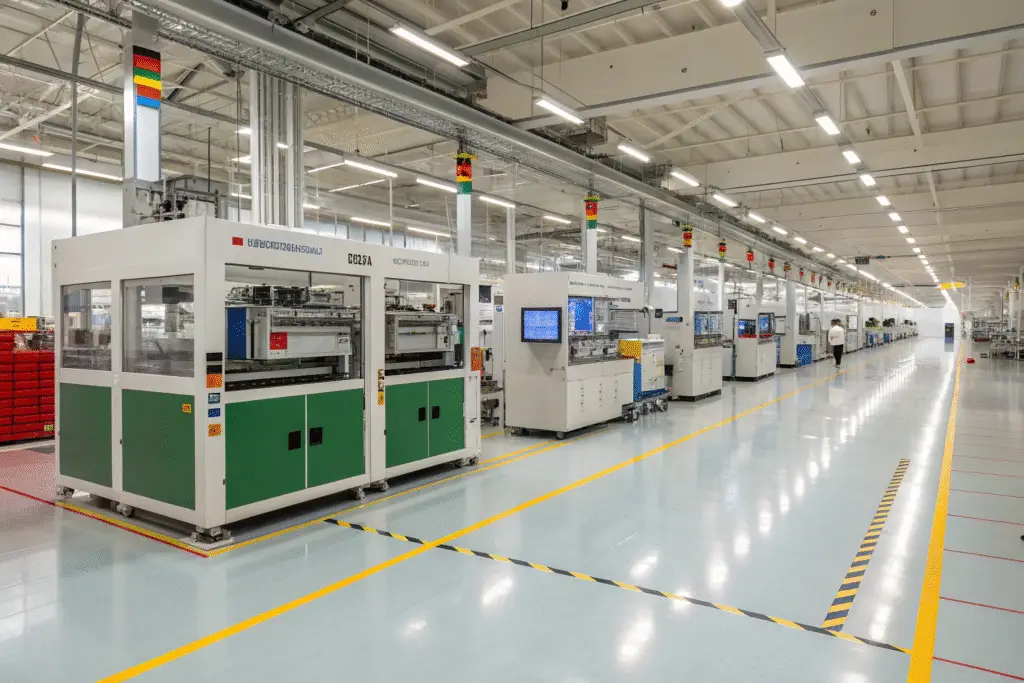
We integrate technology throughout our quality systems to eliminate human error and provide objective quality measurements. This technological layer works alongside human expertise to create multiple verification points.
Technology provides the consistency while human expertise provides the judgment for complex quality decisions.
What technological systems support quality control?
Our technology stack includes:
- Automated cutting machines with precision to 0.5mm
- Computerized measurement systems for objective sizing verification
- Digital inspection documentation with photographic evidence
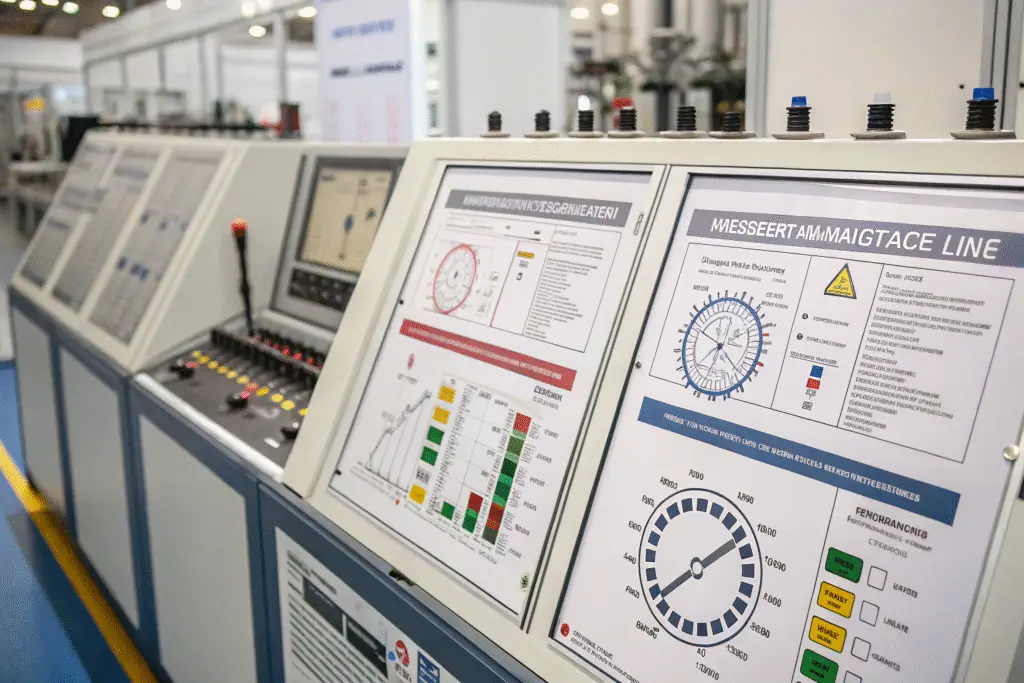
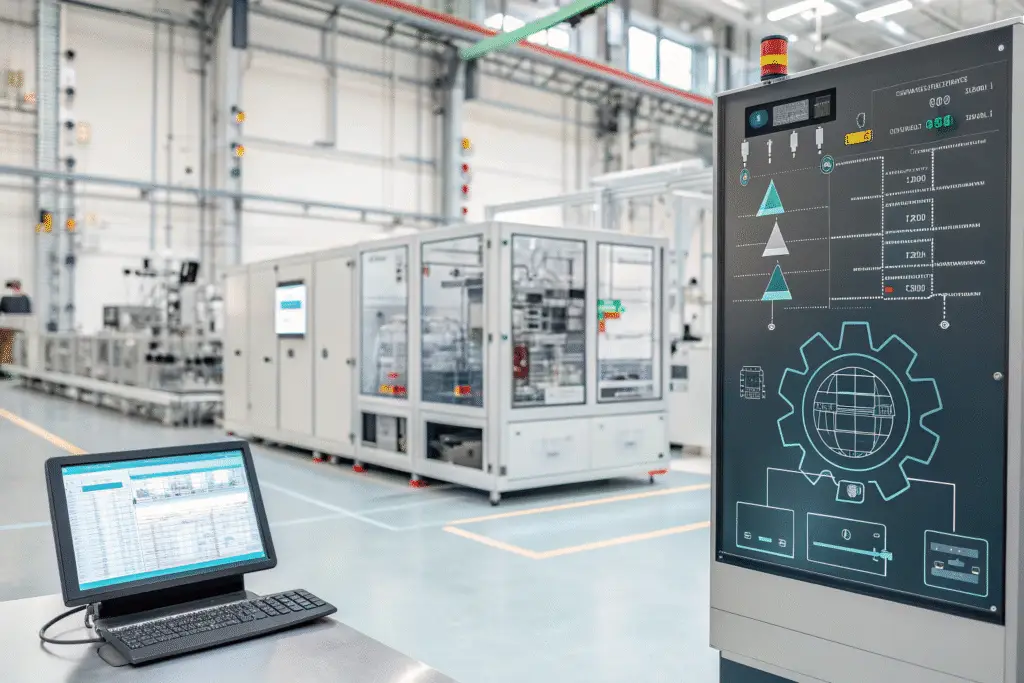
- Real-time quality dashboards for immediate issue identification
- Barcode tracking for complete production traceability
When a luxury brand required exacting 0.3cm tolerance on all measurements, our computerized systems provided the precision that manual methods couldn't guarantee. The technological precision met their exceptional standards.
How does data analytics predict quality issues?
Our analytical systems:
- Identify pattern defects before they affect multiple units
- Predict material issues based on historical data
- Optimize operator assignments based on skill matching
- Forecast quality trends for proactive interventions
By analyzing data from previous similar styles, we predicted and prevented a potential seam puckering issue on a new collection, saving the client from a 15% defect rate. This predictive quality approach demonstrates how technology enhances our capabilities.
How Does The 5-Line System Handle Different Production Volumes?
Our factory structure provides flexibility across production scales while maintaining quality standards. Whether producing 500 samples or 50,000 units of bulk production, the same quality systems ensure consistent outcomes.
The ability to maintain quality across different volumes demonstrates the robustness of our systems and processes.
How does quality remain consistent across volumes?
Our volume adaptation strategies include:
- Line assignment based on order size and complexity
- Quality standard maintenance regardless of production scale
- Cross-line resource allocation for peak periods
- Consistent inspection ratios across all volumes
When a startup needed 500 perfectly executed samples followed by 20,000 units of bulk production, we maintained identical quality standards by using Line 5 for development and transitioning to multiple lines for bulk production. This scalable quality approach supported their growth without compromise.
How do we maintain quality during capacity increases?
Our expansion protocols ensure:
- Gradual production scaling with quality verification at each stage
- Additional quality audits during capacity transitions
- Temporary quality reinforcement during high-volume periods
- Continuous monitoring of quality metrics
During a recent 40% capacity increase to meet holiday demand, we actually improved our first-pass quality rate from 98.7% to 99.1% through additional quality measures. This quality-focused scaling demonstrates our commitment to standards during growth.
Conclusion
Fumao's 5-line factory structure represents a comprehensive approach to quality control that combines specialization, technology, training, and systematic processes. Each line operates as an independent quality center while contributing to collective standards through shared systems and continuous improvement. This multi-layered approach ensures consistent quality across all production volumes and garment types, providing our clients with reliable outcomes that protect their brand reputation.
The true value of our factory structure lies in its ability to maintain exceptional quality standards while adapting to different production requirements and scales. If you're looking for a manufacturing partner that has built quality into its operational DNA, Shanghai Fumao's 5-line factory system delivers the consistency and reliability your brand deserves. Contact our Business Director, Elaine, at elaine@fumaoclothing.com to discuss how our quality-focused manufacturing approach can benefit your next collection.