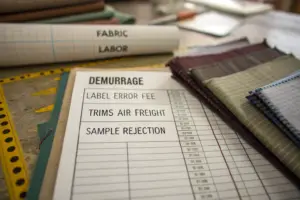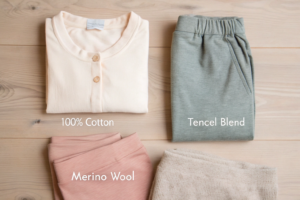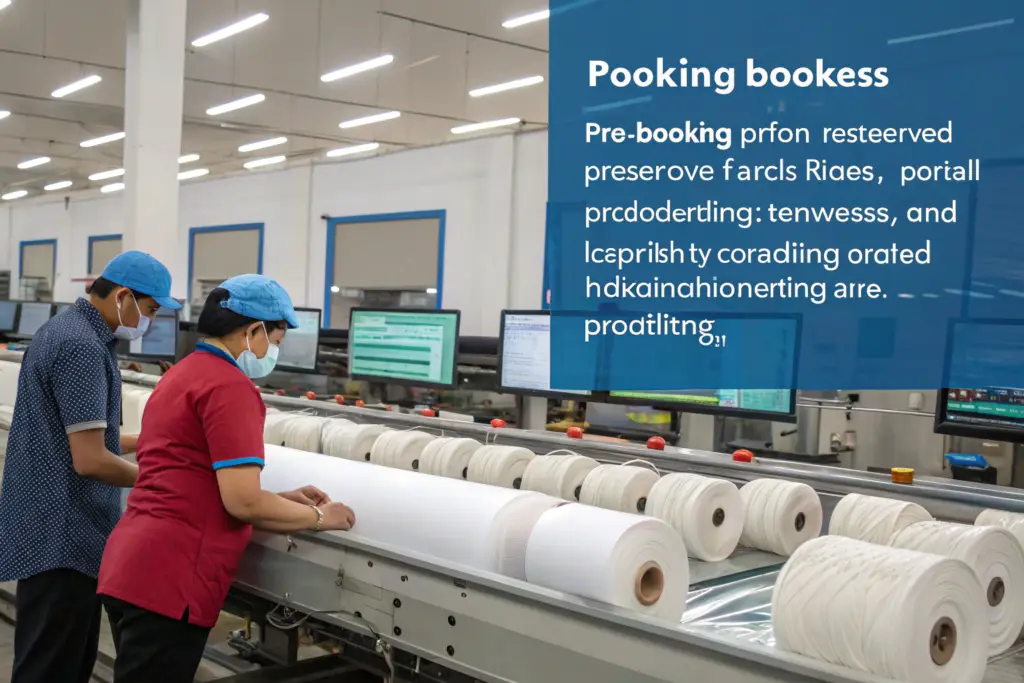
You have a seasonal collection. It must launch in August. You plan backwards. You tell the factory: "I need the goods by July 15th." The factory says, "No problem." Then the delays start. Fabric is late. Samples take longer. Production is pushed. You miss the window. Your goods arrive in September. The season is over. I have seen this happen many times. Seasonal collections have hard deadlines. There is no room for error. Preventing delays requires a system, not just a promise.
Based on our experience producing millions of seasonal garments, preventing production delays requires proactive planning: pre-booking fabric, reserving production lines, parallel processing, buffer time, and clear communication. For example, last year we worked with a brand from New York. Their fall collection had a hard deadline. We pre-booked their fabric in March. We reserved a production line in June. We started cutting before sample approval. The goods arrived 2 weeks early. That is how you prevent delays.
So, how does Fumao prevent production delays for seasonal collections? Let me break it down. I will explain our proactive planning. I will discuss fabric pre-booking. I will cover line reservation. I will talk about parallel processing. And I will give you our buffer strategy.
How Does Pre-Booking Fabric Prevent Material Delays?
Fabric is the most common cause of delays. I remember a client from Chicago. They approved the sample in May. The factory ordered fabric in June. The fabric arrived in July. Production started in August. The goods were late for fall.
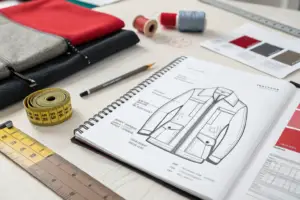
At Shanghai Fumao, we pre-book fabric for seasonal collections. For the Chicago client, we now pre-book fabric in March, 4 months before delivery. For woven shirts, we order the cotton poplin early. For knits, we order the jersey. For denim, we order the denim rolls. Pre-booking works like this: you give us a forecast. We order the fabric based on that forecast. The fabric sits in our warehouse. When the sample is approved, we start cutting immediately. No waiting. This cuts 2 to 4 weeks from the timeline.
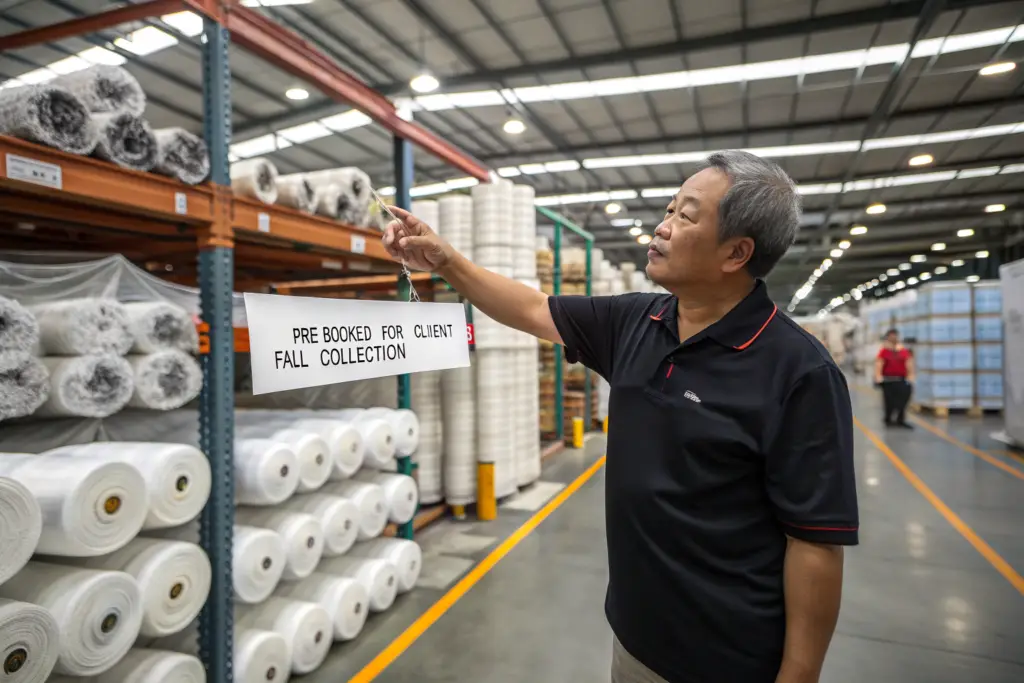
How Far in Advance Should You Pre-Book Fabric?
For seasonal collections, pre-book fabric 3 to 4 months before delivery. For a sportswear client, they pre-booked in April for an August delivery. The fabric was ready.
What If You Over-Forecast?
If you order too much, we can store the extra fabric for future orders. For a denim client, they pre-booked 10,000 yards. They used 8,000. The remaining 2,000 yards were used for the next season.
How Does Reserving Production Lines Guarantee Capacity?
Production lines get busy. I remember a client from Boston. They approved the sample. The factory said, "We can start in 3 weeks. The line is full." The client had to wait.
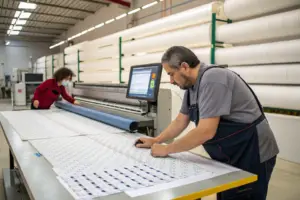
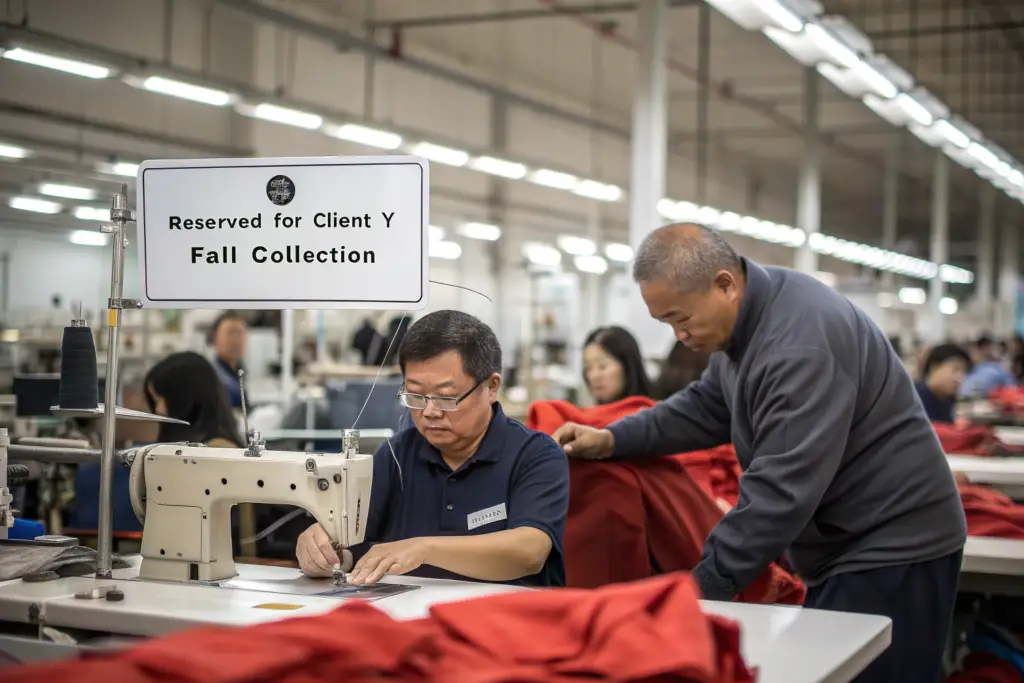
At Shanghai Fumao, we reserve production lines for seasonal collections. For the Boston client, we now reserve a line in June for an August delivery. For woven shirts, we reserve a woven line. For knits, we reserve a knit line. For denim, we reserve the denim line. The line is held for you. No other orders can use it. The moment your sample is approved, your line starts. No waiting. This cuts 1 to 3 weeks from the timeline. We also reserve finishing and packing capacity. Your order moves through the factory without stopping.
How Far in Advance Should You Reserve a Line?
Reserve a line 2 to 3 months before delivery. For a sportswear client, they reserved a line in May for an August delivery. The line was ready.
What If Your Sample Is Late?
If your sample is late, we hold the line for up to 2 weeks. After that, we may need to release it. To avoid this, we work with you to keep the sample on schedule. For a denim client, their sample was 1 week late. We held the line. Production started the day the sample was approved.
How Does Parallel Processing Speed Up Production?
Sequential processing is slow. I remember a client from Seattle. Their factory did one thing at a time. Sample approval. Then order fabric. Then wait. Then cut. Then sew. Each step waited for the previous step.
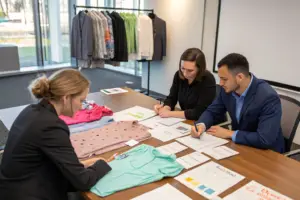
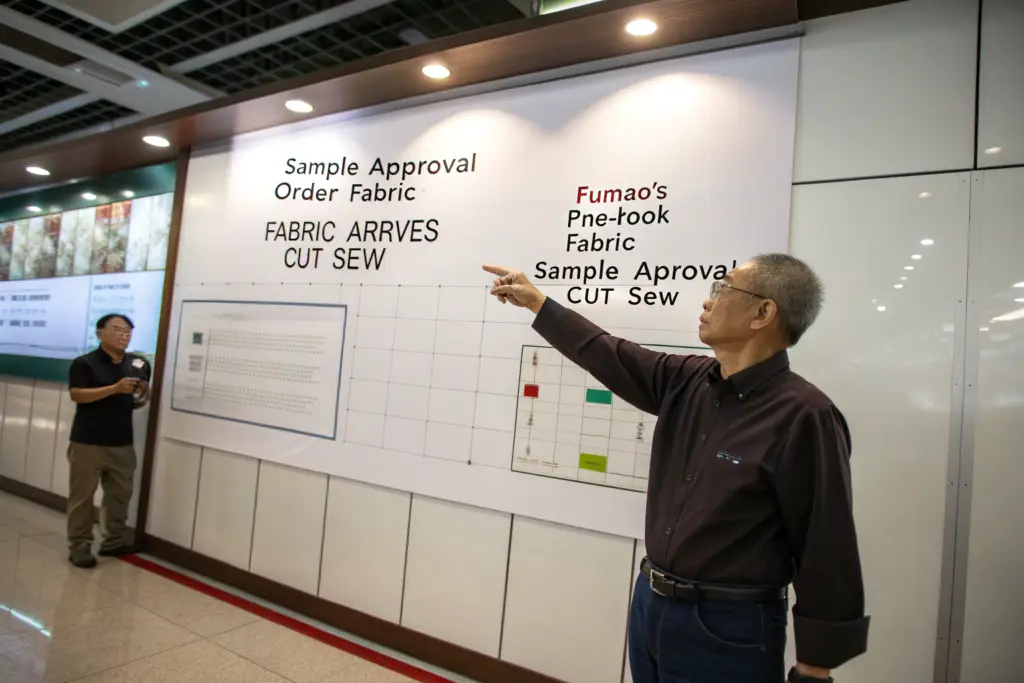
At Shanghai Fumao, we use parallel processing. For the Seattle client, we overlap activities. We pre-book fabric while the sample is being made. We reserve the line while the sample is being reviewed. For woven shirts, we cut the fabric while the sample is in final approval. For knits, we prepare the rib while the sample is being fit. For denim, we prepare the wash chemicals while the sample is being approved. By the time you say "yes," we are ready to sew. This parallel processing cuts total lead time by 30% to 50%. For seasonal collections, this is critical.
What Activities Can Be Overlapped?
Activities that can be overlapped:
- Fabric ordering with sample making
- Line reservation with sample fitting
- Cutting with final sample approval
- Finishing with sewing (first pieces)
For a sportswear client, we overlapped cutting with sample approval. The sample was approved on Friday. Cutting started on Monday.
What Is the Risk of Overlapping?
Overlapping has risk. If the sample is not approved, you may have cut fabric that cannot be used. To manage this, we overlap only for low-risk styles (reorders, simple styles). For new, complex styles, we wait for approval. For a denim client, they were a repeat order. We overlapped. The sample was approved. The fabric was already cut.
How Does Buffer Time Protect Against Unexpected Delays?
Things go wrong. I remember a client from Denver. Their fabric was delayed by 1 week. There was no buffer. The entire order was late.
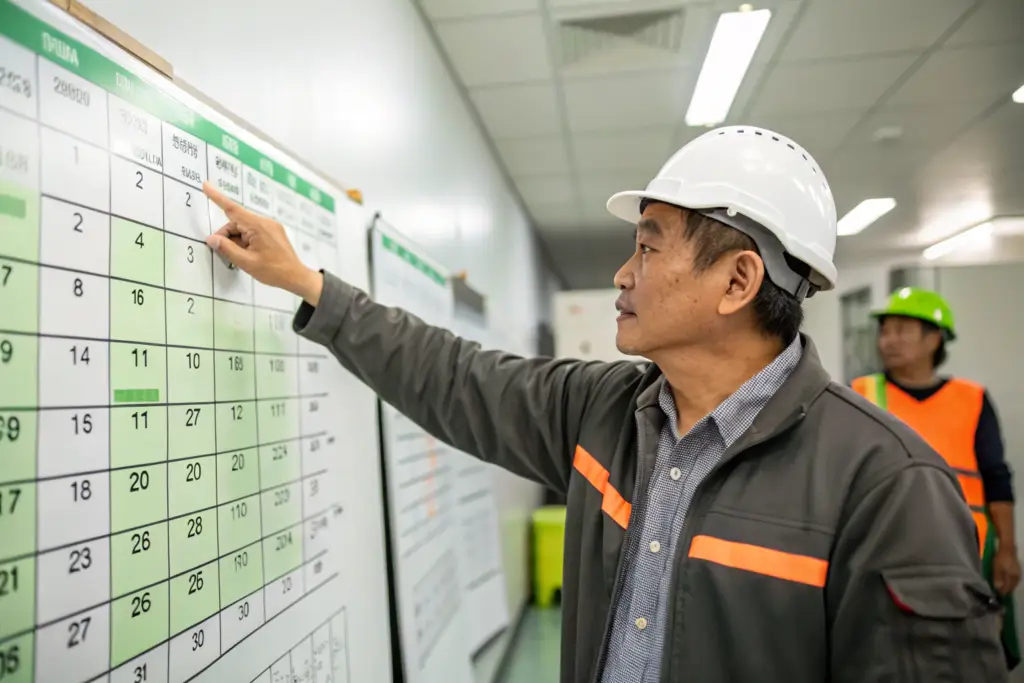
At Shanghai Fumao, we build buffer time into every seasonal timeline. For the Denver client, we now add 2 weeks of buffer. For woven shirts, we add buffer between cutting and sewing. For knits, we add buffer between sewing and finishing. For denim, we add buffer for washing. The buffer absorbs small delays. If fabric is 3 days late, the buffer covers it. If a machine breaks, the buffer covers it. If a shipment is delayed, the buffer covers it. The result is that your goods still arrive on time. We do not use the buffer if everything goes well. But it is there if needed. For seasonal collections, buffer time is essential.
How Much Buffer Time Should You Build?
For seasonal collections, build 2 to 4 weeks of buffer. For a sportswear client, they built 2 weeks of buffer. A fabric delay used 1 week. They still delivered on time.
How Do You Use Buffer Without Delaying the Launch?
You plan the launch date after the buffer. For example, if production takes 6 weeks, add 2 weeks of buffer. Plan for 8 weeks. If there are no delays, you deliver 2 weeks early. The customer is happy. For a denim client, they planned for 10 weeks. The order was ready in 8 weeks. They launched early.
Conclusion
Fumao prevents production delays for seasonal collections through proactive planning: pre-booking fabric, reserving production lines, parallel processing, buffer time, and proactive communication. We pre-book fabric 3 to 4 months in advance. We reserve a production line for you. We overlap activities to save time. We build buffer to absorb delays. We communicate weekly. Your seasonal collection arrives on time.
At Shanghai Fumao, we treat seasonal deadlines as sacred. We have a system. We follow it. We deliver.
Let us produce your seasonal collection. Contact our Business Director, Elaine, directly at elaine@fumaoclothing.com. Tell us your launch date. We will plan backwards. We will deliver on time.