For many apparel brands, OEKO-TEX certification is a label they hope their supplier has attached to the final product. But at Shanghai Fumao, it is a living system embedded into the very fabric of our operations. With five dedicated production lines handling diverse categories from delicate babywear to robust outerwear, implementing a consistent, rigorous standard is a complex operational challenge. How do we ensure that every single garment, regardless of which line it comes from, carries the same uncompromising promise of safety?
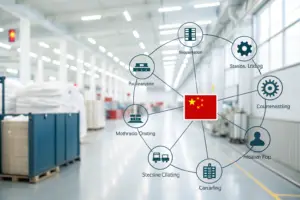
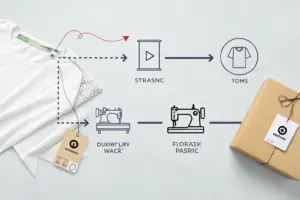
At Shanghai Fumao, OEKO-TEX standards are implemented through a vertically integrated control system we call the “Fumao Safety Chain.” This system governs every stage—from certified raw material sourcing and segregated warehousing to line-specific chemical management and final batch testing. Each of our 5 production lines operates under this unified protocol, but with tailored procedures that respect the unique requirements of knitwear, wovens, and other apparel categories, ensuring no cross-contamination or procedural lapse. It transforms a certification from a passive document into an active, daily manufacturing discipline.
This approach means your brand doesn’t just receive a certificate; you receive a product whose entire journey is documented and controlled for safety. Let me pull back the curtain on how this works in practice.
What Is The “Fumao Safety Chain” For Raw Materials?
The integrity of an OEKO-TEX certified garment is decided long before sewing begins. It starts at the source. Our Safety Chain philosophy dictates that control must be established at the raw material level. We cannot test safety into a product; we must build it in from the first fiber.
For us, this means developing long-term partnerships with a vetted network of OEKO-TEX certified yarn spinners, fabric mills, and trim suppliers. We do not simply purchase “green” materials on the open market for each order. Instead, we qualify suppliers through a strict audit that includes reviewing their own OEKO-TEX certificates and test reports, and often conducting our own spot-check lab tests. Once approved, these suppliers become part of our “Certified Supplier Database.” For instance, our primary organic cotton yarn supplier has held continuous OEKO-TEX certification for over eight years, and we receive batch-specific test reports with every delivery.
How Are Certified Materials Segregated And Tracked?
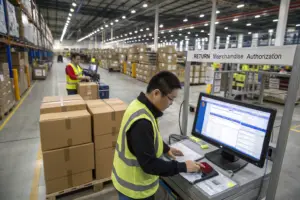
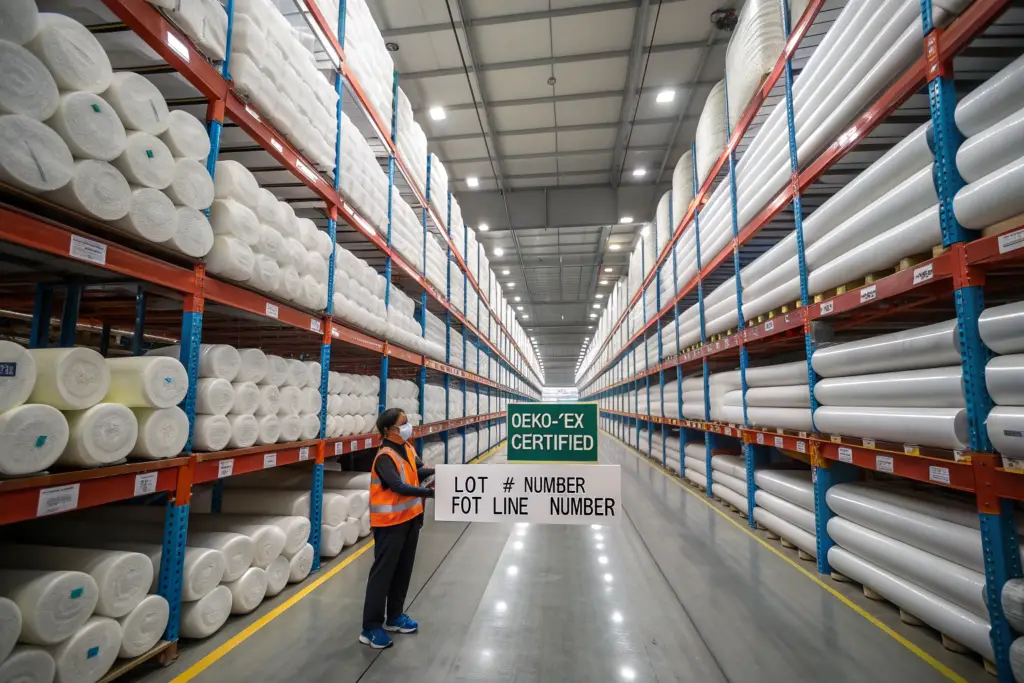
Upon arrival at our facility, certified and non-certified materials are physically separated into different warehouse zones. This is our first critical control point. OEKO-TEX certified fabrics, threads, buttons, and zippers are stored in a designated “Green Zone” warehouse. Access is controlled, and all material movement is logged in our Enterprise Resource Planning (ERP) system.
Each roll or batch is assigned a unique tracking ID linked to its supplier’s OEKO-TEX certificate number. When a production order for an OEKO-TEX certified garment is launched, our system only allows the warehouse to release materials from the Green Zone for that order. This digital-physical lock prevents accidental mixing. Last year, this system prevented a potential error when a new warehouse intern almost pulled a similar-looking but non-certified grey melange fabric for a large kids’ sweater order. The system alert stopped the issue before it reached the cutting room.
What Happens If A Certified Material Runs Out Mid-Production?
Supply chain delays are a reality. Our protocol is clear: production on that order is paused. We do not substitute with a non-certified “equivalent” under any circumstances. We source the same certified material from our approved supplier network. If lead times are prohibitive, we communicate transparently with the client, presenting the certified alternatives and the associated test reports. This commitment, while sometimes challenging, has become a key reason for trust with brands that cannot afford compliance risks.
How Is OEKO-TEX Compliance Managed On Different Production Lines?
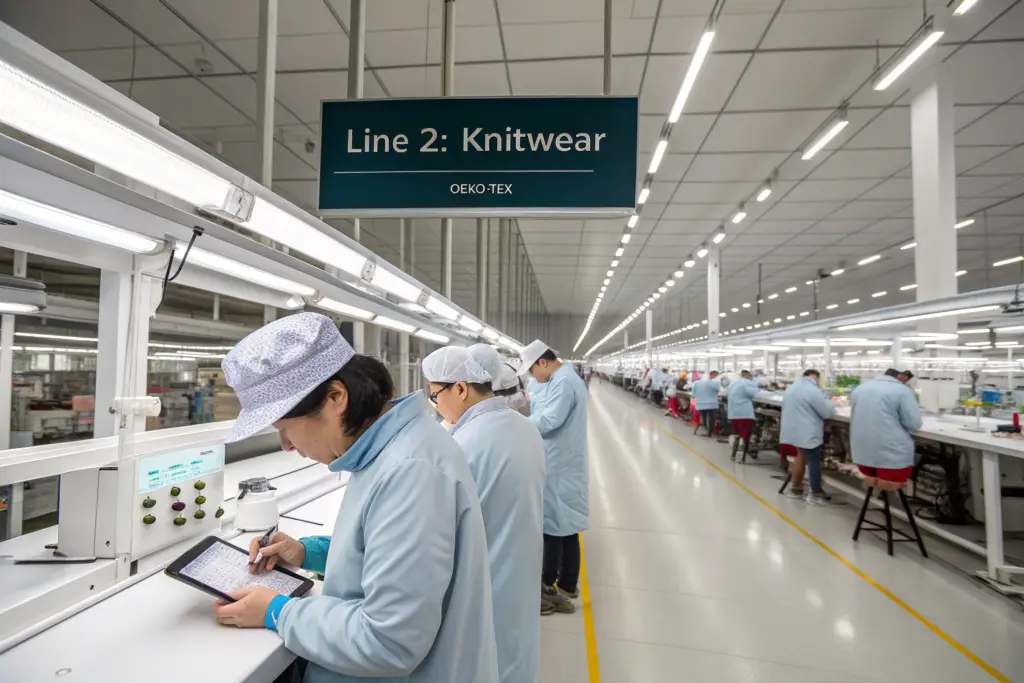
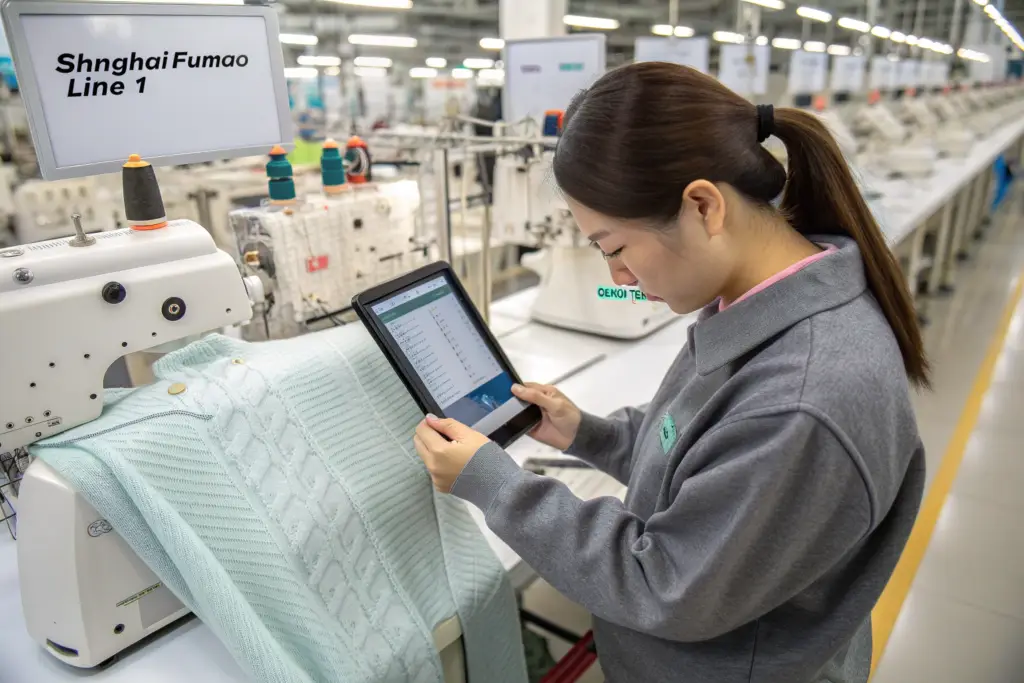
Our five lines are specialized: Line 1 & 2 for knitwear (T-shirts, sweaters), Line 3 for woven shirts and blouses, Line 4 for trousers and shorts, and Line 5 for light outerwear. Each line has different processes, but the OEKO-TEX standard is the common denominator. Implementation is standardized yet adaptable.
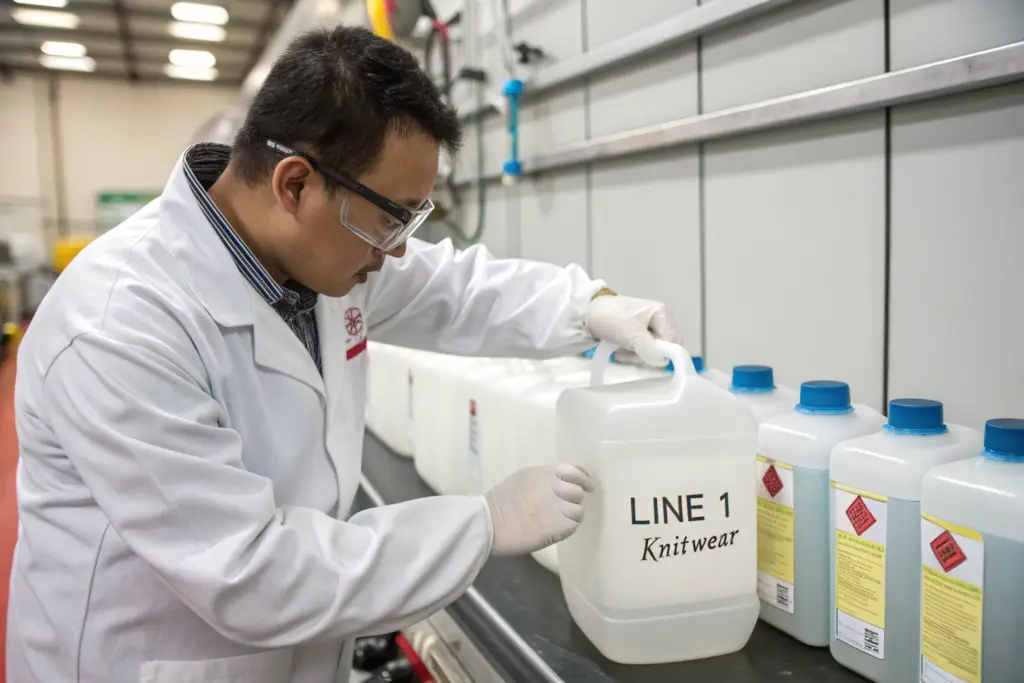
The core of line management is chemical control. Each line has its own set of approved, OEKO-TEX compliant auxiliaries—dyes, softeners, washing agents—stored in labeled containers. These are managed by a centralized chemical dispensing station. Line supervisors cannot introduce any chemical not on the approved list. For example, the softener used on Line 1 for baby knitwear is a specific, pH-neutral formula, while Line 4 for denim might use a different compliant softener suited for heavier fabric. This specialization prevents cross-contamination.
What Are The Line-Specific Critical Control Points?
Each line has identified Critical Control Points (CCPs) for OEKO-TEX compliance:
- Lines 1 & 2 (Knitwear): CCPs focus on dyeing and finishing. We monitor dye bath chemistry and the final pH of the garment after washing. For babywear (Class I), we run additional tests for saliva and perspiration fastness on every dye lot.
- Line 3 (Woven Shirts): Emphasis is on sizing and stain-release finishes. We ensure any applied finish is from the approved list and its application rate is documented.
- Line 4 (Trousers): For items like denim, heavy stone washing or enzyme washing is a CCP. We use OEKO-TEX approved enzymes and strictly control the washing effluent parameters.
- Line 5 (Outerwear): Key CCPs are lamination and water-repellent finishes. We only use PFAS-free, certified waterproofing agents and test the final product for any restricted substances.
How Is Training Standardized Across All Lines?
Every operator, from the cutting table to the final inspection, undergoes mandatory OEKO-TEX awareness training. They learn why it matters, what their role is in maintaining it (e.g., keeping workstations clean to avoid contamination), and how to identify non-conforming materials. This training is not a one-time event. We conduct quarterly refreshers and have visual aids (posters, checklists) posted in each line’s common area in both Chinese and simple English.
What Does Quality Assurance Do Beyond Final Inspection?
At Shanghai Fumao, our Quality Assurance (QA) team is the guardian of the Safety Chain. Their role is proactive, not reactive. They are involved from material intake to shipping.
During production, QA conducts in-process audits on each line. They verify that the correct certified materials are being used, check chemical dispensing logs, and use portable pH meters to spot-check semi-finished garments. They also collect random inline samples from each batch. These samples are not just for visual inspection; they are sent to our partner accredited lab for preliminary testing if the order is large or high-risk. This “early warning” system caught an issue two years ago where a compliant dye reacted unexpectedly with a new batch of certified fabric, causing a pH shift. We caught it after 100 pieces were made, not 10,000, and adjusted the process immediately.
How Is The Final Certification Documented And Delivered?
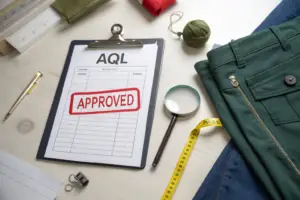
When an order is complete and has passed final random inspection (AQL), QA initiates the certification process. A final production sample, representing the entire batch, is sent to an OEKO-TEX accredited laboratory such as Hohenstein or TESTEX. We do not use in-house tests for the final certificate. The lab tests the sample against the applicable standard (e.g., Class I for babies).
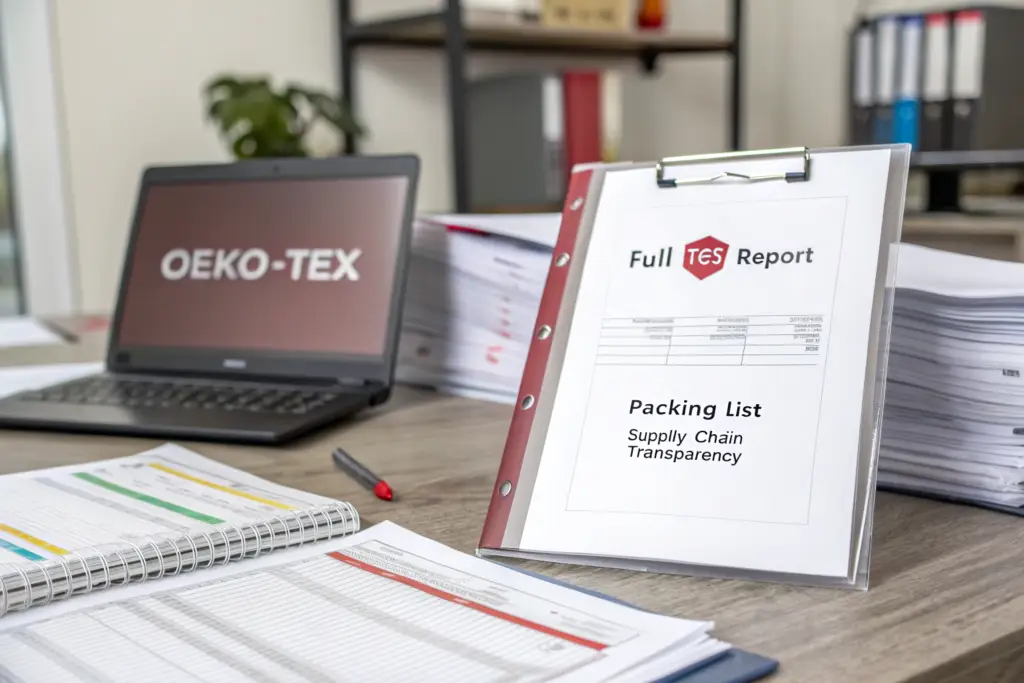
Once we receive the passing test report, we apply for the official OEKO-TEX certificate through the system. The certificate, along with the full test report, packing list, and supply chain transparency documentation, is compiled into a digital dossier for the client. This complete package is what we deliver. It’s not just a label; it’s the full story of your product’s safety journey, ready for your own records or retailer audits.
How Does This System Benefit Brands Partnering With Fumao?
The operational complexity of our “Fumao Safety Chain” exists for one reason: to provide our brand partners with absolute confidence and simplified compliance. The benefits are tangible.
First, it de-risks your supply chain. You are not relying on a single final test but on an entire controlled ecosystem. Second, it saves you time and cost on internal compliance management. You don’t need to audit multiple material suppliers; you audit us, and we manage the rest. Third, it provides marketing depth. You can speak authentically about a manufacturing partnership built on safety, not just a product that passed a test. A client from Seattle launching a sustainable children’s line used our documented process in their crowdfunding campaign, adding significant credibility that helped them exceed their funding goal by 180%.
What Is Our Track Record And Commitment?
Our system is proven. In the past 24 months, we have produced over 500,000 OEKO-TEX certified garments across all five lines with a 100% pass rate on final certification tests for our clients. We view OEKO-TEX not as a cost, but as an investment in our clients’ brand equity and our own operational excellence. We are committed to staying ahead of the standard, continuously updating our approved substance lists and training as OEKO-TEX evolves.
Conclusion
Implementing OEKO-TEX across multiple, specialized production lines is not about slapping a label on at the end. It is a comprehensive, disciplined approach to manufacturing that requires investment in systems, training, and a culture of responsibility. At Shanghai Fumao, our “Safety Chain” ensures that whether your order runs on our knitwear line or our outerwear line, the same rigorous standards are applied with precision and traceability.
For brands that value integrity as much as aesthetics, this operational backbone is what makes us more than just a factory. We are a risk-mitigation and value-creation partner. If you are looking for a manufacturing partner whose systems are built to protect and enhance your brand’s promise of safety and quality, let us show you the Fumao difference.
To discuss how we can implement OEKO-TEX standards for your next collection, please contact our Business Director Elaine at: strong>elaine@fumaoclothing.com</strong. Let’s build something safe, beautiful, and successful together.