You've finalized your designs and are ready to move into production, but have you considered how your fabric selection will impact your bottom line? The truth is, fabric decisions made during development can determine whether your collection is profitable or faces unexpected financial challenges.
Fabric choice typically represents 50-70% of your total apparel production cost, directly influencing manufacturing efficiency, waste percentages, and final garment quality. Selecting the wrong fabric can increase production expenses by 30% or more through hidden costs in processing, labor, and yield optimization. Understanding this relationship is crucial for maintaining profitability while delivering quality products to your customers.
This comprehensive guide will reveal how every fabric characteristic—from fiber content to finishing—shapes your production budget and ultimate business success.
What Percentage of Garment Cost Comes From Fabric?
Understanding cost allocation is the first step in making informed fabric decisions. While percentages vary by garment type and complexity, fabric consistently represents the largest single expense in apparel production.
The actual fabric cost percentage depends on multiple factors including garment complexity, trim usage, and production location. However, across most categories, fabric remains the dominant cost driver that requires careful management.
How does garment type affect fabric cost ratio?
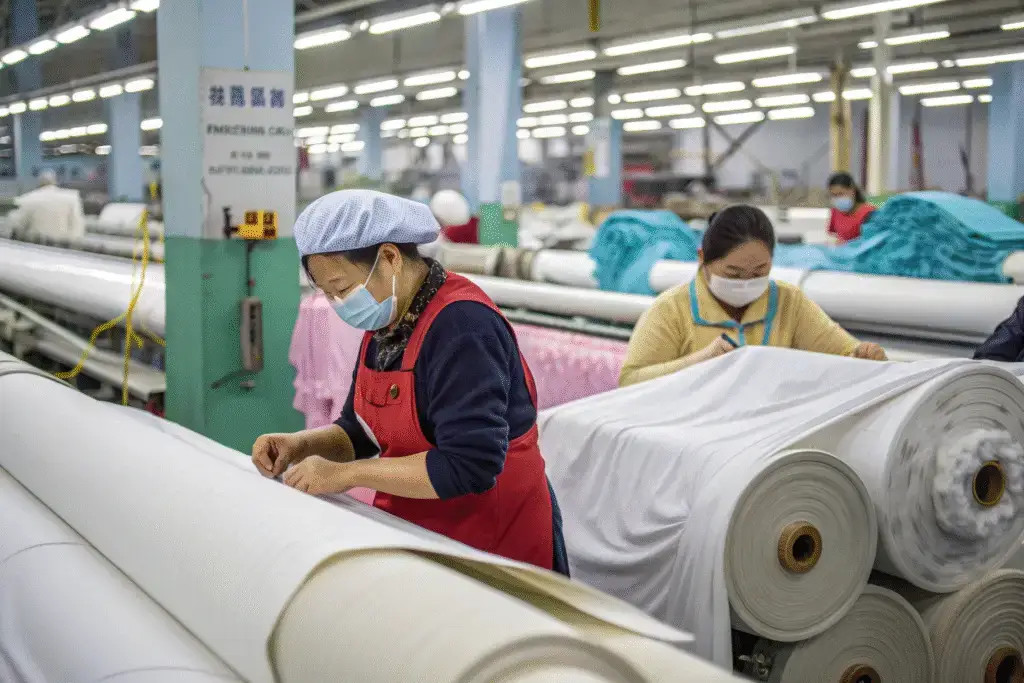
Different garment categories show distinct fabric cost distributions:
| Garment Type | Typical Fabric Cost % | Key Influencing Factors |
|---|---|---|
| Basic T-shirts | 60-70% | Minimal construction, limited trims |
| Woven Dress Shirts | 50-60% | More complex patterns, multiple components |
| Denim Jeans | 40-50% | Labor-intensive construction, hardware |
| Technical Outerwear | 30-45% | High trim content, complex assembly |
Last quarter, a client switching from basic cotton to performance blends for their activewear line saw fabric costs increase from 65% to 72% of total production cost, requiring strategic adjustments in other areas to maintain margins. At Shanghai Fumao, we help clients navigate these fiber cost structures through transparent costing analysis.
What hidden fabric costs impact total expenditure?
Beyond the price per yard, several hidden fabric costs significantly impact your budget:
- Shrinkage allowance (typically 2-5% extra fabric)
- Cutting waste (10-15% depending on pattern efficiency)
- Yield differences between fabric types and widths
- Minimum order quantities that may exceed needs
A sportswear brand recently discovered that their chosen fabric's 8% shrinkage rate required substantial over-ordering, adding 12% to their expected fabric costs. This emphasizes why understanding fabric utilization metrics is essential for accurate budgeting.
How Do Fabric Characteristics Influence Manufacturing Efficiency?
Fabric behavior during cutting and sewing directly determines production speed, labor requirements, and ultimately, your manufacturing costs. Some fabrics flow smoothly through production, while others create bottlenecks that increase expenses.
The relationship between fabric characteristics and manufacturing efficiency is often overlooked during design but becomes critically important during production planning and costing.
Which fabric types increase labor costs?
Certain fabrics require specialized handling that significantly increases labor time:
- Slippery fabrics (silks, satins) need skilled operators and slower sewing speeds
- Stretch materials require specialized equipment and operator training
- Heavy fabrics (denim, canvas) slow down sewing and handling
- Delicate fabrics need careful handling throughout production
A recent case involved a designer switching from cotton poplin to silk charmeuse for a blouse collection. The production time increased by 45% due to the fabric's slippery nature and need for specialized pressing, increasing labor costs by $3.25 per unit. This demonstrates how apparel manufacturing efficiency is deeply connected to material selection.
How does fabric width impact material utilization?
Fabric width directly affects how efficiently patterns can be nested during cutting:
- Narrow fabrics (45-48") often result in higher waste percentages
- Wider fabrics (58-60") allow better pattern nesting and lower waste
- Inconsistent widths within the same roll create cutting challenges
We recently helped a client optimize their fabric consumption by switching from 48" to 58" wide denim, reducing their waste from 14% to 9% and saving $1.80 per garment in material costs. This simple change preserved their target margin while maintaining quality standards.
What Are The Hidden Costs of Fabric Selection?
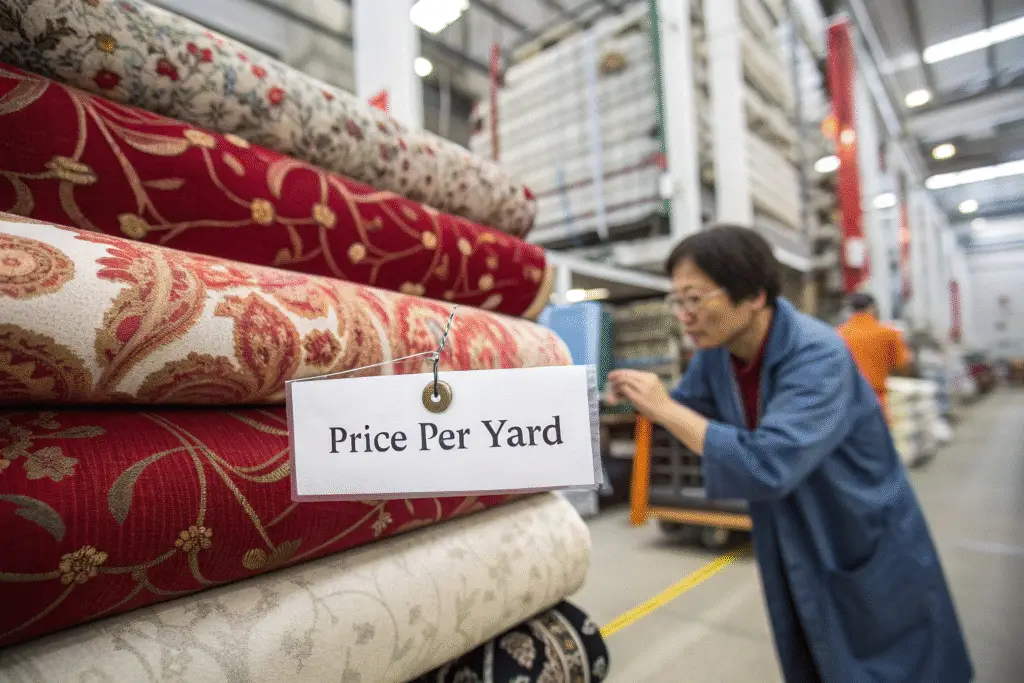
Beyond the price tag per yard, fabric choices trigger cascading costs throughout your supply chain. These hidden expenses often surprise brands that focus only on the initial fabric price without considering downstream implications.
Smart fabric selection requires evaluating total cost of ownership rather than just purchase price. This comprehensive view prevents budget overruns and production surprises.
How do fabric finishes affect processing costs?
Fabric finishes applied during manufacturing add significant costs:
- Water-repellent treatments: $0.50-$1.50 per yard
- Anti-pilling finishes: $0.75-$1.25 per yard
- Wrinkle-resistant treatments: $0.60-$1.40 per yard
- Flame-retardant coatings: $2.00-$4.00 per yard
A workwear client discovered that their chosen fabric required three separate finishes, adding $3.85 per yard to their expected costs. By analyzing alternatives, we helped them source a fabric with two treatments integrated during weaving, reducing finish costs by 35% while maintaining performance. Understanding textile finishing processes is essential for accurate costing.
What logistics costs vary by fabric type?
Fabric characteristics influence multiple logistics expenses:
- Shipping weight (heavy fabrics cost more to transport)
- Packaging requirements (delicate fabrics need special protection)
- Storage considerations (certain fabrics require climate control)
- Import duties that vary by fiber content and construction
When a client switched from standard cotton to organic cotton with linen blends, their shipping costs increased by 22% due to weight and special handling requirements. Our logistics planning service helped them optimize container loading to partially offset these increases.
How Can Strategic Fabric Selection Optimize Costs?
Intelligent fabric selection balances quality requirements, aesthetic goals, and budget constraints. The most cost-effective choices consider the entire product lifecycle rather than just initial purchase price.
Strategic fabric planning involves both technical knowledge and commercial awareness. The right decisions can maintain quality while significantly reducing costs.

When should you consider fabric alternatives?
Exploring alternatives can yield substantial savings without compromising quality:
- Similar weight and composition from different mills
- Domestic versus imported options considering total landed cost
- Stock fabrics versus custom developments
- Mill direct versus distributor sourcing
A fashion brand saved 28% on fabric costs by switching from a European mill to a quality-equivalent Asian supplier for their denim collection, while maintaining their premium positioning. The key was thorough fabric sourcing research and sample validation.
How does fabric choice impact minimum order quantities?
MOQ requirements vary significantly by fabric type:
- Basic cottons: 1,000-2,000 yards
- Specialty weaves: 3,000-5,000 yards
- Custom developments: 5,000-10,000 yards
- Stock fabrics: Sometimes no MOQ
For a startup client, we recommended using stock fabrics with similar characteristics instead of custom development, reducing their initial fabric investment from $45,000 to $12,000. This strategic sourcing approach enabled them to test the market with lower risk.
Conclusion
Fabric choice is the single most significant factor determining your apparel production costs and profitability. From direct material expenses to hidden processing costs, every fabric characteristic ripples through your entire production budget. The most successful brands approach fabric selection as a strategic decision that balances aesthetic goals, performance requirements, and financial constraints.
Understanding the comprehensive impact of fabric on your bottom line enables smarter sourcing decisions that protect your margins while delivering quality products. At Shanghai Fumao, we help clients navigate fabric selection with comprehensive cost analysis that considers every aspect from raw material to finished garment. If you want to optimize your fabric choices for better profitability, contact our Business Director, Elaine, at elaine@fumaoclothing.com to discuss how our expertise can benefit your next collection.