Finding the right partner for your ski apparel line is about more than just fabric and price. The entire supply chain must be robust, ethical, and transparent. Skiers trust your brand with their comfort and safety in extreme conditions. That trust begins with the choices you make in your manufacturing partnerships. In today's competitive market, where consumers are increasingly informed, a supplier's certifications are no longer just nice-to-have; they are a fundamental part of the sourcing decision.
Certifications act as a critical filter and risk management tool for ski apparel supply chains, directly impacting product integrity, brand reputation, market access, and operational reliability. They provide verifiable proof that a manufacturer adheres to strict standards for quality, safety, social responsibility, and environmental impact, which are non-negotiable for technical outerwear.
For brand owners like you, navigating the complex landscape of global manufacturing presents real challenges. Delayed shipments, quality inconsistencies, and communication breakdowns are more than just frustrations—they threaten your business during crucial selling seasons. A certified partner brings a systemized approach that mitigates these risks. Let's explore exactly how different certifications influence each stage of your supply chain decision-making.
What Are the Key Certifications for Ski Apparel Manufacturers?
When you source ski wear, you need proof of performance and responsibility. The right certifications are that proof. They are not just pieces of paper but signals of a factory's commitment to excellence. Without them, you are taking a significant gamble on product safety and consistency.
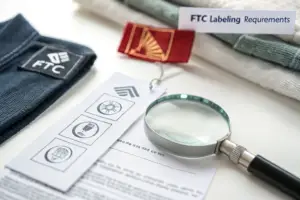
For ski apparel, certifications fall into three main categories: material quality and safety, environmental stewardship, and social compliance. Each category addresses specific concerns you have as a buyer. They ensure the fabrics are free from harmful substances, the production respects the planet, and the workers are treated fairly. This holistic compliance is what sets a premium manufacturer apart.
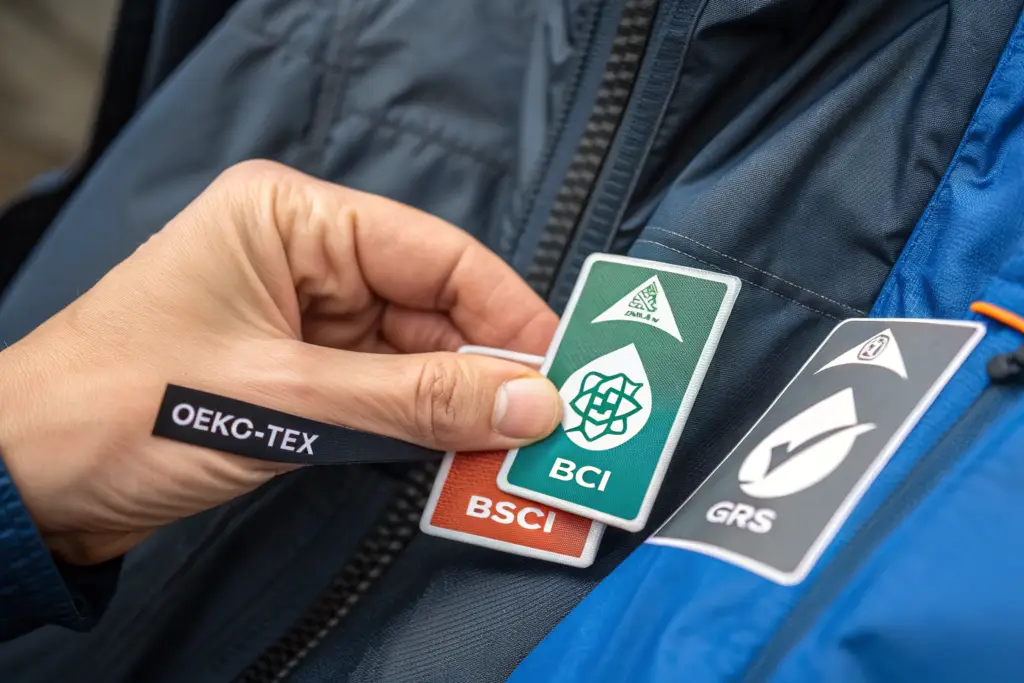
Why is OEKO-TEX® STANDARD 100 non-negotiable for performance fabrics?
OEKO-TEX® STANDARD 100 is the global baseline for material safety. It tests for over 100 harmful substances, including pesticides, heavy metals, and allergenic dyes. For ski apparel, this is crucial. Ski wear sits directly against the skin during high-intensity activity. Fabrics that are not certified could cause skin irritation or worse, especially when the body heats up and pores open. This certification gives you and your end-customer peace of mind. We at Shanghai Fumao require this certification for all our base fabrics and trims. Last winter, a client from Colorado had a batch of liners fail their internal safety audit. The issue was traced back to non-certified dye stuffs from their previous supplier. After switching to our OEKO-TEX® certified production, their product passed all subsequent audits, eliminating a major compliance risk and protecting their brand from potential recalls. You can learn more about the importance of such standards from the American Apparel & Footwear Association (AAFA).
How do Bluesign® and GRS ensure sustainable ski wear production?
Bluesign® and the Global Recycled Standard (GRS) address the environmental footprint of your products. Today's consumers demand sustainability, especially in outdoor sectors. Bluesign® looks at the entire manufacturing process, approving inputs like chemicals, dyes, and processes that are safe for people, the environment, and resources. It ensures that the beautiful, functional ski jacket you sell wasn't made at the cost of polluting a river. The GRS, on the other hand, verifies the recycled content in your products. For instance, using recycled polyester from plastic bottles in fleece linings or shell fabric is a strong marketable point. We recently helped a Pacific Northwest brand develop a fully GRS-certified ski jacket line. By managing the entire process—from sourcing certified recycled fabrics to ensuring our dye house was Bluesign® compliant—we delivered a product line that supported their eco-brand story and met strict retailer requirements. Understanding the full lifecycle of apparel is key, as discussed by the Sustainable Apparel Coalition.
How Do Certifications Mitigate Supply Chain Risks for Buyers?
Certifications are your best insurance against the common, costly pitfalls of overseas manufacturing. They systematize what would otherwise be variable and unreliable. Think of them as a quality management system you don't have to personally audit every day. They directly address core pain points like delayed shipments, quality failures, and ethical scandals.
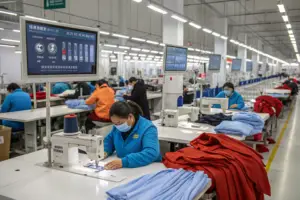
A certified factory operates on documented procedures. This means fewer surprises. When every step from fabric inspection to final packing follows an international standard, the outcome is predictable. This reliability is what allows you to plan your marketing campaigns and sales seasons with confidence, knowing your inventory will arrive as scheduled and as specified.

Can certifications prevent shipment delays and quality issues?
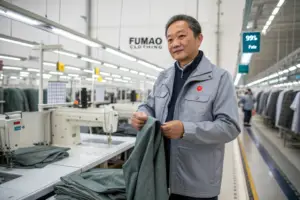
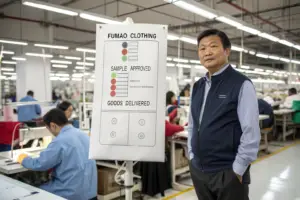
Absolutely. Certifications like ISO 9001 (Quality Management Systems) enforce a process-oriented approach. This means procedures for everything: how to handle a customer order, how to conduct in-process quality checks, and how to manage production timelines. A factory without this system is reactive; problems are found at the end, causing rework and delays. A certified factory is proactive. For example, our Shanghai Fumao factory's ISO 9001 system includes mandatory checkpoint inspections at four stages: fabric arrival, cutting, sewing, and finishing. In 2023, this system caught a subtle color deviation in a batch of 5,000 ski pants during the sewing stage. Because we caught it early, we corrected it within 48 hours without impacting the final delivery date. This level of control is impossible without a certified framework. Reliable logistics are also part of risk mitigation, which is why partnering with experts is advised, as seen in resources from The International Association of Clothing Designers & Executives (IACDE).
A social compliance certification, like BSCI or SMETA, is your safeguard against ethical failures. In the age of social media, a scandal about poor working conditions in your supply chain can destroy a brand's reputation overnight. These audits verify that the factory provides safe working conditions, fair wages, and reasonable working hours. They are a due diligence must. We once audited a potential subcontractor for a large order who showed us impressive quality samples. However, their BSCI audit report revealed major non-conformities on working hour records. We walked away. Choosing a partner with valid, high-score social compliance certifications is not just ethical; it's smart business that protects your brand from immense reputational and legal risk. The importance of ethical sourcing is underscored by organizations like Fair Labor Association (FLA).
What is the Real Cost-Benefit Analysis of Sourcing from Certified Factories?
The initial price per unit from a certified factory might be slightly higher. But this is a classic case of "paying a little more to save a lot." The true cost of a cheap, uncertified supplier includes hidden expenses: air freight to fix delays, discounting defective goods, lost sales from missed seasons, and the managerial time spent firefighting. When you add it all up, the certified partner often delivers a lower total cost of ownership.
The benefits are quantifiable: higher first-pass quality rates, on-time delivery performance, and reduced administrative burden. You are buying predictability and reducing your operational risk, which allows you to focus on growing your brand instead of managing supplier crises.
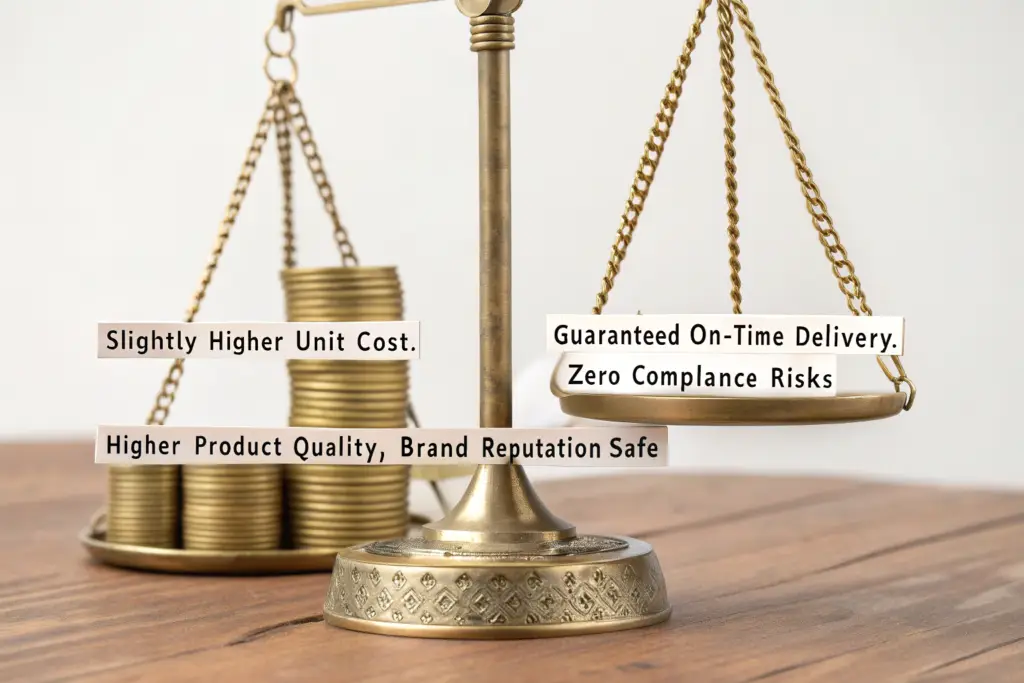
Does higher certification cost always mean a higher final product cost?
Not necessarily. While certification audits have a fee, efficient manufacturers absorb these as part of their operational overhead. The real question is value engineering. A certified factory with strong expertise can often suggest material or construction alternatives that maintain performance while optimizing cost. For instance, we worked with a Michigan-based brand on their best-selling insulated ski bib. They were fixated on a specific, expensive Japanese membrane. Our R&D team, operating within our certified material framework, proposed a high-performance European alternative with identical technical specs but better availability. This switch, managed within our certified supply chain, reduced their material cost by 15% without sacrificing quality or safety, proving that expertise within a certified system creates value. For insights on cost management in complex supply chains, the United States Fashion Industry Association (USFIA) provides valuable context.
How do certifications impact Minimum Order Quantity (MOQ) and flexibility?
This is a common misconception. People think certified, large factories only work with huge MOQs. At Shanghai Fumao, our certifications give us structure, but not rigidity. Our system allows us to run smaller batches efficiently because our processes are standardized. For a startup brand in Utah last year, we produced a pilot run of 300 custom-designed ski jackets. Our quality system ensured these 300 pieces were made with the same precision as an order of 3000. The certifications gave the brand confidence in the sample quality, which helped them secure retail orders. The table below shows how different aspects of our service are enhanced by our certifications:
| Aspect | Without Certifications (Typical Risk) | With Our Certifications (Our Commitment) |
|---|---|---|
| Quality Consistency | High variance, defects found late | Systemized checks, high first-pass yield |
| Delivery Timeline | Often optimistic, frequent delays | Realistic scheduling, >95% on-time rate |
| Material Safety | Verbal assurances only | Documented proof (OEKO-TEX, etc.) |
| Production Flexibility | Chaotic, hard to manage small batches | Process-driven, efficient small runs possible |
How to Verify and Collaborate with a Certified Supplier?
Finding a supplier who claims to have certifications is easy. Ensuring they are valid and integrated into daily practice is the real work. The verification and collaboration phase separates true partners from marketing talk. You must be proactive in this stage to build a transparent, long-term relationship.
Start by requesting not just certificates, but also recent audit reports. Engage in detailed technical discussions that probe their understanding of the standards. A factory that truly lives by its certifications will be transparent, eager to share processes, and will communicate proactively about any potential issues, not hide them.

What documents should you request beyond the certificate itself?
Always ask for the official, current certificate from the issuing body (check the expiry date). More importantly, request the full audit report (often summary is enough). For social compliance like BSCI, look at the audit score and details of non-conformities and their corrective actions. Also, ask for test reports for specific fabrics or products, especially for chemical safety (OEKO-TEX) or performance (waterproofness, breathability). A trustworthy partner will provide these readily. We had a client from New York who requested the mill certificates for every fabric roll used in their order. Because our system is built for this traceability, we provided a digital dossier within hours, cementing a relationship based on absolute transparency.
How can you align your design vision with a certified factory's processes?
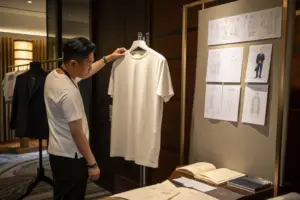
Early engagement is the key. Involve your manufacturer during the product development phase, not after designs are finalized. Share your tech packs and ask, "How can we achieve this within your certified material and process framework?" This collaborative approach prevents last-minute changes that break compliance or cause delays. For example, if you design a unique printed liner but source the print from an uncertified vendor, it may fail the final product's safety test. If you involve us at Shanghai Fumao early, we can guide you to certified printing partners or suggest alternative techniques that achieve the same look safely. This partnership model turns the factory from a mere executor into a strategic partner for bringing your vision to life efficiently and compliantly. Learning about technical design collaboration is a core part of professional development, as highlighted by institutions like the Fashion Institute of Technology (FIT).
Conclusion
Choosing a ski apparel manufacturer is one of the most critical decisions for your brand's success. As we've explored, certifications are far more than just checkboxes for marketing. They are the visible evidence of a deep, systemic commitment to quality, ethics, sustainability, and reliability. They directly answer the pressing concerns of modern buyers: mitigating risk, ensuring product safety, protecting brand reputation, and achieving predictable, profitable operations. From OEKO-TEX for material trust to ISO and social compliance for operational integrity, each certification layer adds a level of security and value to your supply chain.
In the end, partnering with a certified manufacturer like us is an investment in your brand's future. It transforms the supply chain from a source of stress into a pillar of strength. You gain the confidence to focus on design, marketing, and sales, knowing that the complex task of production is in capable, verifiable hands. The slight premium in unit cost is outweighed by the immense savings in risk, time, and brand equity.
Ready to build your next ski apparel collection with a partner whose standards are as high as yours? Let Shanghai Fumao be your reliable, certified extension. We provide the full-package manufacturing expertise and transparent processes you need to succeed in the demanding outdoor market. For a detailed discussion on your specific project, please contact our Business Director, Elaine, directly at elaine@fumaoclothing.com. Let's create high-performance gear that your customers will trust season after season.