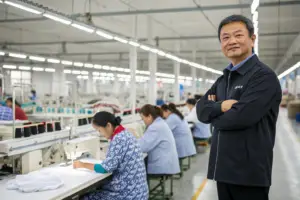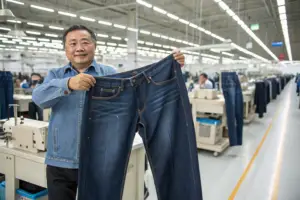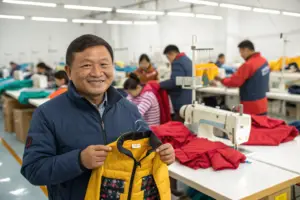
As the owner of Fumao Clothing who has worked with hundreds of startup fashion brands, I've witnessed firsthand how low minimum order quantities can transform a new company's trajectory. While large manufacturers often require commitments of 500+ units per style, our 150-unit MOQ has helped numerous American startups launch successfully without crushing inventory risk or excessive upfront investment.
Low MOQ benefits startup fashion brands by reducing inventory risk, preserving working capital, enabling market testing, and allowing for rapid iteration based on real customer feedback. This approach aligns production with the lean startup methodology that has proven successful across countless new businesses.
I've seen too many promising brands fail because they over-committed to inventory before validating their market. Let me explain the specific advantages we've observed when startups begin with manageable production quantities that match their actual business stage.
How does low MOQ reduce financial risk for startups?
The financial implications of production quantity decisions can make or break a new fashion brand. Low MOQs transform the financial risk profile from dangerous speculation to manageable investment, preserving precious capital for other business needs.
Low MOQ reduces financial risk by limiting upfront investment, decreasing storage costs, minimizing dead inventory exposure, and preserving working capital for marketing and operations. This financial protection is crucial during the vulnerable early stages of a fashion business.
How does low MOQ preserve working capital?
Startup capital is finite, and every dollar tied up in unsold inventory is a dollar that can't be used for marketing, product development, or essential business operations. Low MOQ production ensures you're not over-investing in unproven products.
We worked with a streetwear startup that initially wanted to produce 500 units of their signature hoodie. By guiding them toward our 150-unit MOQ instead, they preserved $14,000 in working capital that they deployed into targeted social media advertising. This capital preservation strategy helped them sell out their initial production while building a customer base for future, larger orders.
How does low MOQ minimize dead inventory risk?
The fashion industry's graveyard is filled with brands that produced large quantities of products that didn't resonate with customers. Low MOQ ensures that if a style underperforms, the financial impact is manageable rather than catastrophic.
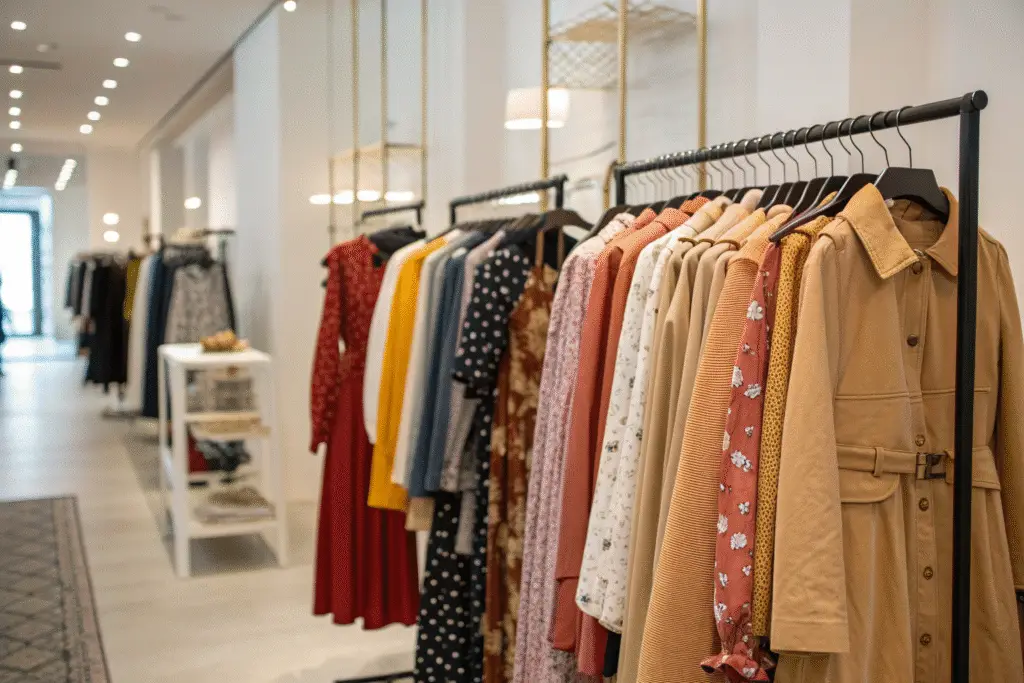
A contemporary womenswear brand discovered this when their best-researched style sold poorly while an unexpected underdog became their bestseller. Because they used our low MOQ approach, their inventory risk was limited to 150 units of the slow mover rather than 500+. This survivable mistake taught them valuable lessons about their customer without endangering their business.
How does low MOQ support product validation and iteration?
The ability to test, learn, and adapt quickly is perhaps the greatest advantage startups have over established competitors. Low MOQ production makes this iterative approach possible in the physical product world where inventory commitments often lock in designs for extended periods.
Low MOQ enables rapid iteration by allowing startups to test designs with real customers, gather meaningful feedback, make improvements, and relaunch improved versions quickly. This creates a competitive advantage that's impossible with traditional high-MOQ manufacturing.
How does low MOQ facilitate customer feedback integration?
When you produce smaller quantities, you can sell through inventory quickly and incorporate customer feedback into your next production run. This creates a virtuous cycle of improvement that helps products evolve toward market perfection.
We've watched brands transform their products across multiple small production runs. One activewear company used customer feedback from their initial 150-unit run to adjust the rise on their leggings, modify the pocket placement, and improve the waistband construction. By their third 150-unit production, they had a customer-validated product that consistently sold out and commanded premium pricing.
How does low MOQ enable data-driven assortment planning?
Starting with smaller quantities across multiple styles generates real sales data that reveals which designs resonate with your audience. This data-driven approach is far more reliable than pre-production forecasting for determining where to focus future production resources.
A jewelry startup produced eight different styles at 50 units each for their launch. The sales data clearly showed three styles accounting for 68% of their revenue. For their second production, they focused on these winners with larger quantities while discontinuing the underperformers. This data-driven approach to assortment planning would have been impossible with high MOQs requiring larger commitments to each style.
How does low MOQ improve cash flow management?
Cash flow is the lifeblood of any startup, and fashion businesses face particular challenges with long production lead times and seasonal sales patterns. Low MOQ production creates a more favorable cash flow cycle that supports sustainable growth.
Low MOQ improves cash flow by reducing upfront production payments, accelerating inventory turnover, decreasing storage costs, and creating more frequent replenishment opportunities. This financial flexibility is invaluable for capital-constrained startups.
How does low MOQ accelerate inventory turnover?
Smaller production quantities naturally turn over faster than large inventories, converting products back into cash more quickly. This accelerated cash conversion cycle means money isn't tied up in warehouse inventory for extended periods.
We tracked one brand's inventory turnover and found they achieved 5.2 turns annually with our low MOQ approach compared to the industry average of 2.8 turns for similar-sized brands using traditional manufacturing. This inventory efficiency meant they could reinvest their capital more frequently, accelerating their growth trajectory significantly.
How does low MOQ reduce storage and carrying costs?
Inventory storage represents a significant expense that many startups underestimate. Low MOQ production minimizes these costs by reducing both the physical space required and the time products spend in storage before sale.
A menswear brand calculated they saved approximately $18,000 annually in warehouse costs by using our low MOQ approach compared to their original plan of importing container loads from a high-MOQ manufacturer. These cost savings directly improved their profitability during the crucial early years when every dollar mattered.
How does low MOQ support brand development and marketing?
The marketing advantages of low MOQ production extend far beyond financial considerations. The flexibility of smaller batches enables marketing strategies that simply aren't possible with traditional manufacturing approaches.
Low MOQ supports brand development by enabling limited editions, creating scarcity value, facilitating faster response to trends, and allowing more frequent new product introductions. These marketing benefits can accelerate brand building significantly.
How does low MOQ enable limited edition strategies?
Limited editions create excitement, drive urgency, and build brand cachet. Low MOQ makes true limited editions feasible without the financial risk that would accompany small batches from high-MOQ manufacturers.
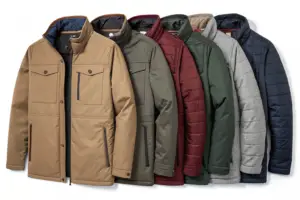
We've helped numerous brands implement successful limited edition programs. One outdoor company releases quarterly limited edition colorways of their bestselling jacket style at 150 units each. These limited releases consistently sell out within days, creating marketing buzz while providing predictable, low-risk revenue streams.
How does low MOQ facilitate trend responsiveness?
Fashion trends move quickly, and the ability to respond can separate successful startups from those that miss opportunities. Low MOQ production enables faster reaction to emerging trends than traditional manufacturing timelines allow.
A Gen Z-focused brand capitalized on a sudden social media trend by designing, producing, and shipping a relevant style in just seven weeks using our low MOQ system. This trend responsiveness would have been impossible with manufacturers requiring 500+ units and 16-week lead times. The style became their top seller that quarter, demonstrating the power of speed in fashion.
How does low MOQ reduce operational complexity?
Startups face enough operational challenges without adding unnecessary complexity from inventory management, sales forecasting, and product lifecycle management. Low MOQ production simplifies these operational aspects during the fragile early stages.
Low MOQ reduces operational complexity by simplifying inventory management, decreasing forecasting difficulty, minimizing markdown requirements, and streamlining product lifecycle decisions. This operational simplicity allows founders to focus on growth rather than logistics.
How does low MOQ simplify inventory management?
Managing 150 units across five styles is fundamentally simpler than managing 500 units across the same styles. The reduced SKU count and lower unit volumes decrease the systems, space, and staff required for effective inventory management.
We've observed that startups using low MOQ approaches spend approximately 40% less time on inventory management compared to similar brands using traditional manufacturing. This operational efficiency founds founders to focus on design, marketing, and customer acquisition—activities that directly drive growth.
How does low MOQ minimize markdown pressure?
Large inventories often lead to aggressive markdowns to clear slow-moving products before new arrivals. Low MOQ reduces this pressure by ensuring you're not overstocked on any single style, preserving both margin and brand value.
A sustainable fashion brand maintained their premium pricing position specifically because they never needed to run significant sales to clear excess inventory. Their pricing integrity became a key brand attribute that attracted customers willing to pay full price for their thoughtfully produced garments.
Conclusion
Low MOQ manufacturing provides startup fashion brands with risk management, financial flexibility, and strategic advantages that align perfectly with the needs of emerging businesses. By starting with production quantities that match your actual market position rather than aspirational forecasts, you create a foundation for sustainable growth.
The most successful startups we've partnered with used low MOQ not as a limitation but as a strategic tool that enabled faster learning, better cash flow, and more responsive operations. They viewed manageable production quantities as features rather than bugs in their business model.
If you're launching a fashion brand and want to explore how low MOQ production could benefit your specific situation, we'd be happy to discuss your options. Contact our Business Director, Elaine, at elaine@fumaoclothing.com to learn how our 150-unit MOQ approach has helped hundreds of startups begin their manufacturing journey successfully.