I got a call at 2 AM once. It was from a client in New York. He was panicked. A shipment of his best-selling women's blouses had arrived at his warehouse, but the store buyers were reporting a problem. The buttonholes on some of the blouses were slightly frayed. It wasn't a structural issue, but it looked sloppy. His brand was about perfection. He couldn't ship them. He needed help, and he needed it now. I got out of bed, drove to our factory, and woke up our sample room manager. We analyzed the problem. It was a slight dulling of the buttonhole machine blade. We fixed the machine, re-trained the operators, and offered to rework the entire affected batch at our cost. The client was able to ship most of the order on time, and we flew a team to his warehouse to fix the rest. It cost us money, but it saved his reputation. And that is everything.
We protect your brand's reputation by treating every garment we make as if our own name was on the label. This means we are obsessive about quality, from the initial fabric inspection to the final carton sealing. It means we have systems in place to catch problems before they leave our factory. But it also means that when something does go wrong, and in manufacturing, things sometimes do, we react immediately and without excuses. We own the problem. We fix it. And we do whatever it takes to make sure your customer never knows there was an issue. This commitment, this obsession, is what we mean when we say we strive day and night for your brand.
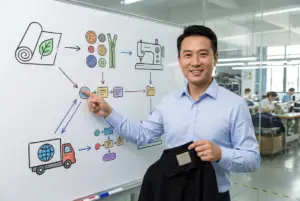
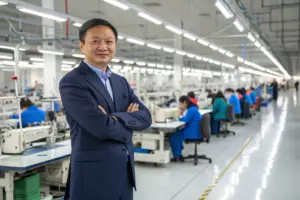
My name is [Your Name], and I own Shanghai Fumao. For over two decades, I have understood that my success is completely tied to my clients' success. If they fail, I fail. So we have built a culture and a set of systems designed to protect the one thing you cannot put a price on: your reputation. Let me share with you the specific ways our team works around the clock to earn and protect your trust.
How Does Our Incoming Quality Control Protect You From Bad Materials?
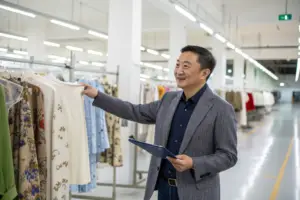
The first moment your brand's reputation is at risk is not when the garment is sewn. It is when the raw materials arrive at our loading dock. If the fabric has flaws, or the trims are substandard, the final garment will be flawed, no matter how good our sewing is. Our incoming quality control team is the first line of defense. They inspect every roll of fabric and every box of buttons before production begins.
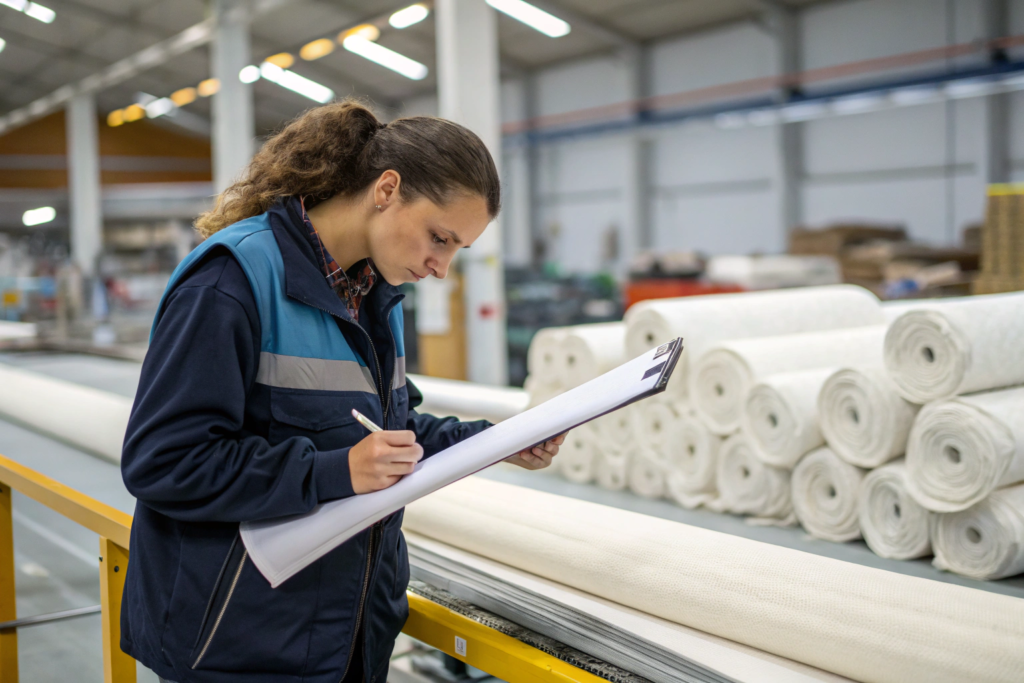
What do we look for during fabric inspection?
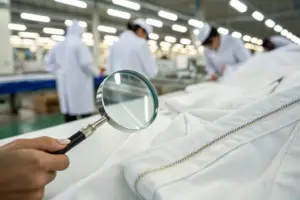
We use a standardized system, often the "four-point system," to grade fabric quality. Our inspectors unroll the fabric and check it on a lighted table. They look for obvious flaws: holes, slubs, dye streaks, shading issues. But they also check the width, the weight (GSM), and the hand feel against the approved sample. If a roll of fabric has too many flaws, we reject it and send it back to the mill. For a client in Boston who makes premium men's shirting, we once rejected three entire rolls of fabric because of subtle shading variations that were within the mill's tolerance but not within our client's standard. The mill was unhappy, but our client's reputation was protected. This rigorous incoming material inspection is a critical first step. Standards for this are published by organizations like ASTM International.
How do we verify trims and accessories?
Buttons, zippers, labels, and threads are small, but they can cause big problems. A button that shatters in the laundry destroys a garment. A zipper that jams makes a customer furious. We test trims before they go to the production line. We check zippers by pulling them 20-30 times. We check buttons for impact resistance. We verify that labels have the correct washing instructions. For a client in Chicago who makes high-end children's wear, we test every single snap to ensure it is securely attached and safe. This attention to detail on trims is part of our commitment to quality assurance from the very start. At Shanghai Fumao, we source many of our trims from certified, reputable suppliers to minimize risk.
How Does Our In-Line Quality Control Catch Defects Early?
Waiting until the end to check quality is too late. If you find a defect after 1,000 pieces are made, you have 1,000 pieces to fix. Our in-line quality control system is designed to catch problems when they are small, after the first 10 or 20 pieces. This protects you from large-scale defects and delays.
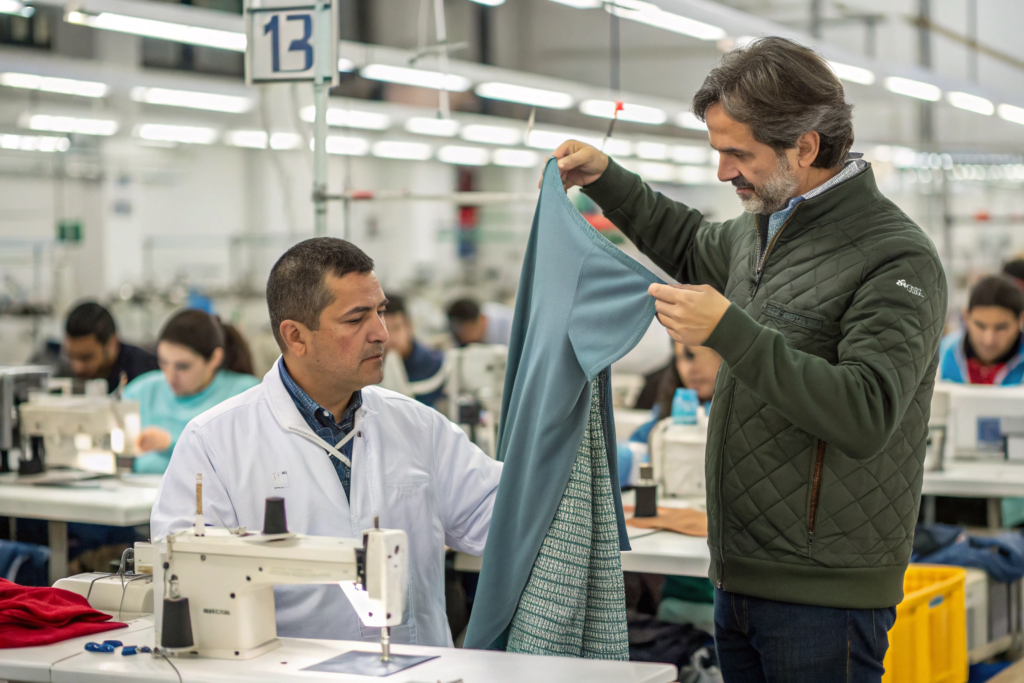
What are "seal checks" and "roving inspections"?
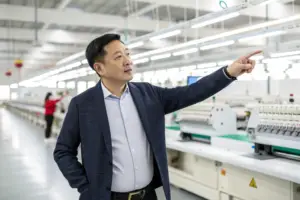
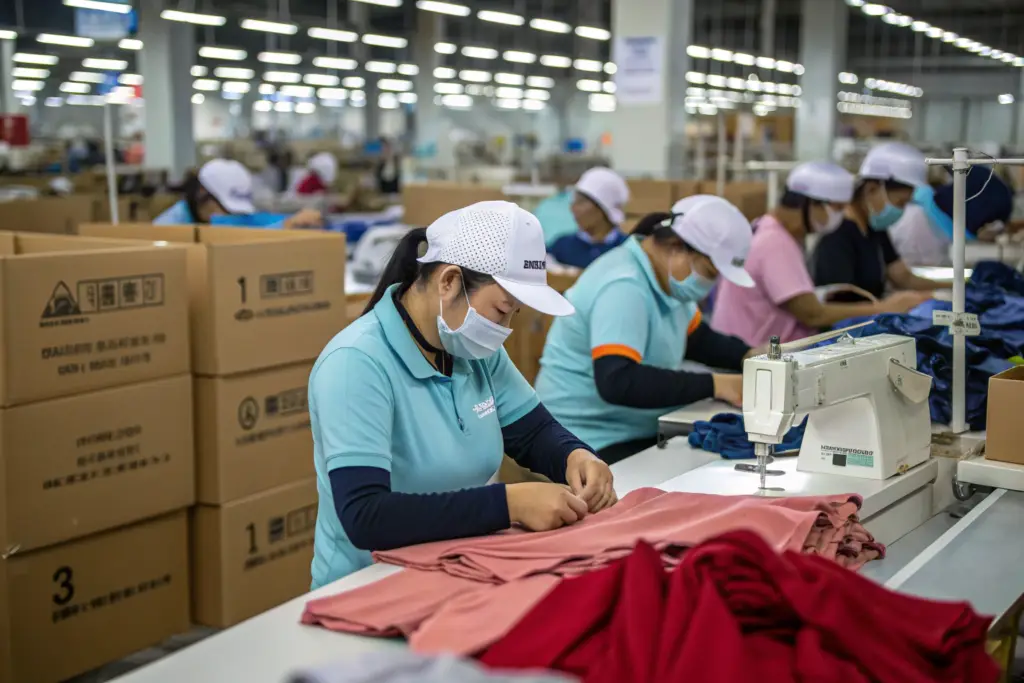
A "seal check" or "top-of-line inspection" happens at the start of production. When a new style starts on the line, the first few garments are pulled and inspected thoroughly by a senior QC inspector. They check every detail against the approved sample and the tech pack. If anything is wrong, the line is stopped, and the problem is fixed before more garments are made. This single step prevents hundreds of defects. In addition, we have "roving inspectors" who walk the lines throughout the day, randomly pulling garments from different operators to check quality. They are a constant presence, a reminder that quality matters at every step. For a complex activewear order for a client in California, a roving inspector caught a tension issue on a seam after only 15 pieces. The machine was adjusted, and the remaining 985 pieces were perfect. This is a core principle of statistical process control in manufacturing.
How do we document and track quality issues?
Every inspection, whether incoming, in-line, or final, is documented. We keep records of every defect found, every machine adjusted, every issue resolved. This data allows us to spot trends. If we see that a particular style has a recurring issue with a specific seam, we can investigate the root cause and fix it permanently. This data also provides you, the client, with transparency. We can show you the quality performance of your order at every stage. For a client in Texas who values data-driven partnerships, we provide a detailed quality report with every shipment. This documentation is part of our quality management system, which aligns with ISO 9001 principles.
How Does Our Final Inspection Process Mirror Your Customer's Expectations?
The final inspection is the last gate. Before any garment is packed into a carton and shipped, it must pass our final quality check. This inspection is designed to see the garment as your customer would see it. We are not just checking for technical defects. We are checking for anything that would disappoint the person who buys it.
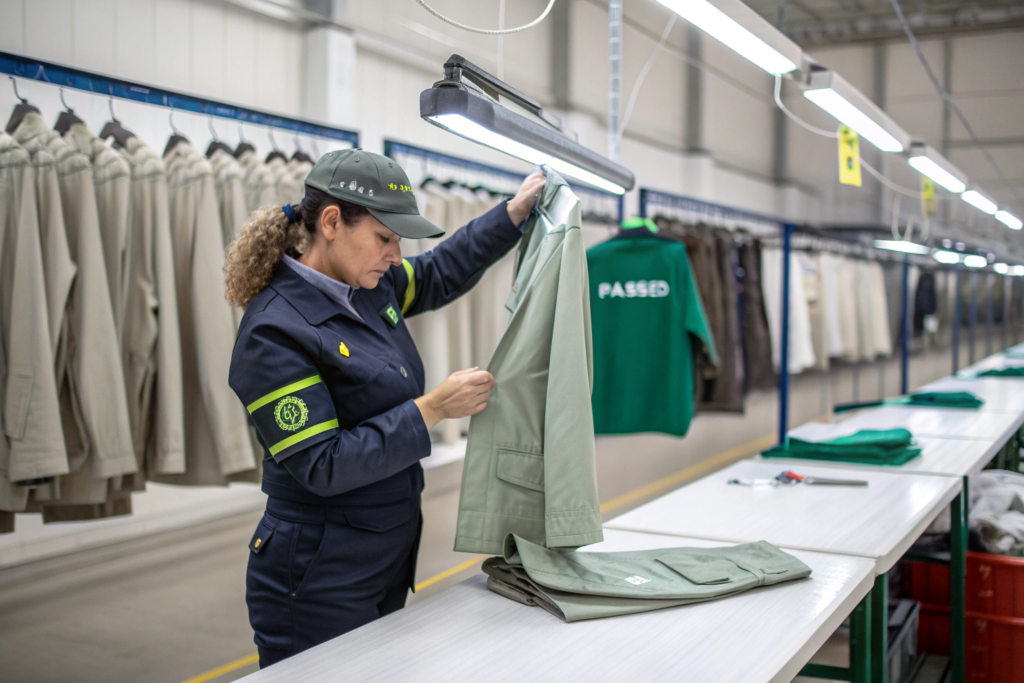
What does a final inspection check?
Our final inspectors check every aspect of the finished garment. They check the fit against a sample on a mannequin. They check all the seams for strength and appearance. They check the buttons and buttonholes. They check for loose threads, stains, or pressing issues. They check the packaging, ensuring the polybag is clean and the carton is strong. They use an AQL (Acceptable Quality Limit) sampling plan, which is an industry standard. This means they inspect a statistically valid sample of the order and only pass it if the number of defects is below an agreed-upon level. For a luxury client in New York, we use a tighter AQL than the industry standard because their customers expect perfection. This final check is the culmination of our quality control process.
What happens when we find defects at final inspection?
If our final inspection finds too many defects, the order does not ship. Period. We stop the process and alert the client. Then we sort through every garment, rework the defects, and re-inspect. We do not cut corners. A few years ago, for a client in Seattle, we found a batch of t-shirts with a subtle printing misalignment. It was minor, but it was there. We rejected the entire batch, reprinted them, and delayed the shipment by a week. We absorbed the cost. The client was stressed about the delay, but they were grateful that we didn't send flawed goods. Their customers never saw a bad product. That is our priority. This willingness to sacrifice short-term profit for long-term reputation is what defines a true partner.
How Does Our Logistics Team Ensure Safe And Timely Delivery?
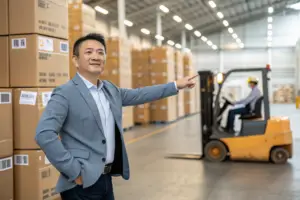
Your brand's reputation is also affected by how the product arrives. If the cartons are damaged, or if the shipment is late, your customer blames you. Our logistics team works just as hard as our production team to ensure that your goods arrive safely and on time, every time.
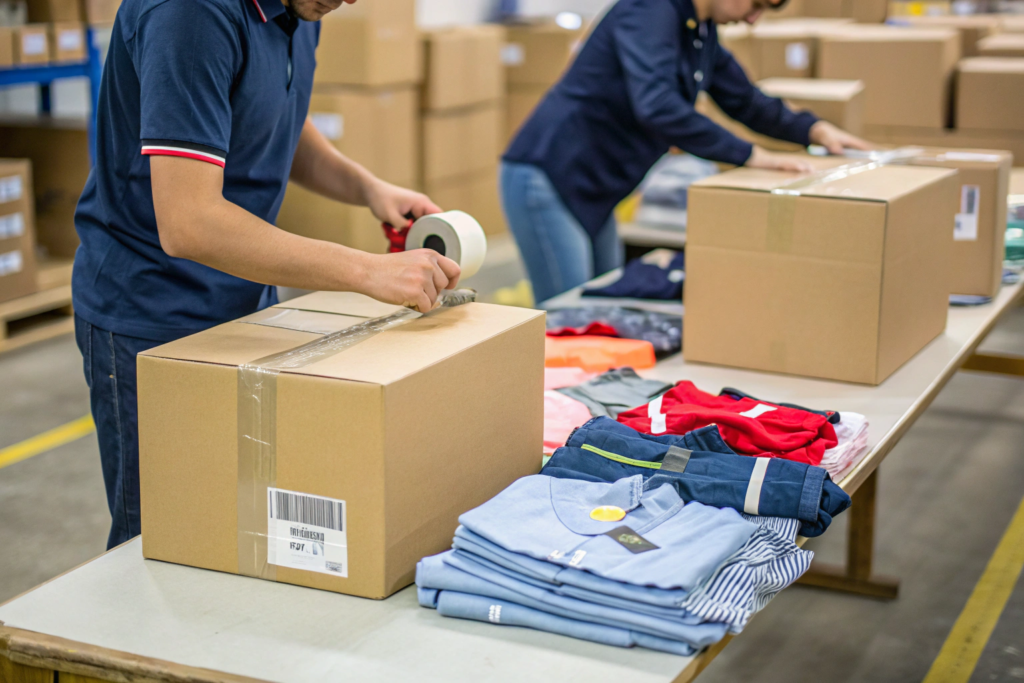
How do we pack garments to prevent damage?
Packing is not an afterthought. We have specific packing instructions for different types of garments. Delicate items are folded with acid-free tissue paper. Items that could be crushed are packed in sturdy cartons with proper support. We use the right size carton, so garments are not crammed in and wrinkled. We also include desiccant packs for shipments that might encounter humidity. For a client in Florida who imports lightweight linen garments, we use specialized packing to prevent creasing during the long sea voyage. This attention to the final presentation is part of the overall customer experience.
How do we ensure on-time delivery?
Our logistics team plans the shipment from the moment the order is confirmed. They book cargo space early, especially during peak seasons. They track the production schedule daily and adjust shipping plans if needed. They handle all the documentation, from the packing list to the bill of lading, to ensure no customs delays. And they communicate with you every step of the way. If a ship is delayed by weather, we tell you immediately, with a new estimated arrival. For a client in Boston who was launching a new collection for a specific date, our logistics team worked backward from that date to create a schedule. We hit every milestone, and the collection arrived with two weeks to spare. This is the result of meticulous logistics planning and execution.
Conclusion
Protecting your brand's reputation is not a single action. It is a mindset that permeates everything we do. It starts with inspecting raw materials before a single piece is cut. It continues with constant vigilance on the production line, catching small issues before they become big problems. It is validated by a rigorous final inspection that sees the garment through your customer's eyes. And it is completed by careful packing and reliable shipping that ensures the product arrives in perfect condition. When something goes wrong, and we are human, so things sometimes do, we own it, we fix it, and we do whatever it takes to make it right.
At Shanghai Fumao, this is our daily reality. We have QC teams working on the floor at all hours. Our managers are on call 24/7 for client emergencies. Our logistics team is constantly monitoring shipments. We have flown teams across the world to rework garments in a client's warehouse. We have rejected our own work at a financial loss because it wasn't perfect enough for your customer. This is not just business for us. It is personal. Your brand's name on that label is also our reputation.
We helped a client in New York recover from a near-disaster with buttonholes, saving their relationship with a major retailer. We guided a startup in Austin through their first production, ensuring every garment met the high standards they had promised their customers. We have been the silent guardian of countless brands' reputations for over 20 years.
If you are looking for a partner who will treat your brand's reputation as their own, let's talk. Let us show you what it means to have a factory that strives day and night for your success. Please contact our Business Director, Elaine, at elaine@fumaoclothing.com to discuss how we can protect what you've built.