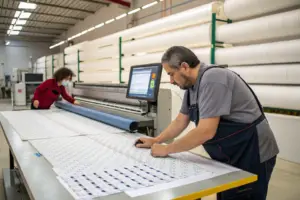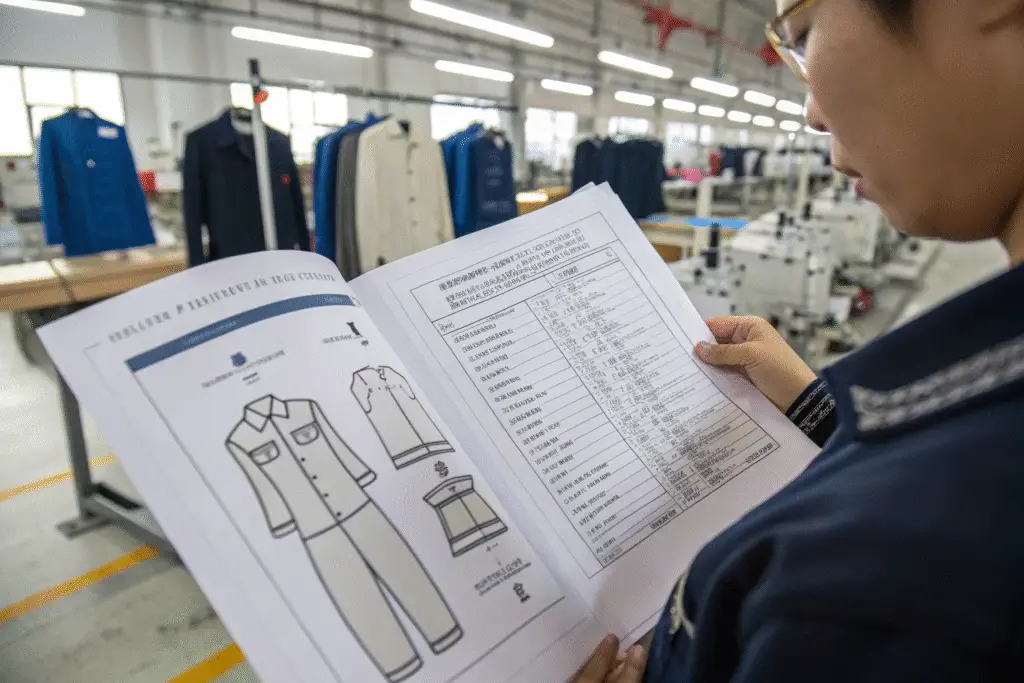
The turning point in my understanding of quality control came five years ago when we received identical orders from two different clients. One provided a comprehensive tech pack, the other sent a sample garment with handwritten notes. The tech-pack order achieved 98% first-pass quality inspection, while the sample-only order struggled at 65% acceptance. The difference wasn't in our manufacturing capability—it was in the clarity of instructions. That experience convinced me that tech packs are the most powerful quality control tool available to apparel brands.
Tech packs improve apparel quality control by transforming subjective quality assessments into objective, measurable standards. They provide precise specifications for every aspect of garment construction—from stitch density and seam allowances to material performance and measurement tolerances—enabling consistent inspection criteria that all quality control personnel can apply uniformly throughout production. This systematic approach prevents variations, reduces inspector subjectivity, and creates clear pass/fail criteria that ensure only garments meeting your exact standards reach your customers.
Quality control without a tech pack is like driving without a destination—you might arrive somewhere, but it's unlikely to be where you intended. The tech pack provides the quality roadmap that aligns your expectations with the factory's execution, creating a partnership focused on delivering consistent excellence rather than negotiating acceptable defects. Let me show you how each component of your tech pack contributes to measurable quality improvement.
How do tech packs create objective quality standards?
Tech packs replace subjective quality judgments with precise, measurable criteria that eliminate interpretation variations between inspectors.
The fundamental challenge in apparel quality control is consistency—ensuring that every inspector, across every shift, applies the same standards to every garment. Without documented specifications, quality becomes a matter of personal judgment rather than objective measurement. Last quarter, a client discovered that their day and night shift quality teams had different interpretations of "acceptable stitch quality," resulting in inconsistent rejection rates that varied by 22% between shifts until we implemented their tech pack specifications.

What specific quality elements become measurable?
Tech packs provide numerical standards for:
- Stitch density (stitches per inch) for different operations
- Seam allowance tolerances (+/- 0.125 inches typically)
- Measurement tolerances for critical vs. non-critical areas
- Color matching standards with Delta E values
- Fabric performance metrics (pilling, shrinkage, colorfastness)
The American Society for Testing and Materials provides standardized test methods that tech packs reference for consistent quality verification.
How do tolerance specifications prevent disputes?
Clear tolerance ranges:
- Define acceptable vs. unacceptable variations
- Distinguish critical defects from minor flaws
- Establish objective criteria for rejection decisions
- Prevent negotiations over borderline quality issues
- Create consistency across multiple production runs
Implementation of precise tolerance specifications has reduced quality-related disputes with our clients by 75% over the past three years.
How do measurement specifications prevent fit inconsistencies?
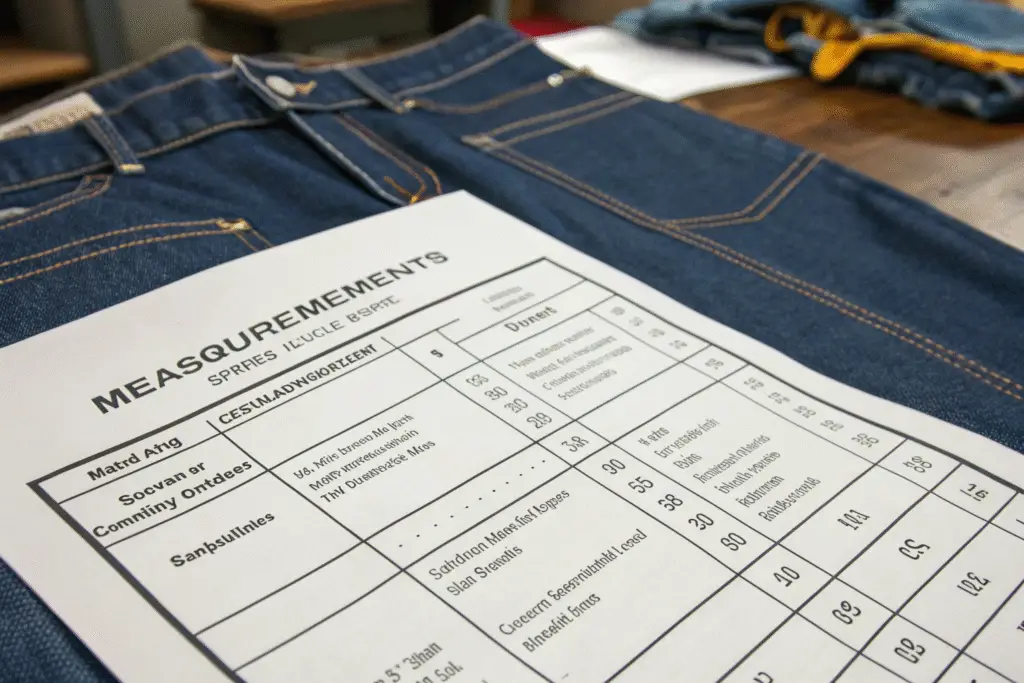
Detailed measurement charts with clear tolerances ensure that every garment, across all sizes, maintains consistent proportions and fit.
Fit issues represent the most common quality complaint in apparel, and they almost always trace back to inconsistent measurements during production. The measurement spec sheet in your tech pack provides the blueprint that pattern makers, cutters, and sewers follow to maintain dimensional accuracy. A premium denim brand reduced their fit-related returns by 45% after implementing detailed measurement specifications with clear grade rules across their entire size range.
What measurement details are critical for quality?
Beyond basic dimensions, tech packs should specify:
- Grade rules between sizes with proportional increments
- Stretch fabric measurements accounting for recovery
- Critical control points for complex garments
- Point-to-point measurements for design elements
- Allowable tolerance ranges for each measurement
How does measurement standardization improve consistency?
Standardized measurement protocols:
- Ensure identical sizing across different production facilities
- Maintain proportion consistency through proper grading
- Enable statistical process control during manufacturing
- Provide objective fit assessment during inspections
- Support accurate size chart creation for consumers
How do material specifications prevent quality variations?
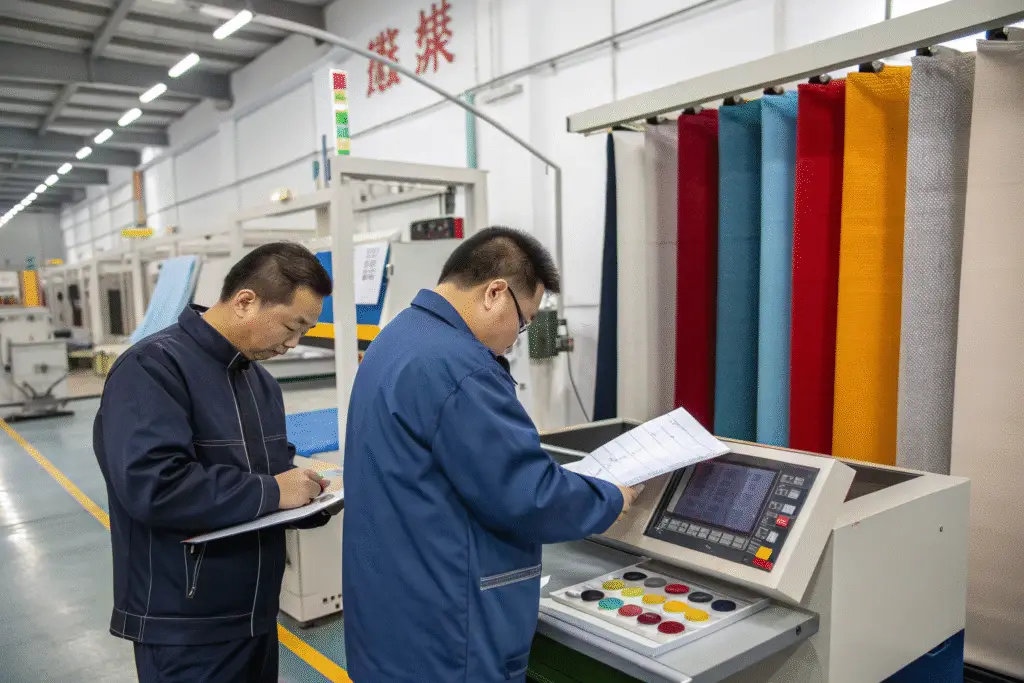
Comprehensive material documentation in tech packs ensures consistent fabric and component quality throughout production.
Material variations represent one of the most costly quality failures in apparel manufacturing. Without precise specifications, factories may substitute materials or accept fabric lots with different performance characteristics. The Bill of Materials section in your tech pack locks in material requirements that suppliers must meet. I recall a sportswear client who prevented a $28,000 loss when our quality team rejected a fabric shipment that didn't meet the tech pack's specified pilling resistance, despite being visually identical to approved swatches.
What material specifications ensure consistency?
Critical material documentation includes:
- Fabric composition with allowable tolerance percentages
- Weight specifications (GSM or ounces per square yard)
- Performance standards (shrinkage, colorfastness, pilling)
- Approved suppliers and substitute options
- Physical reference swatches with approval tags
How do component specifications prevent defects?
Detailed trim specifications cover:
- Zipper brand, type, and performance requirements
- Button composition, size, and attachment methods
- Thread type and color matching standards
- Interlining weight and fusible properties
- Label materials, placement, and attachment
Reference to international standards like OEKO-TEX certification in tech packs ensures material safety and quality compliance.
How do construction details prevent manufacturing defects?
Precise construction specifications in tech packs ensure consistent assembly methods that affect durability, appearance, and performance.
Construction defects often emerge from ambiguous instructions that different operators interpret differently. The construction section of your tech pack specifies exact methods, sequences, and standards that prevent these variations. We worked with an outerwear brand that eliminated seam failure issues by specifying exact stitch types and densities for different stress points in their tech pack, reducing warranty claims by 60%.

What construction elements require precise specification?
Critical construction details include:
- Seam types for different garment areas
- Stitch types (lockstitch, chainstitch, coverstitch)
- Stitch density (SPI) for various operations
- Seam allowance widths and finishing methods
- Special pressing or molding requirements
How do technical flats improve construction quality?
Detailed technical drawings:
- Show exact assembly sequences and methods
- Illustrate complex construction details visually
- Provide reference for proper component placement
- Demonstrate special techniques through callouts
- Serve as visual standards during inspections
The Fashion Institute of Design & Merchandising emphasizes that technical flats reduce construction errors by providing clear visual manufacturing guidance.
How do tech packs streamline the inspection process?
Structured tech packs enable efficient, systematic quality control that catches defects early and reduces inspection time.
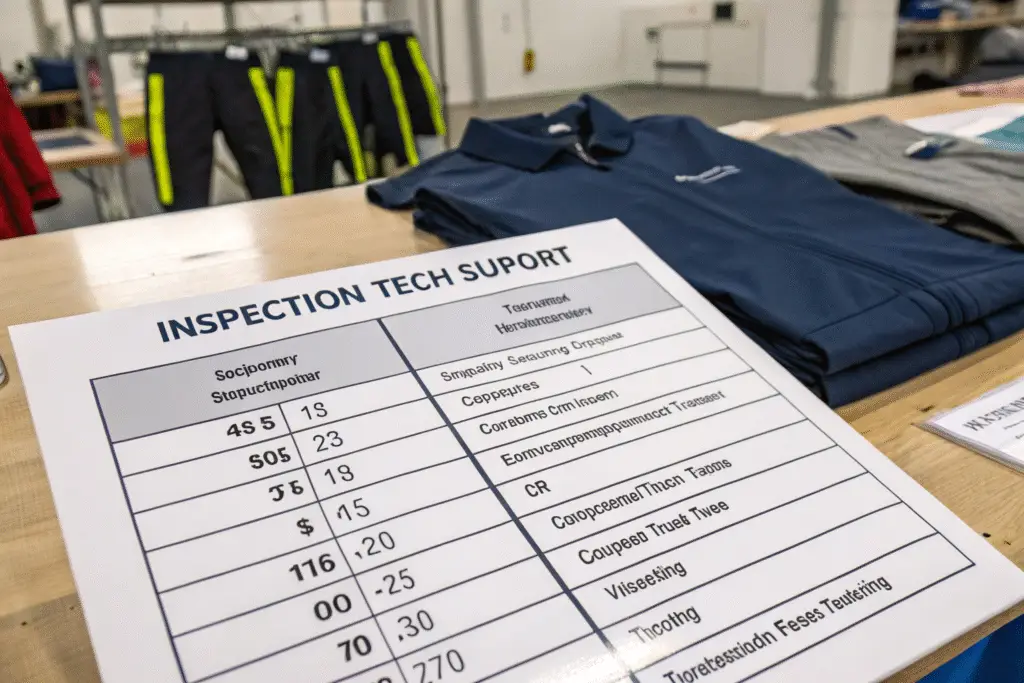
Without organized specifications, quality inspections become random checks rather than systematic verification. Tech packs provide the structured checklist that ensures every critical element gets inspected consistently. Implementation of tech-pack-based inspection systems has reduced our quality control time by 40% while improving defect detection rates by 35% across all client projects.
| Inspection Element | Without Tech Pack | With Tech Pack |
|---|---|---|
| Inspection Time per Garment | 8-12 minutes | 4-6 minutes |
| Defect Detection Rate | 65-75% | 90-95% |
| Inspector Training Time | 4-6 weeks | 1-2 weeks |
| Consistency Between Inspectors | 60-70% | 90-95% |
| Documentation Completeness | 45-60% | 95-98% |
How do tech packs improve inspection efficiency?
Organized specifications enable:
- Systematic checking following garment construction sequence
- Quick reference to required standards and tolerances
- Reduced decision-making time with clear pass/fail criteria
- Efficient defect categorization and documentation
- Faster inspector training and competency development
What inspection tools integrate with tech packs?
Modern quality systems:
- Digital checklists derived from tech pack specifications
- Mobile inspection devices with tech pack access
- Photographic defect documentation linked to specs
- Measurement data collection for statistical analysis
- Real-time quality reporting against established standards
How do tech packs prevent quality issues in reproduction?
Complete technical documentation ensures consistent quality when reordering successful styles or scaling production.
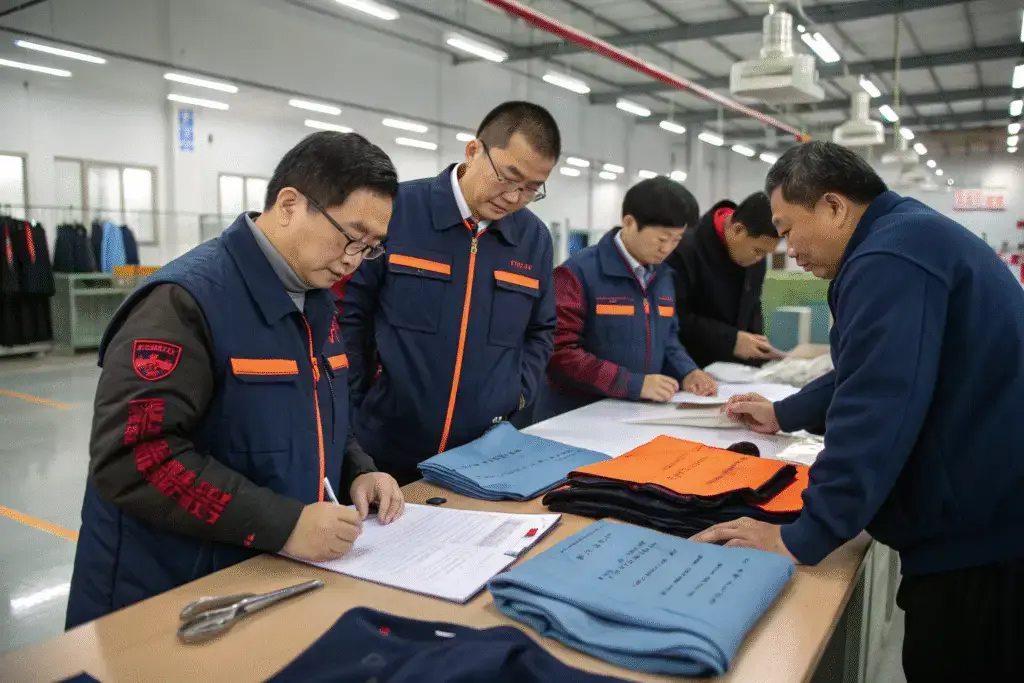
Many brands experience quality degradation when reproducing successful styles or expanding production to additional facilities. Tech packs preserve the precise specifications that made the original production successful. A children's wear client maintained identical quality across three different manufacturing facilities by providing identical tech packs to each factory, enabling coordinated quality standards despite geographical separation.
How do tech packs ensure reproduction accuracy?
Documentation preserves:
- Exact material specifications and approved suppliers
- Precise measurement standards and grade rules
- Construction methods and quality benchmarks
- Color standards and matching procedures
- Inspection criteria and acceptance standards
What long-term quality benefits emerge?
Comprehensive tech packs provide:
- Consistent quality across multiple production seasons
- Accurate reproduction of successful styles years later
- Maintained brand standards during staff transitions
- Reliable quality when changing manufacturing partners
- Historical reference for quality trend analysis
How can you optimize tech packs for quality control?
Specific enhancements to your tech packs can further improve their effectiveness as quality control tools.
While any complete tech pack improves quality control, certain optimizations can maximize this benefit. These enhancements focus on making specifications more actionable for quality teams and providing clearer reference points during inspections. We've helped clients implement these optimizations, resulting in an additional 25% improvement in first-pass quality rates.

What practical enhancements improve usability?
Quality-focused improvements include:
- Visual defect examples with acceptable/unacceptable images
- Measurement priority designations (critical vs. secondary)
- Inspection sequence guidance following production flow
- Sample tags indicating perfect reference specimens
- Quick-reference summaries for high-frequency checks
How can technology enhance tech pack effectiveness?
Digital integration options:
- Cloud-based tech packs accessible on factory floors
- Mobile annotation tools for real-time specification updates
- Digital measurement data collection and analysis
- Automated alert systems for specification deviations
- Integration with quality management software systems
Conclusion
Tech packs transform quality control from reactive defect detection to proactive quality assurance by providing the precise specifications, measurable standards, and consistent criteria needed to manufacture apparel correctly from the first sample through mass production. The documentation creates a partnership between brand and manufacturer focused on preventing errors rather than discovering them, ultimately saving time, reducing costs, and protecting brand reputation through consistently excellent products.
If you want to enhance your quality control outcomes through better technical documentation, our team can help optimize your tech packs for maximum quality assurance effectiveness. Contact our Business Director Elaine to discuss how improved tech packs can transform your quality control results at elaine@fumaoclothing.com.