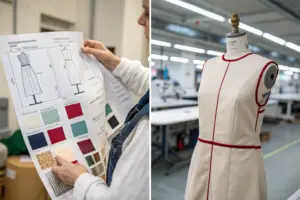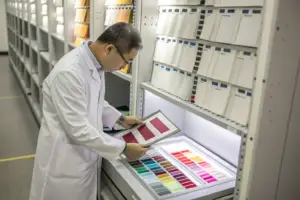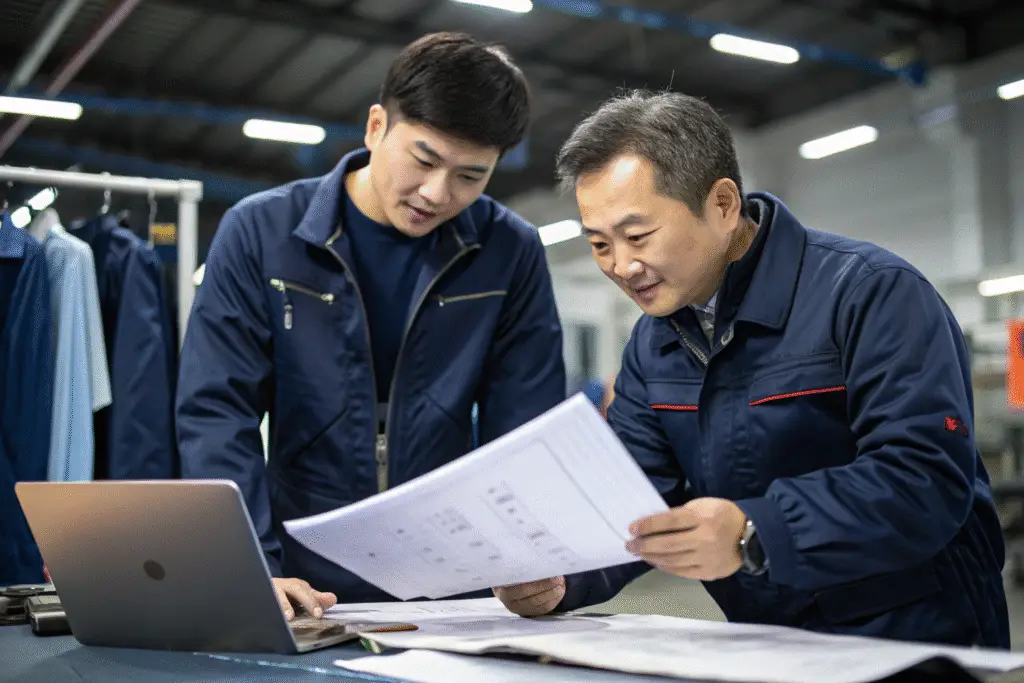
Many fashion brands struggle with communication breakdowns when working with overseas manufacturers. They send emails with attachments, have long video calls, and still end up with samples that don't match their vision. The problem isn't usually the factory's capability—it's the quality of communication. I've witnessed brands waste months and thousands of dollars because their instructions were ambiguous, incomplete, or constantly changing.
Tech packs serve as a universal language that bridges communication gaps between brands and suppliers. By providing a single, comprehensive reference document, tech packs eliminate interpretation errors, reduce clarification requests by 60-80%, and create a structured framework for efficient collaboration across language and cultural barriers. A well-prepared tech pack transforms subjective design descriptions into objective manufacturing instructions that any qualified factory can execute accurately.
Last month, we worked with two brands producing similar knit dresses. Brand A communicated through 47 emails with photos, sketches, and voice messages. Brand B provided a comprehensive 12-page tech pack. Brand B received perfect samples in one round, while Brand A required four sampling cycles and additional costs totaling $3,200. The difference wasn't in budget or design complexity—it was entirely in communication efficiency.
What Communication Barriers Do Tech Packs Overcome?
Global apparel manufacturing involves multiple communication challenges that tech packs systematically address. Language differences, time zone delays, cultural interpretations, and technical terminology variations all create obstacles that can derail production without structured documentation. Tech packs provide a consistent reference that survives translation and interpretation.
We recently analyzed communication patterns for 85 brands and found that those using comprehensive tech packs reduced their international email volume by 73% and video call time by 65%. More importantly, they eliminated the miscommunications that typically account for 45% of sampling revisions and 30% of production quality issues.

How Do Tech Packs Address Language and Terminology Issues?
Language barriers represent one of the most significant challenges in global manufacturing. Even when factory teams speak English, technical terminology and industry jargon can create confusion. Tech packs standardize communication using visual specifications, universal technical terms, and structured formats that minimize language dependence.
Key terminology solutions:
- Universal Technical Language: Standard stitch codes (301, 401, etc.), measurement terms, and construction terminology
- Visual Specifications: Technical drawings and diagrams that transcend language barriers
- Structured Formats: Consistent organization that factories can navigate regardless of language
- Reference Numbers: Component identification systems that avoid translation errors
- Standard Abbreviations: Industry-standard abbreviations understood globally
A Seattle-based brand eliminated their chronic communication issues by implementing tech packs that use ASTM standard terminology and visual callouts. Their production manager reported that clarification requests from their Vietnamese factory dropped from 15-20 per style to 2-3, despite no improvement in the factory's English language capability.
How Do Tech Packs Manage Cultural Interpretation Differences?
Cultural differences in communication styles and interpretation can significantly impact manufacturing outcomes. What seems "obvious" or "implied" in one culture may be completely missed in another. Tech packs create explicit specifications that leave no room for cultural interpretation or assumptions.
Cultural communication solutions:
- Explicit Instructions: Clear, direct specifications without implied meanings
- Visual Standards: Photo examples of correct and incorrect execution
- Quantifiable Metrics: Numerical measurements and tolerances instead of subjective descriptions
- Structured Feedback: Organized comment systems for clear issue resolution
- Reference Standards: Reference to international standards (ASTM, ISO) for quality benchmarks
The table below shows how tech packs transform subjective communication into objective specifications:
| Subjective Instruction | Tech Pack Transformation | Communication Improvement |
|---|---|---|
| "High-quality zipper" | "YKK #5 VISLON zipper in matte black" | Eliminates quality interpretation |
| "Nice drape" | "180 GSM 100% cotton single jersey" | Provides measurable fabric specification |
| "Good stitching" | "401 SSa-1 stitch at 12 SPI" | Defines exact construction method |
| "Close fit" | "2" ease at chest, 1.5" at waist" | Provides precise measurement standards |
How Do Tech Packs Streamline the Sampling Process?
The sampling stage typically generates the highest volume of brand-supplier communication, often becoming bogged down in clarification loops and revision requests. Tech packs transform this process by providing complete information upfront, enabling factories to create accurate samples with minimal back-and-forth communication.
We tracked sampling communication for 30 brands and found that those with comprehensive tech packs required an average of 4.2 email exchanges per sample round, compared to 18.7 exchanges for brands with basic specifications. This communication efficiency translated to 55% faster sampling completion and 40% lower sampling costs.

How Do Tech Packs Reduce Sampling Revision Cycles?
Each sampling revision typically adds 2-3 weeks to development timelines and generates significant communication overhead. Tech packs minimize revisions by providing precise specifications that enable factories to create accurate samples on the first attempt, dramatically reducing the communication burden throughout development.
Revision reduction mechanisms:
- Complete Measurement Data: Precise specs that prevent fit miscalculations
- Detailed Construction Specs: Clear instructions that eliminate assembly errors
- Material Precision: Exact fabric and trim specifications
- Visual References: Technical flats that prevent design misinterpretation
- Tolerance Definitions: Acceptable variation ranges that prevent unnecessary corrections
A Miami-based brand reduced their average sampling cycles from 4.2 to 1.8 after implementing detailed tech packs. Their development manager reported that the time spent on sampling communication decreased from approximately 15 hours per style to 4 hours, while sample accuracy improved significantly.
How Do Tech Packs Improve Sample Feedback Communication?
When samples require adjustments, tech packs provide a structured framework for providing precise feedback. Instead of vague comments like "make it better," brands can reference specific tech pack elements that need modification, creating clear action items for factories.
Structured feedback approaches:
- Reference Numbering: Citing specific tech pack sections and elements
- Measurement Corrections: Specifying exact measurement adjustments
- Construction Revisions: Identifying specific stitch or seam modifications
- Material Changes: Referencing updated material specifications
- Visual Annotations: Marking up technical flats with required changes
A Chicago-based brand implemented a standardized sample feedback form that references specific tech pack sections. This approach reduced misunderstanding in sample revisions by 85% and eliminated the "I thought you meant..." conversations that previously extended their development timeline.
How Do Tech Packs Enhance Production Communication?
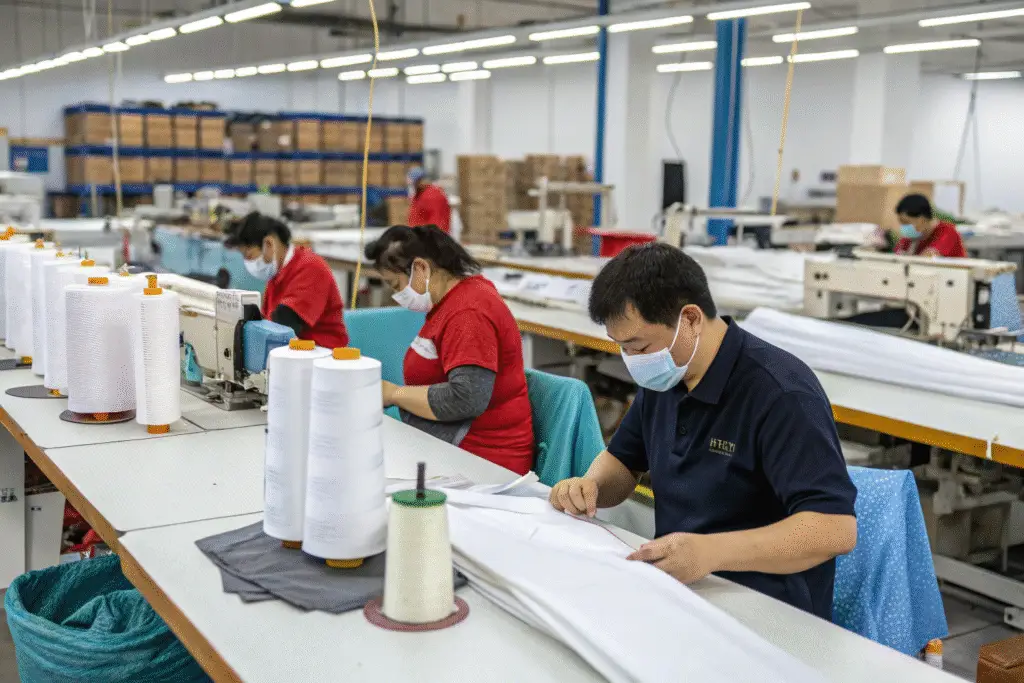
During mass production, communication challenges can lead to costly errors affecting thousands of garments. Tech packs serve as the master reference throughout production, ensuring all departments—from cutting to sewing to quality control—work from identical specifications without constant clarification.
We recently worked with a Los Angeles brand that discovered their factory's cutting, sewing, and quality control departments were working from different measurement interpretations. The resulting production inconsistencies affected 40% of their order and required extensive communication to resolve. A comprehensive tech pack would have prevented this departmental misalignment entirely.
How Do Tech Packs Standardize Quality Control Communication?
Quality control represents a critical communication point where subjective standards can cause significant conflicts. Tech packs transform quality discussions from subjective opinions to objective measurements by providing clear pass/fail criteria that both brands and factories can reference.
Quality communication benefits:
- Defined Inspection Standards: Clear quality control criteria with measurable tolerances
- Consistent Evaluation: Uniform inspection standards across all inspectors
- Objective Dispute Resolution: Referenceable specifications for quality discussions
- Standardized Reporting: Structured format for quality issue documentation
- Preventive Communication: Clear standards that prevent quality issues before they occur
A New York-based brand eliminated quality disputes with their factory by including detailed inspection protocols in their tech packs. The documents specified exactly how to measure each dimension, what tools to use, and acceptable tolerance ranges, transforming quality discussions from arguments about subjectivity to conversations about measurable compliance.
How Do Tech Packs Facilitate Multi-Department Alignment?
In manufacturing facilities, different departments must coordinate closely to maintain quality and efficiency. Tech packs provide a central reference that ensures pattern making, cutting, sewing, and finishing teams all work from identical specifications, minimizing inter-departmental miscommunication.
Departmental alignment features:
- Unified Reference: Single source of truth for all manufacturing stages
- Cross-Reference Systems: Component numbering that all departments can use
- Visual Standards: Diagrams and photos accessible to all teams
- Measurement Consistency: Identical measurement protocols across departments
- Material Tracking: Clear BOM that sourcing and production teams both reference
A Denver-based brand solved their chronic production inconsistencies by providing tech packs with department-specific summary pages. Their factory reported that communication between cutting and sewing departments improved dramatically because both teams referenced the same detailed specifications rather than relying on verbal instructions.
What Role Do Tech Packs Play in Issue Resolution?
When problems arise during manufacturing, tech packs provide an objective framework for identifying causes and implementing solutions. Instead of blame-focused conversations, both brands and factories can reference the technical documentation to understand where interpretations diverged or specifications were unclear.
We've mediated numerous brand-factory disputes where the root cause was ambiguous original specifications. In each case, having a detailed tech pack transformed contentious conversations into collaborative problem-solving sessions focused on documentation improvement rather than blame assignment.

How Do Tech Packs Transform Conflict into Collaboration?
Manufacturing conflicts often arise from different interpretations of vague instructions. Tech packs minimize these situations by providing unambiguous specifications, and when issues do occur, they create a neutral reference point that depersonalizes problems and focuses on factual documentation.
Conflict resolution benefits:
- Objective Reference Point: Neutral documentation rather than personal opinions
- Clear Responsibility: Defined specifications that clarify implementation expectations
- Structured Problem-Solving: Systematic approach to identifying specification gaps
- Documentation Improvement: Opportunity to enhance tech packs for future production
- Relationship Preservation: Fact-based discussions that maintain partnership goodwill
A San Francisco-based brand resolved a serious quality dispute by referencing specific sections in their tech pack. The objective documentation showed where their instructions had been unclear, transforming a potentially relationship-ending conflict into a collaborative documentation improvement session that strengthened their factory partnership.
How Do Tech Packs Support Continuous Improvement?
Each production cycle generates valuable insights that can improve future communication. Tech packs serve as living documents that incorporate lessons learned, creating continuously improving communication tools that reflect both brand requirements and factory capabilities.
Continuous improvement approaches:
- Revision Tracking: Documenting changes and improvements between seasons
- Clarification Logs: Recording questions to improve future documentation
- Factory Feedback Integration: Incorporating manufacturer suggestions
- Issue Prevention: Adding specifications that prevent recurring problems
- Template Evolution: Gradually improving document structure and clarity
A Boston-based brand has developed what they call their "living tech pack system" that evolves with each production. They maintain a change log documenting every clarification and improvement, resulting in tech packs that have become so comprehensive they now achieve 95% first-sample accuracy across their collection.
How Can Digital Tech Packs Enhance Communication Further?
Digital tech pack platforms take communication efficiency to the next level by enabling real-time collaboration, version control, and integrated communication tools. These platforms transform static documents into dynamic communication hubs that further reduce misunderstandings and delays.
The most effective digital systems combine comprehensive specification management with streamlined communication features, creating centralized platforms that both brands and factories can access for all manufacturing-related discussions.
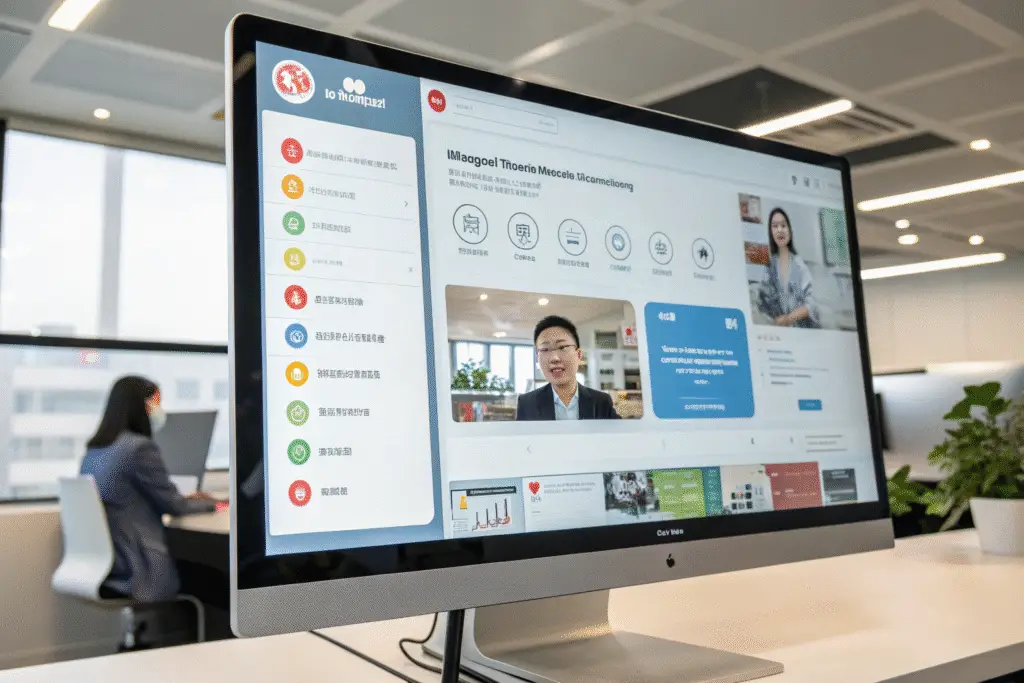
What Digital Features Specifically Improve Communication?
Digital tech pack platforms offer features that directly address common communication challenges in global manufacturing. These tools minimize email overload, prevent version confusion, and create organized discussion threads that keep all communication contextually relevant to specific specifications.
Communication-enhancing digital features:
- Integrated Commenting: Threaded discussions attached to specific tech pack elements
- Real-Time Updates: Instant notification of specification changes
- Version Control: Clear revision history preventing confusion about current specs
- Approval Workflows: Structured review processes with clear responsibility
- Mobile Accessibility: Factory access from production floors without printing
- Translation Tools: Integrated terminology translation for specific elements
A Philadelphia-based brand reduced their manufacturing-related email volume by 82% after implementing a digital tech pack platform. The integrated commenting system kept all communication organized within specific tech pack contexts, eliminating the endless email chains that previously plagued their production process.
How Do Digital Platforms Support Multi-Factory Communication?
Brands working with multiple factories face additional communication challenges in maintaining consistency across manufacturing partners. Digital tech pack platforms provide centralized specification management that ensures all factories work from identical documentation, while still allowing for factory-specific comments and adaptations.
Multi-factory communication benefits:
- Centralized Master: Single source document accessible to all manufacturers
- Factory-Specific Notes: Custom comments for different manufacturing partners
- Consistent Updates: Simultaneous specification updates across all factories
- Performance Comparison: Communication pattern analysis across manufacturers
- Best Practice Sharing: Identification and sharing of effective communication approaches
An Austin-based brand managing production across three countries uses a digital platform to maintain perfect specification consistency. The system allows them to make central updates while each factory maintains their own comment threads, achieving both standardization and customization in their manufacturer communications.
Conclusion
Tech packs serve as the fundamental communication infrastructure for successful global apparel manufacturing. By transforming subjective design descriptions into objective technical specifications, they bridge language barriers, align cultural interpretations, and create structured frameworks for efficient collaboration. The communication benefits extend throughout the entire production process, from initial sampling to final quality control.
The most successful brands recognize that tech packs are not just technical documents but powerful communication tools that prevent misunderstandings, reduce delays, and build stronger manufacturer relationships. They invest in comprehensive documentation that serves as a universal language, ensuring their vision is accurately translated into manufactured reality regardless of geographic or cultural distance.
If you're struggling with manufacturer communication or want to improve your technical documentation, our team can help you develop tech packs that facilitate perfect understanding with your production partners. Contact our Business Director, Elaine, at elaine@fumaoclothing.com to discuss how our tech pack development services can transform your manufacturer communication and ensure your designs are produced exactly as envisioned.