Payment terms might seem like just another line in your supplier contract, but they directly control the lifeblood of your business: cash flow. Making the wrong choice can leave you cash-strapped during critical selling seasons, while smart terms can give you the flexibility to grow. Understanding this financial leverage is key to running a profitable apparel brand.
Payment terms directly impact your clothing business cash flow by determining when money leaves your account versus when you receive inventory to sell. Longer payment terms conserve cash for operations and marketing, while demanding terms can strain finances before you generate any revenue from the goods.
This article breaks down how different payment structures affect your working capital. We'll show you how to align terms with your sales cycle to maintain healthy finances throughout the year.
How Do Upfront Costs Strain New Brands?
For new and growing brands, cash is often the biggest constraint. Payment terms that demand large sums before production even begins can choke your ability to fund other essential business activities, from marketing to rent.
Upfront costs like deposits and material fees strain new brands by tying up critical working capital for weeks or months before any sellable product is available. This can limit marketing spend, sample development, and overall operational agility during the crucial early growth phase.
The strain isn't just about having less money in the bank. It creates specific operational bottlenecks that can hinder growth.

Why is Marketing Budget Often the First Casualty?
When a large portion of your capital is locked in a production deposit, discretionary spending gets cut. The most common casualty is the marketing budget. You need inventory to sell, but you also need customers to buy it. Without funds for social media advertising, influencer collaborations, or SEO, your beautiful products may launch into silence. A brand we worked with in 2023 allocated 70% of their startup capital to a 50% deposit for their first collection. This left them unable to fund a planned pre-launch campaign, drastically slowing their initial sales momentum.
How Can Tight Cash Flow Affect Order Sizes and Pricing?
Cash flow pressure forces conservative decisions. You might order a smaller minimum order quantity (MOQ) than is cost-effective to preserve cash, resulting in a higher cost per unit. This, in turn, squeezes your profit margin or forces higher retail prices, making you less competitive. Alternatively, you might feel pressured to choose cheaper materials or a less experienced factory to lower the upfront cost, potentially compromising quality. It's a dangerous cycle where cash constraints lead to poor strategic choices that further weaken the business.
Can Negotiating Longer Terms Improve Your Buying Power?
"Buying power" isn't just about the price per piece. It's about the timing of your payments. Negotiating extended terms is like getting an interest-free loan from your supplier, allowing you to use their capital to fund your growth cycle.
Yes, negotiating longer payment terms significantly improves your buying power. It allows you to receive, sell, and even generate revenue from the inventory before your final payment is due, effectively using the supplier's capital to finance your sales cycle.
This shift in cash flow timing transforms your financial operations. Let's explore the tangible benefits.

How Do Net-30 or Net-60 Terms Work as Financing?
Terms like Net 30 (payment due 30 days after invoice date) or Net 60 are common in B2B. In apparel, this often applies to the balance payment after shipment. For example, with a "30% deposit, 70% Net 45" term, you receive the goods and have roughly 45 days to sell them before the large balance is due. If your inventory turnover is fast, you might have converted those garments into cash long before paying the factory. This is a powerful tool for cash flow management. We offer structured terms like this to trusted partners at Shanghai Fumao to support their growth, as we understand that their financial health is good for our long-term partnership.
What Leverage Helps You Negotiate Better Terms?
Your negotiating power depends on what you bring to the table:
- Order Volume & Consistency: A large, single order or a projected year-long pipeline gives you leverage.
- Creditworthiness: Providing references or a solid business history helps.
- Proposal Clarity: Suggest a specific, reasonable term. Instead of just asking for "better terms," say: "For this initial 5,000-piece order, could we do 30% deposit, 70% Net 30? We plan to establish a quarterly reorder schedule based on this first successful run."
A supplier is more likely to extend favorable terms to a client who demonstrates a clear path to becoming a reliable, high-volume partner.
What Are the Hidden Cash Flow Traps in Common Terms?
Some payment terms appear standard but contain pitfalls that can disrupt your finances unexpectedly. These traps often relate to timing, triggers, and external costs that aren't fully considered during negotiation.
Hidden cash flow traps include milestone payments tied to slow processes, fees buried in international transactions, and penalties for minor delays. These can cause unexpected cash outflows at inconvenient times, disrupting your financial planning.
Awareness is your first defense. Here are two common traps and how to navigate them.

How Can "Payment Against Documents" Create a Crunch?
A term like "100% payment against copy of shipping documents" is standard. The trap? The shipping documents are provided when the goods are loaded on the boat, which then might spend 30+ days at sea. You must pay the large balance immediately, but your inventory won't arrive to generate revenue for another month. This creates a significant cash flow gap. The solution is to align payment with your reality. Negotiate for terms like "50% against documents, 50% upon arrival" or "100% Net 30 from bill of lading date" to bridge this gap.
Do Logistics Holds and Duties Surprise Your Budget?
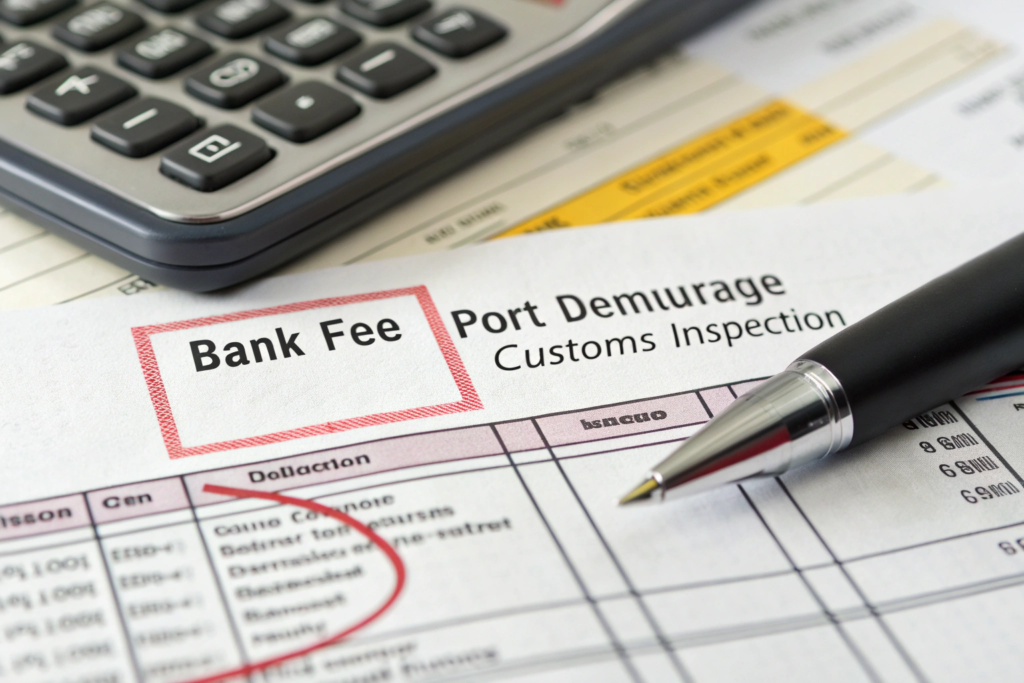
Your payment terms with the factory might be clear, but have you budgeted for the destination port holding fees or customs duties? If goods are delayed in customs due to paperwork (even if not your fault), demurrage charges accrue daily. These are 100% your responsibility under standard FOB or CIF terms and require immediate payment to release your goods. This is a major hidden cash flow trap. Opting for a DDP (Delivered Duty Paid) service from a supplier like Shanghai Fumao turns this variable cost into a fixed, known line item paid upfront, eliminating nasty surprises.
How to Align Payment Terms with Your Sales Cycle?
The most effective payment terms are those synchronized with your business's natural rhythm. Your goal is to have cash coming in from customers as close as possible to when cash needs to go out to your suppliers.
To align payment terms with your sales cycle, map your major inventory payment due dates against your forecasted sales peaks (e.g., holiday season). Structure deposits and balances so that large outflows follow, not precede, your biggest cash inflows.
This strategic alignment requires planning and clear communication with your supplier.
What Does a Seasonal Business Timeline Look Like?
For a holiday-focused brand, the cycle is critical:
- Feb-Apr: Pay deposits for main holiday collection production.
- May-Jul: Pay balance payments as goods are finished and shipped.
- Aug-Oct: Inventory arrives and warehousing costs begin.
- Nov-Dec: MAJOR SALES and cash inflow.
The trap is that all payments occur in Feb-Jul, while all revenue comes in Nov-Dec. The solution is to negotiate terms that push the largest balance payment as close to your sales season as possible, such as a "30% deposit, 70% Net 60 from shipment date" for goods shipping in July.
How Can Staged Payments Smooth Cash Flow?
Break down payments to match your production milestones and sales. For a large order:
- 25% Deposit: To secure materials.
- 25% Payment: Upon approval of production samples (this waits until you're confident).
- 50% Balance: Net 45 days after shipment.
This structure spreads the cost, ties payments to tangible progress, and gives you leverage at each stage. It ensures you're not paying for completed production before you've even seen a sample. We use this flexible model with many of our partners to ensure their cash flow remains healthy throughout the development process.
Conclusion
Payment terms are a strategic financial tool, not just a procedural detail. They have the power to constrict your growth by tying up capital prematurely or to accelerate it by aligning outflows with your revenue streams. By understanding the hidden strains, negotiating for terms that enhance your buying power, avoiding common traps, and meticulously aligning payments with your sales cycle, you can transform your cash flow from a constant challenge into a competitive advantage.
Mastering this aspect of supply chain management is what separates struggling brands from thriving ones. At Shanghai Fumao, we work as a financial partner as much as a production one, helping our clients design payment schedules that support their business health. Let's build a production plan with cash flow in mind. Discuss your brand's cycle with our Business Director, Elaine, at elaine@fumaoclothing.com.