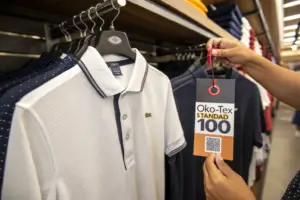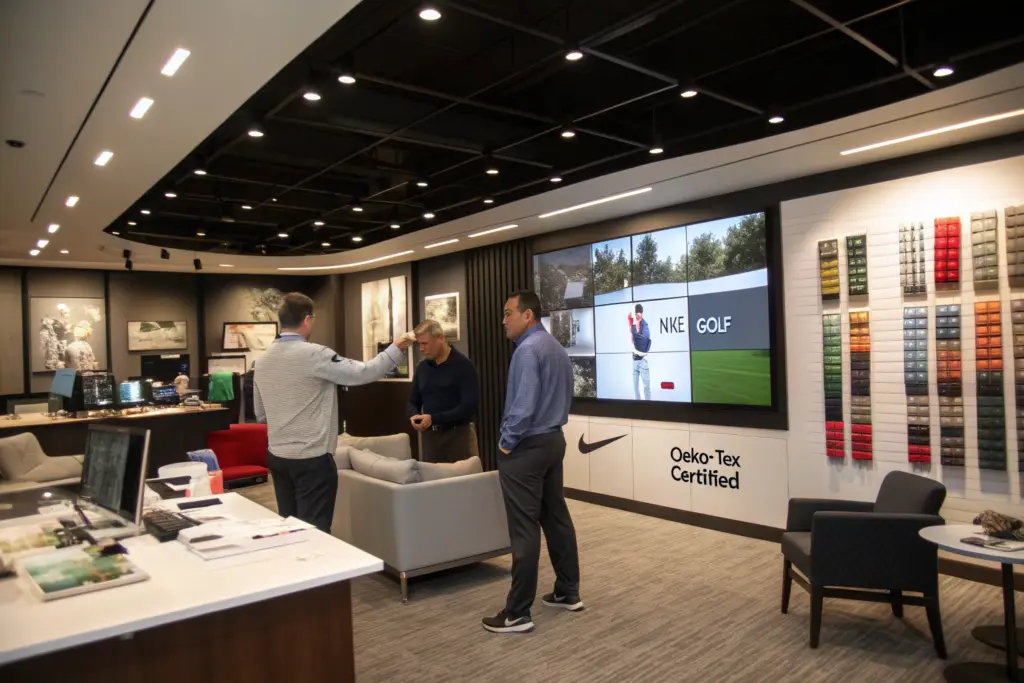
When you see a major brand like Nike Golf launch a new polo collection, you might notice a small OEKO-TEX label on the hangtag. It's easy to think this is just another marketing badge. But for industry insiders, that label represents the outcome of a sophisticated, multi-layered sourcing and compliance strategy. How do giants like Nike actually use OEKO-TEX certification? And more importantly, what can your brand learn from their approach to implement it effectively and avoid common pitfalls?
Major brands like Nike Golf use OEKO-TEX certification not as a final product check, but as a foundational supply chain management tool. They leverage it to mandate material safety standards across their global supplier base, creating a scalable and verifiable system for risk reduction that builds consumer trust at the retail point. For them, it's less about the certificate itself and more about the controlled process it enables.
Understanding this strategic application can transform how you, as a growing brand, view certification—from a cost to a core component of your quality infrastructure. Let's decode the playbook.
Do Brands Like Nike Get One Certificate for Their Entire Product Line?
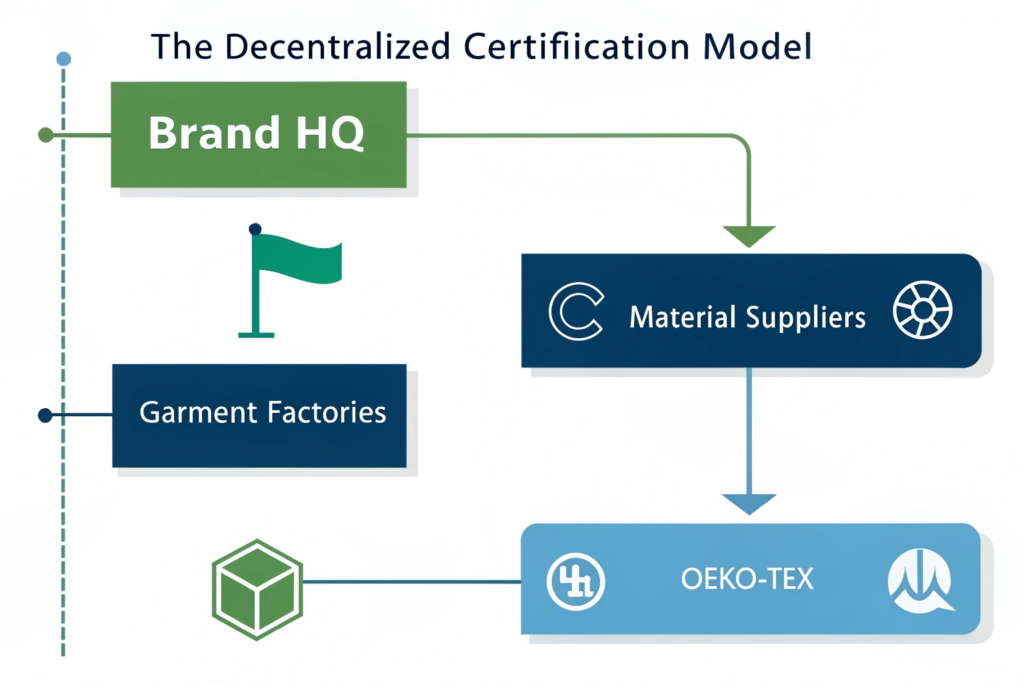
This is a critical misconception. A brand like Nike does not obtain a single, all-encompassing "Nike OEKO-TEX certificate." Instead, they require each of their contracted material suppliers and final assembly factories to obtain relevant certifications for the specific components or finished goods they produce. Nike then audits this system.
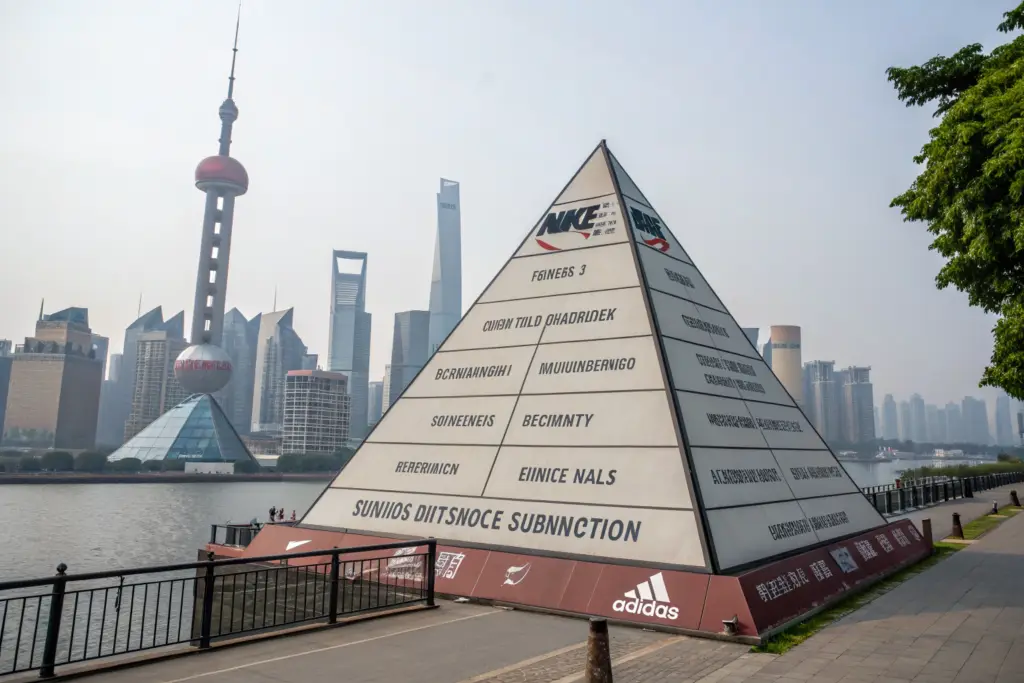
Think of it as a pyramid. At the top is Nike's own Restricted Substances List (RSL), which often references or aligns with standards like OEKO-TEX. Below that are hundreds of fabric mills, trim suppliers, and garment factories. Each is responsible for obtaining and maintaining the correct OEKO-TEX certifications for the materials they supply to Nike. This decentralized model allows for scale, specialization, and clear accountability. For a brand like Shanghai Fumao acting as a full-package supplier, our role is to be that integrated, certified unit for our clients, managing this entire pyramid segment for them.
How is Certification Integrated into Their Sourcing Contracts?
For major brands, OEKO-TEX compliance is not optional; it's written into the technical specifications and legal terms of their sourcing agreements. Their supplier manuals explicitly state that materials must be certified to OEKO-TEX STANDARD 100 (often specifying the required Product Class). Failure to provide valid, test-supported certificates for shipped goods is a breach of contract, leading to order rejection and financial penalties.
This contractual enforcement shifts the cost and responsibility of testing and certification onto the supply chain, while giving the brand a clear, standardized benchmark to enforce. It solves the pain point of having to internally verify the safety of thousands of different components from disparate global sources.
What's the Role of Their In-House Quality and Sustainability Teams?
Nike's internal teams don't test every roll of fabric. Their role is strategic oversight and system audit. They:
- Approve Certified Suppliers: They vet and approve material suppliers who already hold appropriate OEKO-TEX certifications.
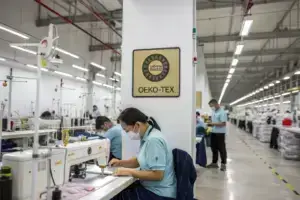
- Conduct System Audits: They audit factories (like ours) to ensure proper procedures are in place to segregate certified materials, track usage, and prevent contamination.
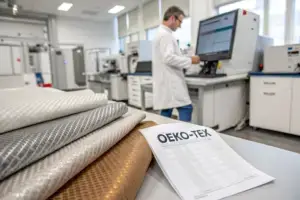
- Perform Random Batch Testing: They periodically pull finished products from the market or from shipping containers and send them to accredited labs for independent verification. This is the ultimate check that keeps the entire system honest.
This approach mirrors our advice to our own clients: trust, but verify through a system of audits and random tests.
How Deep Does Certification Go for a Brand Like Nike Golf?
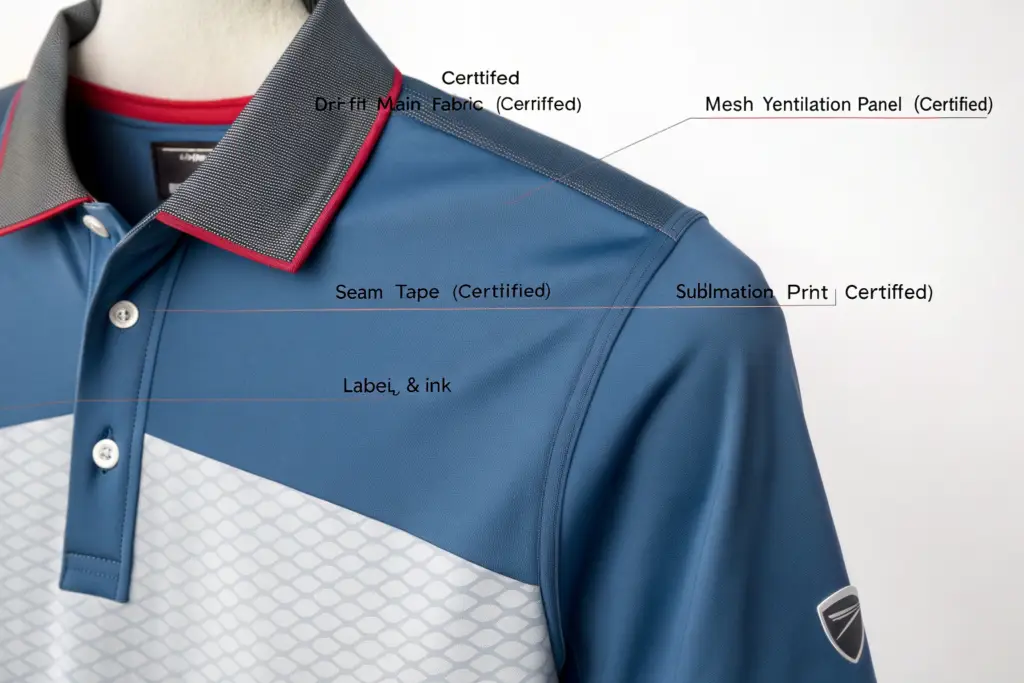
For a performance line like Nike Golf, certification isn't skin-deep. It's applied with a "layer-by-layer" philosophy that matches the technical complexity of the garment. A Dri-FIT polo isn't just one piece of fabric; it's a system.
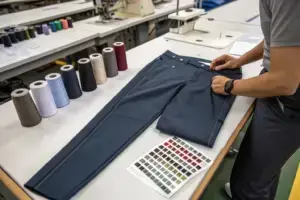
This means every component that could come into contact with the skin or affect the chemical profile of the garment falls under scrutiny. We're talking about the primary synthetic fabric, the interior mesh panels, the sewing thread, the branded taping, the labels (and their inks), and any prints or transfers. Nike's specification sheets for their suppliers will list the required certification for each of these items by their specific article name or code.
Is the "Factory Standard" Different for Major Brand Suppliers?
Absolutely. Factories that wish to become and remain approved suppliers for top-tier brands must operate at a "brand-ready" standard. This goes beyond having a certificate in a drawer. It involves:
- Dedicated Storage: Physical separation of certified versus non-certified materials in the warehouse.
- Documented Traceability: Systems to link a finished garment back to the batch numbers of its certified components.
- Advanced In-House Testing: While not replacing external lab tests, factories often invest in basic quality control equipment (like pH meters, formaldehyde test kits) for incoming material inspection.
We experienced this shift firsthand when preparing to serve major international brands. Upgrading to this systematic approach was an investment, but it now benefits all our clients by ensuring bulletproof compliance, regardless of their size.
What About Innovative Materials and Finishes?
This is where the real challenge lies. A brand like Nike is constantly innovating with new moisture-wicking treatments, recycled material blends, or bonding techniques. For these innovations, the certification process is proactive. The brand and its material partners work to get new articles certified before they are scaled for production. This ensures that innovation doesn't come at the cost of compliance. It’s a lesson for any brand: if you're developing a new fabric or finish, factor certification timelines and costs into your development schedule from day one.
What Strategic Advantages Does This Approach Give Major Brands?
For a brand like Nike, this systematic use of OEKO-TEX is not about cost-saving; it's about risk management, brand equity, and market positioning. The advantages are multifaceted and directly replicable for ambitious smaller brands.
First and foremost, it de-risks the supply chain. By outsourcing compliance verification to the accredited OEKO-TEX system, they reduce the internal cost and complexity of chemical management. It provides a defensible, third-party-verified answer to any consumer or regulatory question about product safety. Secondly, it strengthens brand narrative. The OEKO-TEX label is a recognizable, trusted symbol for consumers. It translates complex supply chain diligence into a simple, positive signal at the point of sale.
How Does It Streamline Compliance with Global Regulations?
Global markets have different chemical regulations (e.g., REACH in Europe, CPSIA in the USA). OEKO-TEX STANDARD 100 incorporates the strictest limits from regulations worldwide. By mandating this certification, a brand like Nike ensures its products can be sold globally without reformulation for each market. This is a huge logistical and financial advantage. It's a strategy we advocate for at Shanghai Fumao: build to the highest global standard from the start, and market access becomes far simpler.
Can Smaller Brands Replicate This "Brand-Name" Strategy?
Yes, absolutely. You don't need Nike's budget to adopt their philosophy. The key is to partner with a factory that already operates with this integrated, brand-ready system. Instead of you, the brand owner, having to source certified fabrics, then certified trims, then find a factory and hope they assemble them correctly, you partner with a full-package manufacturer that manages all of this under one roof.
- Your Role: Define your standard (e.g., "All products must be OEKO-TEX Class II certified").
- Your Partner's Role (Like Ours): Provide the certified material options, maintain the chain of custody, produce the goods under controlled conditions, and deliver the complete certification dossier with your shipment.
This is how you "punch above your weight" and deliver major-brand-level product integrity without a massive internal team.
What Are the Common Pitfalls When Trying to Emulate This Model?
Trying to replicate a major brand's certification strategy without understanding the underlying systems can lead to wasted money and false confidence. The most common pitfall is the "Certificate Collection" approach, where a brand gathers various component certificates but has no control over how they are combined in production.
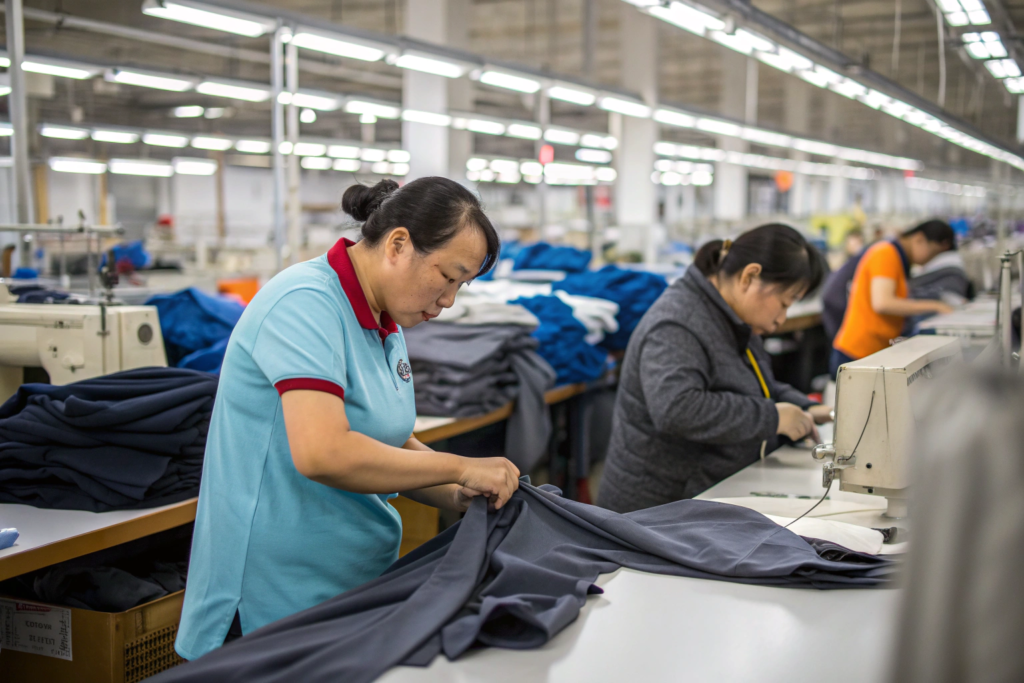
Another critical error is overlooking the final assembly factory's role. You can provide certified fabric and certified thread, but if the factory uses non-certified sewing machine oil, or stores your materials next to uncertified ones causing cross-contamination, the final product may be compromised. The certification is invalidated at the production stage.
How to Avoid the "Mix-and-Match" Compliance Failure?
The solution is to mandate Finished Article certification or its equivalent in process control. This means the factory producing the final garment is responsible for submitting a complete, assembled sample of your exact product to an OEKO-TEX lab for testing. The resulting certificate covers that specific style from that specific factory. This is the most robust approach. Alternatively, you must ensure your factory has a watertight "Component Control System" like the one used by major brand suppliers, which we have implemented at our facility.
Why is Factory Auditing More Important Than Paper Collection?
A folder of PDF certificates is meaningless without evidence that those certified materials were used correctly. You must audit the factory's processes. Ask for:
- Photos/videos of certified material storage.
- Their material intake inspection records.
- Their production batch records linking materials to finished goods.
This is where partnering with an open-book manufacturer pays off. We routinely provide this evidence to our clients because it's part of our standard operating procedure, built to meet the expectations of the most demanding brands.
Conclusion
Major brands like Nike Golf use OEKO-TEX certification as the backbone of a scalable, auditable, and trustworthy supply chain safety system. Their power lies not in owning a certificate, but in systematically requiring and verifying certification across their entire supplier network. This transforms a simple eco-label into a powerful tool for risk management and brand building.
The good news is that this strategic playbook is not exclusive to giants. By understanding the principles—mandating standards, focusing on systems over papers, and choosing manufacturing partners who operate at a "brand-ready" level—you can implement the same rigor for your own line. This allows you to compete on quality and trust, not just price.
Stop viewing OEKO-TEX as just a marketing sticker. Start using it as a strategic sourcing filter and a quality control framework. When you're ready to work with a manufacturing partner that embodies this integrated, major-brand approach to certification, we are here to be your reliable extension. Contact Shanghai Fumao’s Business Director Elaine today. Let us show you how our systems, built to meet high global standards, can bring major-brand-level integrity and compliance to your next golf or sportswear collection. Reach her at elaine@fumaoclothing.com. Let's build your brand with confidence.