In today’s fast-paced fashion market, return rates and inventory waste can break a brand’s bottom line. I’ve worked with dozens of U.S. apparel brands who suffered losses due to inaccurate sizing, trend misjudgments, and unsold inventory piles. Capsule wardrobes offer a lean, smart solution that aligns both with minimalism and operational efficiency.
Capsule collections help reduce returns and waste by focusing on core pieces, better fit consistency, and controlled inventory levels that match real customer demand.
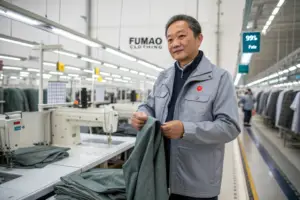
From my position as a clothing manufacturer and exporter in China, I’ve seen the tangible benefits brands gain when they shift to capsule strategies. Returns drop. Wasted fabric decreases. Logistics become simpler. It’s a win on every front for clients like Ron who care deeply about value and precision.
Why Do Capsule Wardrobes Have Fewer Returns?
Capsule pieces are easier to size, easier to understand, and made for longer use.
The simplicity, fit consistency, and seasonless nature of capsule collections contribute to significantly lower return rates for fashion brands.
What Fit Consistency Benefits Do Capsules Offer?
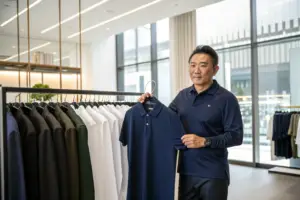
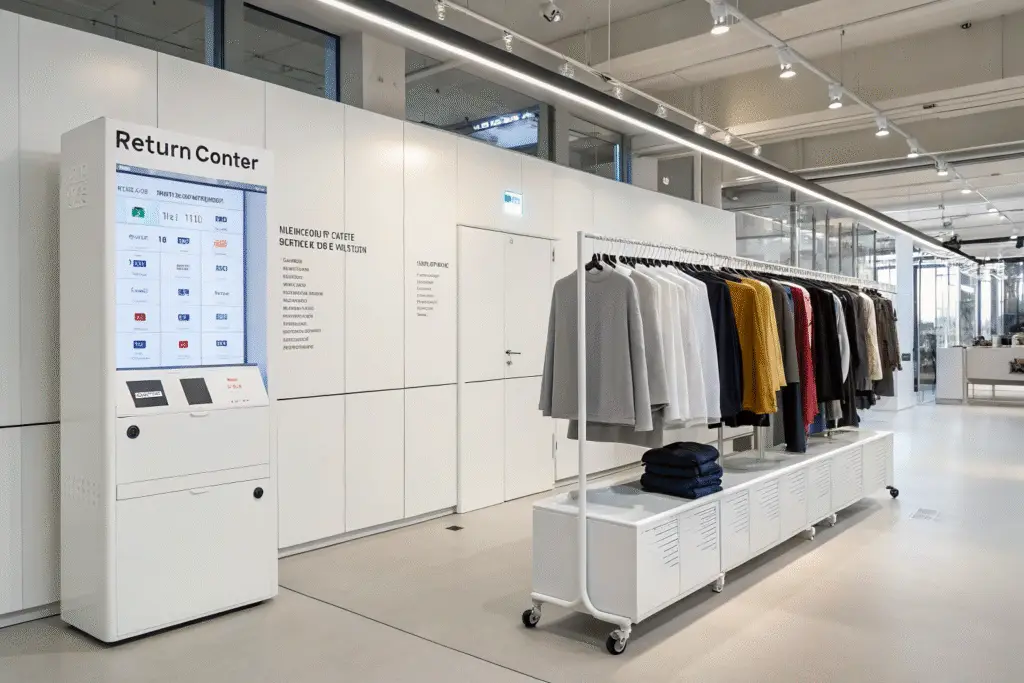
Unlike fast-fashion drops, capsules don’t chase fleeting silhouettes. They focus on timeless fits—straight-leg trousers, boxy t-shirts, and relaxed blouses. These shapes adapt across seasons and demographics. Since customers grow familiar with these items, sizing confusion declines.
Brands like Quince and Everlane build loyalty around consistent blocks. Once a buyer knows their size in the standard shirt or pant, they trust future capsule launches. That familiarity lowers the chance of a return due to sizing.
How Do Streamlined Designs Reduce Fit Issues?
Capsule garments rarely have ruffles, layered drapes, or asymmetric cuts. These are the typical culprits for poor fit. Instead, items have fewer seams, standard neckline depths, and adjustable waists. That predictability reduces fit surprise.
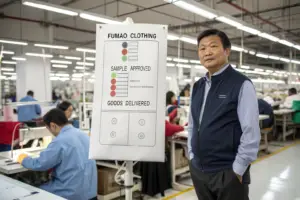
As a manufacturer, we see fewer sample revisions and lower alteration requests. This leads to more accurate first runs, which in turn reduces fit-related return rates. The simpler the design, the lower the margin for consumer mismatch.
How Do Capsules Prevent Overstock and Inventory Waste?
Traditional fashion models often gamble on hundreds of SKUs per season. Many don’t sell. Capsule collections flip the script.
By limiting the number of SKUs and relying on core pieces, capsule collections drastically reduce unsold inventory and warehouse clutter.
How Does Tight SKU Control Reduce Waste?
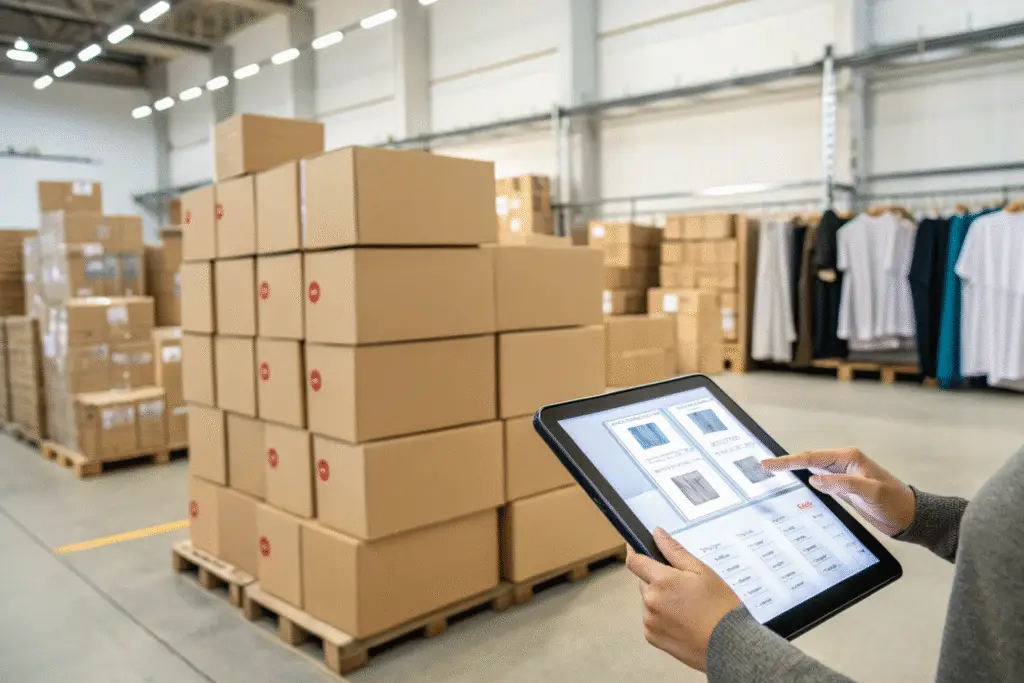
Capsule collections typically have 20 to 30 SKUs per drop. This focused range allows brands to monitor sell-through in real time. When items run out, restocking a few evergreen designs is faster and cheaper than creating new seasonal pieces.
Retailers like VETTA Capsule base their strategy on this. They produce only what’s proven to work and delay introducing new styles until the data supports it. This approach reduces deadstock and markdown losses.
Why Are Capsules Easier to Forecast and Replenish?
With only a few styles, forecasting is based on repeated consumer behavior. Brands know their wide-leg trousers or ribbed tees will sell in consistent volumes. This makes production planning more stable.
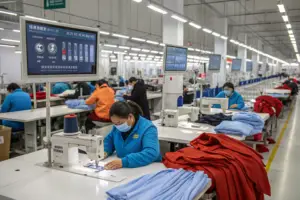
From the supplier’s side, that means we can hold pre-cut fabric in popular colors and initiate quick replenishments. No need to constantly sample or purchase new trims. Less variation equals less inventory guesswork and material overbuying.
How Do Capsule Buyers Engage in Thoughtful Consumption?
Capsule strategies shift consumer mindsets from impulse to intention.
Minimalist buyers often purchase fewer, better items—resulting in lower returns, fewer regrets, and more brand satisfaction.

Do Capsule Collections Reduce Impulse Purchases?
Yes. When faced with a 100-item online store, shoppers make snap decisions based on hype or price. But capsule shops often highlight just a few curated pieces. This forces the customer to slow down and think through each selection.
Ecommerce platforms like Cuyana display 3–5 products per category with styling guides and wear count expectations. By promoting intentional purchase, returns due to buyer’s remorse decrease dramatically.
Why Do High-Utility Pieces Make People Keep Them Longer?
Capsule garments are designed to be worn multiple ways. A shirt dress can be belted for a night out or layered over trousers for work. This adaptability increases perceived value.
Consumers hold onto versatile pieces longer. Research from WRAP UK shows that extending a garment’s life by nine months reduces environmental impact by 20–30%. Capsule brands align with this behavior by offering durability and utility in one.
How Can Brands Use Capsules to Build Return-Free Loyalty?
Repeat purchases come from customer satisfaction. Capsule collections help build that trust.
By maintaining familiar fits, reliable product stories, and sustainable messaging, capsule collections foster long-term brand relationships with fewer returns.

How Does Familiarity Increase Repurchase Confidence?
When a brand consistently offers the same trousers or jackets with minor seasonal updates, customers return without hesitation. They know the product, trust the sizing, and appreciate the consistency.
Brands like Uniqlo and MATE the Label use this approach. Customers feel safe investing because they’ve had positive past experiences. That emotional security helps reduce return risk dramatically.
How Can Brands Position Capsules as a Quality Guarantee?
Capsule collections are often framed as "core essentials" or "elevated basics." This elevates perceived value. When shoppers believe they are buying the best version of a wardrobe staple, they’re less likely to return it.
As a supplier, I help clients position their capsule items with storytelling. We show how the garment was made, what certifications it holds, and how long it should last. Buyers like Ron, who seek quality and low-friction operations, appreciate how this lowers refund handling costs.
Conclusion
Capsule collections are not just a style solution—they’re a return rate and inventory waste solution. For brands trying to cut losses and improve sustainability, capsules offer fewer SKUs, simpler fits, better forecasting, and stronger customer loyalty. As a Chinese garment manufacturer working with U.S. clients, I’ve helped many brands reduce refund percentages and overstock problems through capsule logic. If your business model is about buying smart and selling strong, this is the future-proof path forward.