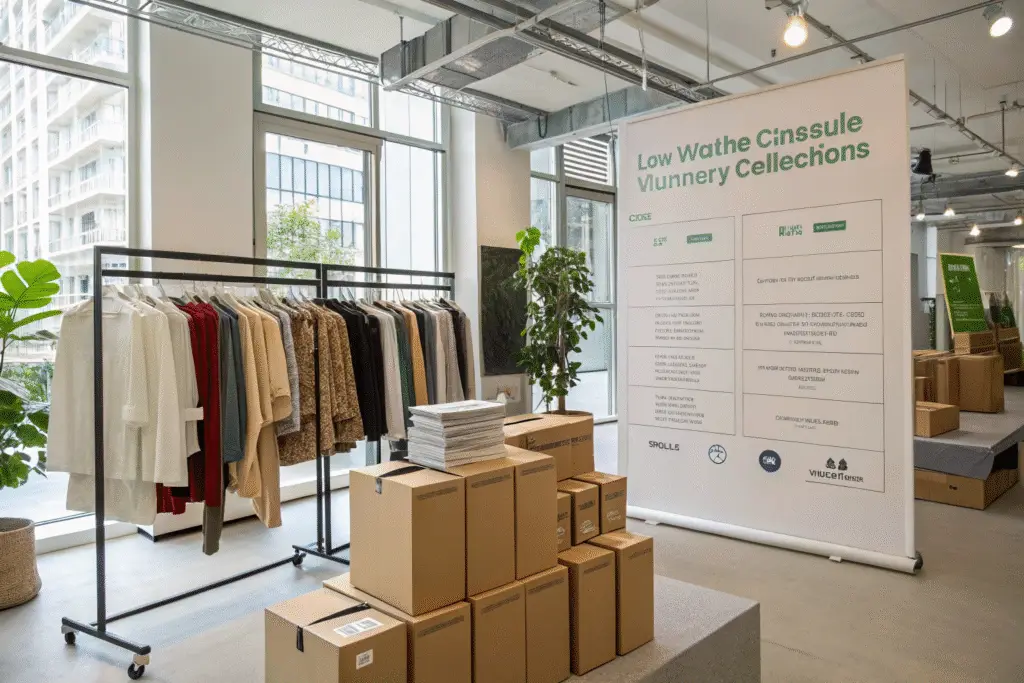
Overproduction is one of fashion’s most costly problems—economically and environmentally. Brands overbuy, overmake, and overstock, only to discount or destroy unused garments. Capsule lines offer a smarter, leaner path.
Capsule collections reduce overproduction risk by narrowing product focus, improving forecasting accuracy, and enabling faster response to demand shifts.
As a garment manufacturer in China, I’ve worked with capsule-focused brands who’ve virtually eliminated unsold inventory by designing for precision—not excess. And the data backs them up.
Why Are Capsule Lines Easier to Forecast?
With fewer SKUs and simpler drop cycles, capsules make it easier to estimate real demand.
Capsule collections reduce forecasting errors by limiting options and aligning closely with past performance data.

How Do Fewer SKUs Improve Accuracy?
When a brand sells 10 products instead of 100, it’s easier to predict how many of each will move. Historical sell-through rates from previous capsules guide smarter buying, and teams can allocate production more clearly.
Capsule-focused brands like Everlane and VETTA use smaller drops to learn quickly and adjust with real data rather than rely on instinct.
What Tools Help Brands Plan Capsule Quantities?
We integrate with tools like Inventory Planner or Anvyl to forecast based on sales velocity, geography, and seasonality. For clients launching in retail and DTC, these tools sync demand so production fits both channels efficiently.
This allows us to avoid overcutting—and when data shifts, we can scale up quickly instead of sitting on stock.
How Do Capsules Align With Just-In-Time Production?
Capsules lend themselves perfectly to lean systems. With fewer SKUs, production can happen in phases, reducing inventory buildup.
Just-in-time production aligns well with capsule drops by allowing brands to produce only what sells, when it sells.
What’s the Capsule + JIT Model?
It means producing an initial drop of 100–200 units, then reordering based on demand. Unlike seasonal lines that require 6-month forecasts, capsule brands move in 30–60-day windows.
Brands like Kotn and AYR use capsule plus JIT to minimize waste and keep newness without piling up back stock.
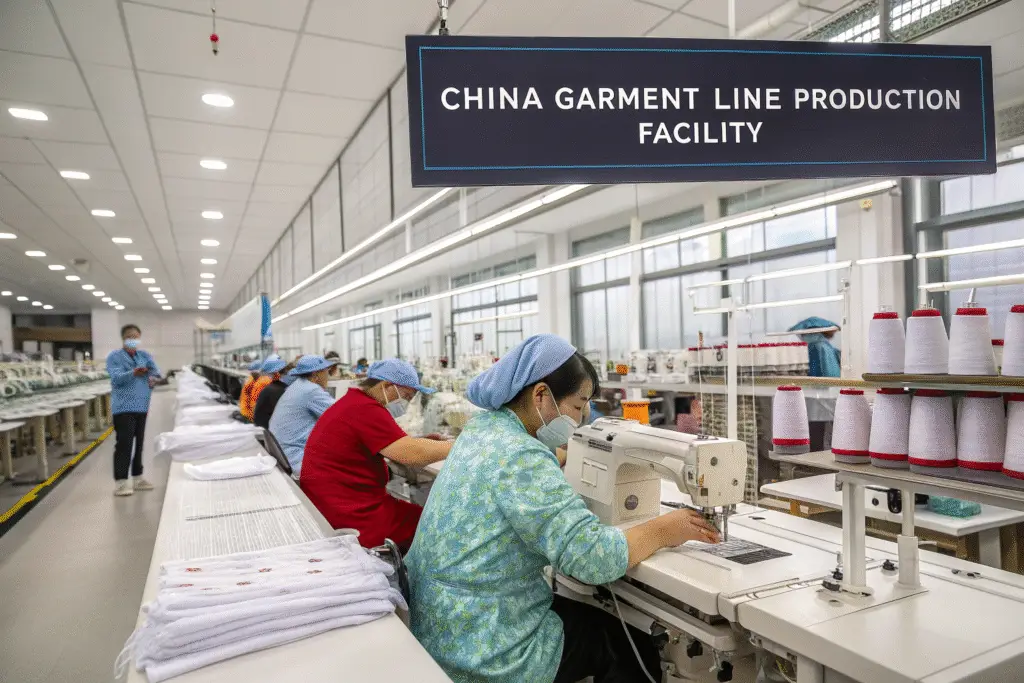
How Do We Support This at the Factory Level?
We hold fabrics in reserve and cut in batches. A capsule dress might launch with 150 units, and once 70% sells, we pre-cut the next batch. We use modular planning tools like FastReact to juggle these micro-orders within bigger runs.
This lets clients stay agile—adding or adjusting SKUs mid-season.
How Do Capsule Strategies Limit Dead Stock?
Overproduction leads to dead stock—clothes that go unsold, get discounted heavily, or are thrown away. Capsules prevent this by keeping output lean and targeted.
Smaller capsules with smarter demand tracking prevent inventory waste and reduce markdown reliance.
Why Is Markdown Pressure Lower With Capsules?
When you produce fewer pieces and they’re more targeted, sell-through improves. There’s less pressure to discount. A capsule jacket made in 200 units can sell out at full price—while a 3,000-piece mass-market version needs markdowns to clear.
Many DTC capsule brands sell out in weeks. We’ve worked with clients who actually delay advertising until 80% sells organically, then reopen pre-orders.
How Is Leftover Capsule Inventory Handled?
Even when leftovers happen, they’re manageable. We pre-sort by reorder potential. If a client launches monthly capsules, we suggest holding unsold items for 90 days, then bundling them into archive sales or repackaging as “limited restock” runs.
Tools like Loop Returns or Recurate help brands recycle capsule items into peer resale channels rather than sending to landfills.
How Do Capsules Encourage Better Consumer Behavior?
Capsules guide customers to shop thoughtfully—not impulsively. They shift habits from “buy more” to “choose better.”
Capsule collections promote slower, more intentional fashion purchases—helping reduce returns and impulse waste.

Why Do Consumers Buy Smarter With Capsules?
Capsules offer fewer choices, so decision fatigue drops. Customers are more confident. They know a capsule shirt matches the pants, coat, and accessories in the same drop. That leads to lower return rates and higher satisfaction.
Brands like Cuyana and Ninety Percent build entire campaigns around “fewer, better” and build loyalty through curated simplicity.
How Does This Affect Manufacturing Outcomes?
Lower returns mean fewer replacements, less reverse shipping, and less stock spoilage. We package capsule drops with full outfit guides and QR code styling tips—so customers feel guided and are less likely to regret their purchases.
One of our clients saw return rates drop from 18% to 7% after switching from 60-SKU seasons to 12-piece monthly capsules.
Conclusion
Capsule lines aren’t just trendy—they’re operationally smart. They lower risk, reduce waste, and improve responsiveness. As a manufacturer, I’ve seen brands cut overproduction by half just by shifting to a capsule strategy. When design, data, and production align, less really does become more. For fashion buyers, factories, and the planet—that’s a win on every level.