Finding the perfect supplier is only half the battle. The real challenge often begins when production starts, and quality issues emerge. As a business owner, you understand that high defect rates directly eat into your profits. They lead to chargebacks, lost sales, and damaged brand reputation. For U.S. importers sourcing from overseas, managing quality from thousands of miles away feels like a constant gamble.
Effectively reducing defect rates in wholesale clothing orders requires a proactive, system-based approach that integrates clear specification, strategic in-process inspections, and a partnership with a manufacturer that prioritizes quality at every stage, not just final inspection. It's about building quality into the process, not just inspecting it out at the end. This is the core philosophy we have built our operations around at Shanghai Fumao, where our goal is to become a reliable extension of your production team, not just another anonymous factory.
Many buyers rely solely on a final random inspection, which is like checking the brakes after the car has rolled off the assembly line. To truly control quality, you must engage earlier and more deeply in the manufacturing process. The following sections outline the key strategies we have developed and refined over years of partnership with American brands, helping them achieve defect rates consistently below the industry average.
What Are The Most Common Defects In Garment Manufacturing?
You can't fix a problem you don't understand. The first step to reducing defect rates is identifying what typically goes wrong. For importers, recognizing these common issues allows you to communicate more effectively with your supplier and tailor your quality control checklist.
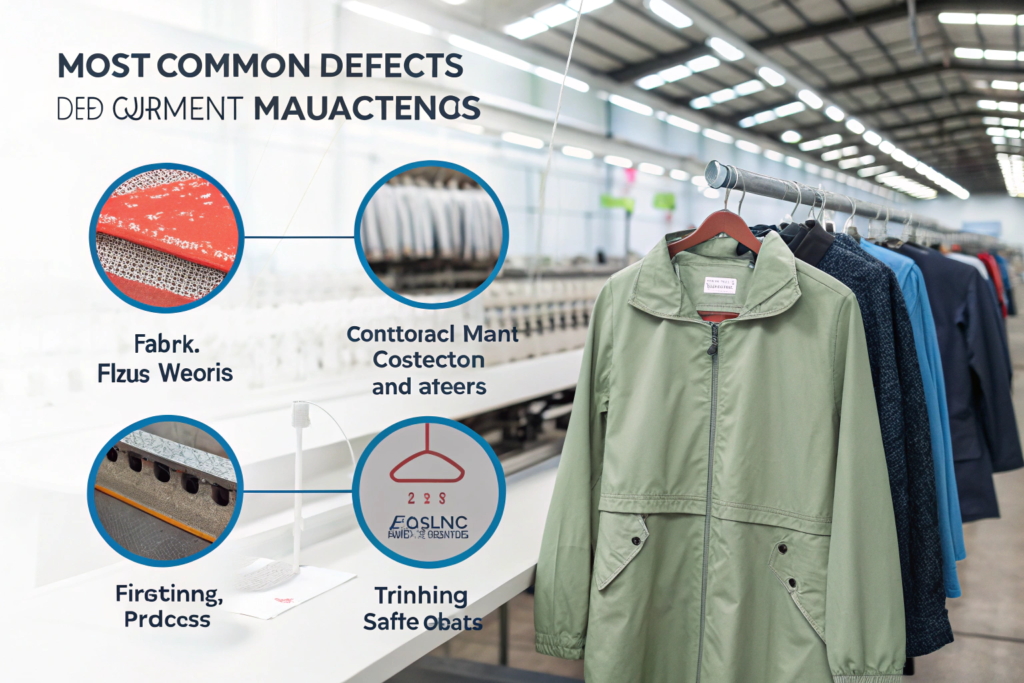
The most common defects in garment manufacturing fall into three main categories: fabric and material flaws, construction and sewing errors, and finishing and trims problems. These issues can originate at different stages of production, from fabric milling to the final packing line. Addressing them requires specific checks at each point.
Why Do Fabric Defects Occur So Frequently?
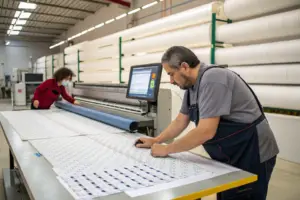
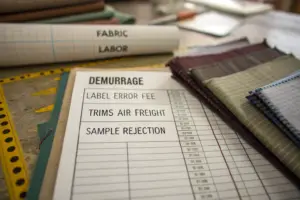
Fabric defects are a primary source of quality failure. They often happen because the fabric is inspected too late—after it has already been cut. Common fabric issues include slubs, holes, color shading within the same roll, and inconsistent dye lots between rolls. A major pain point for buyers is when a supplier uses fabric from a different dye lot to complete an order, resulting in color mismatch between garment parts. At Shanghai Fumao, we implement a strict fabric inspection protocol before cutting. For instance, last fall, we worked with a Colorado-based outdoor brand on a line of technical jackets. We rejected an entire batch of 5,000 meters of nylon due to inconsistent waterproof coating, which our lab test verified. This preemptive action, though delaying the schedule by a week, prevented a 100% defect rate in the finished goods and saved the client from a catastrophic recall.
How Can Construction Defects Be Minimized?
Construction defects are related to the sewing and assembly of the garment. These include skipped stitches, uneven seams, wrong stitch density (SPI), and mismatched patterns at seams (like plaids or stripes). These often stem from uncalibrated machines or insufficient worker training. The key to minimization is in-process quality control (IPQC). On our production lines, line supervisors perform checks every hour. We also use standardized sewing manuals with photos for every style. A practical step you can ask any supplier about is their First Article Inspection (FAI). Before bulk production runs, a complete sample is made and dissected to confirm all construction methods. We share this report with our clients, giving them a clear window into the build quality before we proceed. This transparency builds trust and catches errors when they are cheapest to fix.
How Does In-Process Inspection Cut Defect Rates?
Relying solely on a final pre-shipment inspection is a reactive strategy. By the time those defects are found, the entire order may be completed, leaving you with the costly choice of rejecting the shipment or negotiating a discount. In-process inspection is your proactive defense.
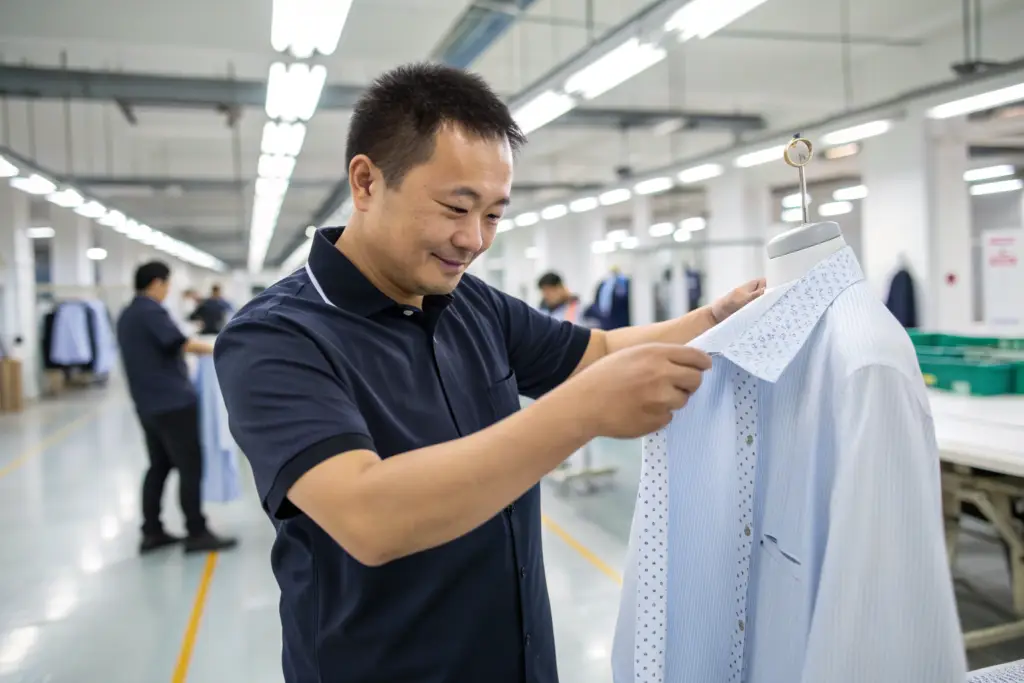
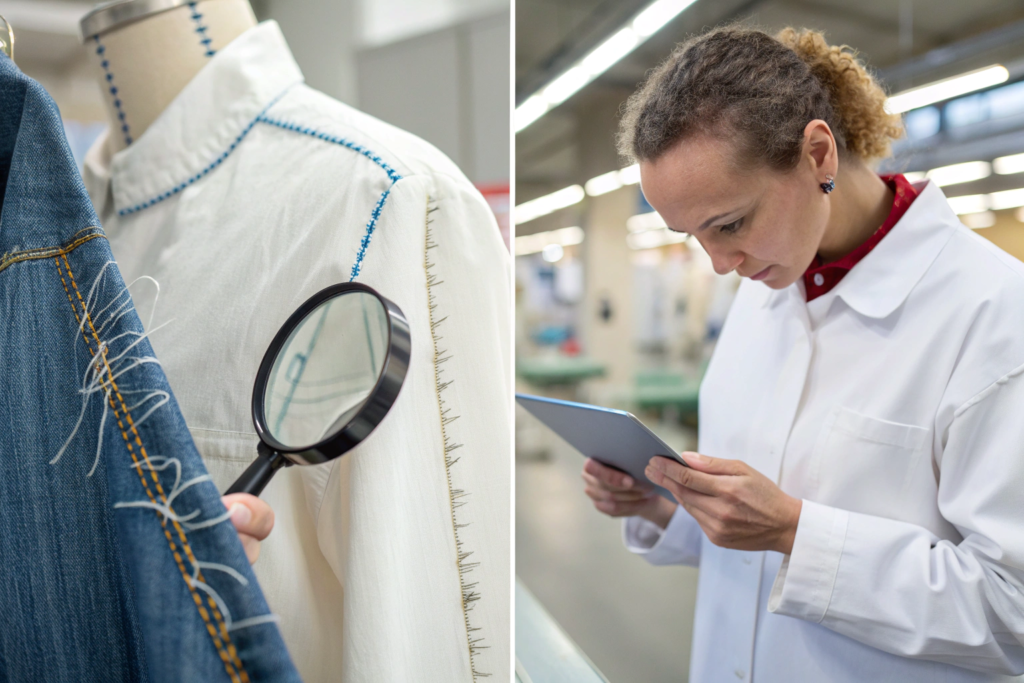
In-process inspection systematically identifies and corrects quality deviations during production, preventing small errors from becoming bulk defects and ensuring consistent quality throughout the manufacturing cycle. It transforms quality control from a policing activity into a guiding process. Our internal data shows that implementing a rigorous three-stage IPQC system can reduce final defect rates by over 60%.
What Are The Key Stages For In-Process Checks?
A robust in-process inspection plan should target critical control points where defects are most likely to occur and be most costly to repair later. We focus on three non-negotiable stages:
| Inspection Stage | Timing | Focus Area | Common Defects Caught |
|---|---|---|---|
| 1. First Piece / Pilot Run | After the first 5-10 pieces are assembled. | Overall construction, measurements, sewing methods. | Incorrect assembly sequence, wrong thread, major measurement deviation. |
| 2. Line Checking (IPQC) | Continuous, every 1-2 hours on each production line. | Specific operations (e.g., pocket setting, collar attachment). | Uneven seams, stitch flaws, component misplacement. |
| 3. Mid-Production Inspection | When 20-30% of order quantity is completed. | Comprehensive check of semi-finished goods, fabric, workmanship. | Accumulated sewing issues, fabric flaws missed earlier, color consistency. |
For example, during a mid-production inspection for a Miami-based fashion brand's skirt order, we noticed a slight but consistent puckering on the side seams. The issue was traced to a machine tension setting that had drifted. Correcting it at 30% completion saved over 2,000 units from requiring rework.
Who Should Perform These Inspections?
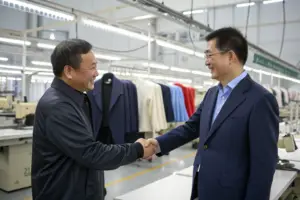
The effectiveness of in-process inspection hinges on the competence and independence of the inspectors. There are typically two layers: internal factory QC and third-party inspection services. For critical orders, we always recommend that clients hire a reputable third-party quality inspection company for the mid-production and final stages. This provides an unbiased report. However, a factory's own QC team is vital for daily line checks. At our facility, QC staff report directly to the production manager but have the authority to stop a line if major defects are found. This balance of accountability and authority is crucial. We also encourage client visits during these key stages. Last spring, the owner of a Texas workwear company visited during the mid-production of his cargo pants order. His on-the-spot feedback on pocket placement was immediately incorporated, leading to a product that better matched his market's expectations.
Can Clear Tech Packs Really Prevent Manufacturing Errors?
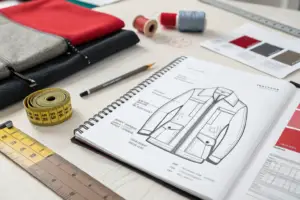
Ambiguity is the enemy of quality. One of the most frequent sources of defects is not machine error, but communication error. A vague or incomplete tech pack forces the factory to guess, and guessing leads to mistakes. Investing time in a precise tech pack is the most cost-effective quality control measure you can take.
Yes, a comprehensive and clear tech pack is the single most effective tool for preventing manufacturing errors, as it serves as the definitive contract and blueprint for production, leaving no room for interpretation. It aligns your expectations with the factory's execution from the very beginning. We estimate that projects with detailed tech packs experience 50% fewer quality-related revisions than those with basic specifications.
What Must Be Included In A Bulletproof Tech Pack?
A bulletproof tech pack goes beyond just a sketch and size chart. It must provide unambiguous instruction for every component. Essential elements include:
- Detailed Flat Sketches: Front, back, and side views with all design lines and topstitching clearly indicated.
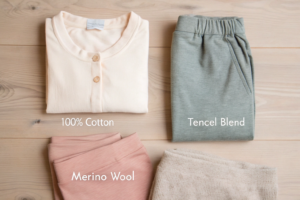
- Complete Bill of Materials (BOM): Specifying not just "polyester," but the exact fabric composition, weight (GSM), construction, and supplier if possible. Include all trims: zipper type and brand, button material and size, label specifications, etc.
- Measured Grade Rules: A full size chart with point-of-measurement diagrams for every listed measurement, showing how each measurement increments between sizes.
- Construction Details: Close-up callouts for special seams, stitches per inch (SPI) requirements, and hardware placement. Photographs of similar construction from existing garments are extremely helpful.
- Color Standards: Physical lab dips or digital Pantone codes for all materials, including stitching and prints.
We assisted a startup activewear brand from California last year that had a simple sketch. Our product development team worked with them for two weeks to build a complete tech pack, including sourcing and approving seven different elastic bands for the waistband. This upfront effort ensured the bulk production was flawless, with zero defects related to material or construction misunderstanding.
How Do Digital Tools Enhance Tech Pack Accuracy?
The era of PDF and Excel tech packs is evolving. Digital product lifecycle management (PLM) systems are becoming industry standards for a reason. They centralize all information—sketches, BOM, samples, comments, approvals—in one live document. When a change is made, it's updated for everyone instantly, eliminating version confusion. Using a shared PLM software platform with our clients has drastically reduced errors caused by outdated information. For instance, if a client approves a button change in the system, the procurement and production departments are notified automatically, and the old spec is locked. This digital thread creates accountability and a clear audit trail, which is invaluable for resolving any disputes. It turns the tech pack from a static document into a collaborative, living process.
What Quality Certifications Should A Reliable Factory Have?
In today's market, a factory's commitment to quality is often validated by its adherence to internationally recognized standards. These certifications are not just pieces of paper; they are indicators of a systematic, process-driven approach to manufacturing. They provide you, the buyer, with an independent assurance that the factory operates under controlled conditions.
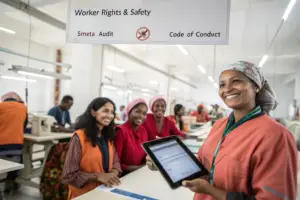
A reliable garment factory should hold certifications that cover product quality management, environmental management, and social compliance, such as ISO 9001, ISO 14001, and a recognized social audit standard like SMETA or BSCI. These certifications demonstrate that the factory has invested in building robust systems, not just in buying machines. At Shanghai Fumao, we maintain these certifications and undergo annual audits, which we believe is a baseline for any trustworthy partner, not an optional extra.

How Do ISO Standards Translate To Better Quality?
ISO 9001 is the global benchmark for Quality Management Systems (QMS). It doesn't guarantee every product is perfect, but it guarantees the factory has a system to consistently meet requirements and improve. A factory with ISO 9001 must document all its procedures—from how it inspects incoming fabric to how it trains sewing operators—and show evidence of following them. It mandates management review, corrective action for defects, and a focus on customer satisfaction. For you, this means predictability. When we identify a defect trend, our QMS requires a root-cause analysis (like the "5 Whys") and a documented corrective action plan to prevent recurrence. This systematic approach is what prevented the stitch puckering issue mentioned earlier from happening again on subsequent orders.
Why Are Social Compliance Audits Relevant To Product Quality?
This connection is often overlooked. A factory that treats its workers fairly and maintains a safe, orderly environment tends to have better operational discipline and lower turnover. High worker turnover leads to inconsistent training and more errors. Standards like SMETA (Sedex Members Ethical Trade Audit) assess working hours, wages, health & safety, and management systems. A compliant factory is generally more stable and better managed. Ethical sourcing is also a growing requirement for U.S. brands to mitigate supply chain risk. We have seen buyers increasingly request audit reports because they understand that a factory under constant labor pressure cannot sustainably deliver high quality. A stable, well-trained workforce is a critical component of quality assurance, which is why we view social compliance as integral to our operational excellence, not a separate department.
Conclusion
Reducing defect rates in your wholesale clothing orders is not about finding a magic solution, but about implementing a series of interconnected, disciplined practices. It starts with providing crystal-clear instructions through a comprehensive tech pack, continues with active engagement through strategic in-process inspections, and is underpinned by partnering with a manufacturer whose systems are verified by international standards. The goal is to move from a reactive posture of defect discovery to a proactive culture of defect prevention.
This journey requires viewing your manufacturer as a true partner in quality, not just a vendor. It demands investment in clarity upfront and vigilance throughout the process. The result is worth it: fewer chargebacks, happier customers, a stronger brand reputation, and ultimately, healthier profit margins. By building quality into the very fabric of your production process, you transform a major business risk into a reliable competitive advantage.
If you are looking for a manufacturing partner who understands this systematic approach and is committed to being the quality-driven extension of your team, we invite you to connect with us. Let Shanghai Fumao help you bring your apparel visions to market with confidence and minimal defects. For a detailed discussion on how we can apply these principles to your next order, please reach out to our Business Director, Elaine. She can provide specific insights and case studies relevant to your product category. You can contact her directly at: elaine@fumaoclothing.com.