You're investing significant time and money into developing your custom apparel line. The designs are unique, the fabric is premium, and the market is waiting. But a deep-seated worry lingers: How can you ensure that every single piece produced overseas matches your precise specifications and quality standards? You can't be on the factory floor every day, yet the reputation of your brand is at stake with every stitch.
We help you take complete control by building a multi-layered, transparent quality management system into your custom apparel production. At Shanghai Fumao, we don't just inspect the final product; we engineer quality into every phase of the manufacturing process, from raw material testing to pre-shipment audit. We become your eyes, hands, and technical conscience on the ground, providing you with documented evidence and proactive solutions, not just problems.
Quality control isn't a single checkpoint; it's a continuous process embedded within the production cycle. For custom apparel, where specifications are unique and margins for error are minimal, this integrated approach is non-negotiable. It transforms quality from a hopeful outcome into a predictable, managed result.
What Does a Proactive Quality Control Process Look Like From Start to Finish?
Many buyers experience "quality control" as a tense final inspection, where bad news arrives too late to fix without costly delays. A proactive system, however, identifies and resolves potential issues before they become embedded in bulk production, protecting your timeline and budget.
Our process is built on prevention, not just detection. It follows a critical path that aligns with your production timeline, starting with component approval and continuing through in-process checks, ensuring that by the time final inspection occurs, the result is a confirmation of expected quality, not a shocking revelation.
Dive Deeper Paragraph: This proactive journey has three foundational pillars that safeguard your order from the very beginning.
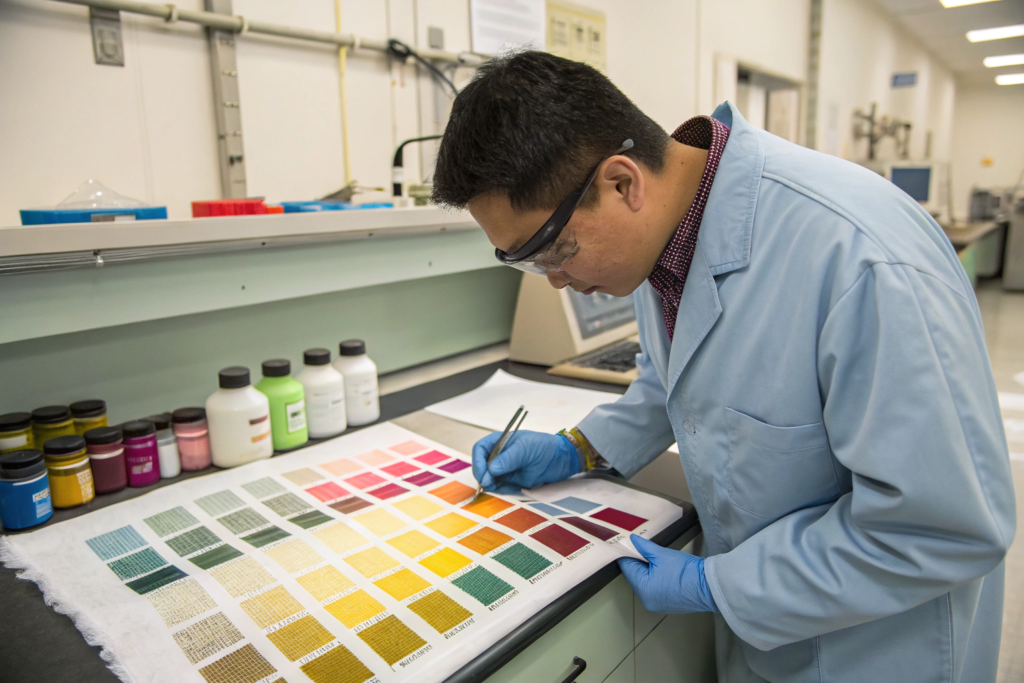
How Do We Lock in Quality Before Production Even Begins?
The cornerstone of quality is getting the foundations 100% correct. We enforce a strict "No Go Without Approval" protocol for all custom elements:
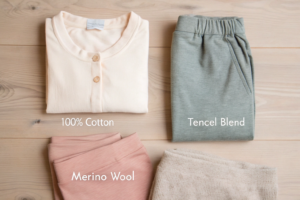
- Raw Material Testing: We don't just trust supplier certificates. We send fabric, thread, zippers, and buttons to our internal lab or partnered third-party labs for tests like shrinkage, colorfastness to washing and rubbing, pilling resistance, and breaking strength. For a New York-based streetwear brand last season, our pre-testing identified a 7% shrinkage rate in their custom fleece—well beyond the 3% tolerance. We worked with the mill to correct the process before cutting, saving what would have been thousands of missized garments.
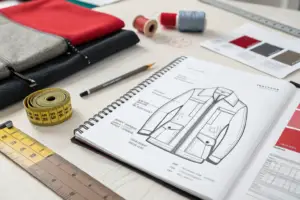
- Approved Sample Cycle: We treat the pre-production (PP) sample as a binding contract. Every detail—fit, fabric, trim, construction, wash effect, and labeling—must be signed off by you. This sample is then sealed and kept as the gold standard reference on our production floor for every line supervisor and inspector.
Why Are In-Process Inspections (DUPRO) More Critical Than Final Check?
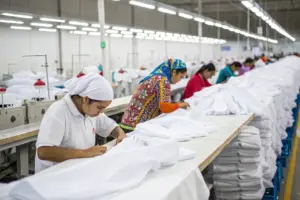
The Daily Production Check (DUPRO) is our secret weapon. While bulk fabric is being cut and the first 100-200 pieces come off the sewing line, our QC team performs thorough inspections. They check:
- Cut piece accuracy against the pattern.
- Seam allowances and early sewing quality.
- Placement of prints or embroidery.
- Consistency of any wash or dye effect.
For instance, during a run of custom-embroidered polo shirts for a corporate client, DUPRO caught a slight misalignment in the logo placement on the third day of sewing. The issue was traced to a template shift and corrected immediately, preventing an error in over 800 pieces. This real-time correction is the essence of preventive quality management and is far more effective than rejecting finished goods.
What Specific Checks Are Performed During Final Random Inspection (FRI)?
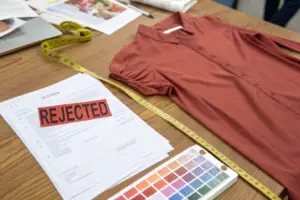
The Final Random Inspection (FRI) is the last line of defense before your goods are packed. It's a systematic, statistically valid assessment of the finished, packaged product to verify it meets the agreed Acceptable Quality Limit (AQL). It's not a casual glance; it's a disciplined audit.
Our FRI is conducted against your approved PP sample and detailed inspection checklist. We follow internationally recognized AQL sampling plans (usually based on ANSI/ASQ Z1.4 standards) to randomly select a scientifically determined number of pieces from completed order quantities for exhaustive evaluation.
Dive Deeper Paragraph: The FRI covers four critical dimensions of your product, quantified against clear pass/fail criteria.
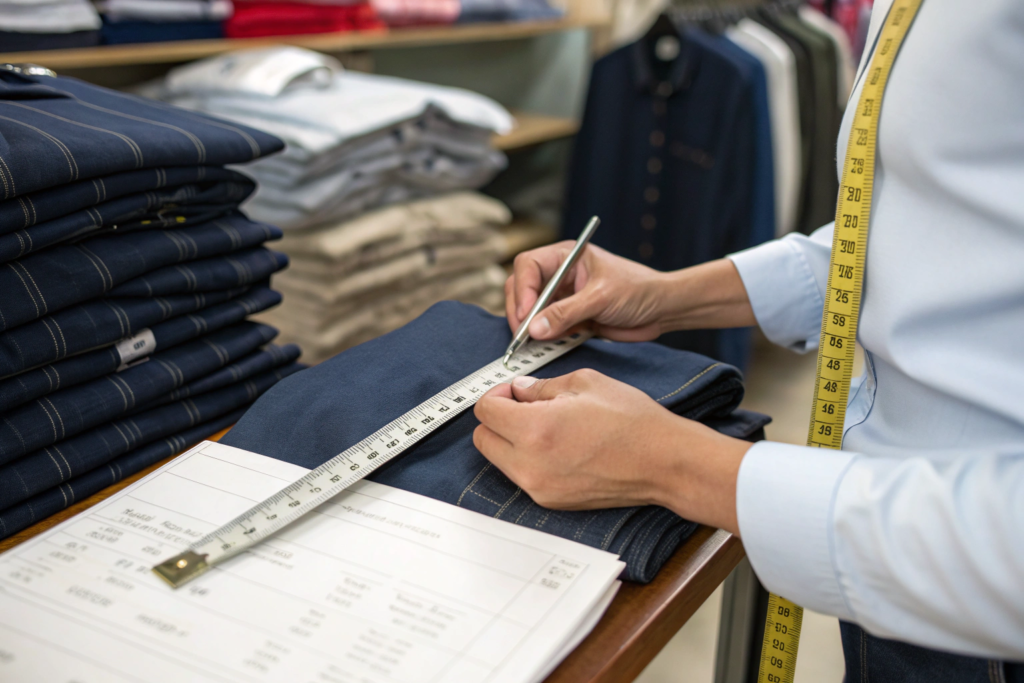
How Do We Verify Dimensional Accuracy and Workmanship?
Every selected garment undergoes precise physical measurement and construction analysis.
- Dimensions: We measure up to 15 key points (e.g., chest, waist, length, sleeve, neck) against your tech pack tolerances (e.g., ±1/2 inch).
- Stitching: We check stitch density (stitches per inch/SPI), seam integrity, and the absence of defects like skipped stitches, loose threads, or uneven seams.
- Functionality: Zippers are run up and down 10 times, buttons are tested for pull strength, and snaps are checked for secure fastening.
We document every minor and major defect found. The total defect count is then projected against the AQL limits for your order's size and risk category (e.g., AQL 2.5 for major defects) to provide a clear, data-driven "pass" or "fail" recommendation.
How Is Visual Appearance and Consistency Assessed?
This is where the "custom" aspect shines—or fails. Our inspectors assess:
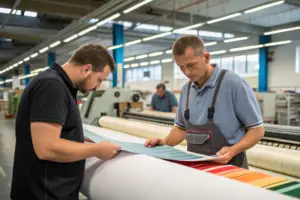
- Color Consistency: Garments are compared to the approved swatch under D65 daylight simulation lamps to spot any dye-lot variations within the order.
- Print/Embroidery Quality: We check for registration, clarity, color matching, and any flaws like thread breaks or fading.
- Overall Aesthetic & Pressing: The garment must be free of stains, oil marks, unwanted creases, and have a consistent, professional finish.
- Packaging & Labeling: We verify that polybags, hangtags, care labels, and carton marks are correct and applied properly.
This rigorous process ensures that the product you receive is not only well-made but also perfectly consistent with your brand's image, a crucial factor for customer satisfaction in retail.
How Does Technology and Documentation Empower Your Remote Oversight?
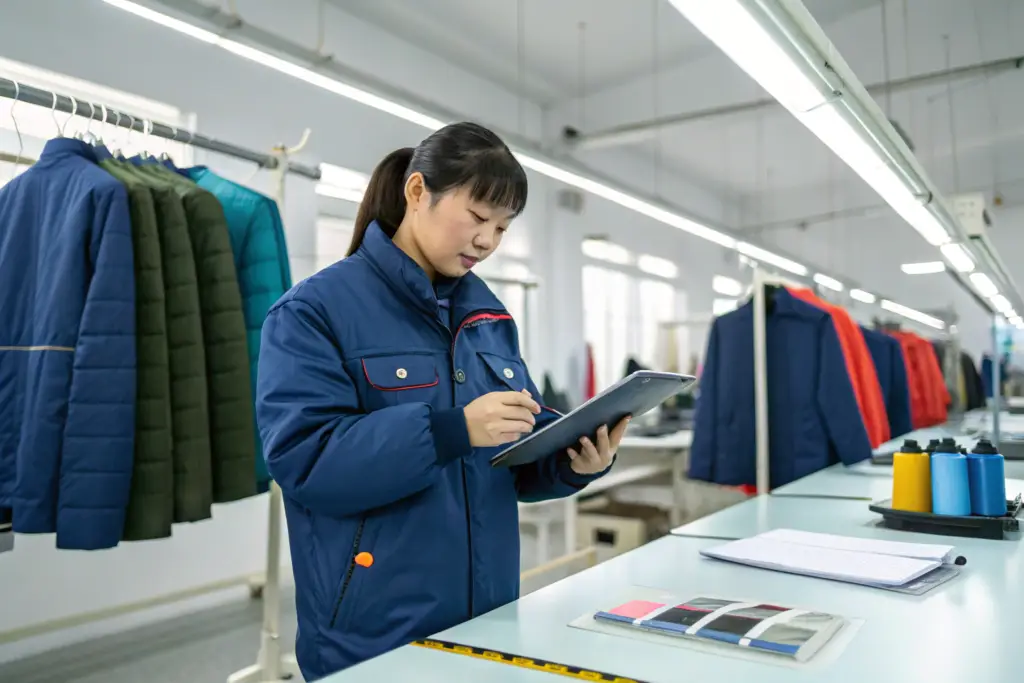
Physical distance should not mean informational darkness. We bridge the gap with technology-driven transparency, giving you remote, real-time insight into the quality status of your order as if you were standing in the factory.
We leverage a combination of digital tools and standardized documentation to create an open book of your production's quality journey. This empowers you with data to make informed decisions and builds trust through evidence, not just promises.
Dive Deeper Paragraph: The system is designed for clarity, accountability, and proactive issue resolution.

What Digital Evidence Do You Receive During Production?
You receive regular, visual updates that serve as quality milestones:
- Pre-Production Photos/Videos: Of fabric rolls, lab test results, and trim components.
- In-Process (DUPRO) Reports: Including photos of pieces coming off the line, highlighting both good samples and any defects caught and corrected.
- FRI Report & Video Walkthrough: The comprehensive FRI report (with defect photos and tally) is supplemented by a 2-3 minute video of the inspector walking through the sampled goods, pointing out key findings. For a client in Chicago who was anxious about a complex technical jacket order, this video report provided immense peace of mind weeks before the shipment arrived.
How Are Quality Management Systems (QMS) Utilized?
We operate on a digital QMS platform that tracks every order's quality data. This allows us to:
- Trend Analysis: Identify recurring defect types (e.g., "button alignment") across different orders and implement targeted training for sewing operators.
- Supplier Performance Tracking: Rate our fabric and trim suppliers based on the defect rates linked to their materials.
- Generate Certificates of Conformity: Provide you with professional, data-backed documentation for your records and customs.
This systematic approach turns quality from an abstract concept into measurable, improvable metrics, aligning with the best practices of supply chain management.
How Do We Handle Quality Failures and Implement Corrective Actions?
Even with the best systems, issues can arise. Our value is proven not by the absence of any problem, but by how swiftly, professionally, and thoroughly we respond to and resolve them, ensuring your business is protected.
Our protocol for handling quality failures is structured, transparent, and focused on your business continuity. The goal is to implement a corrective and preventive action (CAPA) that fixes the immediate issue and strengthens the process against future recurrence.
Dive Deeper Paragraph: The response is a two-stage process: containment and systemic correction.
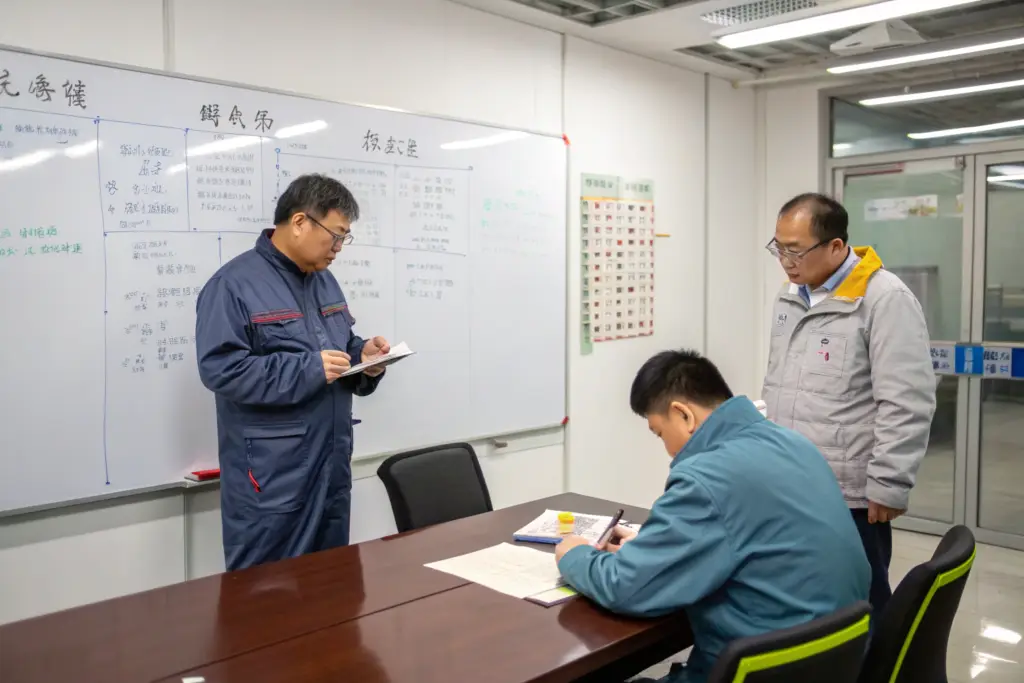
What Is the Immediate Containment Procedure?
If an FRI fails or a major in-line issue is discovered, we immediately:
- Stop Production: Halt the relevant production line to prevent more defective units.
- 100% Sorting: Isolate and screen the entire batch (or a defined risky portion) to separate good from defective pieces.
- Present Options: We communicate the situation to you clearly, with photos and data, and present solutions: repair if possible, re-make the defective units, or, in a worst-case scenario, discuss acceptable sorting standards. Our priority is to find the fastest path to deliver salable goods to you.
How Do We Ensure the Same Mistake Doesn't Happen Twice?
Containment fixes the symptom; root cause analysis fixes the disease. We conduct a formal review to determine the "why":
- Was it a training issue? → Revised training module for that operation.
- Was it a machine calibration issue? → Implement a new preventive maintenance schedule.
- Was it a misunderstanding of the spec? → Clarify the tech pack and update the posted sample.
After a missed stitch-density requirement on a batch of custom trousers, we didn't just re-sew them. We updated our digital work instructions at that sewing station to include an SPI gauge check every hour, permanently embedding the lesson into the process. This commitment to continuous improvement is what makes a manufacturing partner truly reliable.
Conclusion
Controlling quality in custom apparel production is about building a fortress of checks, balances, and transparency, not just hoping for the best. It requires a partner who sees quality control as an integrated engineering discipline, not a separate department. From scientific pre-production validation and real-time in-process monitoring to statistically rigorous final audits and robust failure management, every step is designed to give you certainty and protect your brand equity.
At Shanghai Fumao, we understand that your custom designs are the lifeblood of your business. We are committed to being the strategic partner who provides not just manufacturing capacity, but quality assurance peace of mind. Let us put our multi-layered system to work for you. To discuss how we can tailor our quality control protocols to your specific custom apparel project, please contact our Business Director, Elaine, at elaine@fumaoclothing.com. Together, we can ensure your vision is executed flawlessly, every single time.