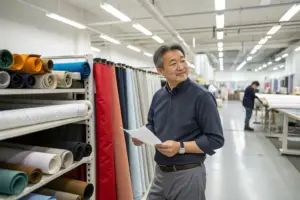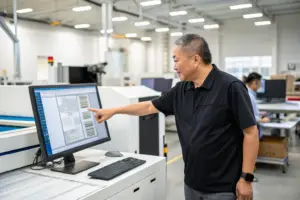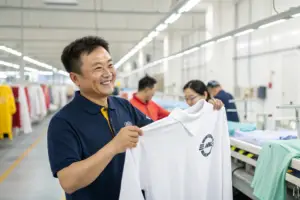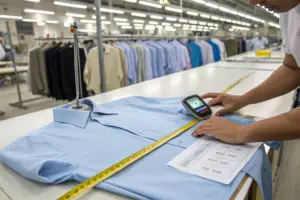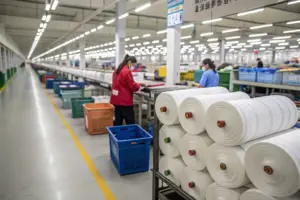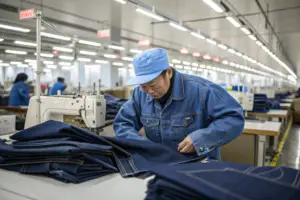
US distributors are caught in a tightening margin squeeze. Rising freight costs, inflationary pressures, and intense retail competition demand a strategic overhaul of the traditional sourcing model. Relying on domestic wholesalers or trading companies adds layers of cost and complexity that erode profitability. The most effective way to reclaim margin and control is to establish a direct partnership with a licensed factory overseas.
US distributors can reduce costs by 15-30% through a direct licensed factory partnership by eliminating intermediary markups, optimizing supply chain efficiency with full-package DDP terms, leveraging the factory's compliance expertise to avoid costly errors, and gaining pricing power through transparent costing and volume consolidation. This direct model transforms cost centers into controllable variables.
Cutting costs isn't about finding the cheapest supplier; it's about building the most efficient and transparent supply chain. A direct factory partnership addresses the root causes of hidden expenses that intermediaries often obscure. Let's examine the concrete financial benefits.
How does cutting out intermediaries directly improve margin?
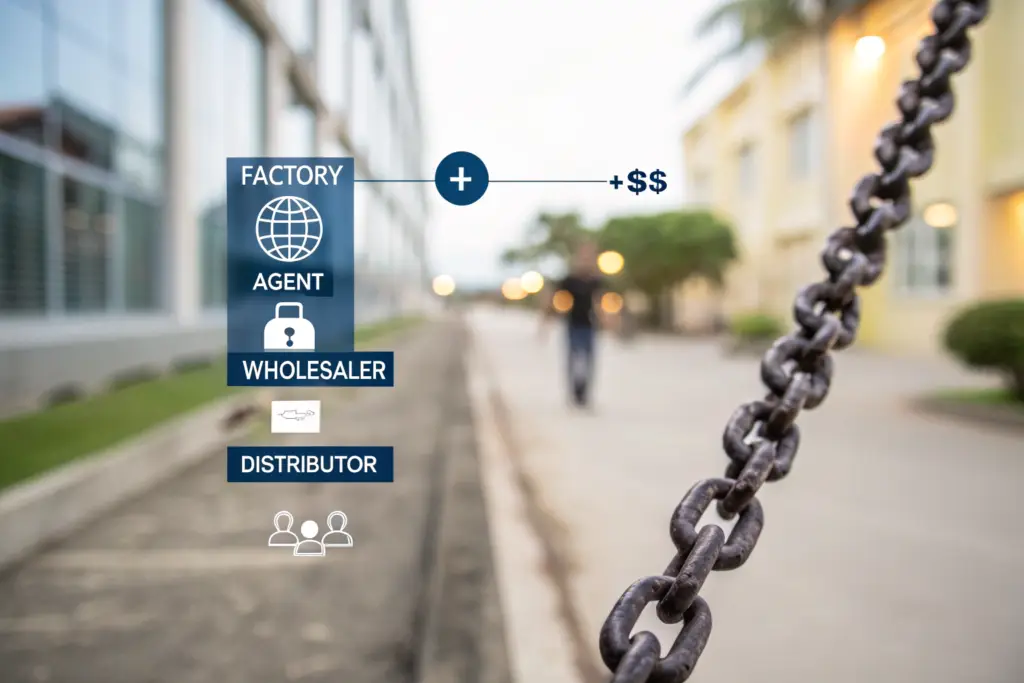
The traditional model often looks like this: Factory → Trading Company/Agent → Domestic Wholesaler → Distributor. Each arrow represents a markup, typically 10-25%. These markups pay for services you may not need, or that a capable factory now provides directly. By partnering directly, you compress this chain.
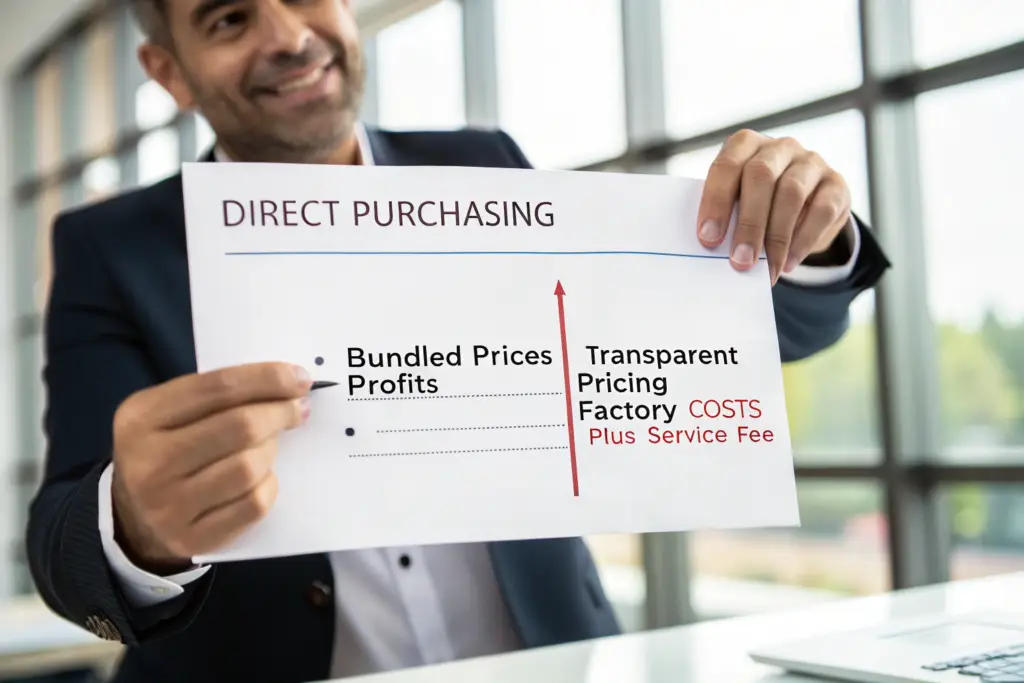
Going direct removes the cumulative markups of trading companies and domestic middlemen. You pay the factory price plus a transparent service fee for logistics, rather than an opaque bundled price that includes multiple profits. This immediate cost reduction flows directly to your bottom line or can be used to price more competitively.
What specific intermediary costs are eliminated?
- Trading Company Commission: Typically 5-15% of the FOB value. They coordinate between you and the factory but add little technical value if you have a competent factory partner.
- Domestic Wholesaler Markup: Can be 20-50% or more. They hold inventory and break bulk, but you pay a premium for that convenience.
- Hidden Sourcing Fees: Many intermediaries bundle costs without itemization, making true cost analysis impossible.
A direct relationship brings cost transparency. You see the breakdown: fabric cost, labor, overhead, printing, and logistics. This allows for strategic negotiations and value engineering. For example, by working directly with us, a midwestern distributor saved 18% on their core polo shirt program, which they reinvested in marketing, allowing them to undercut competitors and gain market share.
Does going direct require more internal resources?
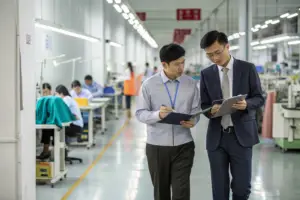
Initially, yes, there is a learning curve. However, a true partner factory provides a dedicated account manager who acts as your single point of contact, handling communication across departments (sales, technical, production, logistics). This replicates the convenience of an intermediary but at a fraction of the cost. The key is finding a factory, like Fumao Clothing, that is structured for direct client partnership with English-speaking project management teams.
Why are full-package DDP terms a major cost-saver?
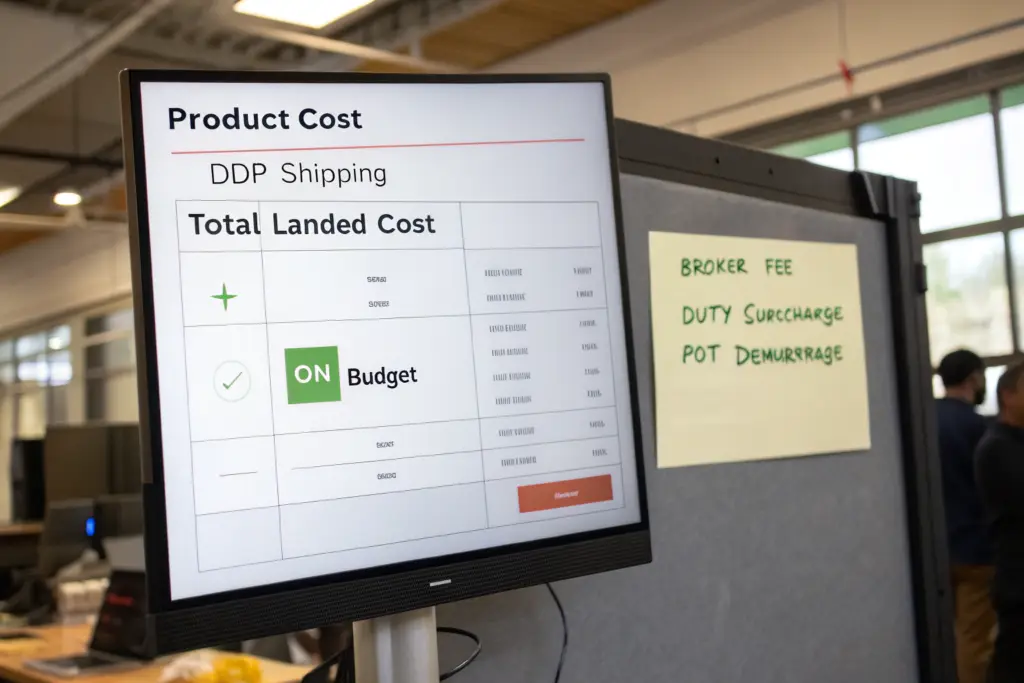
For distributors, logistics is a labyrinth of hidden fees: customs brokerage, duty calculation errors, demurrage, last-mile surprises. Managing this internally is costly and risky. A factory offering Full-Package, Delivered Duty Paid (DDP) service transforms this variable cost center into a fixed, predictable line item.
Full-package DDP terms save costs by bundling everything—materials, manufacturing, shipping, insurance, duties, and final delivery—into one all-in price. This eliminates surprise fees, reduces your internal administrative burden, and leverages the factory's bulk shipping rates and customs expertise to secure lower overall logistics costs.
How does DDP prevent unexpected expenses?
Under common terms like FOB, the distributor is responsible for main carriage freight, insurance, and import costs. Unexpected events like port congestion, customs exams, or duty classification disputes create unbudgeted expenses. Under DDP, the factory bears this risk and cost. They have the incentive to optimize the shipping route, ensure perfect documentation, and use their logistics partnerships to avoid delays and fees. For a distributor, this means the price quoted is the price paid, protecting your margin from logistical volatility.
Can full-package service reduce product cost itself?
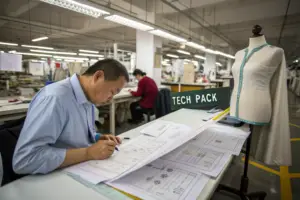
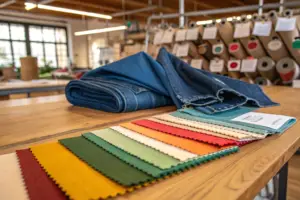
Absolutely. An integrated, full-package factory controls the entire process from sourcing raw materials (like fabric, thread, zippers) to finished goods. They purchase these components at scale, achieving better prices than a trading company buying in smaller lots. These savings are passed on to you. Furthermore,因为他们管理整个流程, they can suggest value engineering—such as optimizing fabric weight or simplifying a construction detail—to reduce cost without compromising quality, something an intermediary focused on markup has little incentive to do.
| Cost Area | Traditional Model (with Intermediaries) | Direct Factory Partnership (Full-Package DDP) | Cost Impact for Distributor |
|---|---|---|---|
| Product Cost | Factory cost + agent markup + wholesaler markup. | Transparent factory cost + agreed margin. | Direct reduction of 15-30%. |
| Logistics & Duties | Variable, unpredictable. Managed by distributor with added broker fees. | Fixed, all-in DDP price. Managed by factory using their scale and expertise. | Predictable cost, often lower overall. |
| Compliance & Error Cost | Risk distributed; liability unclear. Cost of errors often borne by distributor. | Single-point accountability. Factory incentivized to get it right the first time. | Reduced risk of chargebacks, rejects, and lost season. |
| Internal Management | High: coordinating with multiple parties. | Low: one point of contact at factory. | Reduced overhead, freeing staff for sales. |
How does factory compliance expertise prevent costly errors?
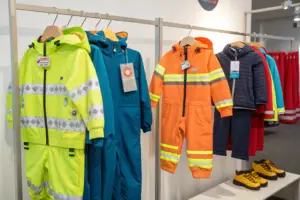
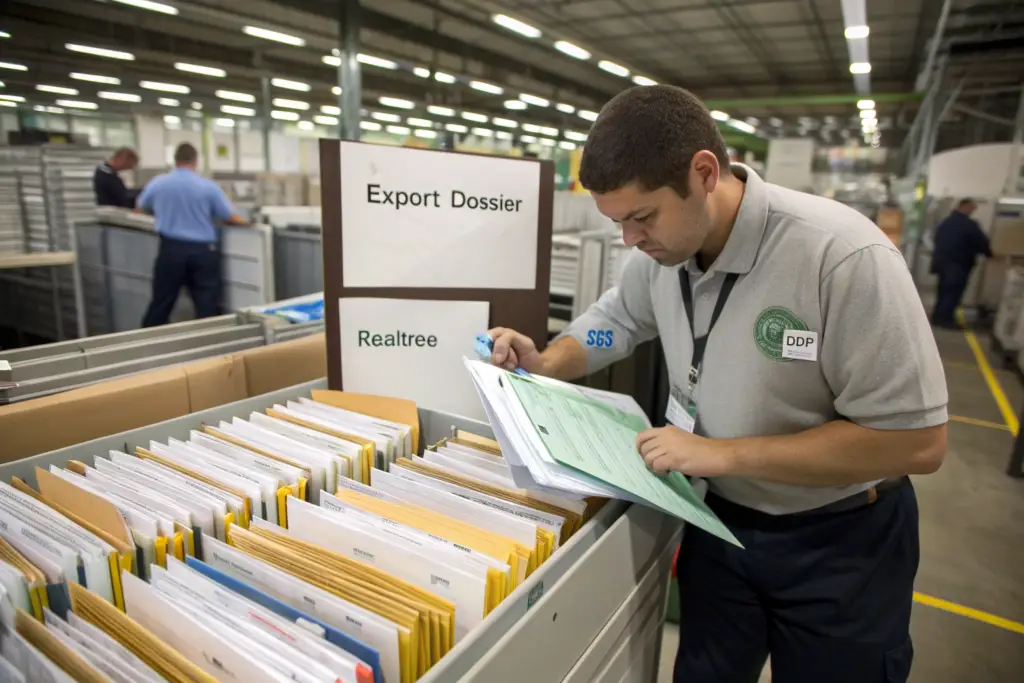
For licensed apparel (e.g., Realtree, Mossy Oak) or regulated products (e.g., flame-resistant gear), compliance is not just paperwork—it's a financial shield. An error in licensing, lab testing, or documentation can lead to seized shipments, destroyed inventory, and hefty fines that erase the margin of an entire season.
A licensed factory with deep compliance expertise acts as your first and most important line of defense. They ensure all licensor approvals, safety tests (like CPSIA), and customs documentation (like country of origin) are flawless. This proactive prevention avoids catastrophic cost events that intermediaries often cannot guarantee.
What is the true cost of a compliance failure?
Consider a shipment of 5,000 camo jackets:
- Customs Seizure for Incorrect License: Goods are held or destroyed. Loss: 100% of goods value + shipping.
- Retailer Chargeback for Failed Safety Test: The retailer fines you and may terminate the relationship. Loss: Cost of goods + chargeback fee + lost future business.
- Licensor Lawsuit for Trademark Infringement: Legal fees and damages can be immense.
A direct partner factory stakes its reputation and business on getting this right. Their internal quality management system is designed to prevent these failures. We, for instance, maintain a digital "compliance passport" for each order, tracking every certificate and approval, which we share with clients for their records.
How does this expertise streamline your operations?
It saves you time and money on back-end verification. Instead of you or a third-party auditor needing to verify certificates, you receive a verifiable package from a trusted source. This reliability allows you to plan promotions and retailer shipments with confidence, knowing your inventory will clear customs and meet all requirements. It turns compliance from a cost center into a competitive advantage.
Can consolidation and long-term planning drive down costs?
Distributors often source similar items from multiple suppliers or place orders in reactive, small batches. This fragmented approach forfeits the volume-based pricing and production efficiency that a direct factory partnership can unlock through consolidated forecasting and strategic ordering.
By consolidating your sourcing with one capable direct factory, you aggregate your purchasing power. This allows for better raw material pricing, more efficient production line scheduling, and lower minimum order quantities (MOQs) per SKU. Coupled with long-term forecasting, you enable the factory to plan capacity and material procurement at optimal costs, savings which are shared with you.
How does order consolidation improve pricing?
If you order T-shirts from Supplier A, polos from B, and jackets from C, no single supplier sees your full volume. By moving all these categories to a single full-service factory, your total order volume commands better attention and pricing. The factory can also suggest product bundle strategies—like using the same base fabric across different styles—to further reduce material costs. A outdoor distributor we work with consolidated their softshell and fleece lines with us. By using a common high-performance fabric platform across both, we reduced their fabric cost by 12% and simplified their inventory management.
Providing a factory with a realistic 6-12 month forecast (even if not a firm order) is invaluable. It allows them to purchase raw materials in larger, cheaper lots and reserve production capacity during peak seasons. In return, they can offer you price stability and guaranteed production slots, protecting you from market shortages and price spikes. This collaborative planning builds a partnership that is resilient and cost-effective for both parties.
Conclusion
For US distributors, reducing costs in today's market requires moving beyond transactional purchasing to strategic supply chain partnership. A direct relationship with a licensed, full-package factory is the most powerful lever to pull. It cuts out intermediary fat, locks in predictable logistics costs, leverages expert compliance to avoid devastating errors, and unlocks volume-based efficiencies through consolidation and planning.
The goal is not just a lower price on a spreadsheet, but a higher, more predictable net profit. By investing in a direct partnership, you build a cost-competitive, agile, and reliable supply chain that is your durable competitive advantage. To start transforming your cost structure, partner with a factory built for this model.
Ready to explore how a direct partnership can specifically improve your margins? At Fumao Clothing, we specialize in being this strategic, full-package partner for US distributors. Contact our Business Director, Elaine, at elaine@fumaoclothing.com to discuss a cost analysis for your product lines. Let's build a more profitable supply chain together.