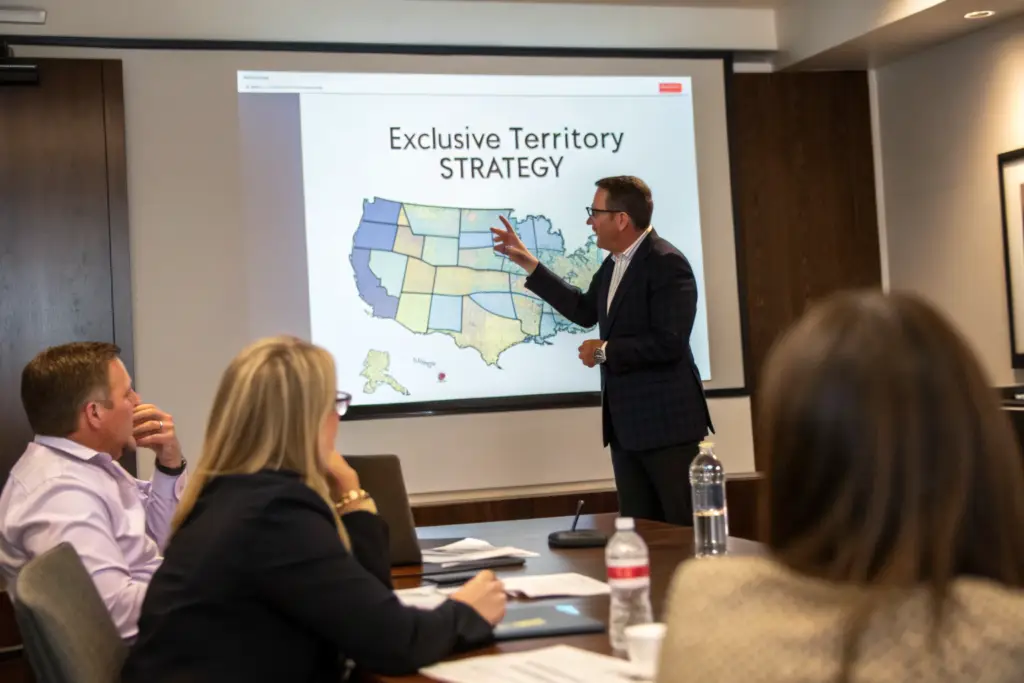
As a US distributor, you’re caught in the middle: squeezed by big-box retailers on one side and direct-to-consumer brands on the other. Your traditional advantage—moving volume—is no longer enough. So how do you build a sustainable, growing business? The answer often lies not just in what you sell, but in what you own the right to sell. Securing an exclusive license for a coveted property—be it a popular camo pattern like Realtree Xtra, a trending character, or a regional sports team—can be your golden ticket. But a license alone isn't magic; it's a tool that requires a strategic manufacturing and marketing plan to unlock true retail expansion.
US distributors can leverage exclusive licenses for retail expansion by using them as a strategic wedge to secure dedicated retail shelf space, building private-label branded collections with unique value, and creating vertical market dominance within specific geographic or niche categories that competitors cannot easily enter.
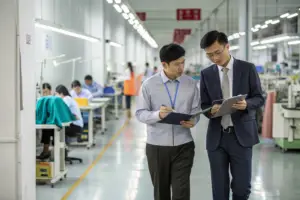
An exclusive license transforms your role from a passive middleman to a brand manager and category captain. At Shanghai Fumao, we partner with distributors to execute this transformation, providing the manufacturing backbone and product development expertise to turn exclusive rights into tangible retail success. Let's explore the actionable strategies.
How Do Exclusive Licenses Secure Prime Retail Shelf Space?
Retail buyers are inundated with similar products. Their primary problem is differentiation, not just inventory. An exclusive license gives you a compelling, objective reason for them to choose you over another distributor and to grant you dedicated, non-competitive space.
Exclusive licenses secure shelf space by offering retailers a unique product story that drives customer traffic, reducing their risk of price-matching wars, and allowing you to negotiate longer-term, more favorable partnership agreements as the sole source for that licensed line.
What Is Your Pitch to the Retail Buyer?
Your pitch moves from "I have good prices on T-shirts" to "I have the only [Licensed Property] fishing shirts available in your region." This changes the conversation dramatically.
- Traffic Driver: "This license has a dedicated fan base. By carrying this exclusive line, you'll attract those customers to your store, and they'll buy other items."
- Margin Protection: "Since this is exclusive, you won't find it discounted at Walmart or Amazon. You can maintain healthier margins."
- Marketing Support: "We will co-fund local marketing—in-store signage, local sports radio ads—featuring this exclusive line, driving sales directly to your doors."
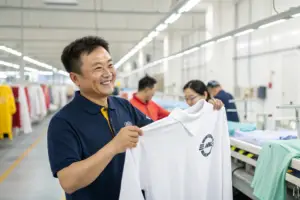
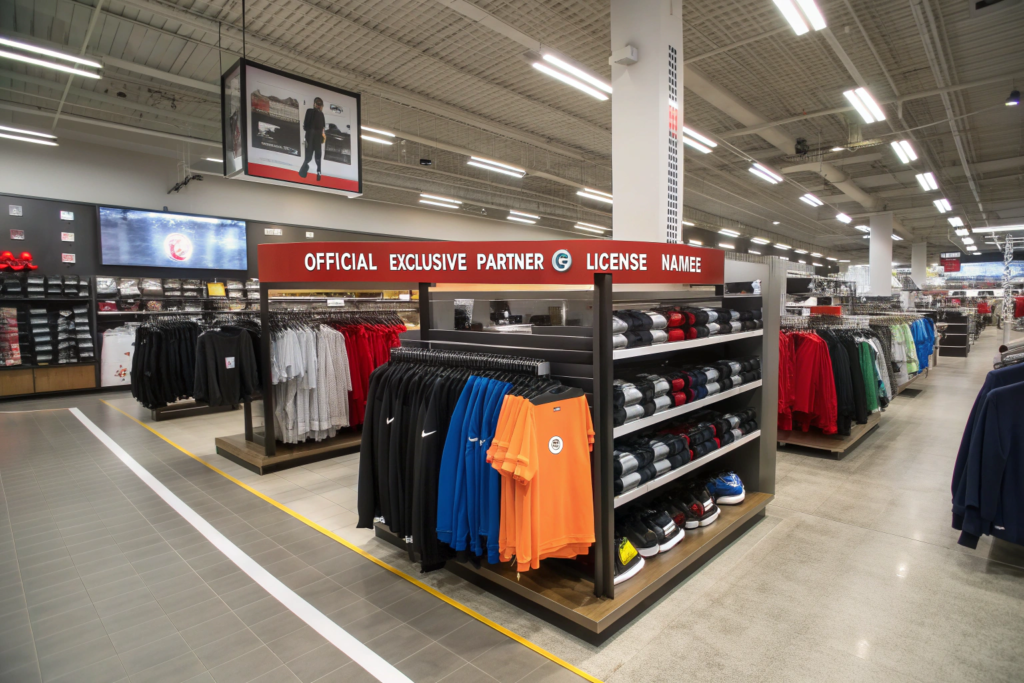
We worked with a Midwestern distributor who secured exclusive regional rights for a popular collegiate pattern. They used it to pitch a "Store-in-Store" concept to a regional outdoor chain. We manufactured a full coordinated collection (shirts, hats, accessories) under their private label. The retailer gave them an entire corner, resulting in a 150% sales increase in that section within six months.
How Does Exclusivity Alter the Supply Chain Dynamic?
When you are the exclusive distributor, you control the inventory flow. This allows you to implement more sophisticated inventory management:
- Pre-Season Commitments: You can ask retailers for earlier, firmer commitments because they cannot get the product elsewhere.
- Limited Releases: Create scarcity with special, limited-edition runs within the license (e.g., "Early Season Camo" series). This fuels urgency and repeat visits.
- Direct Store Delivery (DSD) Models: With predictable demand, you can optimize logistics to keep shelves perfectly stocked, improving sell-through rates and retailer satisfaction.
How Do You Build a Private Label Brand Around an Exclusive License?
This is where maximum value is captured. Don't just slap the licensed graphic on a generic shirt. Use the license as the hero ingredient in your own branded product line. This builds brand equity for your distribution company.
You build a private label brand by co-developing unique products that integrate the licensed design with enhanced functionality, creating cohesive storytelling and packaging that elevates the perceived value, and marketing it as "[Your Brand Name] powered by [Exclusive License]."
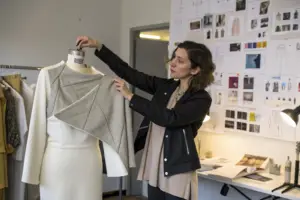
What Does Co-Development with a Factory Look Like?
This requires a factory partner with strong product development capabilities. The process involves:
- Identifying a Gap: "The existing Realtree workwear is too heavy. Let's create a lighter, moisture-wicking line for summer construction."
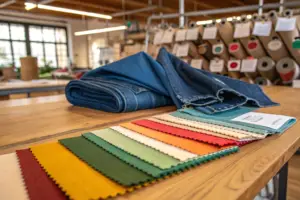
- Material Innovation: With our mill network, we helped a distributor develop a proprietary blend of recycled polyester and cotton that held the camo print beautifully but was 30% lighter than standard canvas.
- Adding Unique Features: Incorporate specific features the mass-market licensed products lack. For example, add a patented phone pocket on the sleeve, or use a specific brand of quieter zipper. These become your "++" features.
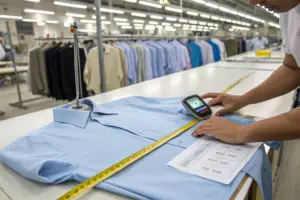
- Quality as a Brand Hallmark: Enforce stricter quality control standards than the license minimums. Market this: "Our [License] apparel undergoes 12-point inspection versus the industry standard of 8."
The result is a product that is legally distinct and superior, allowing you to command a premium. The license brings the customer in; your product quality brings them back.
How Does Storytelling and Packaging Amplify Value?
Your packaging and marketing should tell the story of the exclusive partnership and the product's unique benefits.
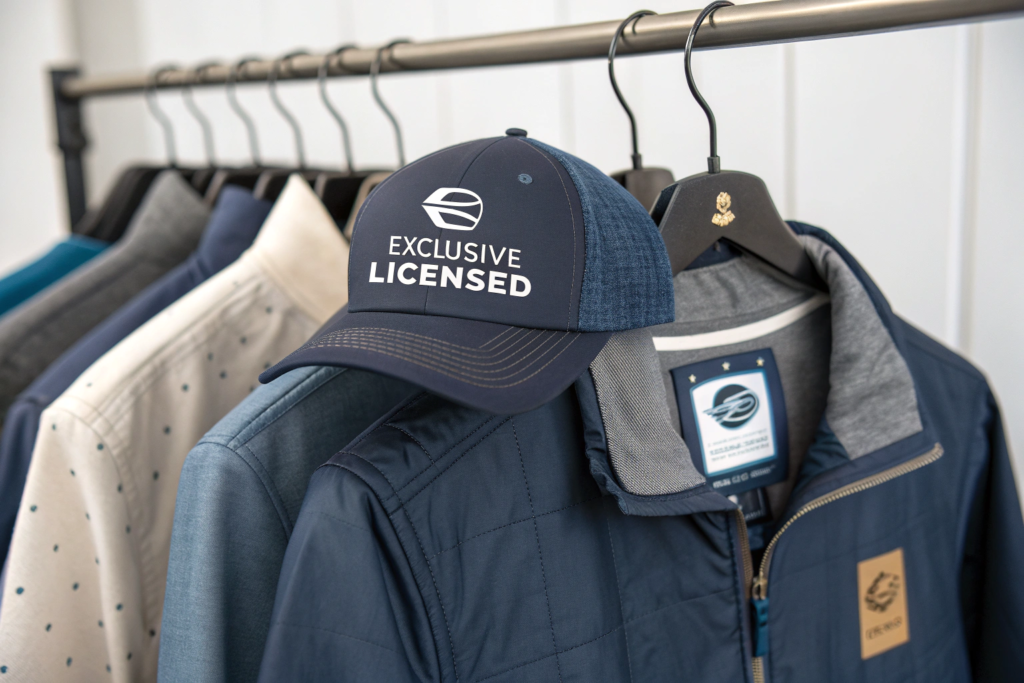
- Hangtags: "Exclusively crafted for [Your Distributor Brand] by our partners at Shanghai Fumao. Features our SilentHunter™ fabric technology."
- In-Store Displays: Not just racks, but interactive displays explaining the exclusivity and co-development story.
- Digital Content: Create "Making Of" videos showing the design and manufacturing process at the factory, highlighting the care and exclusivity.
This approach transforms the product from a licensed commodity into a specialty item, justifying more shelf space and a higher retail price.
How Can You Dominate a Vertical or Niche Market?
Exclusive licenses are most powerful when focused. Trying to be everything to everyone dilutes their impact. The strategy is to own a specific "vertical" completely.
You dominate a niche by combining an exclusive license with deep specialization in a specific product category (e.g., licensed kids' team uniforms, licensed safety-rated workwear) or by geo-fencing the license to own a specific region, becoming the indispensable expert and sole source in that box.
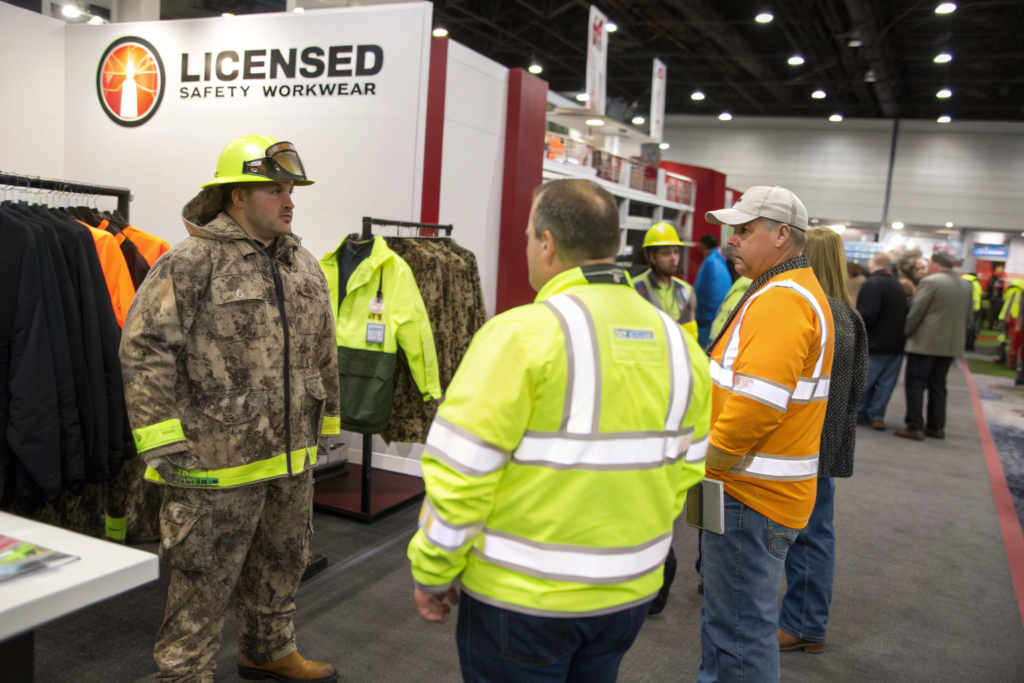
What Are Examples of Vertical Domination?
- The "Licensed Kids' Teamwear" Vertical: Secure an exclusive license for a popular cartoon character. Instead of just selling T-shirts, develop a full kit: performance jerseys, durable practice shorts, team bags, and custom socks. Pitch this directly to youth sports leagues and their affiliated retailers. You become the one-stop shop for "Character League" apparel.
- The "Licensed Equestrian Apparel" Niche: Secure rights for a western or outdoor pattern. Develop technical riding shirts, durable riding pants, and specialized outerwear with the pattern. Sell through tack shops and equestrian events. Your competition isn't general apparel distributors; it's few and far between.
- Geographic Exclusivity: Secure exclusive distribution of a major camo pattern for all of Texas or the Pacific Northwest. Then, saturate that market. Sponsor local hunting tournaments, advertise on regional outdoor media, and ensure every relevant retailer in the territory carries your line. You build a local brand fortress.
A distributor client of ours used this strategy with a regional fishing tournament license. We produced a limited run of high-performance fishing shirts with the exclusive tournament logo. They sold exclusively through a network of local marina shops, creating huge demand and making their brand synonymous with the tournament.
How Does This Strategy Protect Against Competition?
This focused approach creates multiple barriers to entry:
- Legal Barrier: The exclusive license itself.
- Expertise Barrier: Your deep knowledge and tailored product line for the niche.
- Relationship Barrier: Your entrenched relationships with all the key retailers in that vertical or region.
Competitors would need to overcome all three simultaneously, which is highly unlikely. This is how you achieve sustainable, profitable growth.
Conclusion
For US distributors, an exclusive license is far more than a line item in a catalog. It is a strategic asset for retail expansion when leveraged correctly. The key is to move beyond simple distribution and use the license as a foundation to secure retail real estate, build a valuable private label brand, and achieve dominance in a defined market vertical.
This requires a shift in mindset—from logistics manager to brand builder—and a partnership with a manufacturer capable of co-developing unique, quality products that bring your exclusive vision to life.
At Shanghai Fumao, we specialize in being that partner. We provide the end-to-end service—from concept and exclusive material sourcing to full-package manufacturing and logistics—that allows distributors to fully capitalize on their exclusive licenses. If you are ready to transform your exclusive rights into a powerful engine for retail growth, let's build your strategy together. Contact our Business Director Elaine to start the conversation: elaine@fumaoclothing.com.