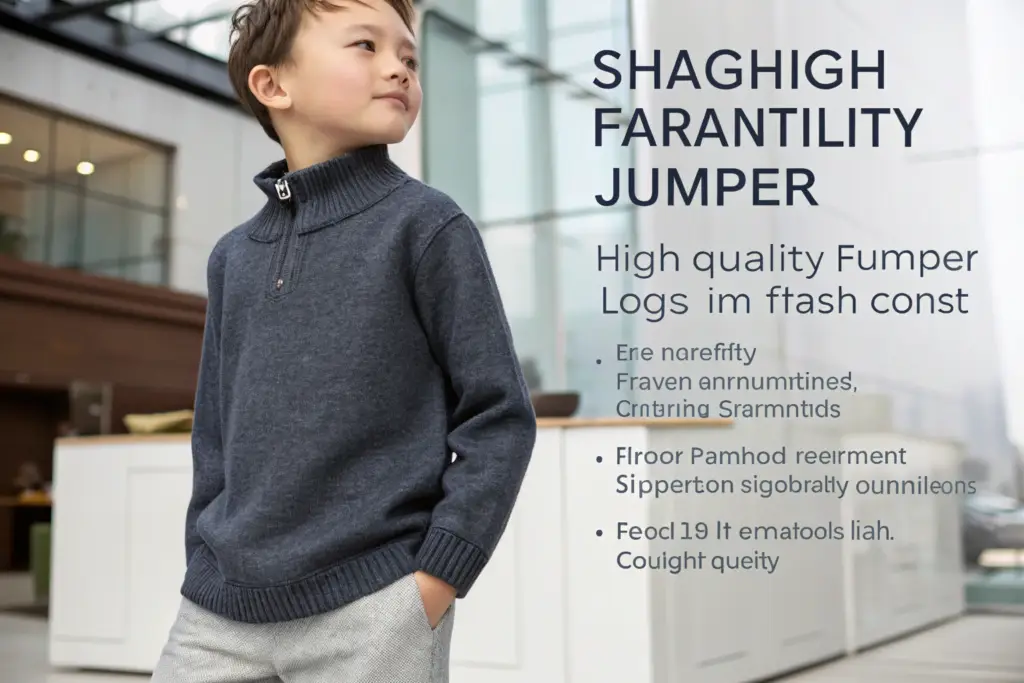
The preteen market is a powerful and unique force. These young consumers are style-aware, influenced by peers and social media, and increasingly educated on environmental issues by their families and schools. A French terry sand jumper—a versatile, comfortable staple—is a perfect product for this age group. But to truly capture the growing eco-conscious demand, this classic garment must evolve. It’s no longer enough to be just cute and soft; it must tell a story of responsibility that resonates with both the preteen wearer and the parent who pays.
Preteen French terry sand jumpers can meet eco-conscious demand by being constructed from a foundation of certified materials (like GOTS organic cotton or recycled fibers), manufactured under rigorous human-ecological and environmental standards (OEKO-TEX STeP or MADE IN GREEN), and designed for durability and longevity to combat fast fashion. This holistic approach addresses the full spectrum of eco-conscious values: safe for the body, kind to the planet, and ethically made. Success lies in integrating these elements seamlessly, so the sustainability is inherent to the product, not just a tag.
The goal is to create a jumper that a preteen is proud to wear because it looks good, and a parent feels good about buying because it aligns with their values. Let’s break down how to build this.
What Material Choices Define An Eco-Conscious French Terry?
The journey begins with the fiber. The choice of material sets the environmental and ethical tone for the entire garment.
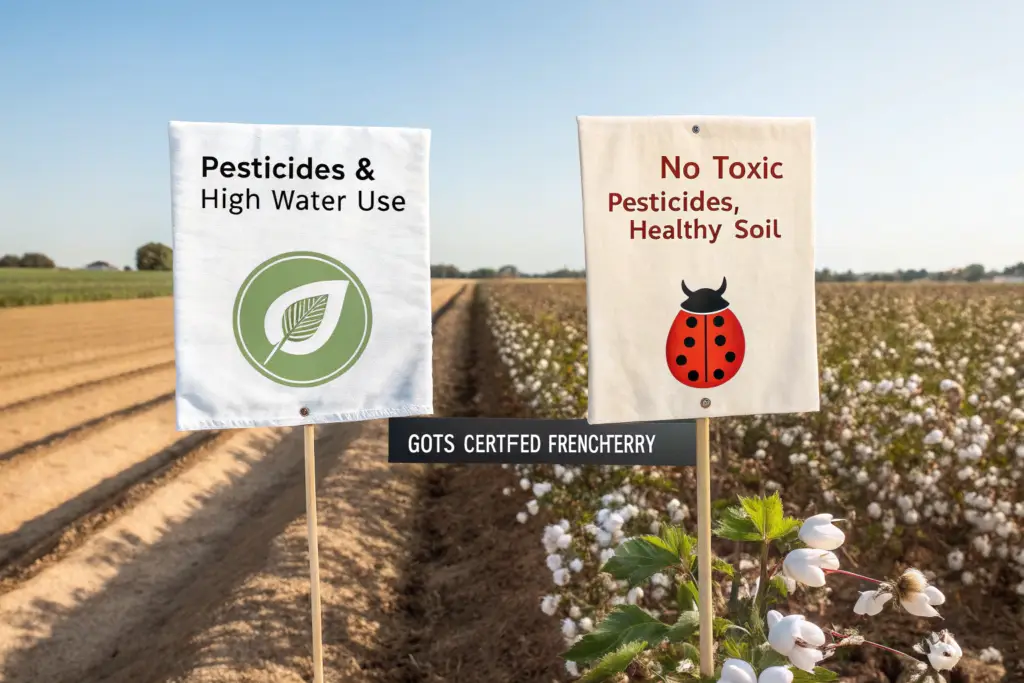
- GOTS-Certified Organic Cotton: This is the gold standard for natural fibers. Global Organic Textile Standard (GOTS) certification ensures the cotton is grown without toxic pesticides or GMOs, and its processing meets strict environmental and social criteria. For French terry, this means the loops and softness come from a clean agricultural base. It’s a powerful story: from seed to soft fabric.
- Recycled Cotton or Polyester: Using post-industrial or post-consumer recycled materials reduces waste and water consumption. A French terry blend made from recycled cotton and recycled polyester (rPET) from plastic bottles offers durability and a strong circular economy narrative. The key is transparency about the recycled content percentage.
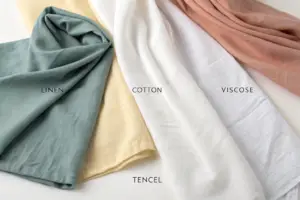
- Responsibly Sourced Cellulosics: For a drapey feel, blends with TENCEL™ Lyocell from sustainably managed forests can be an option, though less common for traditional French terry.
The most compelling choice for a broad audience is often GOTS organic cotton French terry. It is natural, biodegradable, and has the most recognized “clean” credential. At Shanghai Fumao, we work with specialized mills to source GOTS-certified French terry fabrics that also carry OEKO-TEX STANDARD 100 certification for chemical safety, creating a dual-assurance material for our clients.
How Does Dyeing And Finishing Impact The Eco-Profile?
The eco-story can be ruined in the dye house. Conventional dyeing is water and energy-intensive and can involve harmful chemicals. Eco-conscious jumpers must use:
- Low-Impact or Fiber-Reactive Dyes: These dyes require less water, fix better to the fiber (reducing runoff), and often do not contain heavy metals.
- Digital Printing: For prints, digital methods use significantly less water and ink.
- Eco-Friendly Finishing: Any softeners or anti-pilling treatments must be biodegradable and OEKO-TEX certified. The best practice is to leverage the natural softness of high-quality French terry, minimizing chemical finishes altogether.
Why Is OEKO-TEX MADE IN GREEN The Ultimate Label For This Garment?
While OEKO-TEX STANDARD 100 ensures product safety, the MADE IN GREEN label is the comprehensive solution for the eco-conscious preteen market. It is a single label that answers the three core questions of a modern consumer:
- Is it safe for me? (Made from materials tested for harmful substances - STANDARD 100).
- Was it made in an environmentally friendly way? (Manufactured in sustainable facilities - STeP certification).
- Was it made in fair working conditions? (Social responsibility audits are part of STeP).
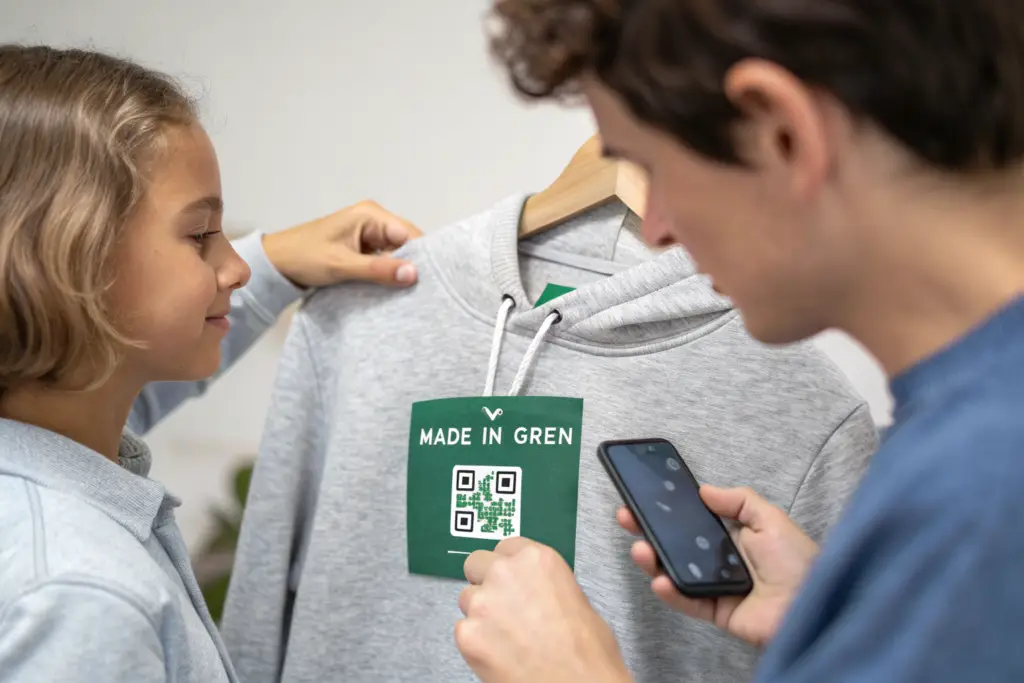
Each MADE IN GREEN label has a unique QR code. When the preteen or parent scans it, they can see the specific production facilities where the jumper was made, adding a layer of radical transparency. For a preteen, this tech-integrated story is engaging. For a parent, it’s undeniable proof. Offering this on a French terry jumper elevates it from a basic item to a symbol of informed consumption.
How Does This Align With Preteen Values And Parental Concerns?
Preteens value authenticity and action. They are drawn to brands that stand for something. A jumper with a scannable label that shows its “story” feels modern and honest. Parents, meanwhile, get peace of mind on safety and ethics. This dual appeal is marketing gold. A brand we partnered with last year launched a line of MADE IN GREEN certified loungewear. They created a social media campaign where kids could “scan their hoodie” and share the factory story. Engagement with their teen/preteen demographic skyrocketed by 150%.
How Can Design And Quality Extend The Garment’s Life?
Eco-consciousness is also about consuming less. A jumper that falls apart after five washes is not sustainable, no matter the material. Design for longevity is crucial.
- Durable Construction: Reinforced seams, quality stitching, and sturdy elastic ensure the jumper survives an active preteen lifestyle.
- Timeless Style Over Micro-Trends: Opt for classic cuts, versatile colors (like sand, grey, olive), and subtle details. This encourages repeated wear across seasons.
- Easy Care: French terry is naturally low-wrinkle and durable. Design it to be machine-washable without special care, making it a practical, everyday item.
- Growth-Friendly Design: Slightly relaxed fits or adjustable features (like tie belts) can extend the wearable life of the garment by a season.
This approach aligns with the growing “slow fashion” movement. It positions the jumper as a worthwhile investment piece in a child’s wardrobe, contrasting sharply with disposable fast fashion. Shanghai Fumao’s expertise in quality control and durable construction is essential here, ensuring the eco-friendly materials are assembled into a garment that lasts.
What Is The Role Of Packaging And Communication?
The experience must be consistent. Ship the jumper in recycled and recyclable paper packaging, not plastic. Use hangtags made from seed paper or recycled cardstock. Every touchpoint should reinforce the brand’s commitment.
Communication should be empowering, not preachy. Instead of “save the planet,” use language like: “Made for adventure, kind to the earth,” or “Soft on you, gentle on the planet.” Highlight the scannable label as a cool feature. This makes the eco-choice feel positive and aspirational.
What Are The Sourcing And Production Steps?
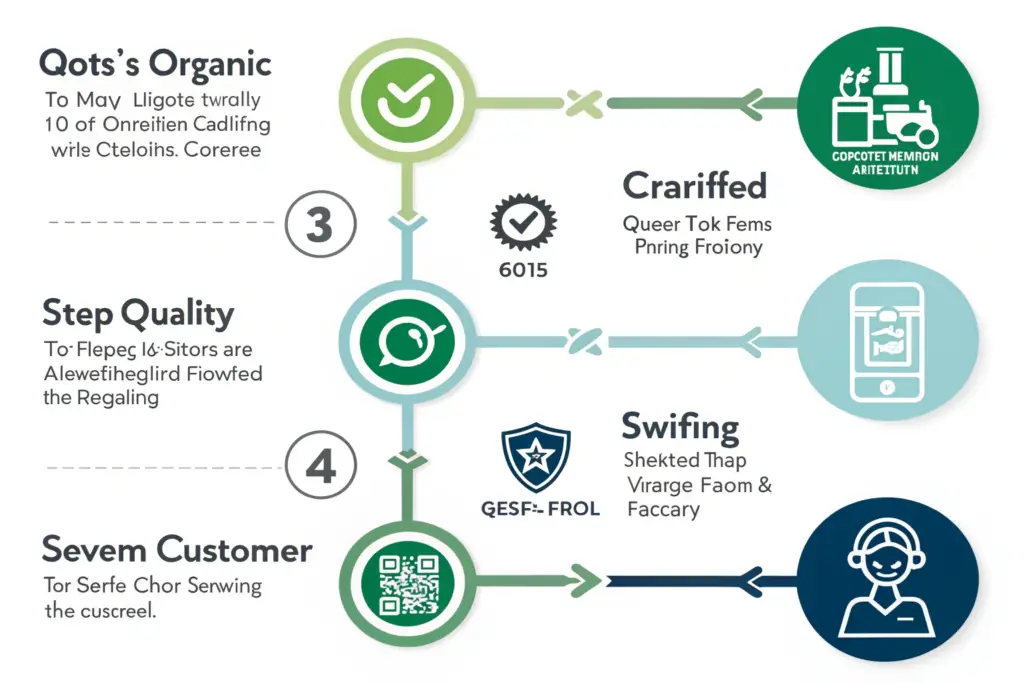
Building this jumper requires a partner with an integrated supply chain. Here is a feasible roadmap:
- Fabric Sourcing: Partner with a mill that produces GOTS organic French terry and can provide OEKO-TEX STANDARD 100 certification for the fabric.
- Manufacturer Selection: Choose a factory like Shanghai Fumao that holds OEKO-TEX STeP certification for its manufacturing sites. This is a prerequisite for the MADE IN GREEN label.
- Development and Sampling: Develop the jumper design. The factory will handle the process of combining the certified fabric with other certified components (thread, labels) and applying for the final MADE IN GREEN product certification through an accredited institute.
- Transparent Logistics: Offer carbon-neutral shipping options or consolidate shipments to reduce the carbon footprint of delivery.
This process ensures credibility at every stage. It turns claims into verifiable, certified reality.
What Is The Cost Implication And Consumer Willingness To Pay?
Yes, certified materials and responsible manufacturing cost more—typically resulting in a 25-40% higher FOB cost compared to a conventional equivalent. However, the market for children’s wear is increasingly bifurcated. Eco-conscious parents have demonstrated a strong willingness to pay a premium for trust and values. They view it as an investment in their child’s well-being and the planet’s future. The key is to clearly communicate the value behind the price: the certifications, the transparency, the durability. This justifies the premium and builds brand loyalty.
Conclusion
Meeting the eco-conscious demand for preteen French terry sand jumpers is a multi-layered endeavor that blends material science, ethical manufacturing, transparent storytelling, and durable design. By anchoring the product in respected certifications like GOTS and OEKO-TEX MADE IN GREEN, brands can offer undeniable proof of their commitment. This satisfies the parent’s need for safety and ethics and resonates with the preteen’s desire for authentic, meaningful brands.
The result is more than a piece of clothing. It’s a wearable statement of values that feels as good as it looks. In a market moving rapidly towards conscious consumption, this is not just a niche strategy—it’s the future of mainstream appeal.
If you are ready to develop a preteen collection that truly answers the call for responsible fashion, partner with a manufacturer equipped for this holistic approach. Shanghai Fumao provides the certified materials, STeP-certified production, and expertise to bring your eco-conscious vision to life. Contact Business Director Elaine at elaine@fumaoclothing.com to begin.